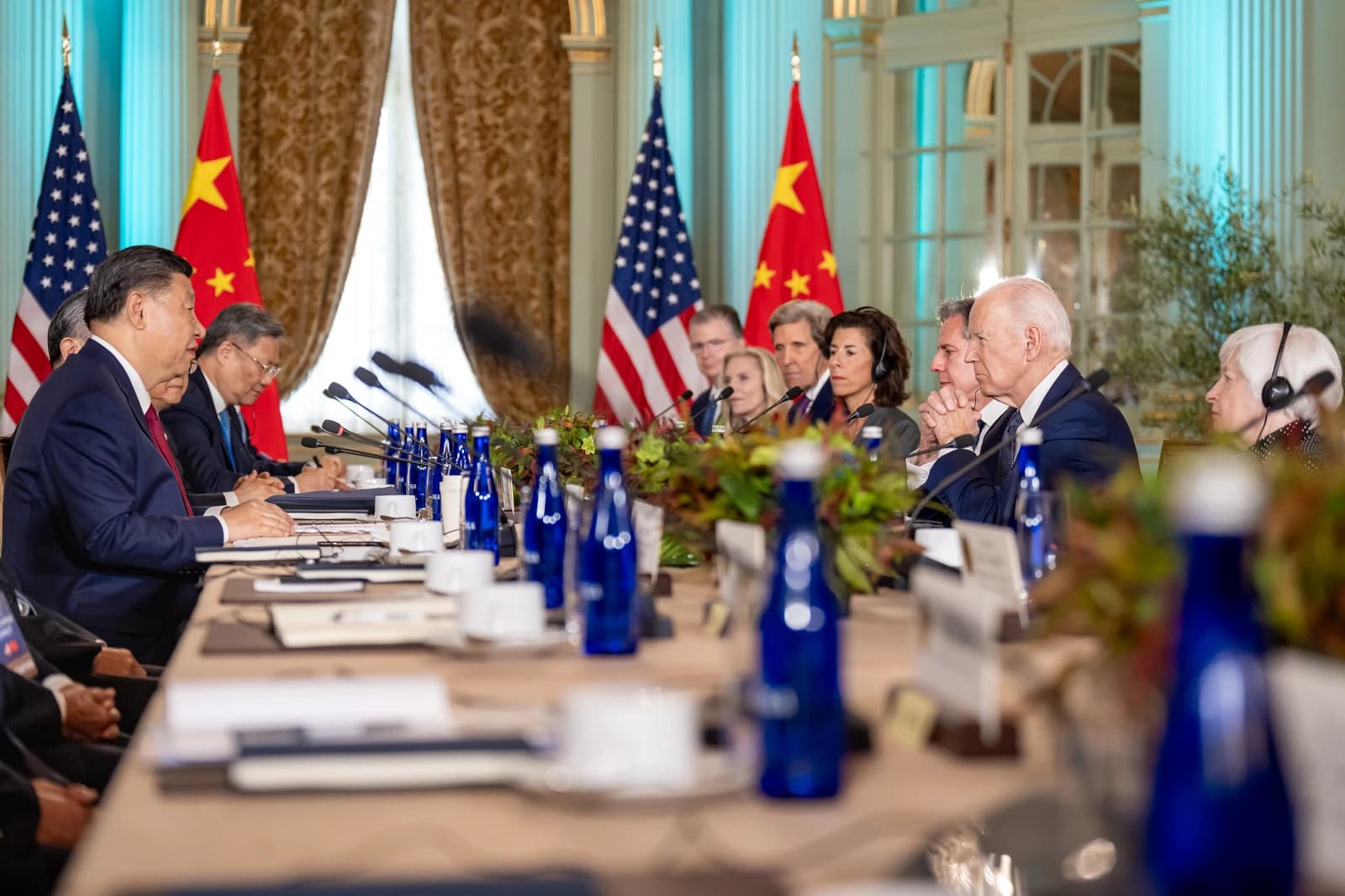
American companies are signalling they want the U.S.-China relationship to move from headline summits to the slower, less glamorous work of officials who can keep trade and investment rules stable day to day.
U.S. China Business Groups Seek Stable Trade Rules
That matters because businesses do not build factories, source chips or sign long-term contracts around photo opportunities. They need predictable customs rules, export licensing, market access and a way to resolve disputes before they spill into tariffs, sanctions or supply-chain disruptions. For investors, the issue is bigger than diplomacy: the difference between sporadic leader-level breakthroughs and durable working-level engagement can shape earnings visibility across technology, consumer goods and industrial supply chains.
Sentiment Indicators
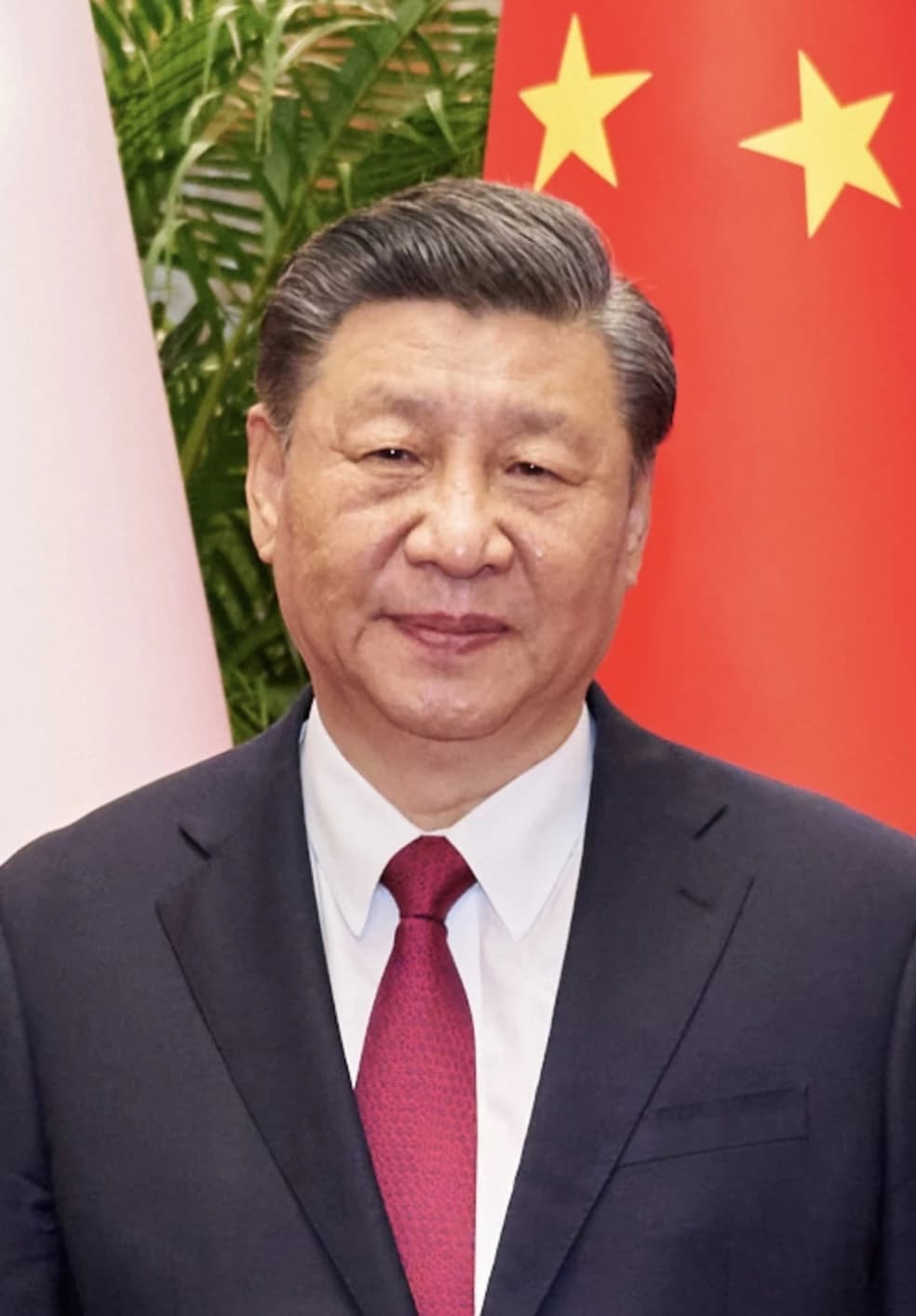
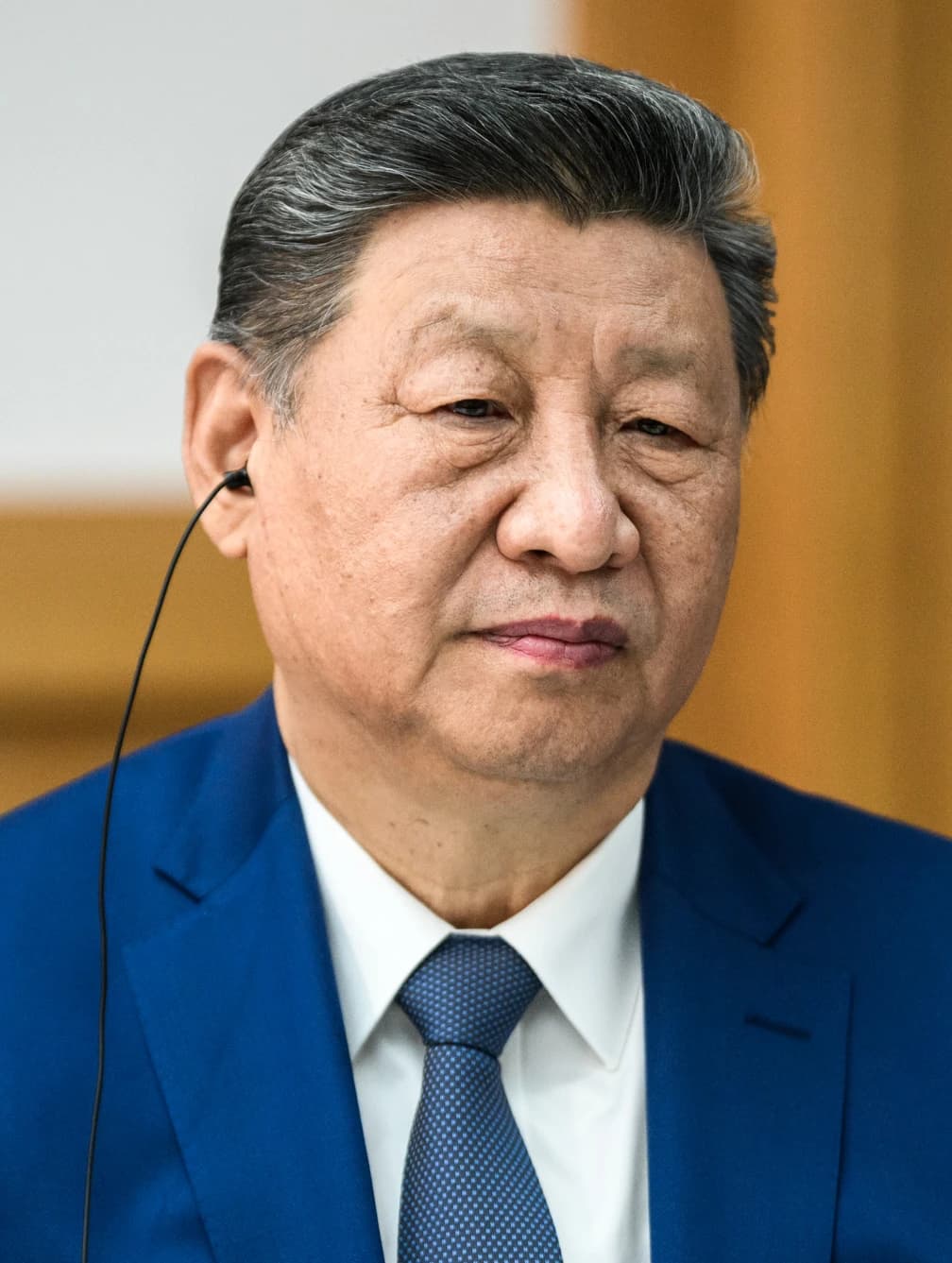
The message came from the American Chamber of Commerce in China, whose president said on Wednesday that companies welcome frequent meetings between the two leaders but want more of the real negotiating pushed down to bureaucrats who handle the “clear facts.” His point is simple: summit diplomacy can ease tensions, but it rarely delivers the granular, enforceable arrangements that keep cross-border commerce functioning.
That is especially important now because China remains a central market for U.S. multinationals even as trade frictions linger. Export controls have already limited the ability of chipmakers and other technology firms to do business there, and recent filings from companies such as Nvidia and Applied Materials show how quickly policy shifts can affect sales, supply chains and product planning. When access to China is uncertain, companies are forced to hold more cash, manage inventory more cautiously and discount longer-term growth assumptions.
US-China Relations — 30-day sentimentadalytica.com
Explore this data interactively — full history, time series and cross-market comparisons.
The market backdrop also reflects that tension. The FXI China ETF is trading around 32.47, below both its 50-day moving average of 34.3 and its 200-day moving average of 35.59, with an RSI reading near 37.2 and a negative MACD — a sign that investors remain cautious on Chinese equities. The broader MCHI ETF sits at 49.04, also under both key moving averages, while KWEB has slid to 22.97, well below its 50-day and 200-day averages. Those conventional technical indicators do not tell the whole story, but they echo the same message from corporations: sentiment can improve quickly on talk of rapprochement, yet conviction stays weak until policy becomes more durable.
Adalytica’s US-China relations sentiment snapshot is still neutral at 39, even after a recent uptick, suggesting investors are not yet pricing in a lasting thaw. That fits the business chamber’s argument. Companies are not asking for a grand bargain so much as a reliable process — something that lowers the odds of sudden rule changes, sanctions or retaliatory measures.
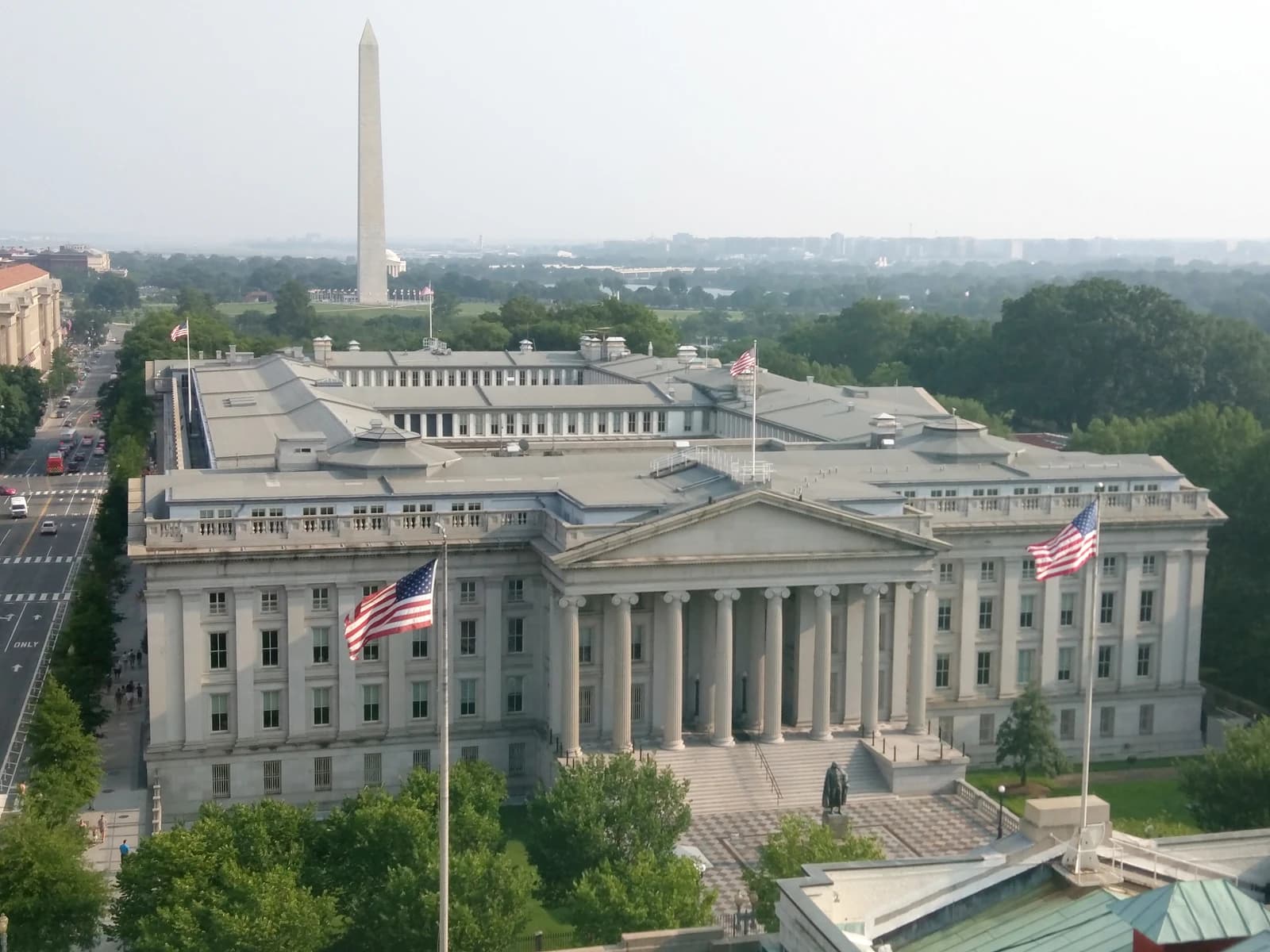
For long-term investors, that is the real prize. A steadier U.S.-China framework would not erase strategic rivalry, but it could reduce the policy premium embedded in everything from semiconductors to consumer brands and industrial exporters. If Washington and Beijing can turn summit theater into routine working-level coordination, multinational earnings become easier to forecast and capital spending becomes easier to justify.
Until then, investors should treat every summit as a headline catalyst, not a lasting investment thesis. The companies best positioned to benefit are those with diversified revenue streams, resilient supply chains and pricing power that can withstand another round of geopolitical noise. This is one to keep on the watchlist, not chase on optimism alone.
| Entity | Gains | Losses |
|---|---|---|
| U.S. multinationals in China | ▲More predictable rules | ▼Summit-only diplomacy |
| Chinese exporters/importers | ▲Fewer policy shocks | ▼Prolonged trade uncertainty |
| Semiconductor firms | ▲Clearer licensing access | ▼Export-control volatility |
| Investors in China ETFs | ▲Lower risk premium | ▼Choppy sentiment and flows |