China is doubling down on security ties with Tajikistan as Beijing grows more anxious that instability on its western frontier could spill into Xinjiang and threaten Chinese nationals, a reminder that geopolitics in Central Asia is becoming a more immediate risk for trade, investment and regional capital flows.
China Deepens Security Ties With Tajikistan
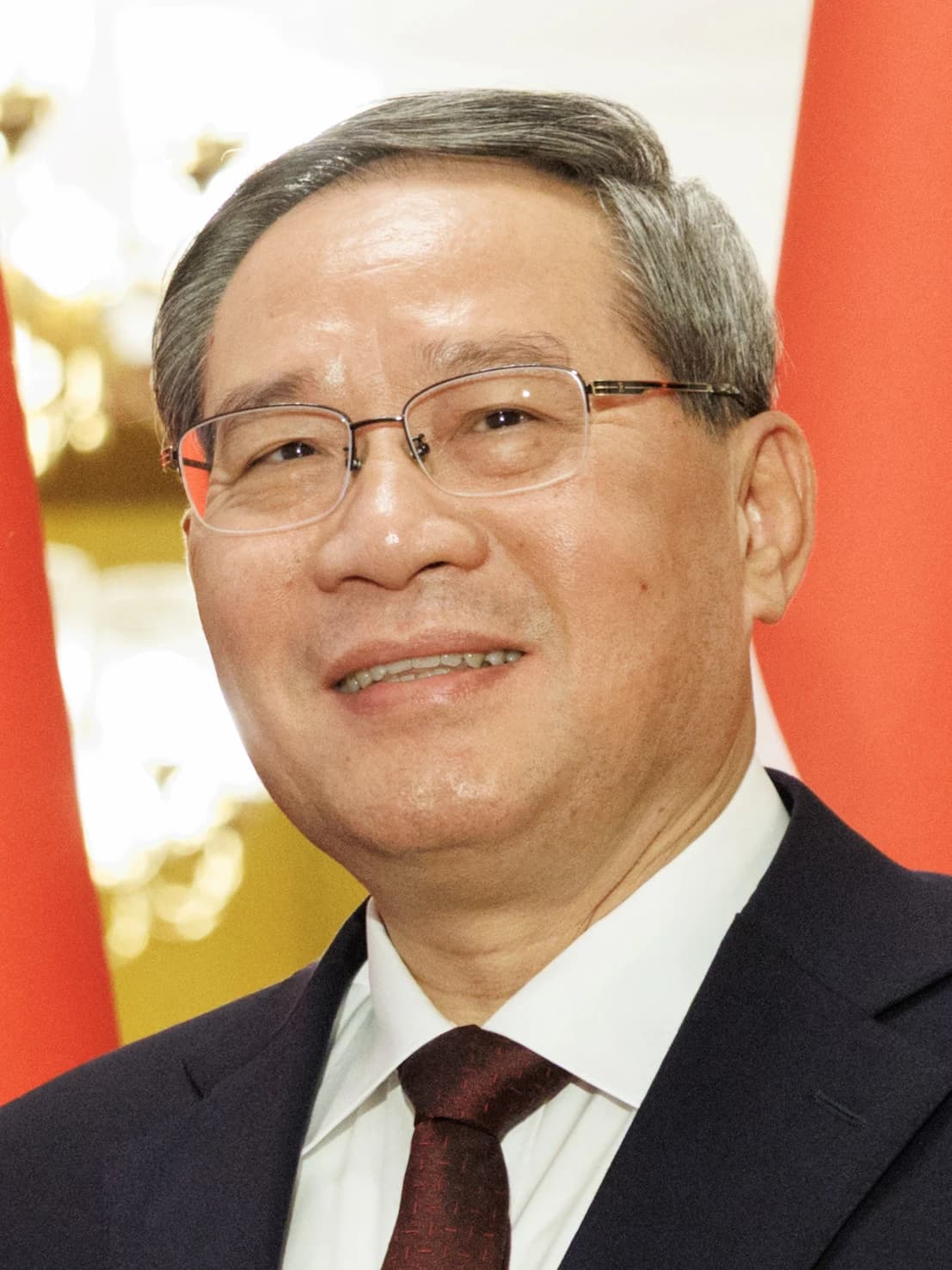
Premier Li Qiang’s call for deeper law enforcement and intelligence cooperation with Tajik President Emomali Rahmon is not just diplomatic boilerplate. It reflects Beijing’s judgment that the threat environment around Afghanistan and Central Asia is worsening enough to warrant stronger coordination on extremism, separatism and border security. For investors, that matters because China’s overseas footprint in the region is expanding into places where political fragility, militant activity and cross-border crime can quickly disrupt projects, supply routes and returns.
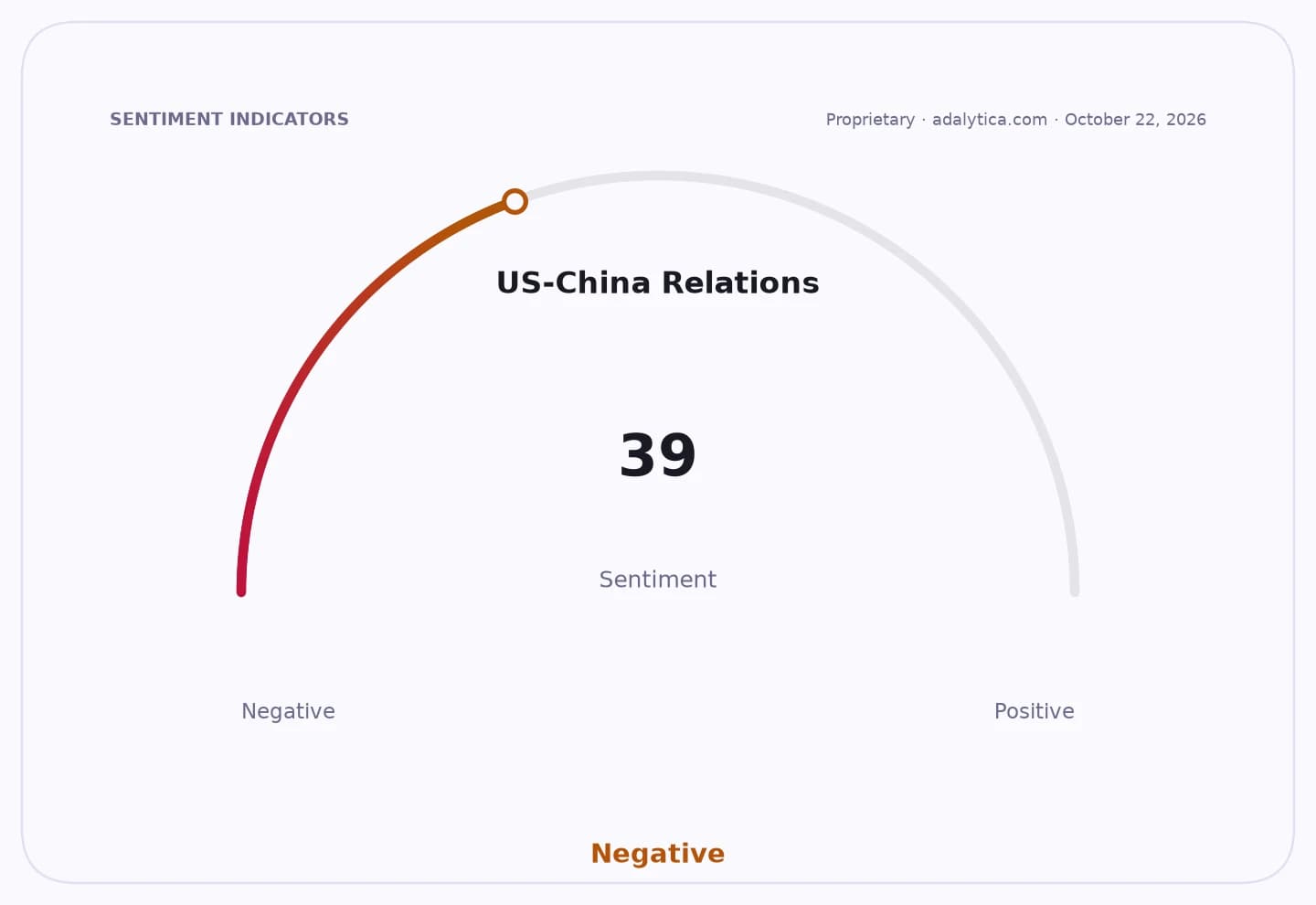
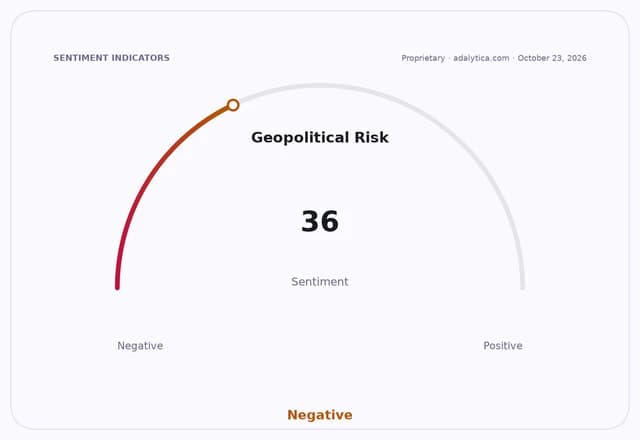
Sentiment IndicatorsⓘProprietary · adalytica.com · October 23, 2026
This is a snapshot — live sentiment, awareness and momentum for 130+ markets update continuously in the dashboard.Open AlphaPulse
The timing is also telling. Li was in Uzbekistan before Tajikistan, while U.S. Secretary of State Marco Rubio was traveling in the region as Washington and Beijing compete for influence across resource-rich Central Asia. That makes security cooperation part of a broader contest for access, leverage and strategic positioning. China is a major investor in Tajikistan and has a direct interest in preventing attacks like the one late last year that killed five Chinese nationals, which authorities said originated from neighboring Afghanistan.
Tajikistan itself is hardly a stable backdrop. The former Soviet republic of about 11 million people has long had tense relations with the Taliban, has warned about drug smugglers and illicit gold miners on the frontier, and remains closely aligned with Russia, which keeps a military base there. That mix makes the country a key pressure point for Beijing: if security deteriorates, Chinese companies face higher operational risk; if Beijing deepens its role, it gains a stronger hand in a region where the strategic map is still being redrawn.
The market takeaway is less about a near-term trade shock than about a growing geopolitical risk premium around Central Asia. Beijing is signaling it will spend political capital to harden its western perimeter, and that should support security technology, border monitoring, infrastructure protection and contractors tied to regional defense and intelligence networks. At the same time, it underscores the vulnerability of Chinese overseas assets in frontier markets where instability can turn quickly into capital destruction.
I believe investors should treat this as another sign that the next wave of China-linked opportunity in Central Asia will be concentrated in the picks-and-shovels of security, surveillance and infrastructure protection rather than broad-based frontier growth. The deeper the instability, the more Beijing will prioritize control, and the more valuable firms with exposure to security systems, border management and resilient logistics become.
| Entity | Gains | Losses |
|---|---|---|
| China security contractors | ▲Higher demand for surveillance and border systems | ▼ |
| Tajik government | ▲More Chinese support and intelligence sharing | ▼Greater dependence on Beijing |
| Chinese investors in Central Asia | ▲Better protection for assets and staff | ▼Higher geopolitical risk premium |
| Militants / smugglers | ▲ | ▼Tighter security and law enforcement pressure |