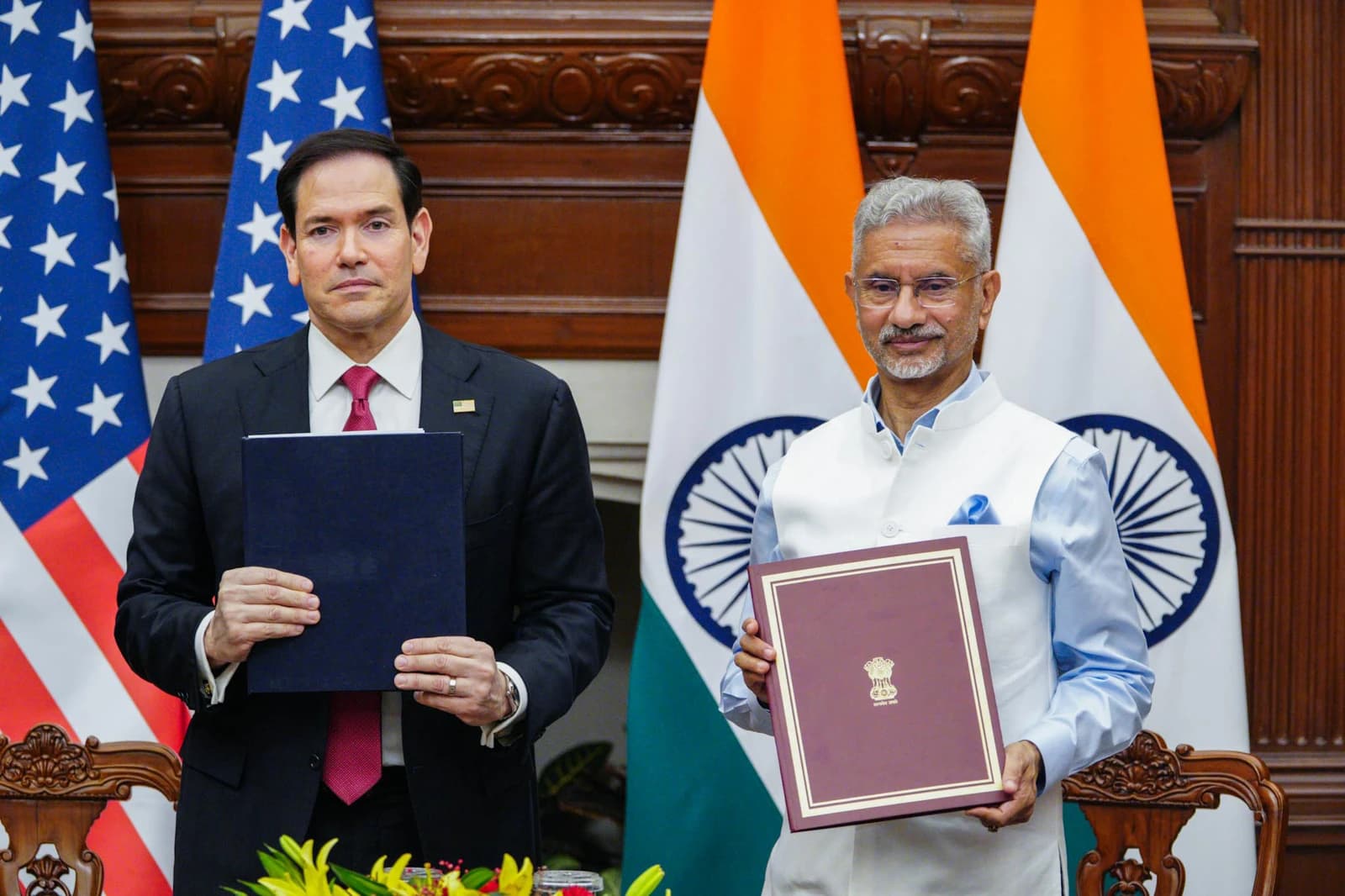
India and Russia are moving to tighten intelligence cooperation on terrorism and regional security, a sign that New Delhi is seeking deeper coordination with Moscow as instability in Afghanistan and Pakistan keeps South Asia on edge.
India and Russia tighten counterterror cooperation
The push matters because counterterrorism and border security have become central to India’s broader foreign-policy calculus, particularly as militant networks, refugee flows and the spillover from Afghanistan continue to complicate the region’s security picture. For Moscow, the alignment offers leverage in a part of Asia where it still has intelligence reach and strategic interests even as its ties with the West remain severely strained.
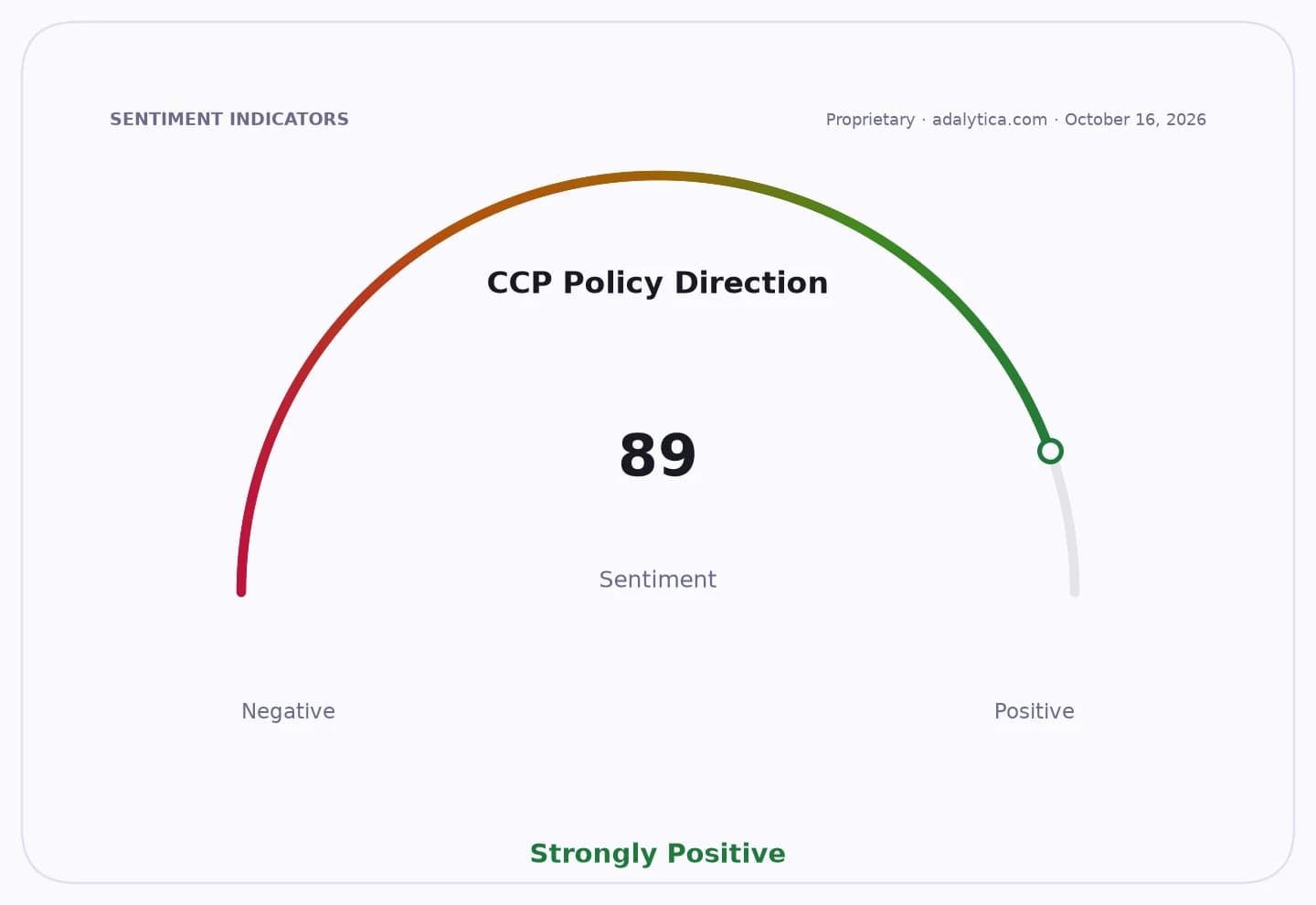
Sentiment IndicatorsⓘProprietary · adalytica.com · October 18, 2026
This is a snapshot — live sentiment, awareness and momentum for 130+ markets update continuously in the dashboard.Open AlphaPulse
The focus on Afghanistan and Pakistan underscores how security concerns are increasingly overlapping with geopolitics. India has long viewed developments in Afghanistan through the lens of cross-border militancy and the possibility of extremist sanctuaries, while Pakistan remains a core variable in any discussion of terrorism in the region. A closer India-Russia channel could give both sides more room to share threat assessments, track transnational groups and coordinate responses to events that could destabilize wider South Asia.
For investors, the significance is less about immediate market impact than about the longer arc of regional risk. Persistent security tensions in South Asia can affect trade routes, energy corridors, insurance costs and capital allocation, while also reinforcing demand for surveillance, intelligence and defense capabilities. Companies with exposure to homeland security, cyber, sensors and military systems can benefit if governments respond with higher spending and tighter cooperation.
That backdrop also fits a broader global pattern in which states are leaning harder on intelligence-sharing and technology-led security cooperation. The Reuters/Bloomberg-style read-through is that security partnerships are becoming more transactional and more regional, rather than anchored solely in traditional alliances. India’s willingness to work with Russia on terrorism illustrates that approach: it is trying to keep channels open with major powers while protecting its own strategic autonomy.
The market relevance shows up indirectly in defense names, where geopolitical risk tends to support long-cycle demand even when near-term budgets wobble. Northrop Grumman and RTX have both highlighted global instability in recent filings, and Boeing’s defense business remains tied to the same environment of elevated security demand. Technical indicators for these stocks show they have been volatile, but the strategic backdrop continues to favor suppliers with intelligence, surveillance and defense electronics exposure.
For now, the key question is whether the cooperation translates into concrete intelligence mechanisms or remains largely declaratory. If it deepens, it could modestly strengthen regional security coordination and reinforce defense spending themes. If tensions in Afghanistan or Pakistan worsen, the bilateral channel may become more important — and more politically sensitive — for both sides.
| Entity | Gains | Losses |
|---|---|---|
| India | ▲Counterterror intelligence support | ▼Security burden if instability spreads |
| Russia | ▲Strategic relevance in South Asia | ▼Less room for neutrality with the West |
| Defense contractors | ▲Higher demand for surveillance and systems | ▼None immediate, but policy delays remain a risk |
| Terror networks | ▲None | ▼Tighter monitoring and coordination |