India has escalated a long-running border dispute with China by formally adding 28 strategic locations in Ladakh to its official maps, a move that sharpens New Delhi’s territorial claim even as it risks keeping the Himalayan frontier politically tense.
India Adds 28 Ladakh Locations to Official Maps
The mapping decision matters economically and strategically because Ladakh sits on one of Asia’s most sensitive military flashpoints, where any deterioration in ties between India and China can weigh on cross-border trade, investor risk appetite and broader regional stability. For markets, the immediate issue is not direct revenue but the premium geopolitics can add to Indian assets if tensions intensify, especially as global investors remain sensitive to friction between the world’s two most populous nations.
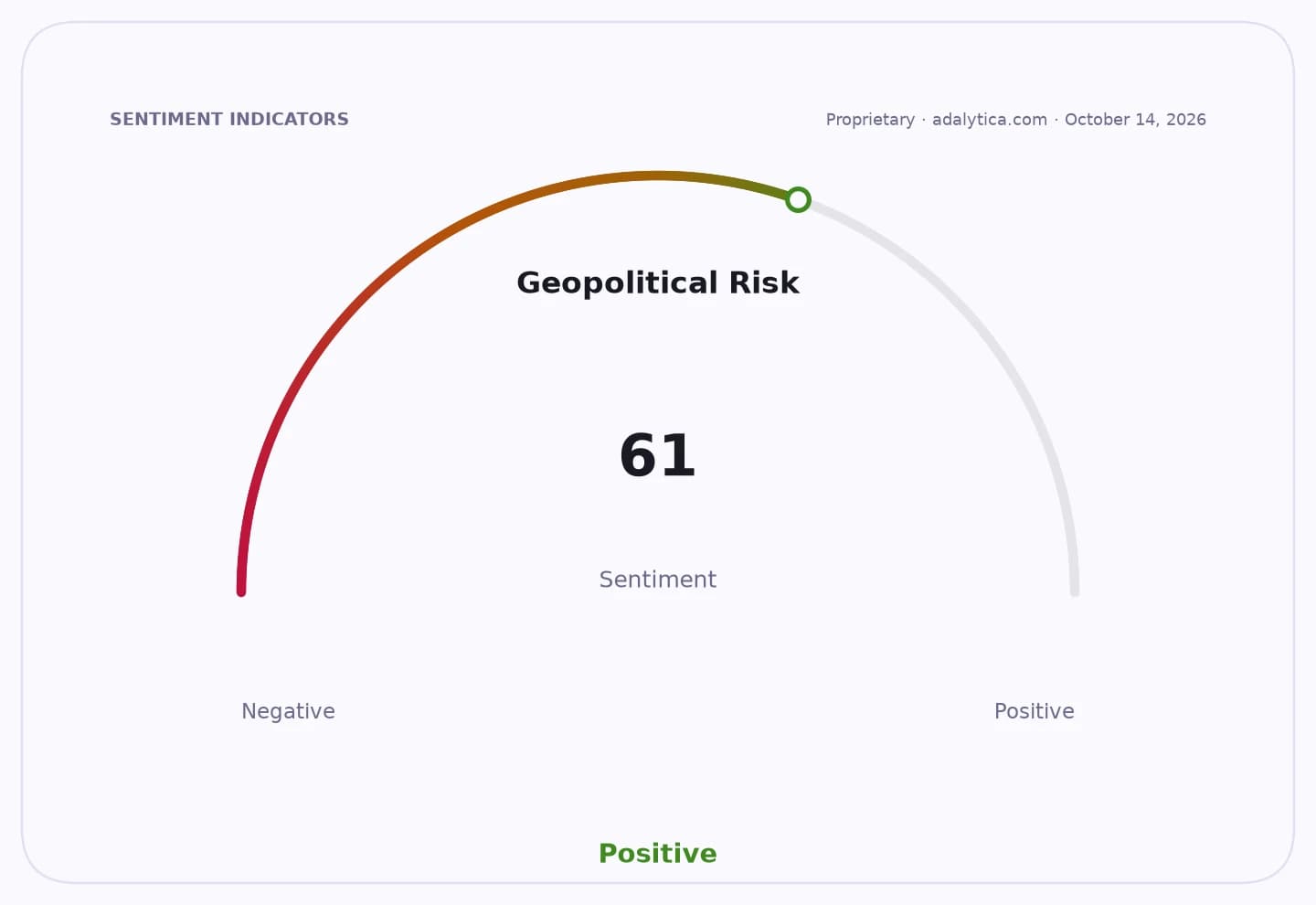
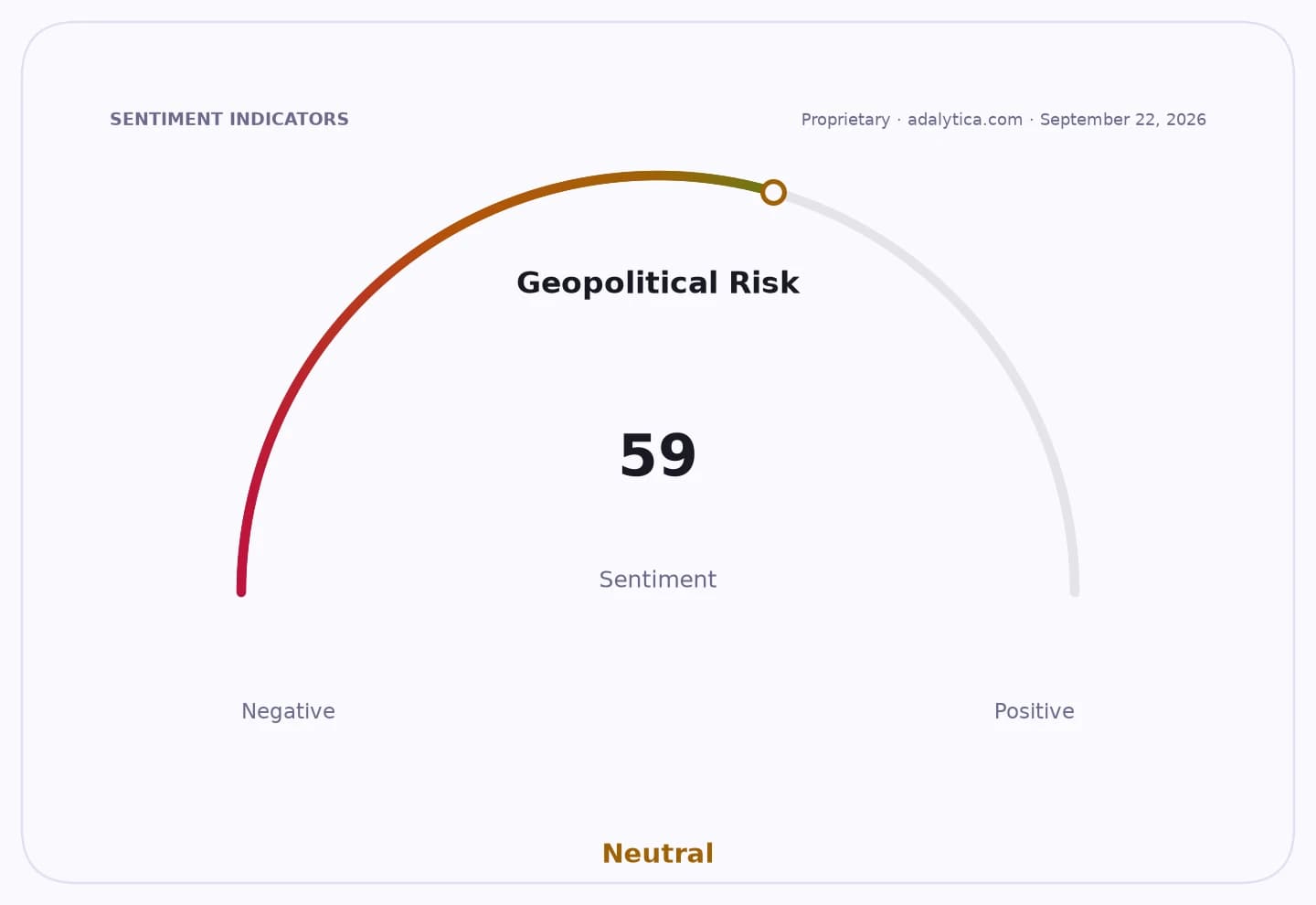
Sentiment IndicatorsⓘProprietary · adalytica.com · October 15, 2026
This is a snapshot — live sentiment, awareness and momentum for 130+ markets update continuously in the dashboard.Open AlphaPulse
India said the names were standardized after consultation with the Ladakh administration to improve official cartography and public awareness, but the political message was unambiguous: the territory is “an integral part” of India. The government’s move covers peaks, glaciers, valleys, passes and settlements, including Gogra and Hot Springs, both of which gained strategic prominence during the 2020 standoff along the Line of Actual Control. Those sites matter because they are tied to patrol routes and military positioning in a region where map-making is inseparable from claims of sovereignty.
Beijing predictably rejected the move, calling India’s use of the “Ladakh union territory” illegal and the standardized names invalid. That response shows how symbolic acts on either side can still reverberate well beyond cartography. In practice, the naming exercise does little to change conditions on the ground, but it does reinforce India’s administrative control narrative and complicate any attempt to quietly de-escalate the dispute without either side appearing to уступить.
For investors, the key question is whether this turns into a wider diplomatic chill that affects the policy environment. India remains a favored destination for capital seeking alternatives to China, but recurring border flare-ups can unsettle those flows if they feed concerns about military spending, supply-chain resilience or the durability of regional détente. China, for its part, has little incentive to let the issue fade if it believes silence would normalize India’s claim.
The episode fits a broader pattern of hardened positions along the India-China frontier: each side uses administrative and symbolic tools to entrench its version of events while avoiding immediate kinetic escalation. That leaves the dispute unresolved but contained for now, though any future confrontation at Ladakh would likely have outsized implications for regional markets, defense outlays and investor perceptions of stability across Asia.
| Entity | Gains | Losses |
|---|---|---|
| India | ▲Reinforced territorial claim | ▼Higher diplomatic friction |
| China | ▲Domestic nationalist posture | ▼Erosion of claim narrative |
| Indian defense sector | ▲Strategic relevance | ▼Persistent border risk |
| Investors in India | ▲Clearer state control narrative | ▼Geopolitical risk premium |