Oil prices surge to their highest level since the Strait of Hormuz was paralyzed in May as traders price in the risk of a wider Middle East conflict that could hit crude flows, shipping and fuel supplies. Brent briefly topped $115 a barrel and U.S. crude climbed above $101, a move that ripples through inflation expectations, airline and transport costs, and the cash flows of energy producers.
Oil prices jump on Middle East conflict risk
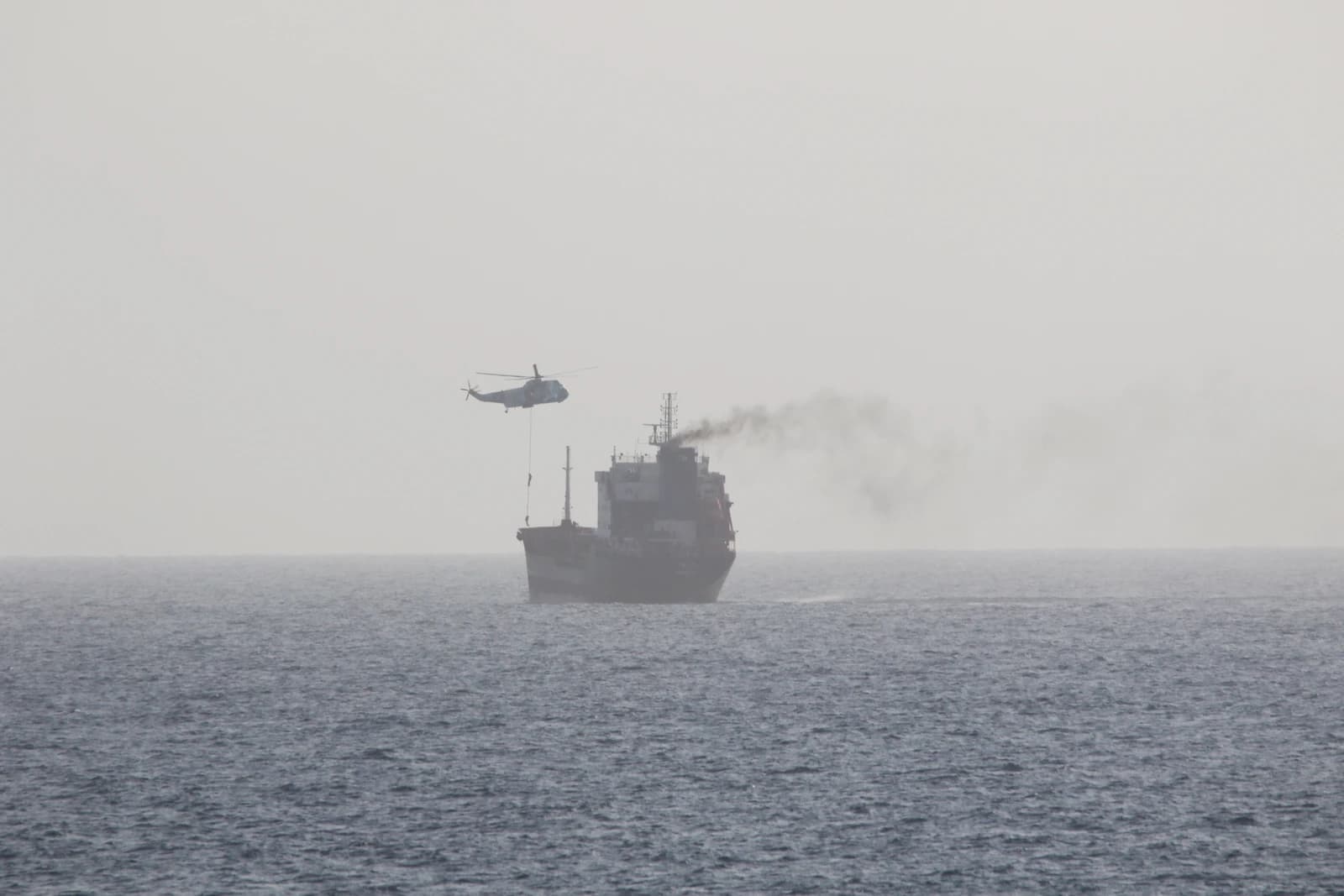
The rally is being driven by a new geopolitical premium rather than a demand story. Traders are reacting to repeated Houthi attacks on Saudi infrastructure, rising concern over possible U.S.-Iran escalation, and reports that Washington is reinforcing its military presence in the region.
Sentiment Indicators
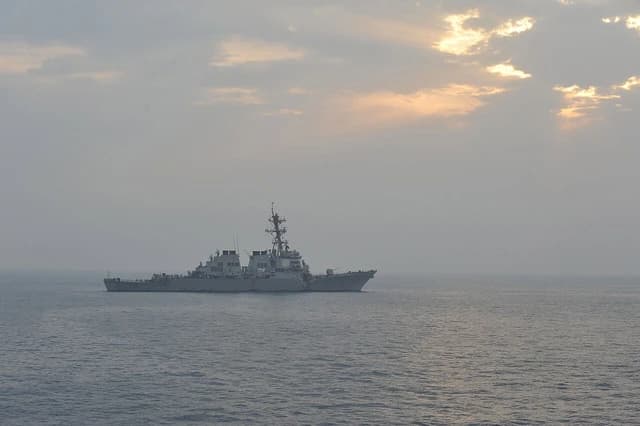
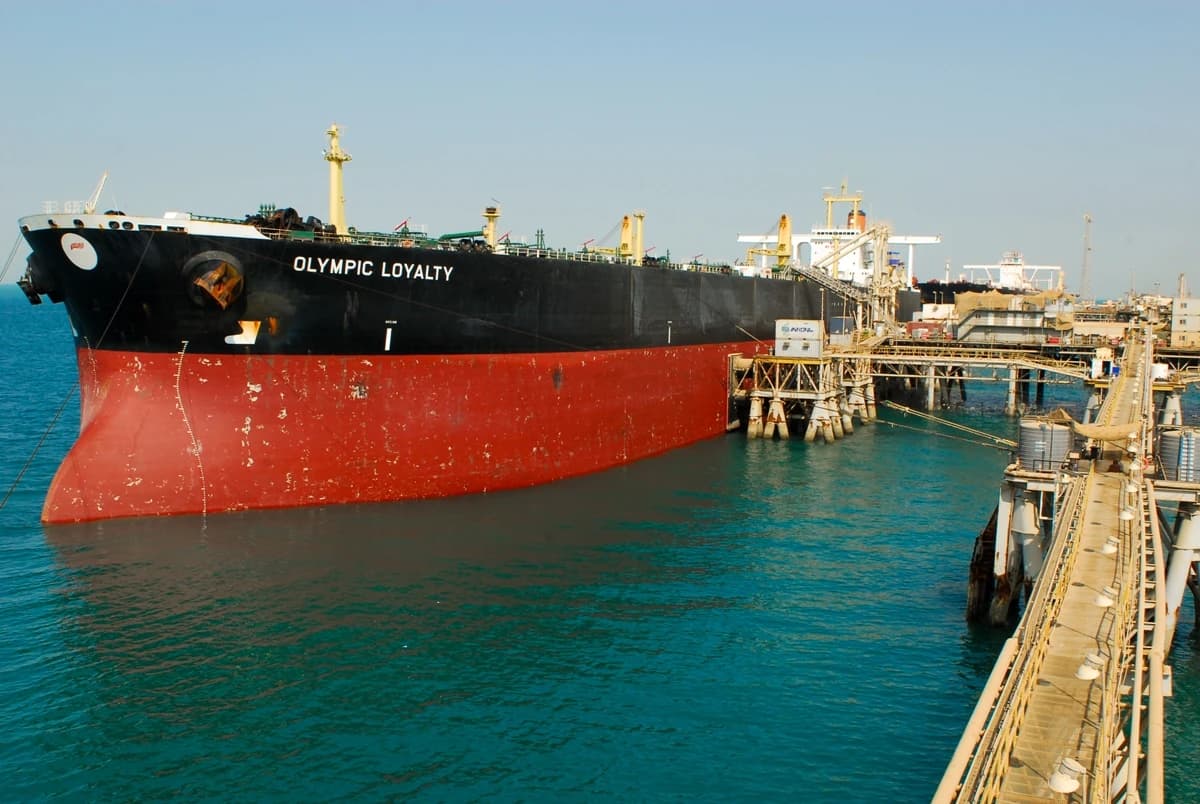
That combination matters because the market is no longer focused only on how much oil is being produced, but on how safely it can move. Transport costs for crude from the Gulf to China have jumped to near-record levels, equal to about 25% of the value of a barrel versus roughly 5% in normal times, according to Kpler, a burden that can add about $75 million in freight costs to a two-million-barrel cargo.
The strain is also showing up in refined fuels and gas. Europe’s TTF benchmark has risen to its highest since 2022 as weak LNG deliveries from the Gulf, a recent attack on a tanker off Yemen and low storage levels tighten the market, while damage to Middle East refineries is limiting gasoline and diesel output. Kpler says a return to prewar refining capacity may not come until the second quarter of 2027.
Oil WTI
For investors, the immediate winners are oil producers and tanker owners, while refiners, airlines, shippers and consumer-facing companies face higher input costs and margin pressure. In U.S. markets, the move also reinforces the inflation risk that keeps pressure on bond yields and central banks, with the 10-year Treasury yield hovering around 5%.
Oil-linked equities and energy ETFs have already been trading with elevated momentum, while conventional technical indicators on USO show the fund well above its 50-day and 200-day moving averages and deep in overbought territory on RSI readings. The next catalyst is whether the conflict widens further or whether diplomatic efforts and any supply response from the region cool the risk premium.
| Entity | Gains | Losses |
|---|---|---|
| Oil producers | ▲Higher crude realizations | ▼Refiners’ margins from feedstock costs |
| Tanker owners | ▲Elevated freight rates | ▼Oil buyers paying near-record shipping costs |
| Airlines and transport firms | ▲None | ▼Higher fuel and logistics bills |
| Bond markets / rate-sensitive assets | ▲None | ▼Higher inflation and yield pressure |