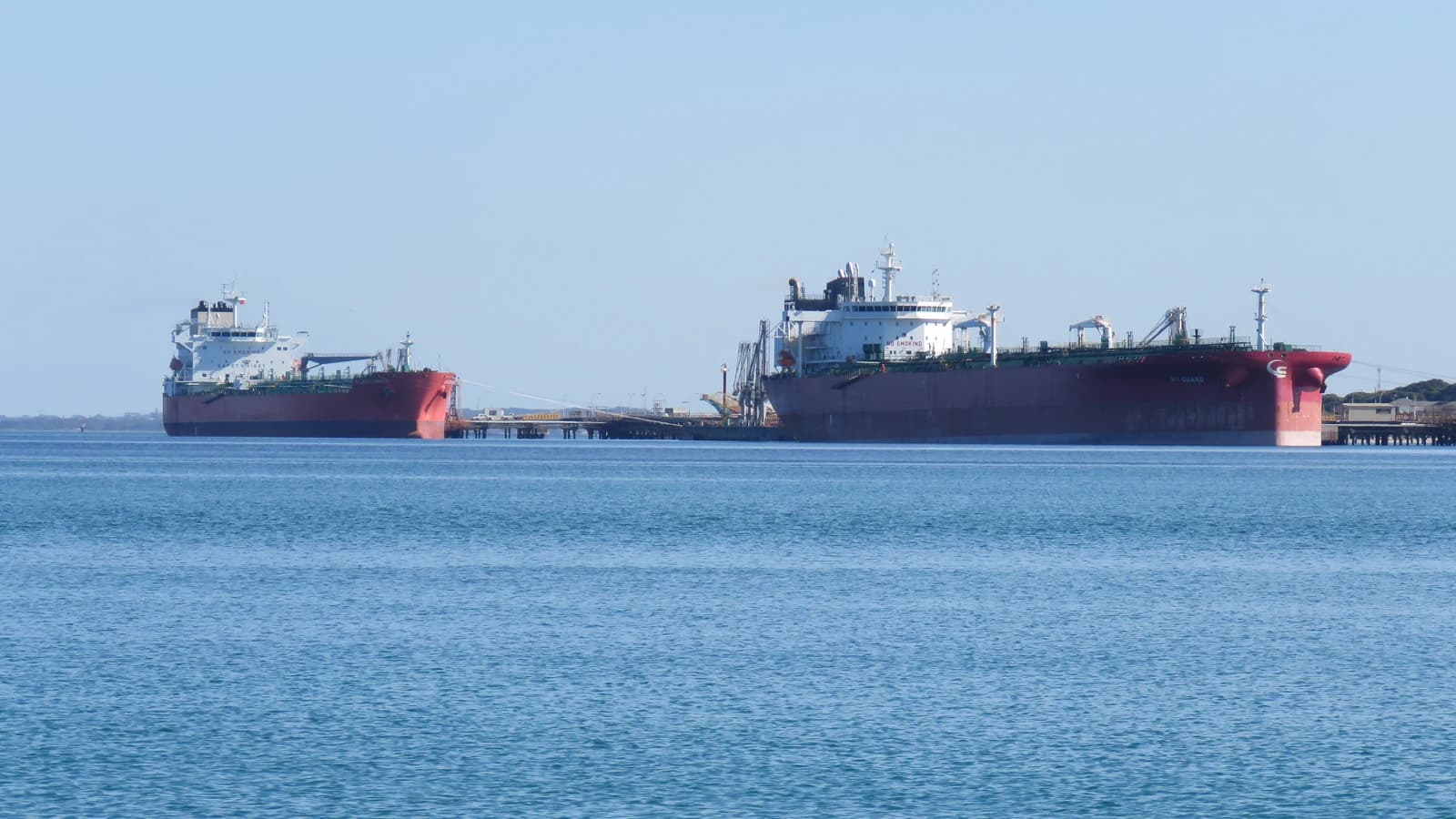
Middle Eastern crude exports have climbed back to roughly prewar levels, yet Brent is still trading near $111 a barrel — a sharp reminder that oil prices are being driven less by raw supply alone than by the fragility of the routes that move it.
Middle East Oil Exports Recover, Brent Stays Near $111
That matters because energy markets price risk, not just volume. When traders see tankers diverting around chokepoints such as the Strait of Hormuz and ships relying more heavily on transshipment and Red Sea ports, they build in a geopolitical premium. Even if barrels are moving again, the system is still one attack, one pipeline outage or one shipping delay away from tighter supplies and higher prices.
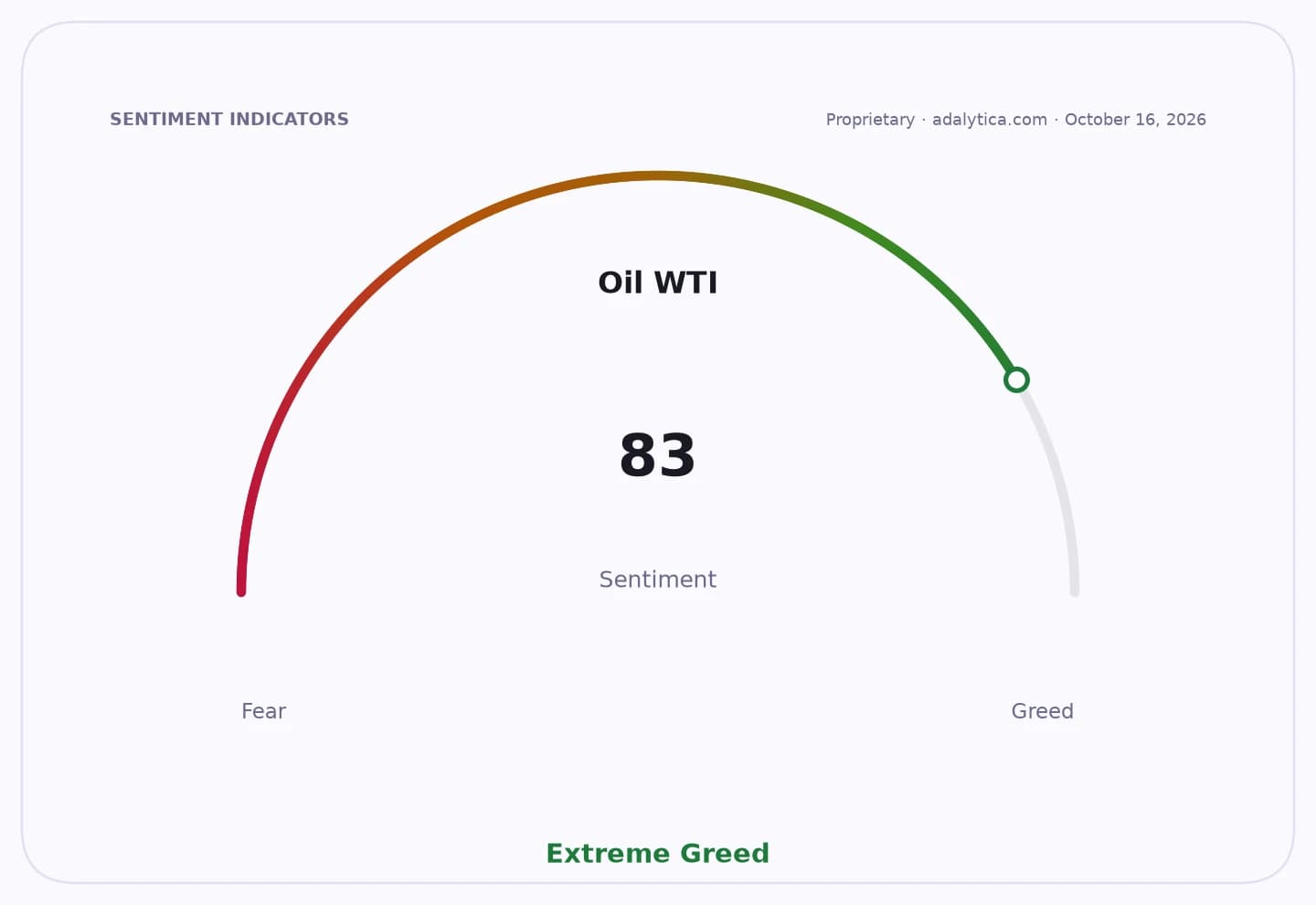
Sentiment IndicatorsⓘProprietary · adalytica.com · October 27, 2026
This is a snapshot — live sentiment, awareness and momentum for 130+ markets update continuously in the dashboard.Open AlphaPulse
The latest data show exports from Gulf producers excluding Iran averaged 24.6 million barrels a day last week, above the 23.3 million barrels a day seen before the war, according to Kpler figures cited by the Financial Times. Over seven days, shipments reached their highest level since mid-February, just before US and Israeli strikes on Iran ignited the conflict. But the recovery is uneven: flows through the Strait of Hormuz remain more than a third below prewar levels, underscoring how much rerouting is still going on behind the headline recovery.
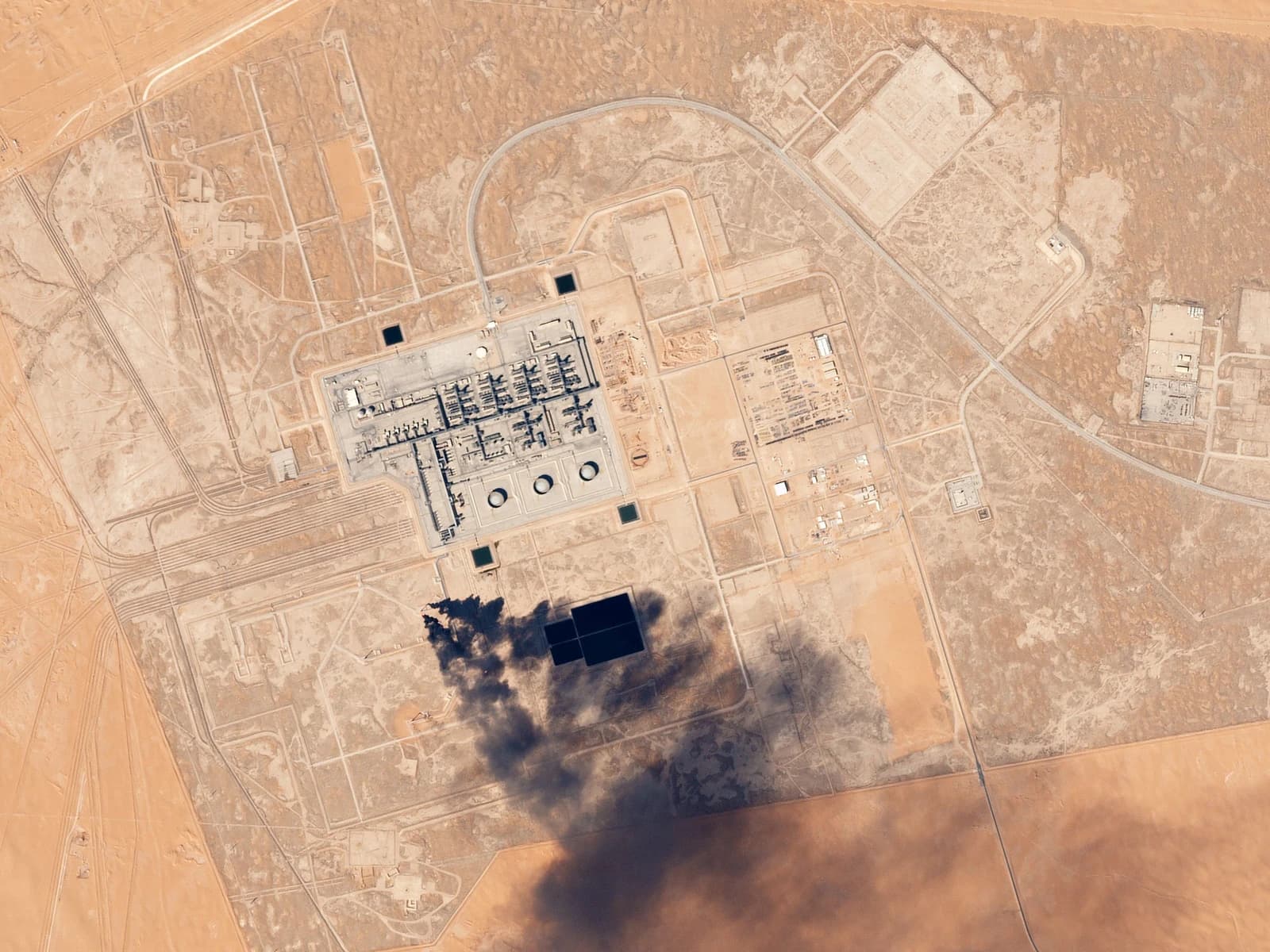
Saudi Arabia has been a big part of that adjustment. Riyadh has pushed more crude through its Red Sea port of Yanbu to bypass Gulf shipping risks, but that route has been intermittently disrupted by attacks on the pipeline feeding the port and nearby vessels. Saudi Aramco has since repaired the pipeline, allowing volumes to recover, but the episode shows how quickly supply chains can be jolted even when overall export totals look healthy.

For investors, the message is straightforward: this is not a clean return to normal. Oil producers may be able to keep barrels flowing, but the market is paying for resilience, redundancy and security. That helps explain why oil-related assets have stayed firm even as export data improved, and why energy inflation risk remains alive for consumers, airlines, refiners and broader markets.
The bigger takeaway is that the Middle East has restored volume, not certainty. As long as shipping lanes remain exposed and alternative routes are doing more of the work, Brent can stay elevated even when export figures look reassuring. For long-term investors, that argues for keeping energy exposure on the watchlist — and for remembering that in oil, the most important price driver is often not production, but passage.
| Entity | Gains | Losses |
|---|---|---|
| Middle East producers | ▲Higher export volumes | ▼Security costs and routing risk |
| Oil traders and producers | ▲Geopolitical risk premium | ▼Reliable pricing stability |
| Consumers and fuel users | ▲Some supply availability | ▼Higher pump and input costs |
| Shipping routes via Hormuz | ▲Partial recovery in traffic | ▼Continued vulnerability to disruption |