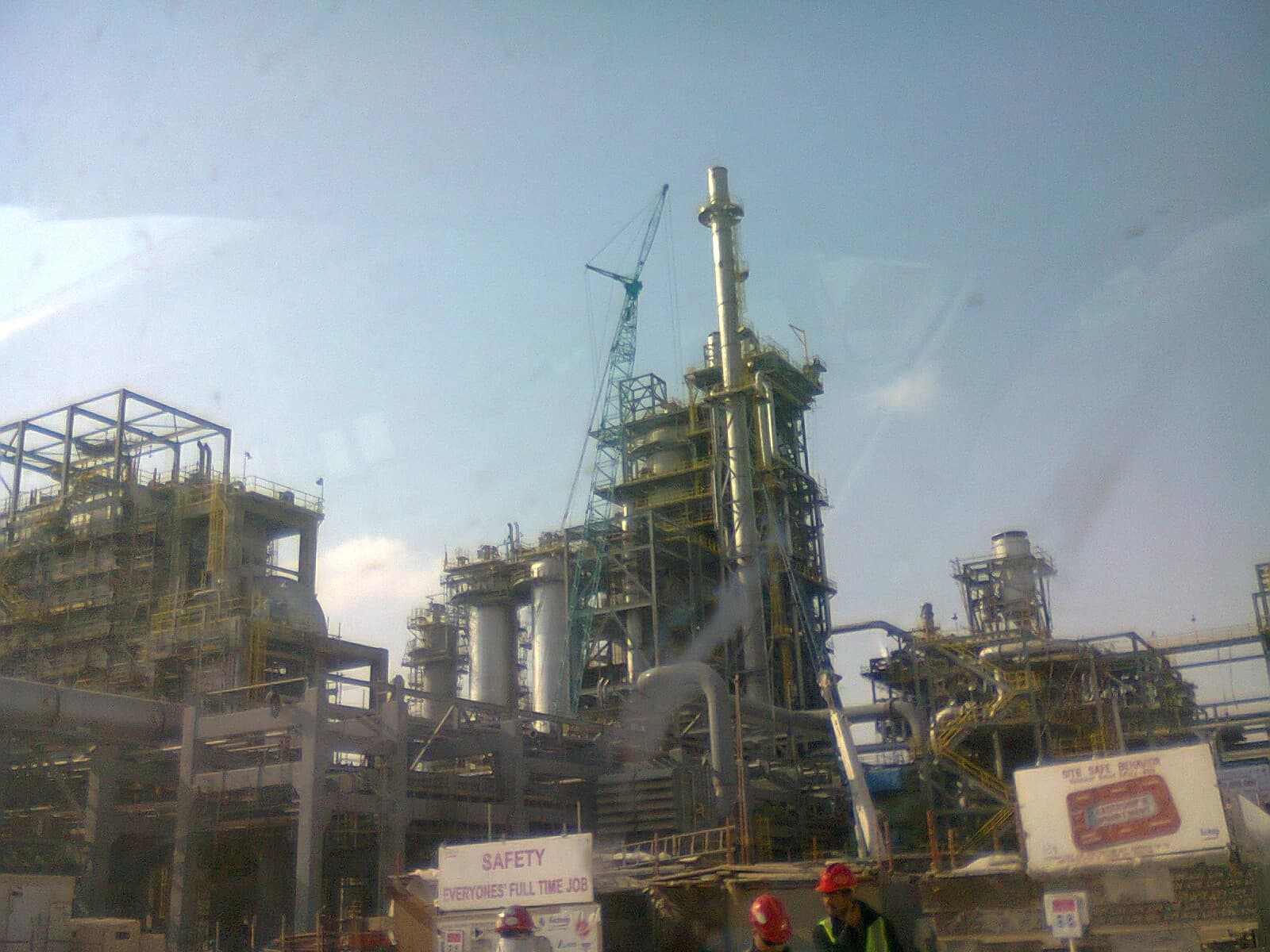
Saudi Aramco has begun expanding its East-West pipeline system to raise crude transport capacity to 10 million barrels a day from 7 million, a move that underscores how Middle East supply risks are reshaping oil infrastructure spending and the routes available to global refiners.
Saudi Aramco expands East-West pipeline capacity
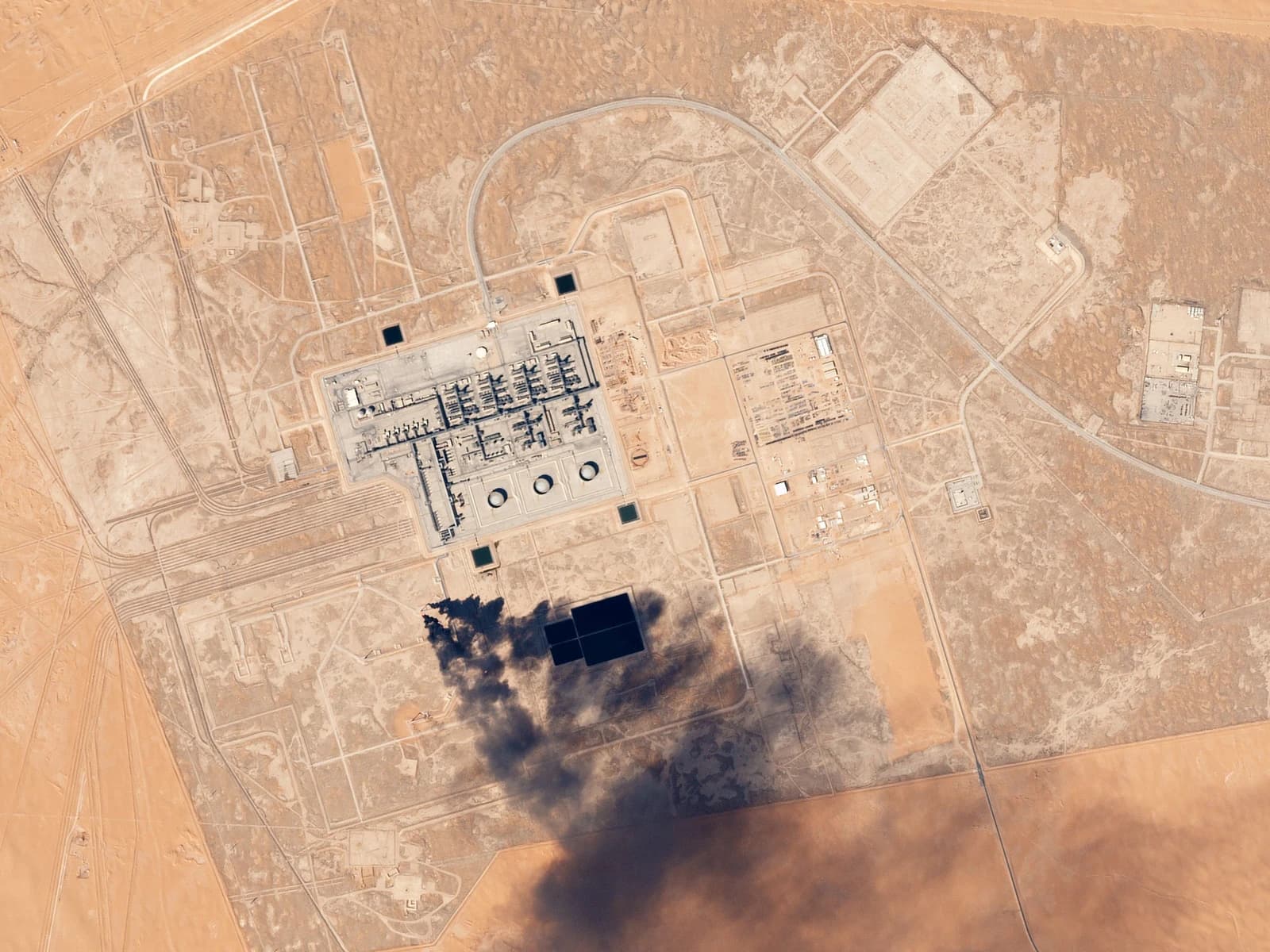
The project matters because it gives the world’s largest oil exporter more flexibility to move barrels away from the Strait of Hormuz and toward the Red Sea, reducing the chance that a regional disruption or attack on energy facilities chokes off flows. Aramco said the expansion is being accompanied by engineering work on alternative export paths, while Chief Executive Amin Nasser said the company can handle 10 major disruptions at its facilities at the same time.
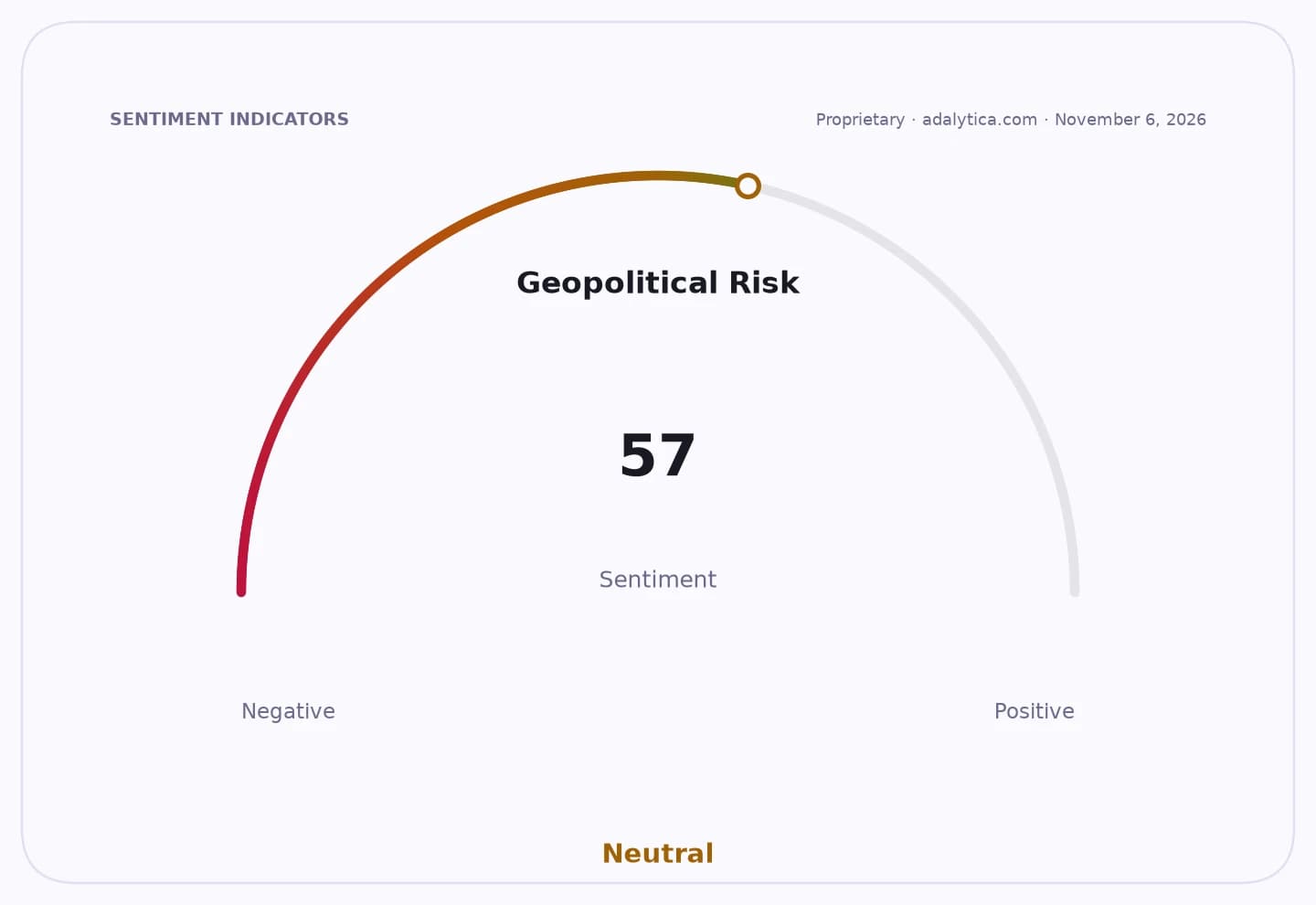
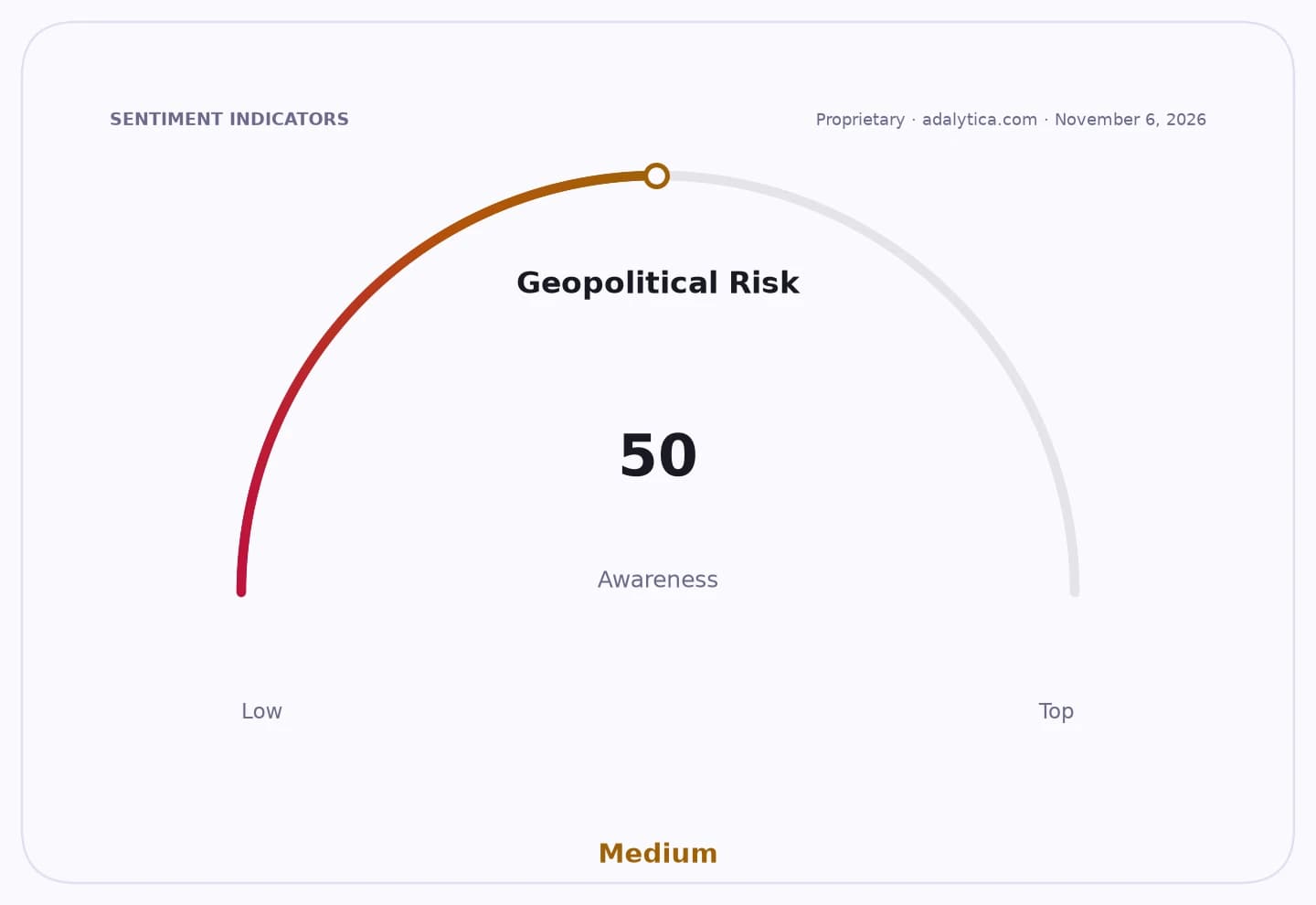
Sentiment Indicators
For investors, the message is that Aramco is turning geopolitical risk into capital investment, reinforcing the company’s ability to defend export reliability and dividend capacity even as tensions weigh on the energy market. The stock’s focus remains on cash generation, and Aramco’s latest quarter showed the scale of that engine: net income rose 34.5% year on year to 136 billion riyals, free cash flow climbed to 105.8 billion riyals and the company raised its base dividend to 82.1 billion riyals.
The expansion also fits a broader push to widen Saudi Arabia’s export optionality through the Arabian Gulf, the Red Sea and routes tied to the Sumed pipeline and the Suez Canal. That matters for shipping, insurance and benchmark pricing because every additional outlet gives Aramco leverage in a market that is still sensitive to outages, attacks and chokepoint risk.
Aramco also said it has started production from the Zuluf crude expansion project and is pressing ahead with major gas investments, including phase two of Jafurah, the Fadhili gas plant expansion and development of the Dammam field. The company is signaling that it is spending not just to add barrels, but to harden its system for a more volatile energy era.
| Entity | Gains | Losses |
|---|---|---|
| Aramco | ▲Export flexibility | ▼Capital spending burden |
| Saudi Arabia | ▲Energy security | ▼Higher project costs |
| Global refiners | ▲More reliable supply | ▼Less spare-route risk premium |
| Oil bears/shorts | ▲None | ▼Tighter supply risk backdrop |