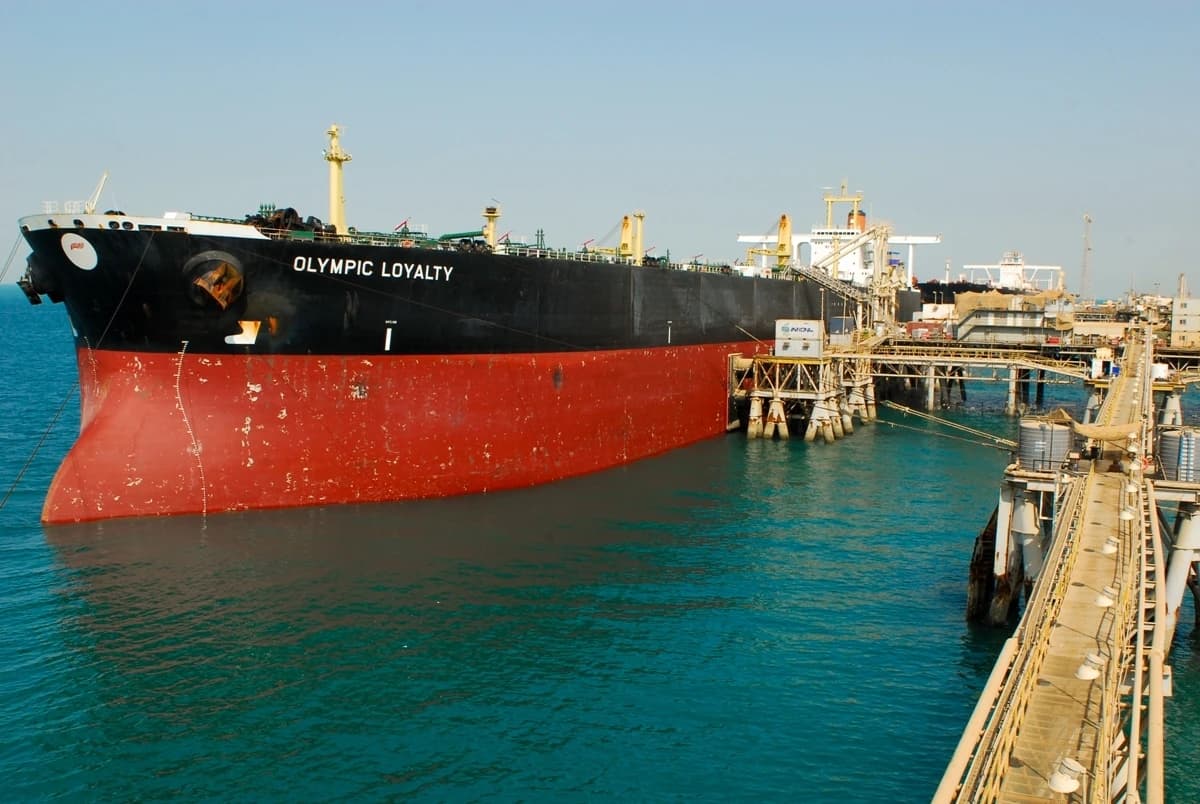
Saudi Aramco’s third-quarter profit surged 34.6%, a reminder that the world’s largest oil exporter can still generate huge cash even when its infrastructure is under pressure. For investors, the bigger story is not just the earnings beat, but the durability of Aramco’s business model in a volatile oil market and a geopolitically fraught region.
Saudi Aramco profit rises 34.6% in Q3
That matters because Aramco remains one of the most important cash engines in global energy. When profits jump this sharply, it strengthens the company’s ability to fund dividends, capital spending and the Saudi state’s wider economic agenda. It also reinforces the idea that oil prices, not just production volumes, continue to set the tone for the energy sector’s earnings power.
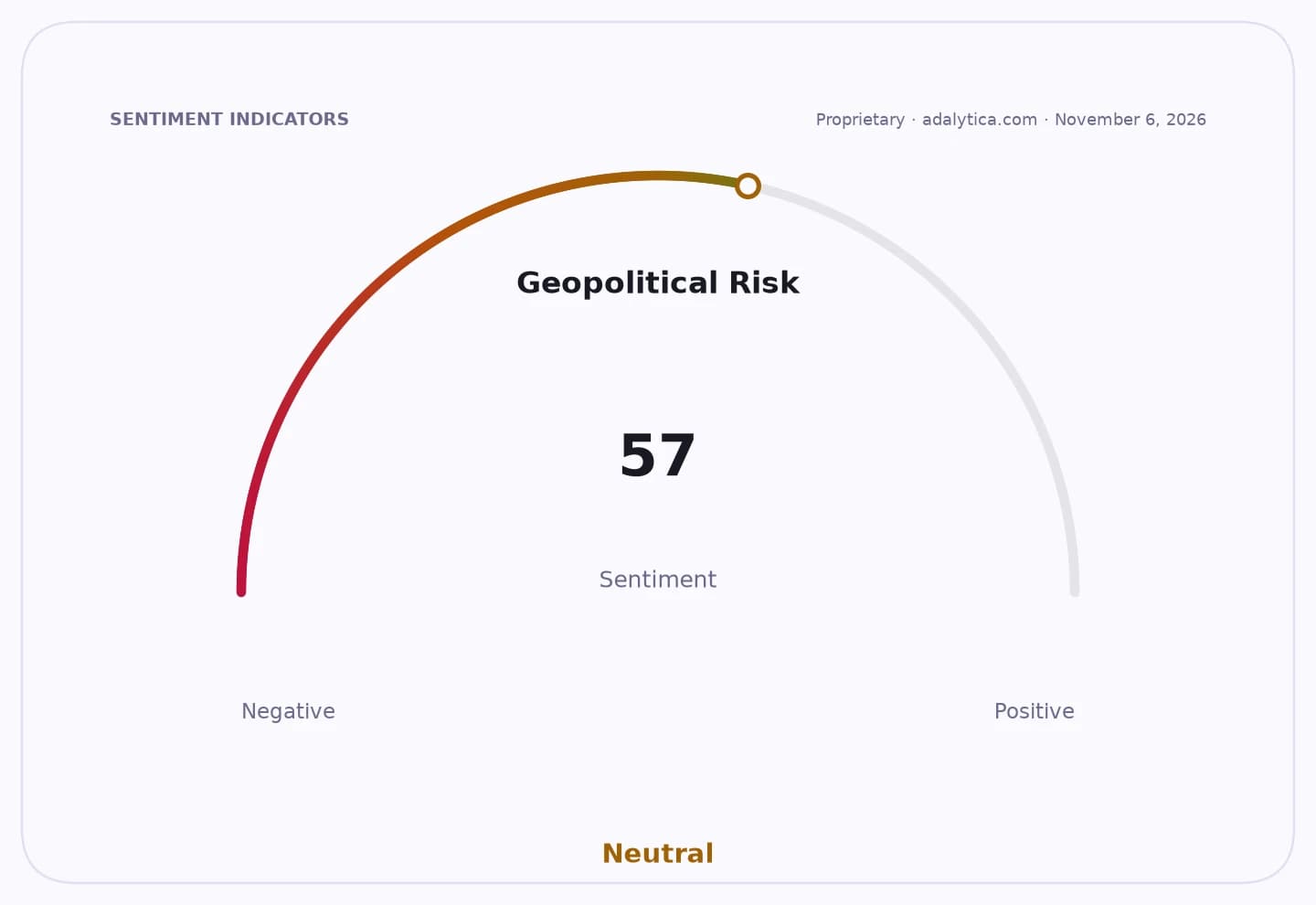
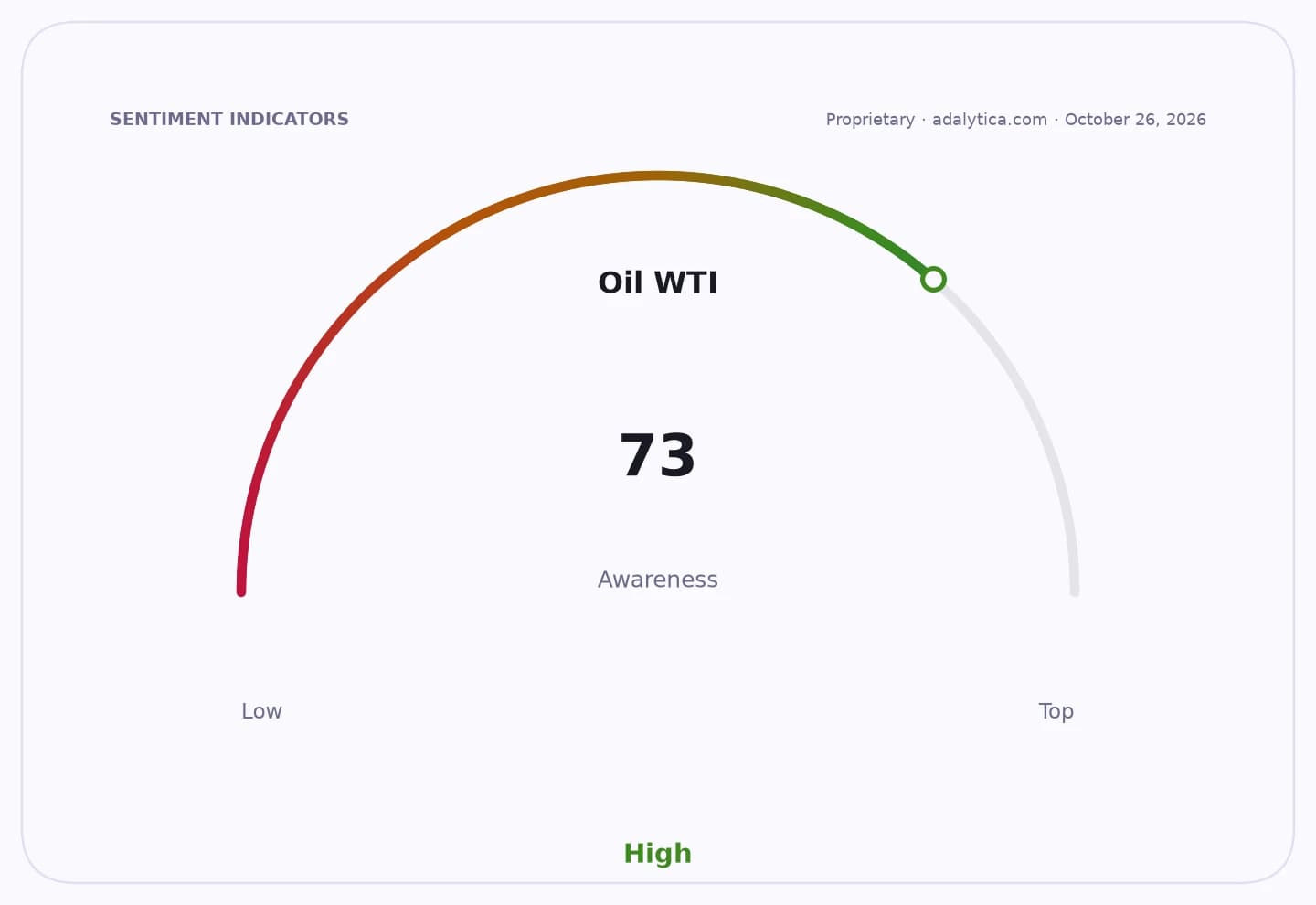
Sentiment Indicators
The backdrop has been supportive. WTI crude has been trading around the low- to mid-$90s a barrel in recent sessions, well above levels that typically make upstream producers comfortable and above the company’s breakeven economics. Even after some recent pullback, the oil market remains tight enough to keep cash flows healthy for the integrated majors and national oil companies that dominate supply.
For shareholders, that translates into a familiar but powerful proposition: Aramco offers scale, reserves and dividend capacity that few peers can match. The stock has also been firm, with shares in the Saudi listing recently hovering around the mid-26-riyal range, above both the 50-day and 200-day moving averages, a sign that investors are still treating the name as a core energy holding rather than a short-term trade.
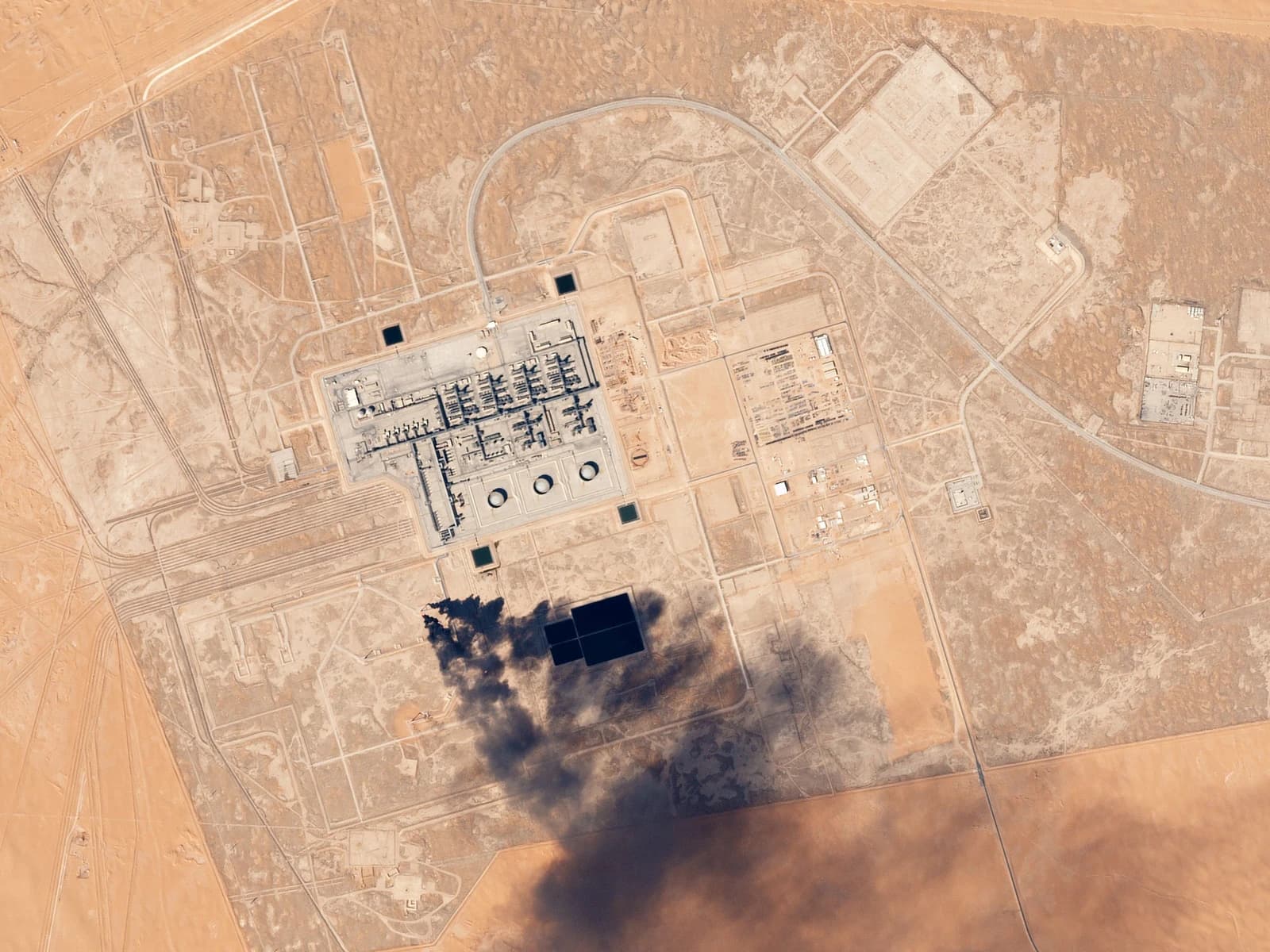
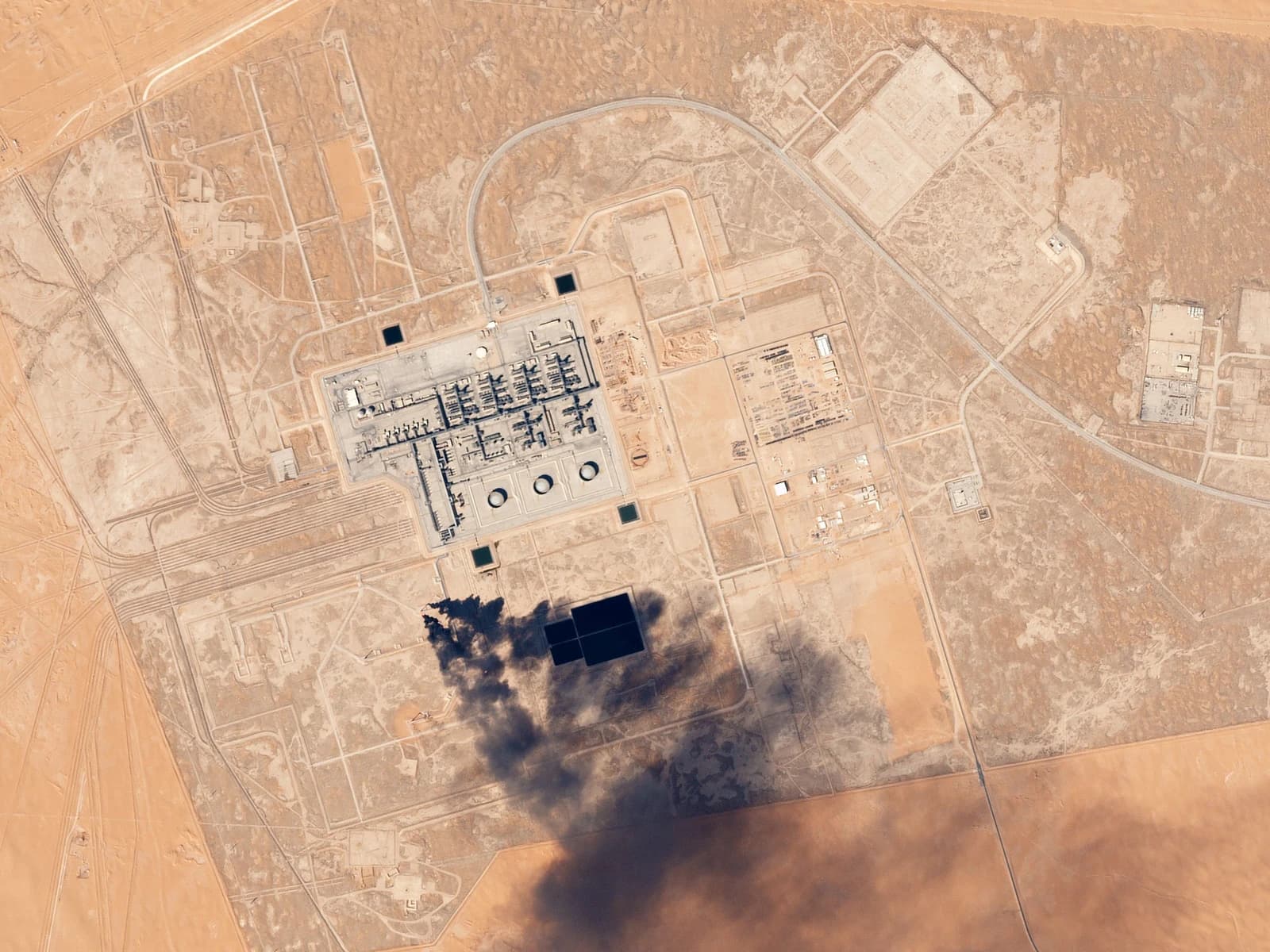
The attacks matter, too, because they highlight the geopolitical risk premium embedded in Middle East energy assets. Even when production is not meaningfully disrupted, the possibility of outages can move crude prices, lift sector sentiment and keep investors focused on supply security. That helps producers, but it also keeps the market uneasy about how quickly conditions could change.
For long-term investors, Aramco’s latest quarter is another case study in why energy can still be a useful portfolio diversifier. The company is not a secular growth story like cloud or AI, but it is a cash-generating asset tied to a commodity the global economy still cannot live without. If oil stays firm, the payoff can be substantial.
The key question now is whether this kind of profitability can persist if crude prices soften or geopolitical tensions ease. For now, Aramco looks resilient, and income-focused investors may want to keep it on the watchlist as a high-cash-flow anchor in the energy space.
| Entity | Gains | Losses |
|---|---|---|
| Aramco | ▲Higher profit and cash flow | ▼Less margin for error if oil weakens |
| Saudi state | ▲Bigger fiscal support from dividends | ▼Greater reliance on hydrocarbons |
| Energy investors | ▲Stronger sector earnings and yield appeal | ▼Those betting on lower oil prices |
| Oil consumers | ▲None from higher producer profits | ▼Higher fuel-cost pressure if prices stay firm |