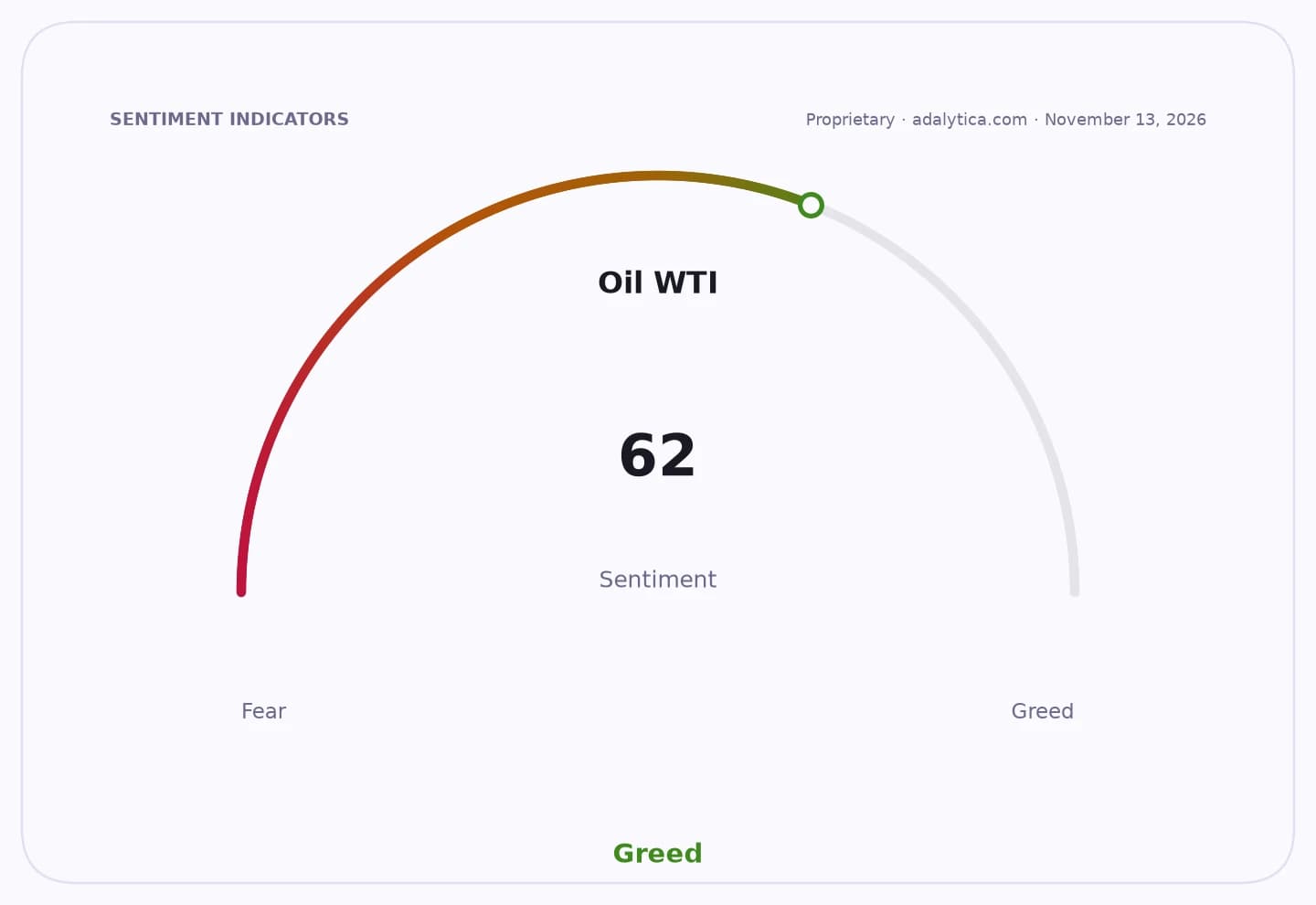
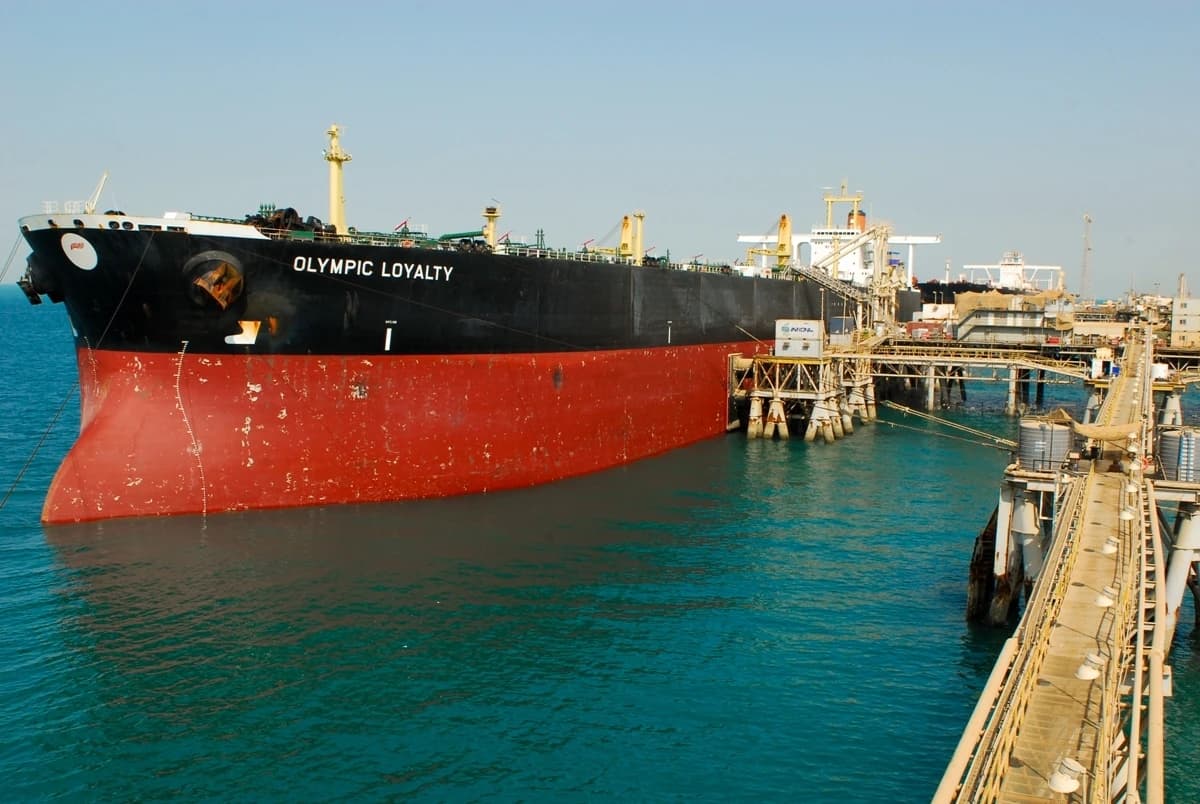
The Houthis’ claim that they launched six missile and drone attacks against Saudi Arabia, including targets tied to Aramco and Riyadh’s airport, is the kind of geopolitical shock that can quickly reprice oil, energy equities and risk across the Gulf.
Houthi Attacks Raise Saudi Oil Risk Premium

Why it matters is not just the headline threat, but the vulnerability it exposes in the world’s most important spare-capacity hub. Saudi Arabia remains central to OPEC+ supply management, and even a limited strike campaign forces traders to assign a bigger premium to barrels, shipping lanes and downstream margins. When the market has been conditioned to treat Middle East supply as resilient, a renewed attack cycle is a reminder that resilience is not immunity.
Sentiment Indicators
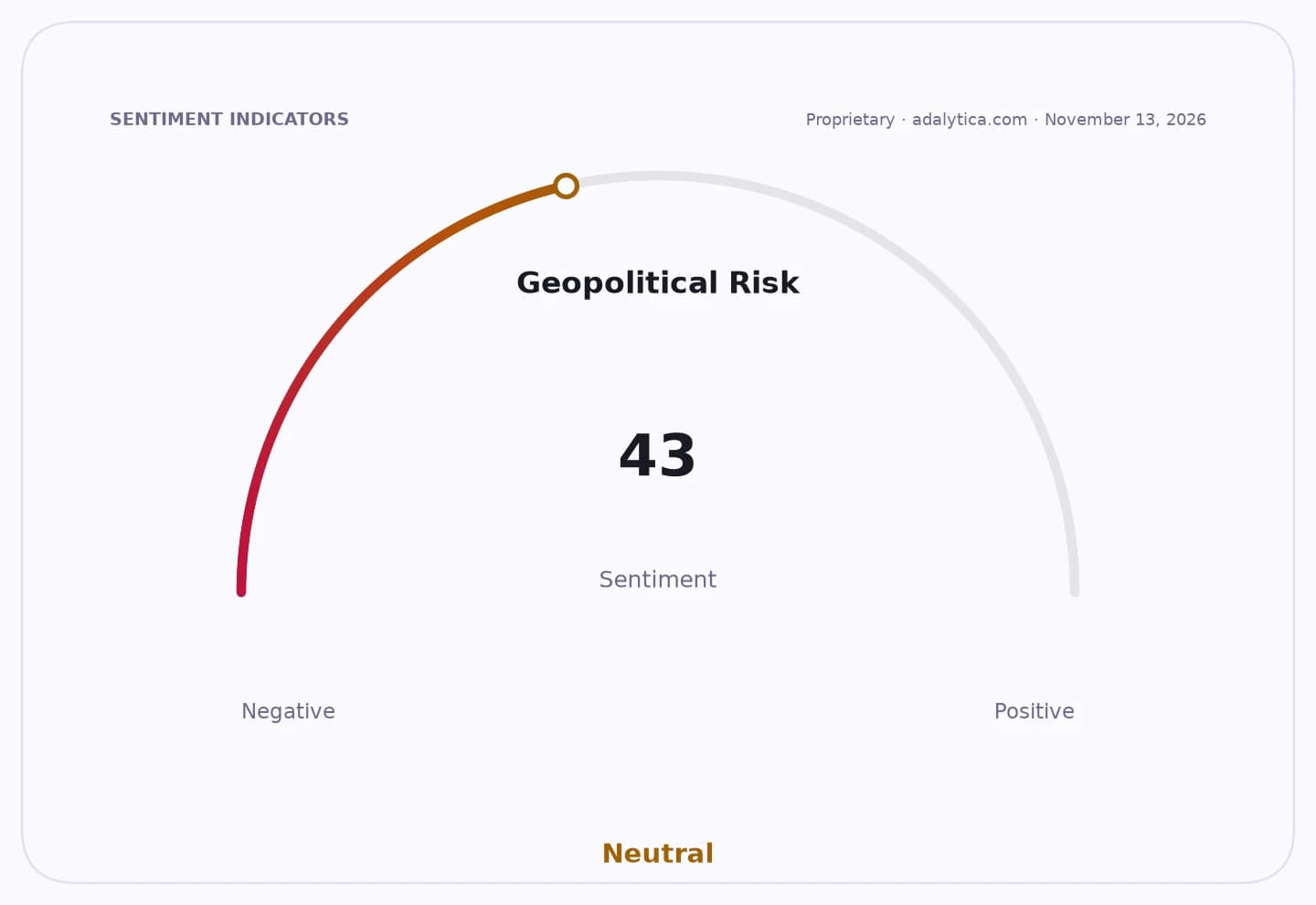
Geopolitical Risk
That is why crude-linked assets can move faster than the news cycle. USO, the oil ETF, has climbed far above its 50-day moving average over the past year even as momentum has cooled sharply in recent sessions, showing how quickly the market can swing from complacency to fear. XLE has held up better than the broader market, underscoring that investors still want energy exposure when geopolitical risk rises, even if the rally is uneven. The recent softness in prices and the dip in technical momentum create the setup: if the attacks escalate or Saudi infrastructure is actually disrupted, the next move can be violent.
The economic transmission is straightforward. Any credible threat to Saudi oil processing, pumping or export infrastructure tightens physical balances first, then widens refining and freight spreads, and only later settles into producer cash flow. That means integrated majors, oilfield services and pipeline operators can benefit from higher prices, while airlines, chemical producers and import-dependent economies absorb the pain. The broader macro backdrop makes the market more sensitive, not less: with WTI still around the mid-$80s forecast range and U.S. rates elevated, a fresh Gulf risk premium would feed directly into inflation expectations and Treasury yields.
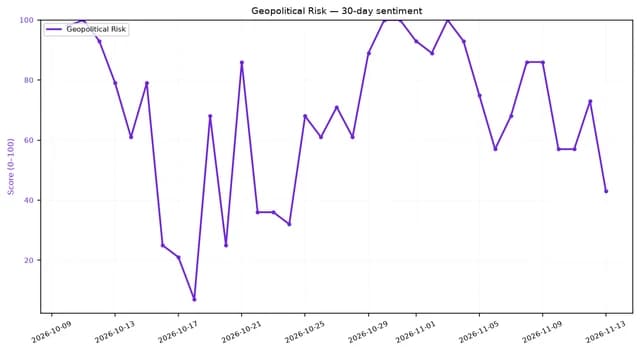
Adalytica’s Global Stability Sentiment gauge already shows extreme fear in awareness terms, a sign that traders are still highly reactive to geopolitical shocks even if the headline sentiment reading is neutral. That matters because oil does not need a full supply outage to move materially; it only needs enough uncertainty to force hedging, inventory builds and higher prompt prices.
Our thesis is that the market is underestimating how quickly Middle East security can translate into an energy trade. If these attacks remain episodic, the benefit goes to crude, refiners and defense names with exposure to regional security spending. If they broaden, the winners become even clearer: upstream producers, tanker owners and North American energy infrastructure. For investors, the message is simple — own the leverage to higher oil before the next escalation turns into a pricing event.
| Entity | Gains | Losses |
|---|---|---|
| Oil producers | ▲Higher crude prices | ▼None if supply holds |
| Refiners and airlines | ▲— | ▼Higher feedstock and fuel costs |
| Energy ETFs such as XLE and USO | ▲Geopolitical premium | ▼Volatility if escalation fades |
| Saudi Arabia / Aramco | ▲— | ▼Security risk and output disruption fears |