Oil prices slumped more than 7% on Monday as traders moved from pricing in a wider Middle East conflict to betting that renewed diplomacy between Washington and Tehran could avert a supply shock.
Oil Slides on Iran Diplomacy Hopes
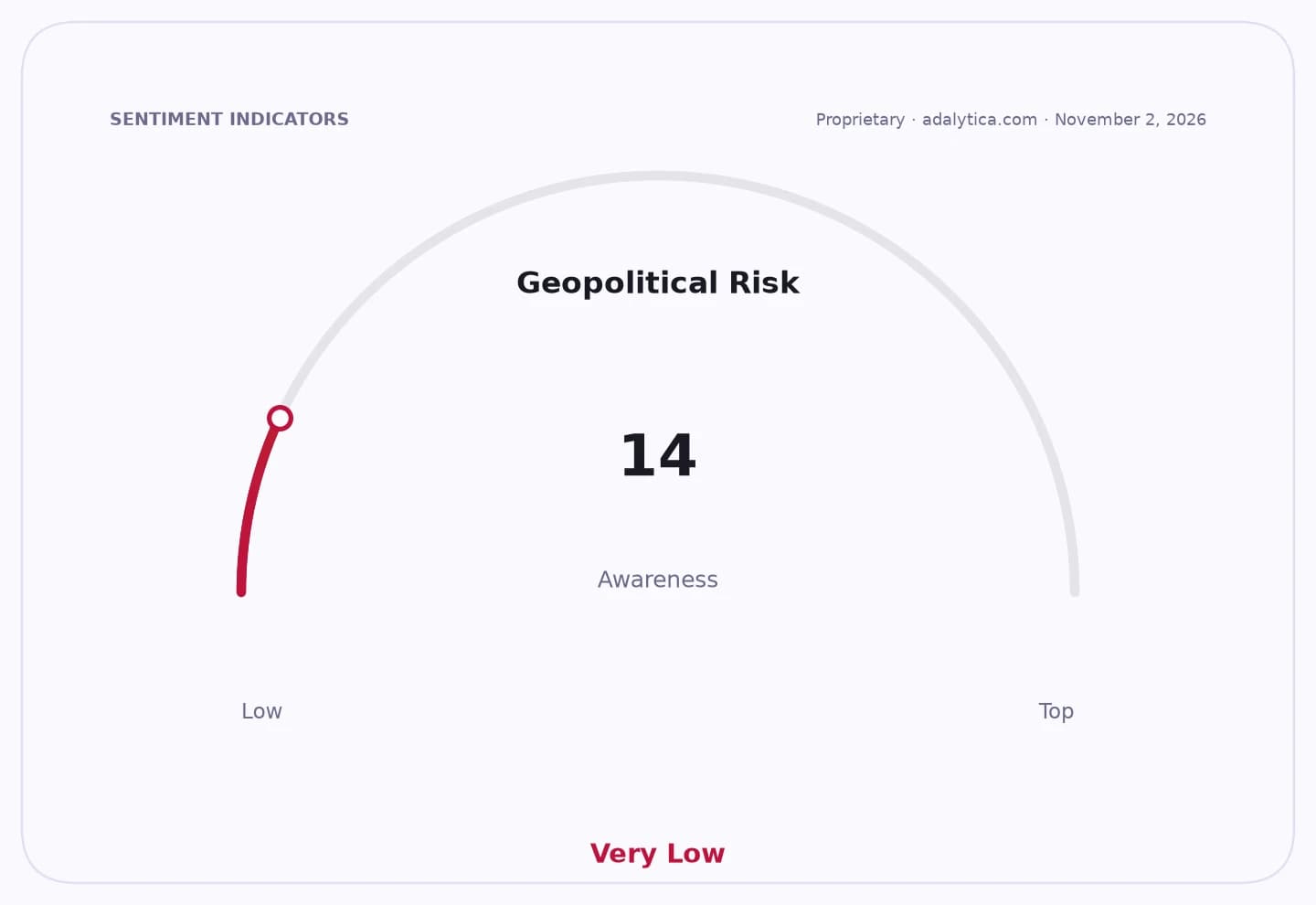
Geopolitical Risk
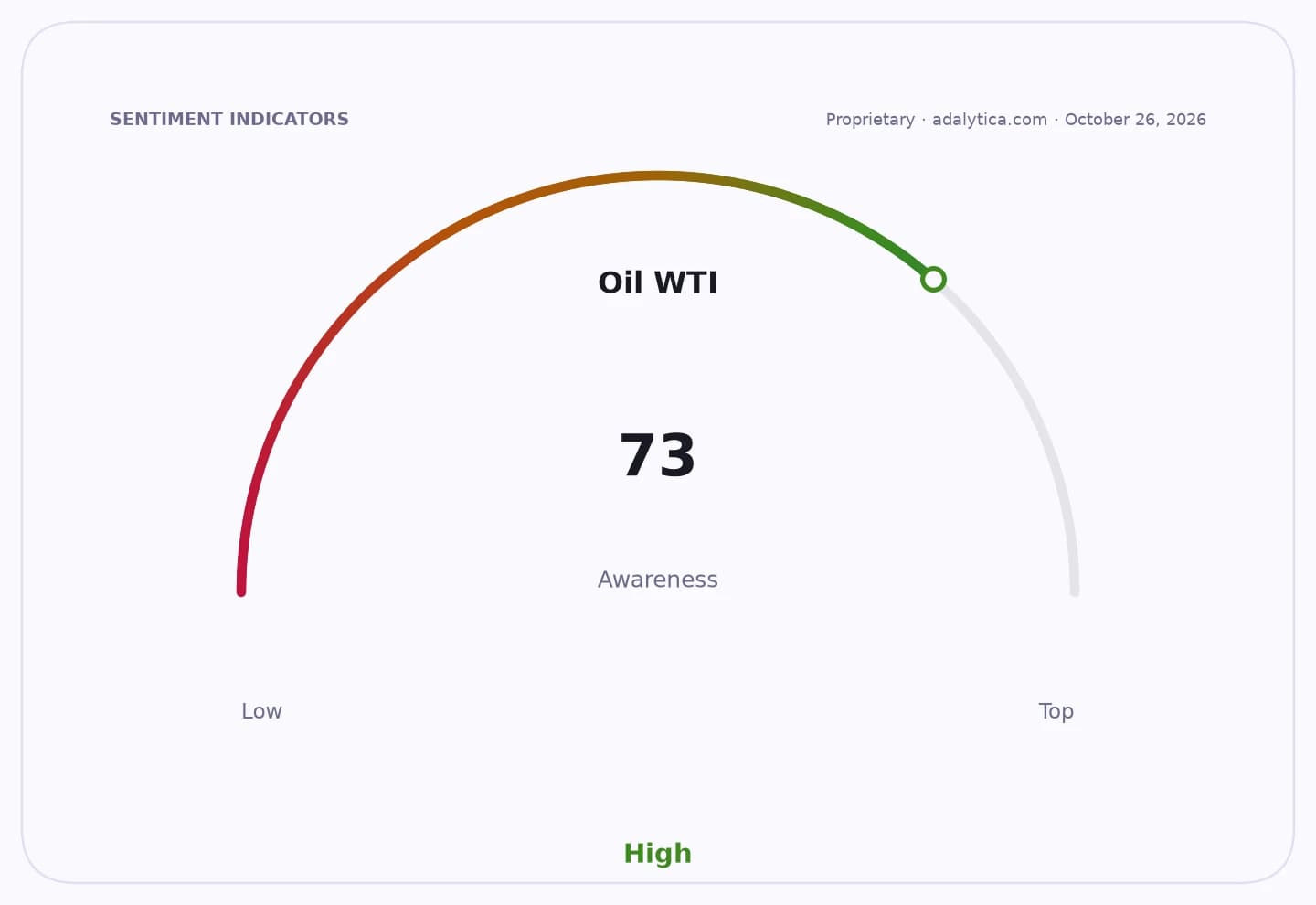
Brent crude for January delivery, now the benchmark contract, fell 7.64% to $104.77 a barrel, while U.S. West Texas Intermediate dropped 7.36% to $96.46. The move erased a chunk of the geopolitical premium that had built up around fears of retaliation, shipping disruptions and a possible assault on Iranian assets after the U.S. midterm elections.
Sentiment Indicators
The economic significance is immediate: oil is one of the fastest channels through which Middle East tensions feed into global inflation, transport costs and central bank policy. A sustained retreat in crude would ease pressure on gasoline and diesel prices, improve the outlook for energy-intensive industries and reduce the risk that headline inflation gets re-accelerated just as policymakers are trying to judge whether rate hikes are biting.
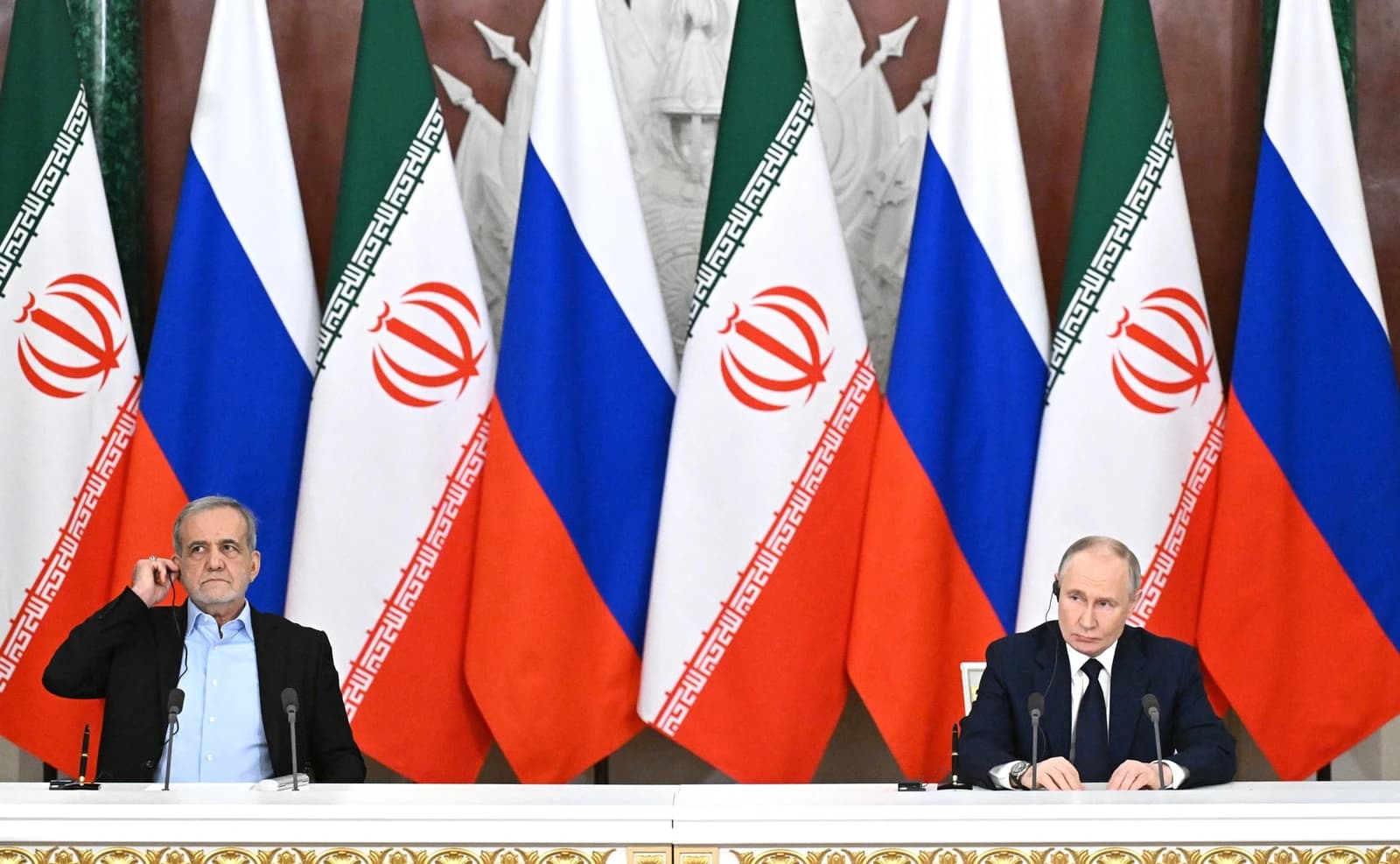
The market’s turn was driven by reports that Tehran was willing to reopen the strategic Strait of Hormuz in as little as two days under certain conditions, versus an earlier seven-day plan, and by an Axios report that President Donald Trump had signaled a preference for letting negotiations run rather than striking Iran immediately after the midterms. Traders read that as a possible pivot away from confrontation.
Still, the selloff does not reflect a settled diplomatic breakthrough. Iranian and U.S. positions remain far apart, and analysts warned the signals may be tactical rather than substantive. John Kilduff of Again Capital said the market had shifted abruptly from expecting a major offensive to anticipating a possible diplomatic opening, but added that losses could be quickly reversed if talks fail to produce anything concrete.
That caution matters because the underlying risk has not gone away. Maritime traffic in the region remains exposed to Iranian pressure and to attacks by Iran-aligned Houthi forces in Yemen, keeping a floor under prices even as the immediate war premium fades. The conflict premium in crude has repeatedly proven fragile: geopolitical spikes can unwind just as quickly when traders decide the worst-case scenario is less likely.
For investors, the move is important beyond crude itself. Energy shares typically lag when oil drops sharply, while airlines, transport groups, consumer names and other fuel users tend to benefit from lower input costs. The latest slide also comes against a backdrop of weakness in crude-linked funds and technical deterioration in the market, with U.S. oil futures trading below their 50-day moving average and the relative strength index showing oversold conditions after recent volatility.
The broader narrative is that oil is being pulled between two competing forces: the near-term de-escalation trade around diplomacy, and the persistent structural risk that Middle East tensions, shipping threats or failed negotiations can snap prices back higher. If talks progress, crude could extend its pullback and reinforce disinflationary pressures. If they stall, Monday’s drop may prove to have been only a brief repricing of risk rather than a lasting shift in the market.
| Entity | Gains | Losses |
|---|---|---|
| Oil importers | ▲Lower fuel costs | ▼Less urgency for hedging |
| Energy consumers | ▲Margin relief | ▼— |
| Oil producers | ▲— | ▼Weaker crude prices |
| Geopolitical bulls | ▲Reduced conflict premium | ▼Long positions in crude |