Turkey is positioning itself back inside the room on Iran’s nuclear diplomacy just as the market is pricing a lower-risk path for crude and a narrower chance of regional escalation.
Turkey discusses Iran-U.S. nuclear talks

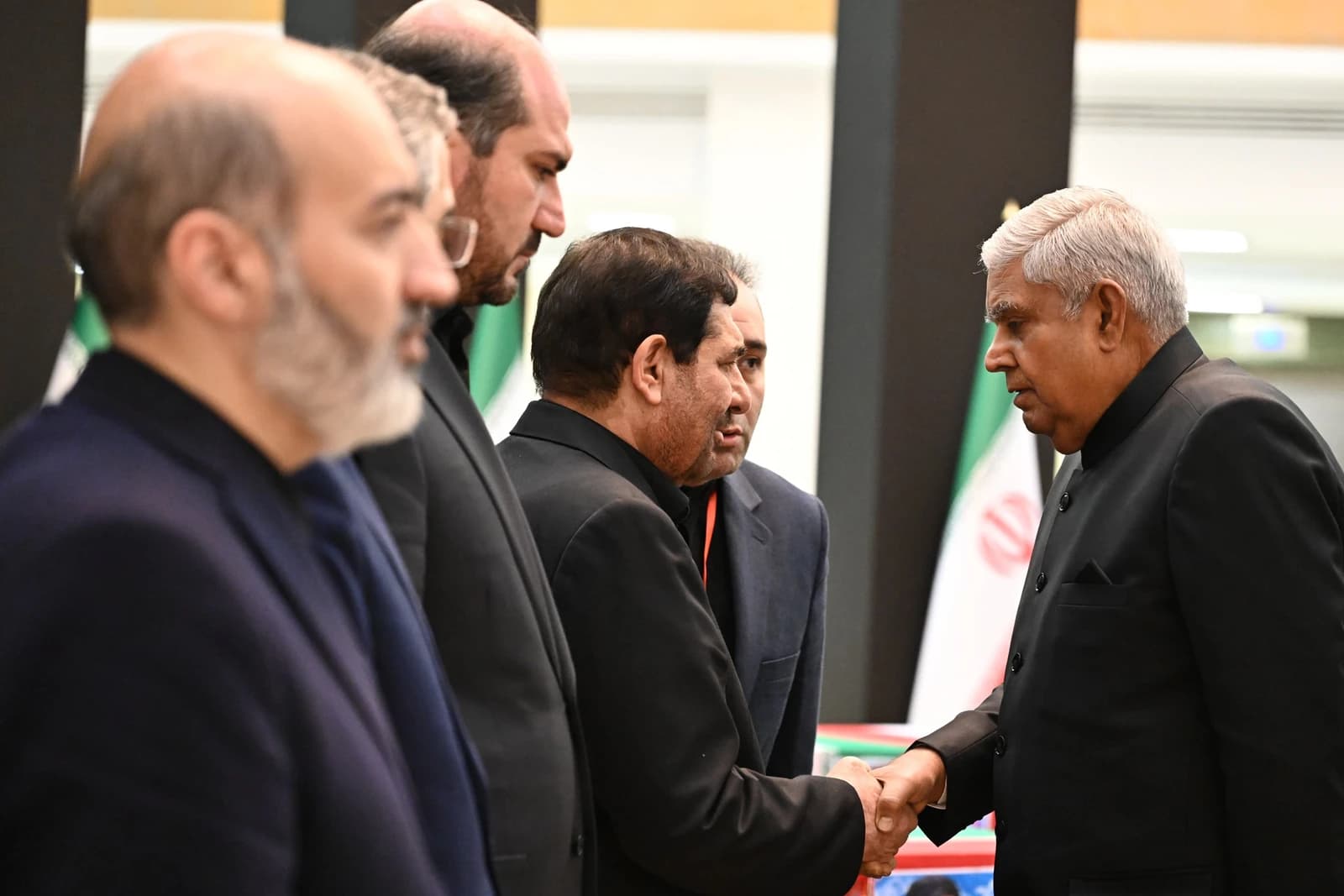
Turkish Foreign Minister Hakan Fidan and Iranian Foreign Minister Abbas Araqchi discussed the negotiation process between Iran and the United States, along with broader regional developments, underscoring Ankara’s role as a regional broker at a moment when diplomacy still carries direct implications for oil, currencies and risk assets.
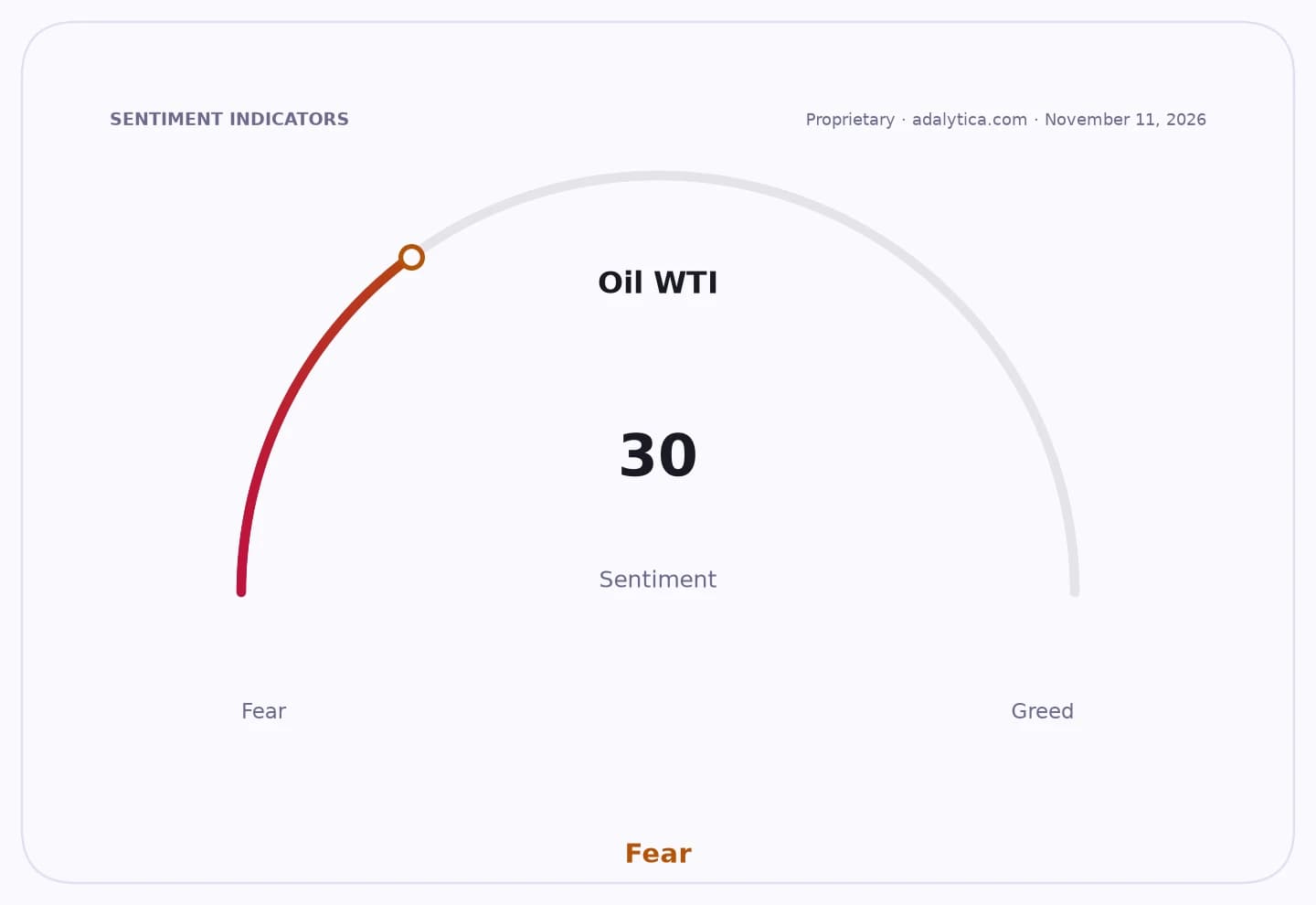
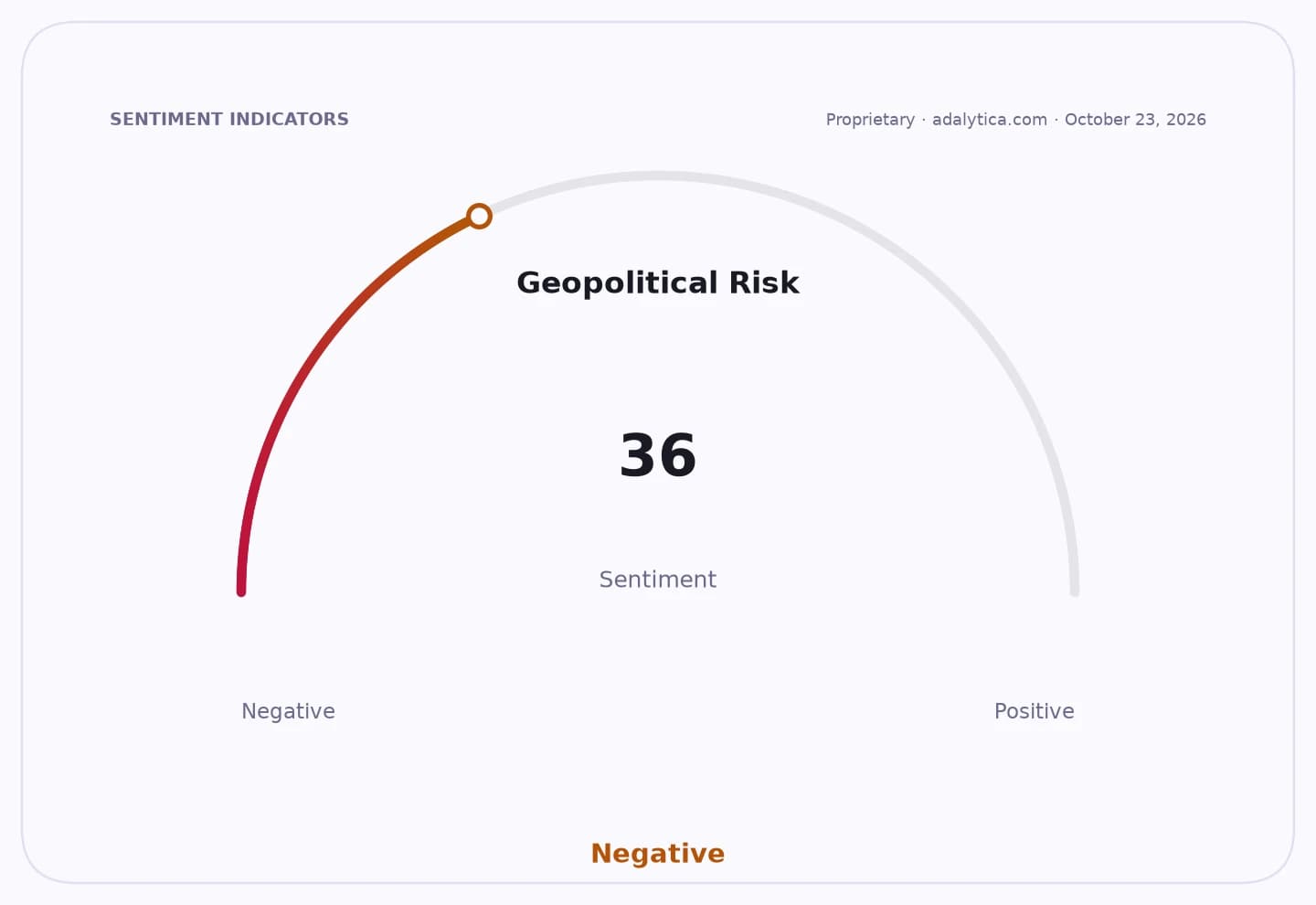
Sentiment Indicators
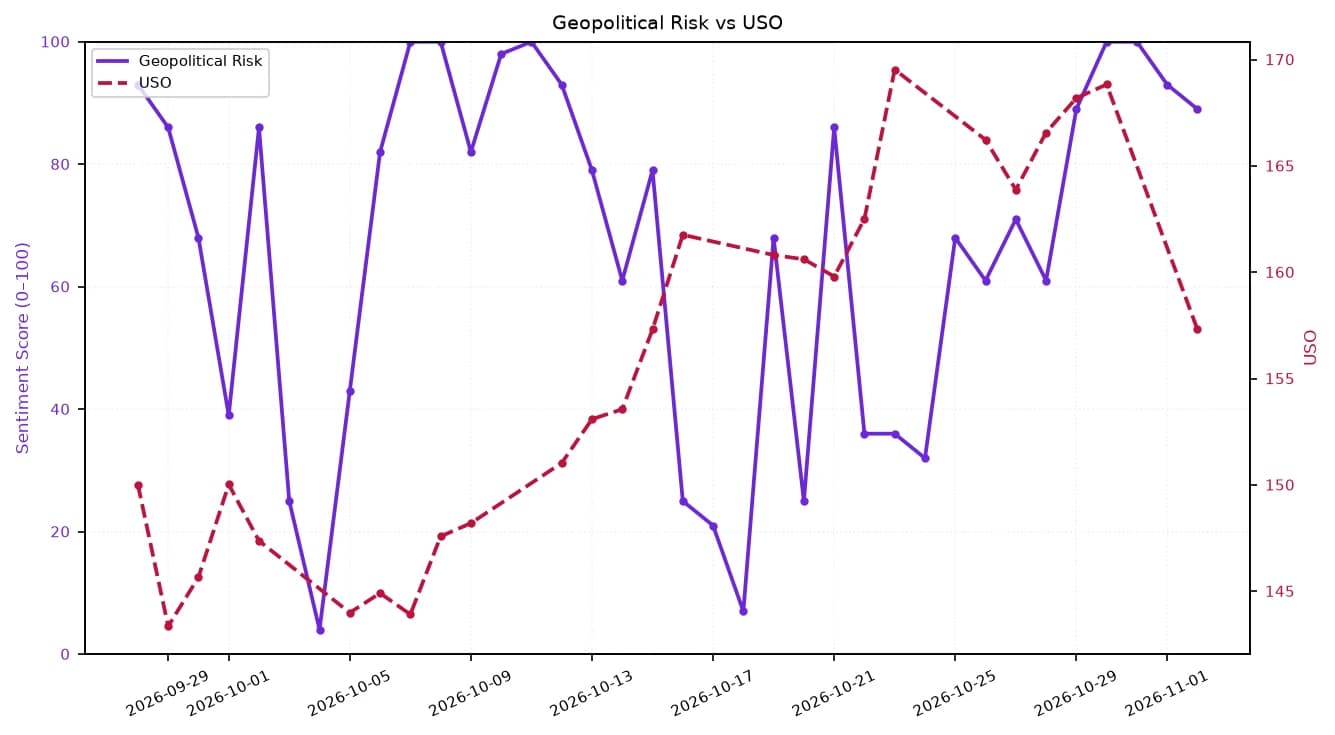
That matters because every step toward a more durable U.S.-Iran dialogue lowers the odds of a supply shock in the Gulf, while every setback keeps a geopolitical premium embedded in energy prices. Crude has already been retreating from this year’s highs, and the latest tone in the market suggests investors are leaning toward a scenario in which diplomacy trims tail-risk rather than one in which the region slides into a wider confrontation.
The policy stakes are bigger than the headline itself. Iran remains a central swing factor in the global energy balance, and even the prospect of a thaw can influence tanker routes, sanctions enforcement and OPEC+ expectations. For markets, the first-order trade is straightforward: calmer diplomacy tends to pressure oil, support airlines, transport and industrial margins, and ease inflation fears that have kept bond traders alert to renewed supply disruption.
That is why the current setup matters for asset allocation. Adalytica’s Global Stability Sentiment gauge is neutral at 57, but its awareness reading sits at an extreme fear 4, signaling that investors are still highly sensitive to headline risk even as they are not fully pricing immediate crisis. In oil, that tension is visible in the recent pullback in USO, whose close near $143.99 remains well above its 200-day moving average but sits below the 50-day average, with RSI readings in the low 30s pointing to a market that has already cooled from the spring surge.
Gold has also eased back, with GLD slipping from recent highs, suggesting some of the emergency bid has faded as traders reassess geopolitical risk. At the same time, Adalytica’s WTI signals remain neutral, implying the market is waiting for a clearer diplomatic outcome before committing to a fresh directional move.
The investment takeaway is that the market underestimates the second-order winners from any real progress in U.S.-Iran talks. If diplomacy advances, the beneficiaries are airlines, shippers, chemicals and rate-sensitive stocks that gain from softer energy prices and less inflation pressure. If talks fail, the trade flips back toward oil, gold and defense-linked exposures. For now, the asymmetry still favors staying nimble, but the bigger opportunity is in the businesses that win if a geopolitical premium slowly bleeds out of crude.
| Entity | Gains | Losses |
|---|---|---|
| Airlines and shippers | ▲Lower fuel costs | ▼Less volatility hedge value |
| Oil producers | ▲Higher crude on setbacks | ▼Softer prices on diplomacy |
| Gold and defense names | ▲Risk-off bid on failure | ▼Easing fear premium |
| Consumers and rate-sensitive stocks | ▲Lower inflation pressure | ▼Renewed energy shock |