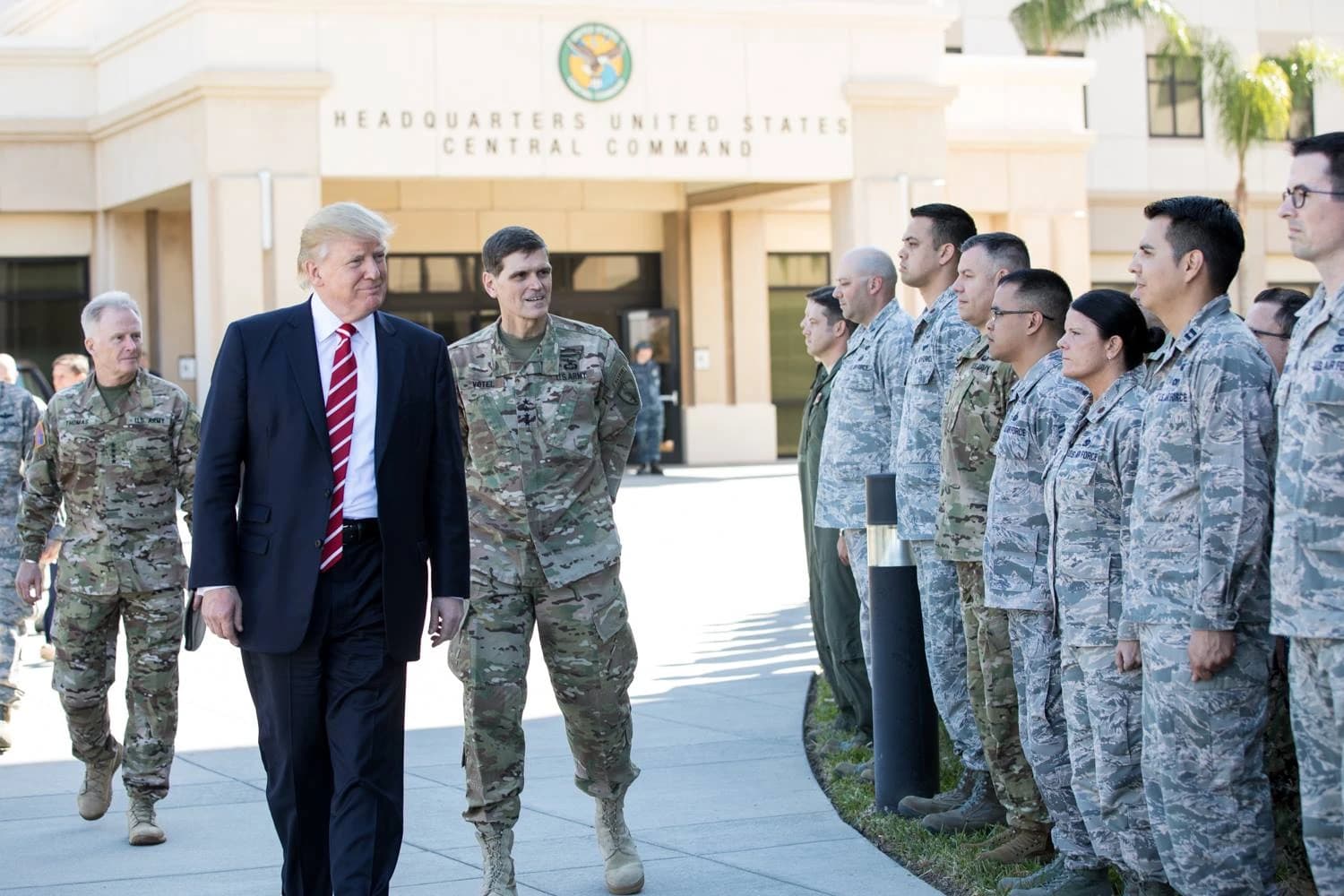
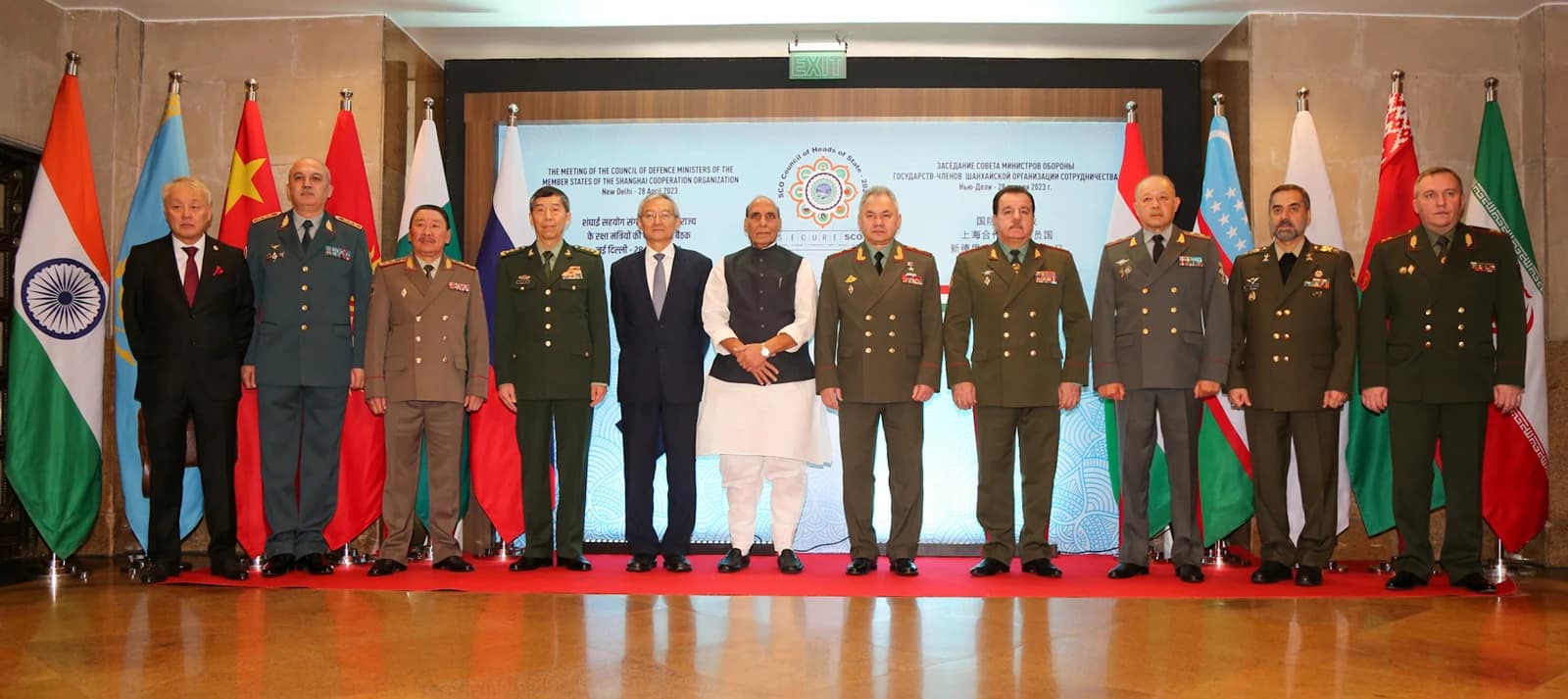
The United States has offered up to $20 million for information on Iran’s nuclear program, sharpening its pressure campaign against Tehran at a moment of elevated regional tension and keeping the risk of disruption to energy markets in focus.
US offers $20 million reward on Iran nuclear tips

The reward, announced by US Central Command on X, covers tips on Iranian nuclear facilities, equipment and people linked to the program, including scientists. Economically, the move is another sign Washington is using intelligence, sanctions and financial incentives to try to slow or expose Iran’s nuclear activity without resorting to a direct military escalation. That matters because any further deterioration in the US-Iran standoff can feed into oil risk premia, shipping costs and broader volatility across Middle East assets.
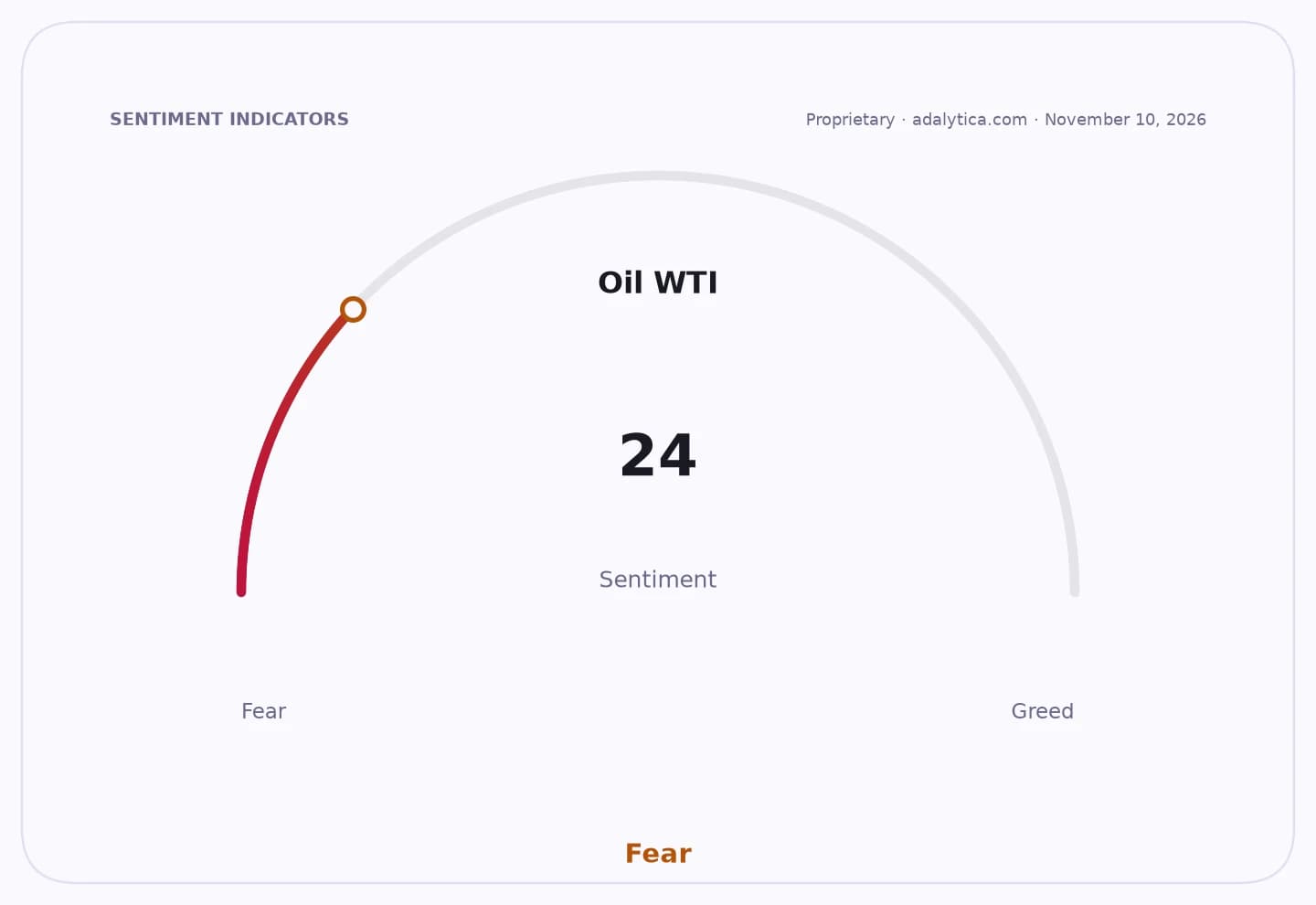
Sentiment Indicators
For investors, the key issue is not the cash bounty itself but what it signals about the durability of geopolitical risk. Iran remains a central variable for crude supply, freight routes and regional stability, and the latest step comes as market participants continue to price intermittent flare-ups rather than a clean de-escalation. Energy-sensitive assets have already shown how quickly they can reprice on headlines tied to the Gulf, and a more aggressive US posture tends to support defensive positioning in oil-linked equities and commodity hedges.
The backdrop is one of persistent sanctions pressure and counterpressure. US measures continue to target individuals and firms accused of helping Iran move oil through the shadow trade, while Iran has also taken steps to ease transit for ships linked to India, China, Iraq and Qatar through the Strait of Hormuz, underscoring the mix of confrontation and tactical pragmatism around one of the world’s most important chokepoints. Moscow’s offer to mediate, as noted by the Kremlin, adds another layer of diplomacy, but there is little sign of a broader breakthrough.
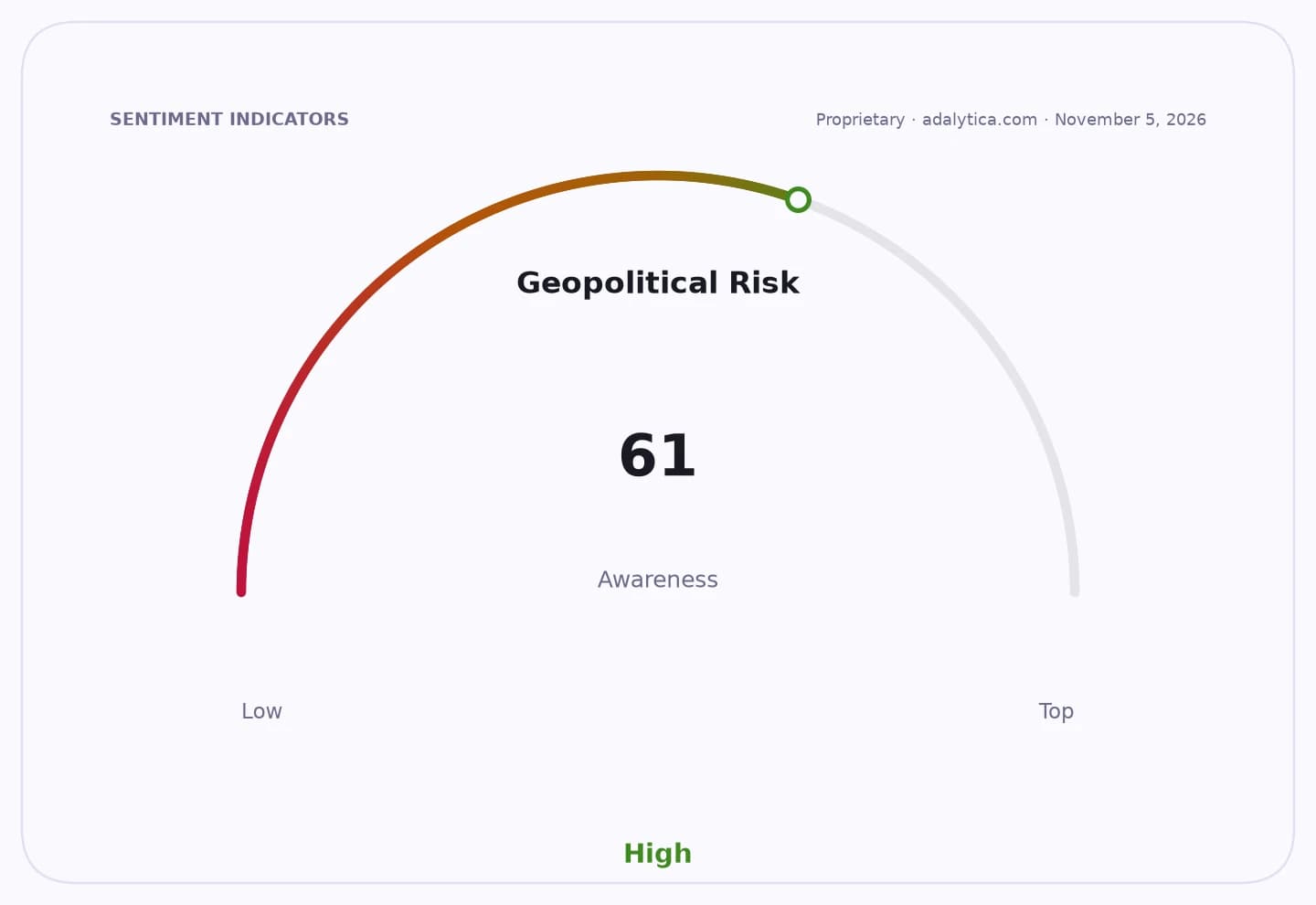
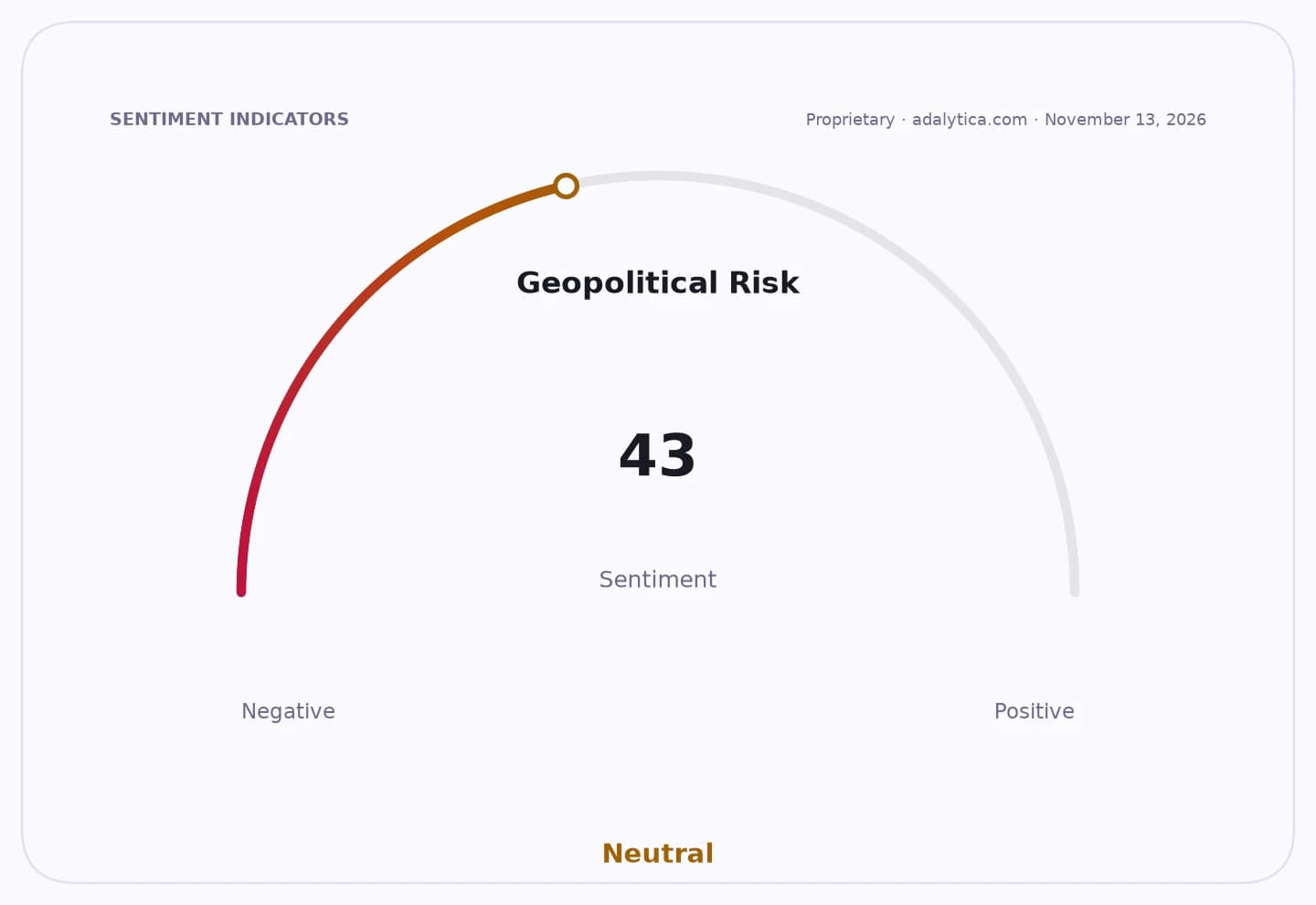
Geopolitical Risk
The market response is most visible in energy. XLE, the energy sector ETF, has pulled back from recent highs but remains well above its longer-term averages, reflecting a market that has not priced out the geopolitical premium. USO has also retreated from its peak, while XOP, which tracks US oil and gas producers, is still trading far above its 200-day moving average despite recent weakness. That combination suggests investors are still treating Middle East risk as a live option rather than a fading one.
The broader narrative is that Washington is trying to raise the cost of Iran’s nuclear and regional ambitions without closing off diplomacy altogether. For markets, that leaves oil, the dollar and volatility as the main transmission channels. Any escalation around Iran’s nuclear infrastructure or Gulf shipping would likely revive demand for energy exposure and defensive hedges, while a credible diplomatic channel could unwind part of that premium.
| Entity | Gains | Losses |
|---|---|---|
| US security agencies | ▲Intelligence leverage | ▼Diplomatic flexibility |
| Oil producers | ▲Higher risk premium | ▼Lower hedging certainty |
| Iran | ▲Negotiating attention | ▼International pressure |
| Energy consumers | ▲Potential supply stability | ▼Exposure to price spikes |