CENTCOM has created a new task force to cut off Iran’s weapons, dual-use goods and illicit revenue streams, sharpening Washington’s effort to squeeze Tehran beyond the sea lanes that have already been heavily monitored.
CENTCOM Creates Task Force Iron Gate on Iran Sanctions
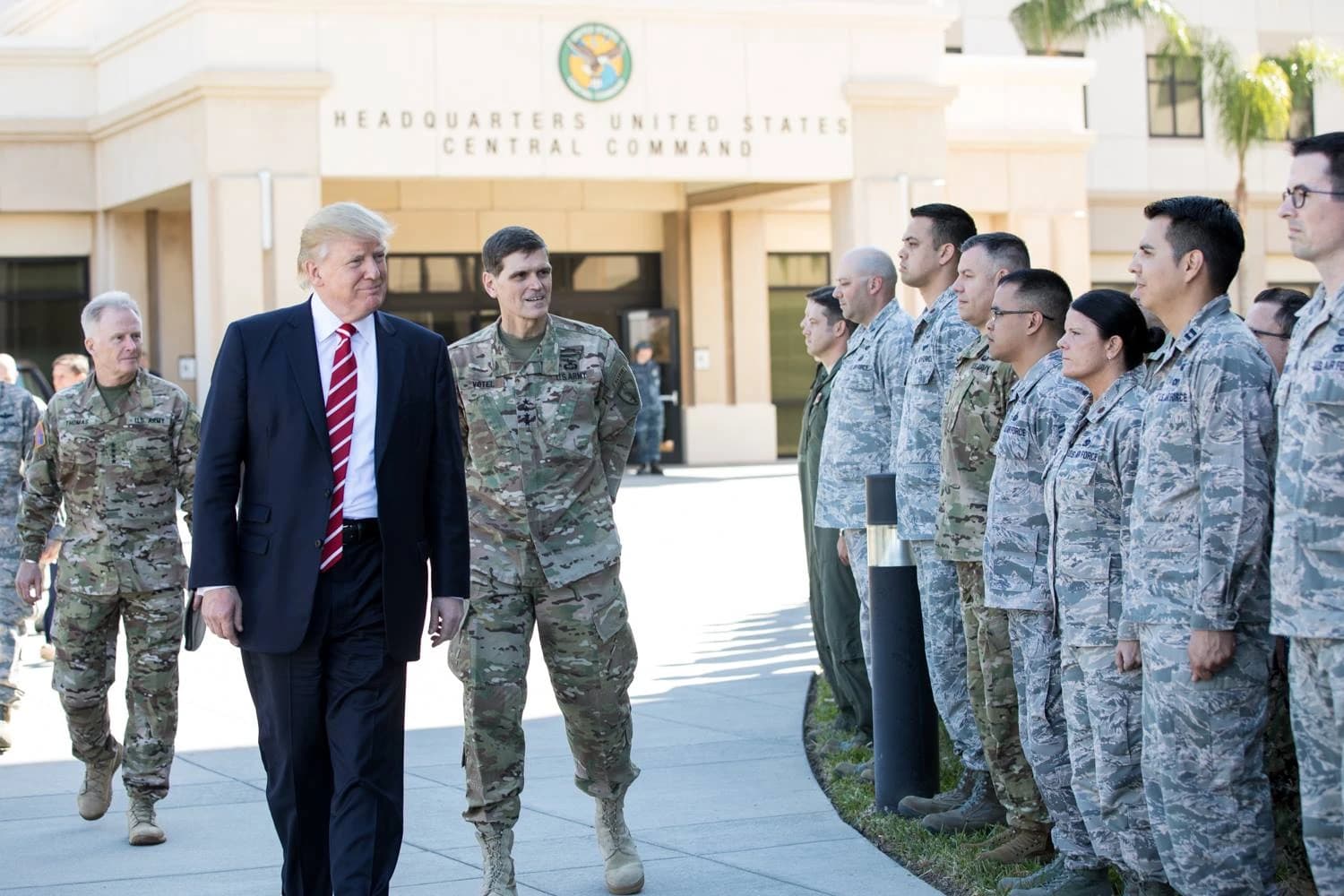
The establishment of Task Force Iron Gate, a Tampa-based unit of about 20 civilian and military personnel, signals that the U.S. is moving to make sanctions enforcement more systematic across land borders and the Caspian Sea. That matters economically because sanctions only bite when enforcement closes the gaps that smugglers, intermediaries and third countries exploit. In practical terms, the new unit is designed to make it harder for Iran to move advanced weapons systems, restricted materials and proceeds tied to illicit trade.
Sentiment Indicators
CENTCOM said the task force will coordinate with other U.S. agencies to block shipments of advanced armaments, dual-use technology and sanctioned materials. Admiral Brad Cooper said the unit builds on the success of a maritime blockade that, according to CENTCOM, has prevented more than $25 billion of Iranian crude exports in recent months. That figure underscores the scale of the pressure campaign and why Washington is widening it to overland routes and the Caspian, where enforcement has historically been more fragmented.
For investors, the message is less about the size of the task force than about the durability of the enforcement regime. A tighter clampdown raises the risk premium around Gulf and regional shipping, insurance and logistics, while reinforcing a bullish backdrop for energy markets if Iranian export channels continue to narrow. The news also supports the view that sanctions remain a live macro variable for oil, not just a diplomatic headline. Brent and U.S. crude have already shown how quickly prices can react to Middle East supply risk, and the latest move suggests the U.S. is not easing pressure.
The development also fits a broader pattern of escalation in Western sanctions enforcement against Iran, even as Tehran seeks selective trade relief with some partners. The combination leaves Iran with fewer ways to monetize hydrocarbons, move sensitive goods and finance regional proxies. That increases economic strain at home and complicates its ability to fund military and political networks abroad.
For markets, the immediate read-through is clearer for energy than for broader risk assets: more aggressive interdiction reduces the odds of a smooth normalization in Iranian export flows. For defense and maritime security contractors, the trend points to a sustained policy environment favoring surveillance, interdiction and border-control spending. The key question now is whether enforcement remains a targeted pressure tool or evolves into a wider disruption of regional trade routes.
| Entity | Gains | Losses |
|---|---|---|
| U.S. and allies | ▲Stronger sanctions enforcement | ▼Higher operational burden |
| Iran | ▲None | ▼Oil revenue, smuggling channels |
| Energy producers outside Iran | ▲Tighter supply backdrop | ▼Volatility in shipping routes |
| Maritime insurers / shippers | ▲Higher demand for risk management | ▼Greater route and compliance risk |