Iran’s growing dependence on China is turning what Tehran long treated as a strategic asset into a constraint, weakening the Islamic Republic’s ability to use proxies and maritime coercion without paying a diplomatic and economic price.
Iran's China dependence limits Gulf coercion
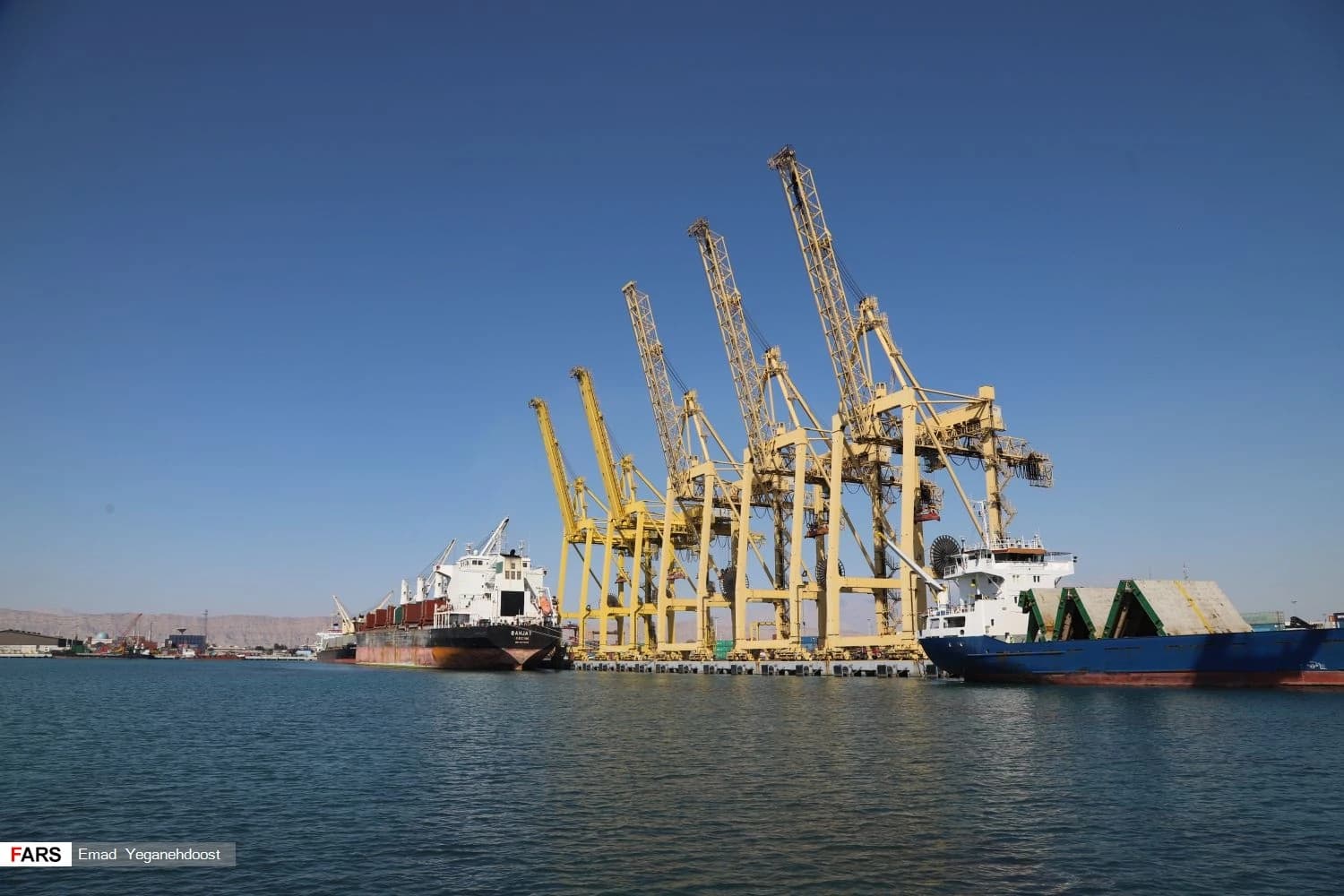
That matters because China has become Iran’s main external lifeline at the same time that Tehran’s traditional “forward defense” model is under strain. Beijing buys more than 80% of Iran’s seaborne oil exports in 2025, but Iran supplies only about 13% of China’s seaborne crude imports, leaving the relationship sharply asymmetric. For investors, that imbalance means Iran can no longer assume that its largest economic backer will tolerate open-ended regional disruption, especially when attacks on shipping threaten Gulf energy flows that China also depends on.
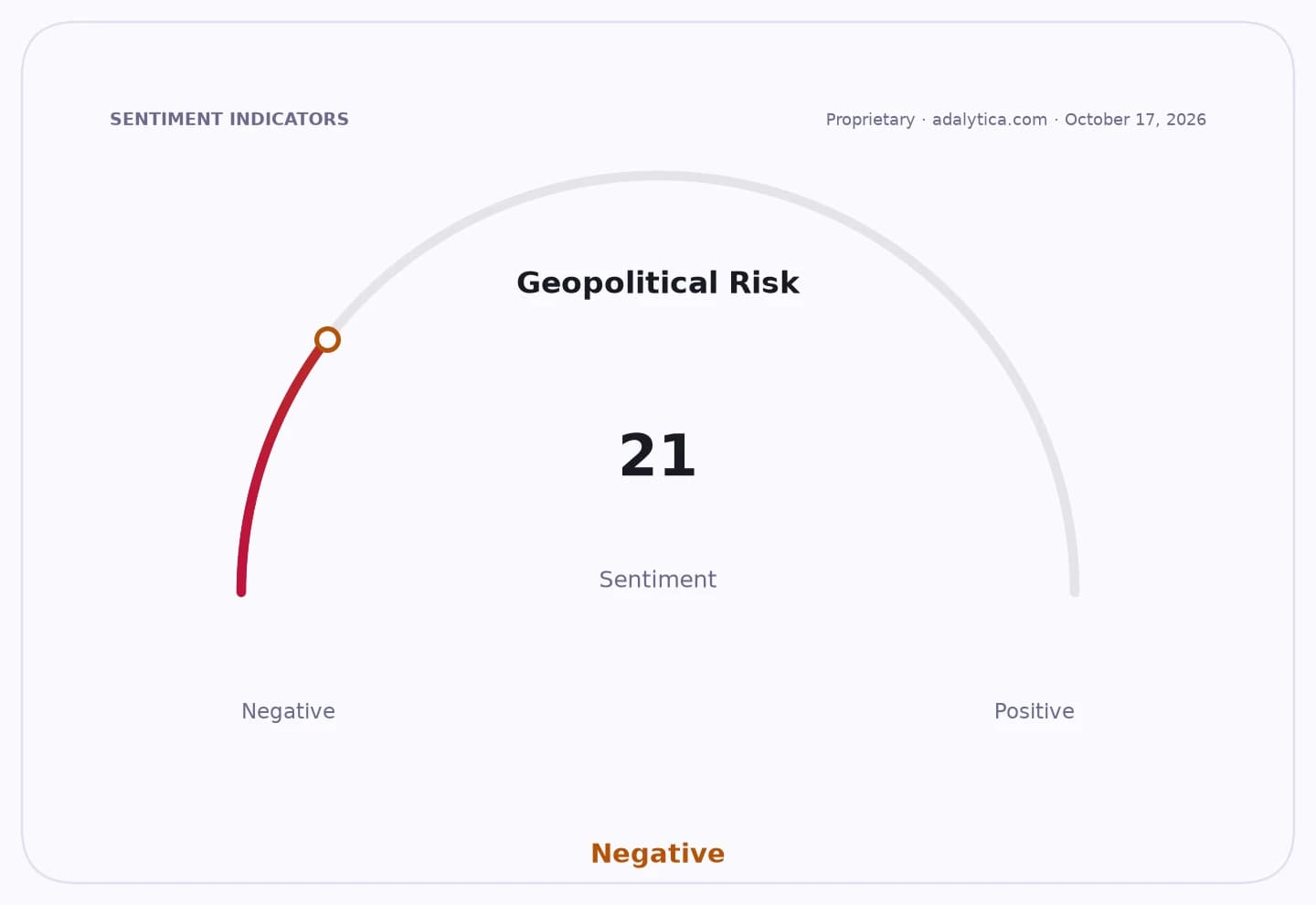
Sentiment Indicators
The core problem is strategic. For decades, Iran tried to preserve regime survival by combining proxy warfare, threats to the Strait of Hormuz and selective diplomacy to keep conflict away from its borders. The war exposed the limits of that model. Hezbollah has been badly weakened and now requires reconstruction support from the Islamic Revolutionary Guard Corps, draining Iranian money and manpower that could otherwise be used at home. The Houthis still give Tehran leverage, but their attacks have at times cut across Chinese interests and prompted Beijing to press Iran to rein them in.
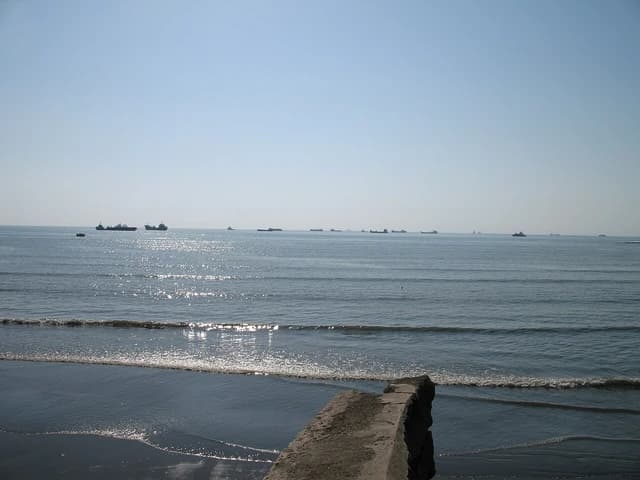
Hormuz, meanwhile, remains a powerful bargaining chip but a less reliable one than before. Non-Iranian Gulf crude and condensate exports recovered to around 91% of prewar levels in September, showing how exporters can adapt by rerouting cargoes and adjusting shipping practices. That reduces the long-term value of Iran’s threat to choke the waterway. It also creates a second-order cost for Tehran: the more it disrupts maritime traffic, the more it risks alienating China, which depends on steady Gulf supplies and has no formal security commitment to Iran.
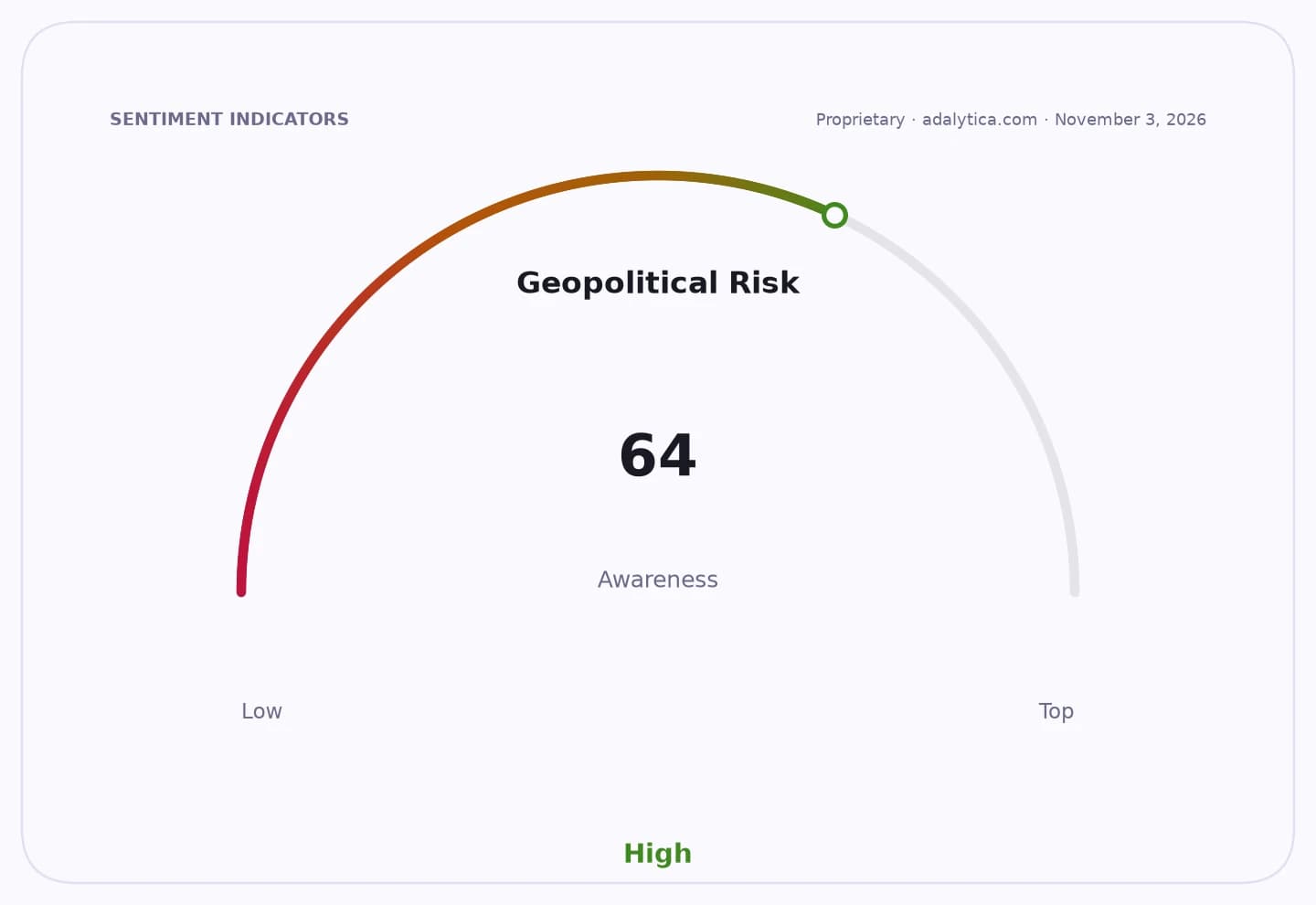
US-China Relations
For markets, the story is not that Iran has lost all capacity to shock energy prices. It has not. The USO oil ETF still reflects how quickly geopolitical risk can reprice crude, and the latest move to around $148 a barrel shows how exposed energy markets remain to any escalation around the Gulf. But the broader implication is that Iran’s coercive toolkit is becoming less usable at the margin. That is bullish for Gulf exporters, shipping stability and any asset class exposed to lower tail risk from the Strait of Hormuz; it is bearish for Iran’s bargaining power and for the premise that China can be counted on as an unconditional strategic partner.
There is also a larger geopolitical message. Iran once sought to hedge against the United States by balancing major powers. Now it is more dependent on China than ever, but without the benefits of a true alliance. Beijing maintains strong commercial ties across the Gulf and has shown it will pressure Tehran when Iran’s actions threaten broader Chinese interests. That leaves Iran with less autonomy, not more, and increases the odds that it will have to choose between preserving Chinese economic support and sustaining the regional posture that has long underpinned its deterrence strategy.
The near-term risk is that Tehran continues trying to extract leverage from proxies and maritime threats while Beijing quietly narrows the room for maneuver. The longer-term risk for Iran is more structural: if China becomes the only major external buyer that still matters, it gains influence over Tehran’s choices without taking on the security burdens of an ally.
| Entity | Gains | Losses |
|---|---|---|
| China | ▲Energy access and leverage | ▼Strategic patience with Iran |
| Iran | ▲Short-term oil revenue | ▼Strategic autonomy |
| Gulf exporters | ▲Route diversification | ▼Less certainty in shipping |
| Oil bulls | ▲Geopolitical risk premium | ▼Sustained upside if tensions ease |