South Korea is moving to expand its anti-piracy unit into waters closer to the Strait of Hormuz, a shift that underscores how exposed Asia’s fourth-largest economy remains to any disruption in one of the world’s most important oil choke points.
South Korea to Expand Gulf Anti-Piracy Patrols
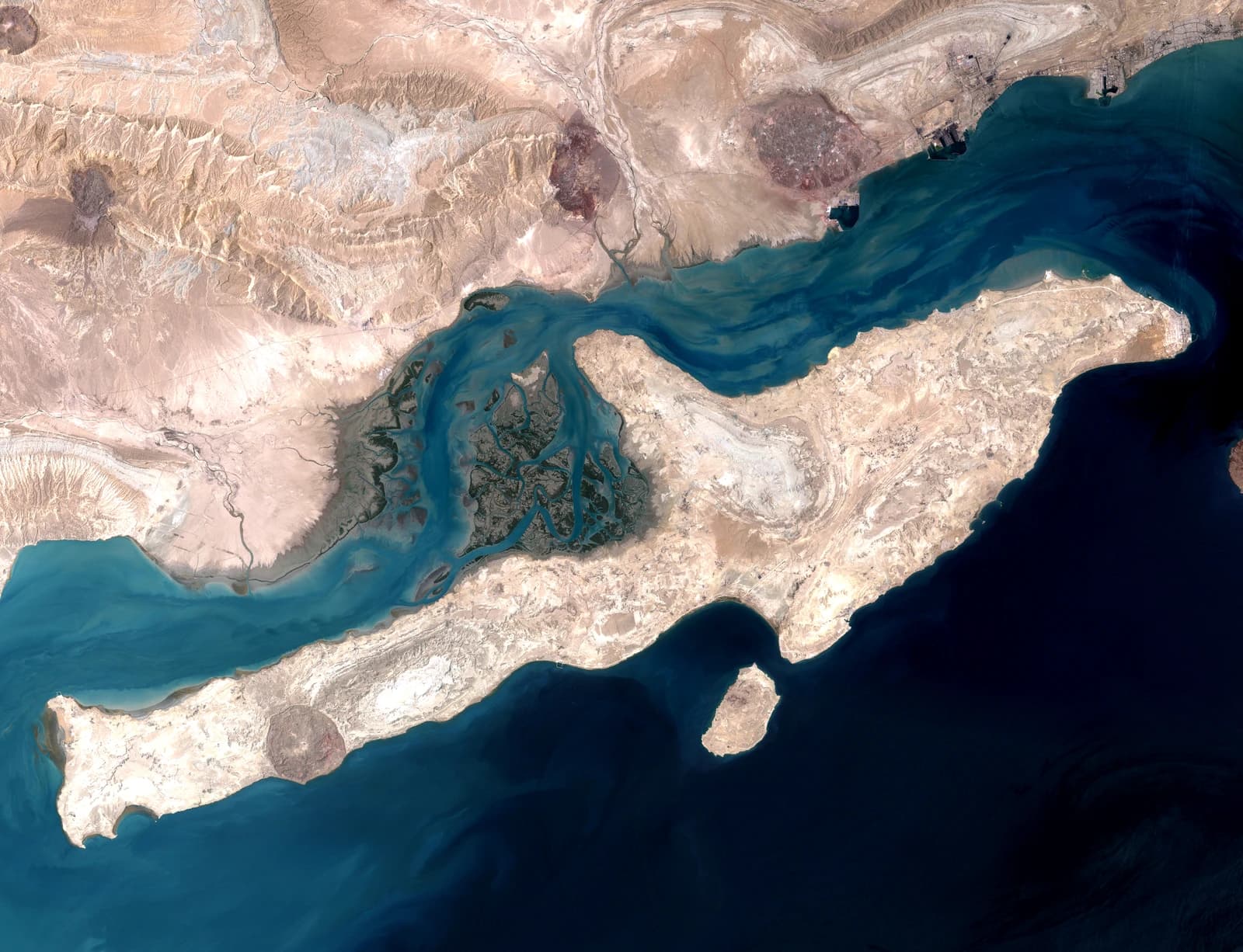
The defense ministry in Seoul said it plans to ask parliament to extend the deployment of the Cheonghae unit beyond its current mandate, which runs through end-2026, and broaden its operational area to waters near Oman’s Duqm port, about 650 kilometers from Hormuz. The move follows pressure from U.S. President Donald Trump for allies to do more amid tensions with Iran.
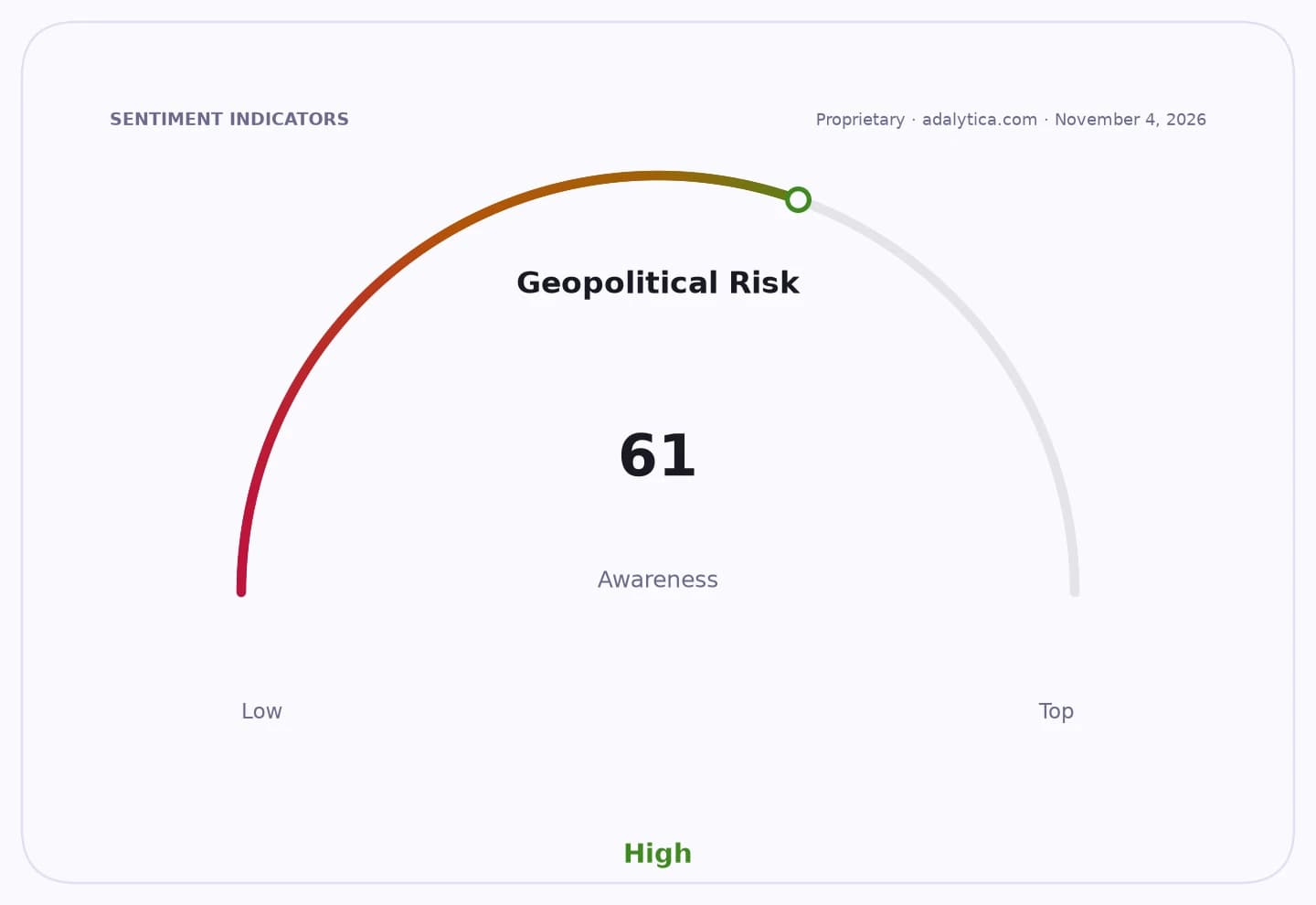
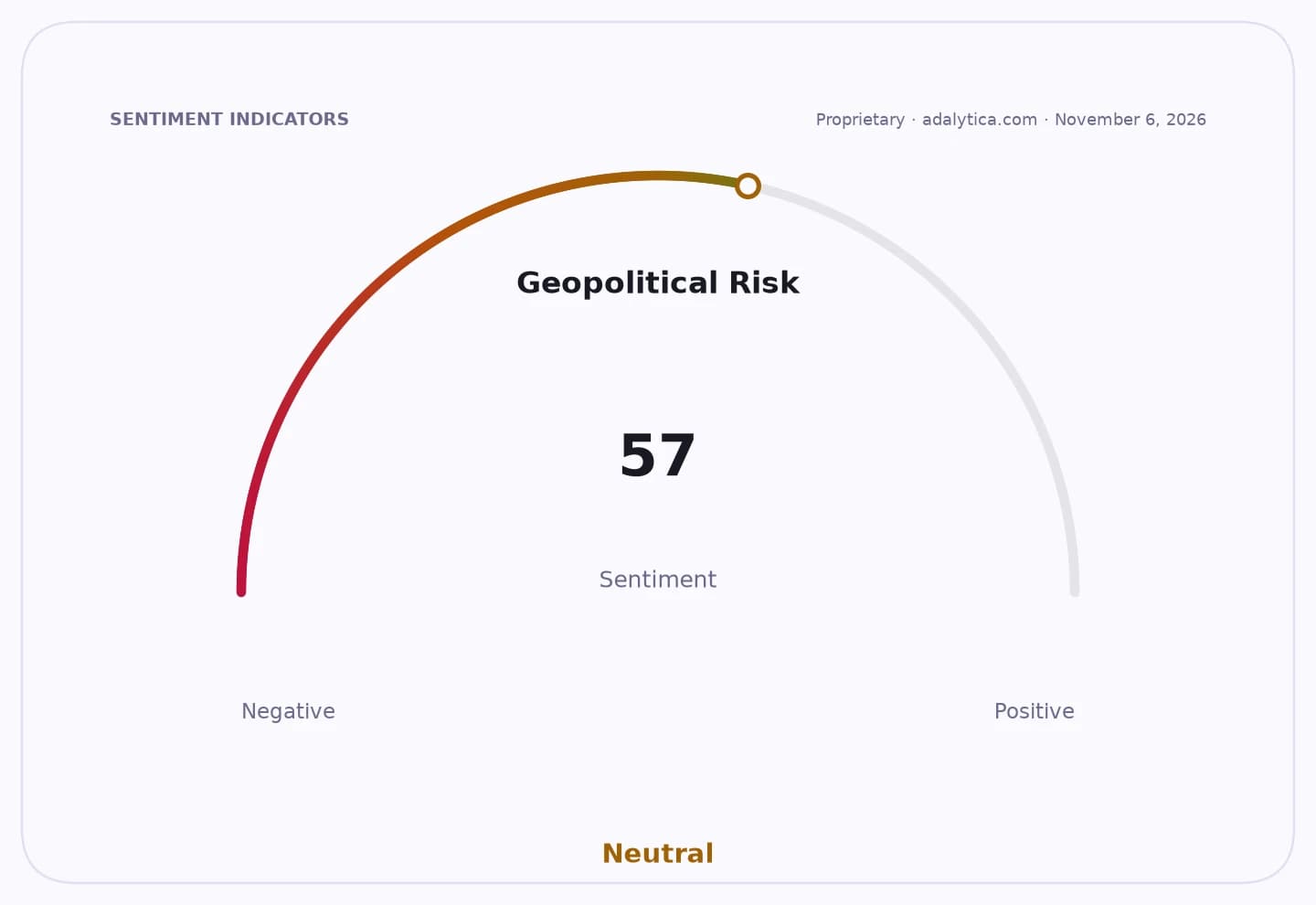
Sentiment Indicators
The stakes are economic as much as military. South Korea imports most of its crude, and its industry ministry says 70% of its oil supplies in 2025 came from the Middle East, with most shipments passing through Hormuz. Any escalation in the region would therefore feed directly into Seoul’s energy security, shipping costs and inflation outlook.
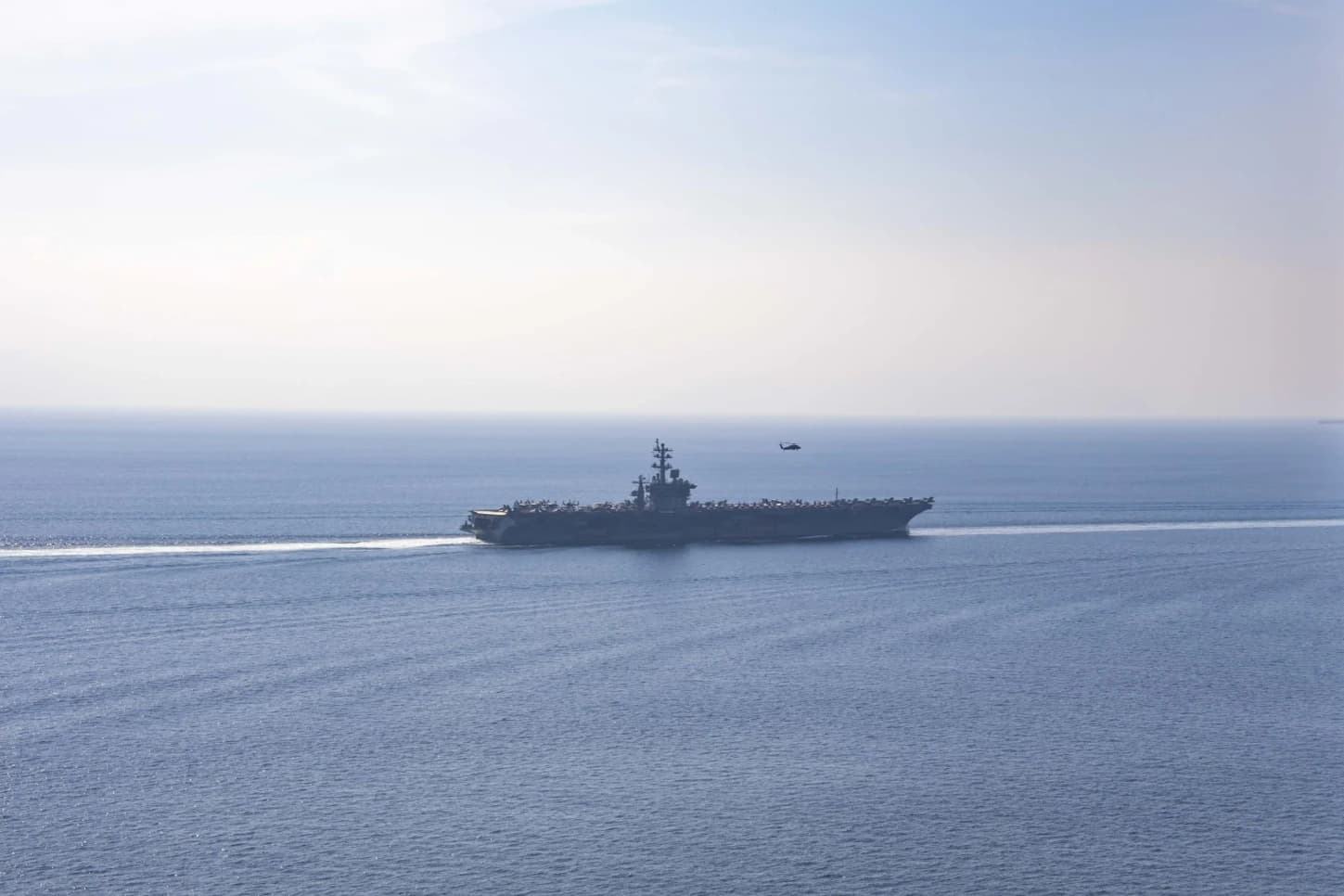
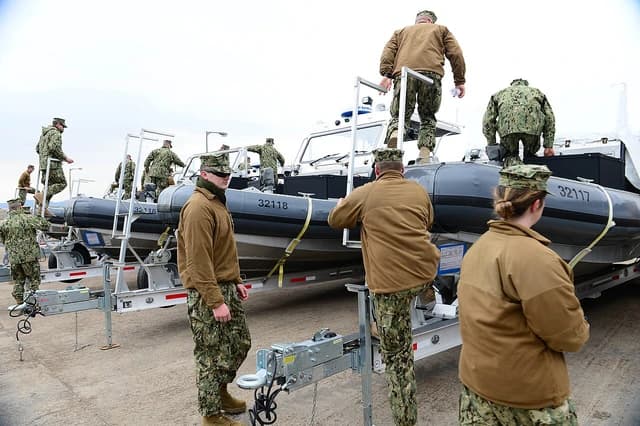
The deployment also highlights the diplomatic balance South Korea is trying to strike. President Lee Jae-myung said in September he would not send military assets to the Middle East because of the risk of dragging the country into conflict, but the government is now weighing a larger role in protecting maritime traffic. The unit, stationed in the Gulf of Aden since 2009, currently includes a 4,400-ton destroyer, a helicopter and up to three rigid-hull speedboats, with about 300 personnel.
Geopolitical Risk — 30-day sentimentadalytica.com
Explore this data interactively — full history, time series and cross-market comparisons.
For investors, the issue is less about the size of the force than the signal it sends: governments are preparing for longer-term instability around the Strait of Hormuz, which can lift crude and shipping risk premia even before any disruption occurs. Oil-linked assets have already been volatile, with the U.S. Oil Fund showing a sharp run-up and recent pullback, while conventional technical indicators such as the 50-day moving average and RSI point to a market that has been highly sensitive to geopolitical headlines.
The broader market read-through is straightforward. Higher Middle East risk tends to favor energy producers and shipping-security beneficiaries while pressuring refiners, fuel-intensive industries and import-dependent economies like South Korea. The next catalyst is Seoul’s parliamentary debate over the mandate extension, alongside any further U.S.-Iran escalation that could force more allied naval support in the region.
| Entity | Gains | Losses |
|---|---|---|
| South Korea | ▲safer shipping routes | ▼higher defense costs |
| Oil producers | ▲risk premium support | ▼demand-hit if prices spike too far |