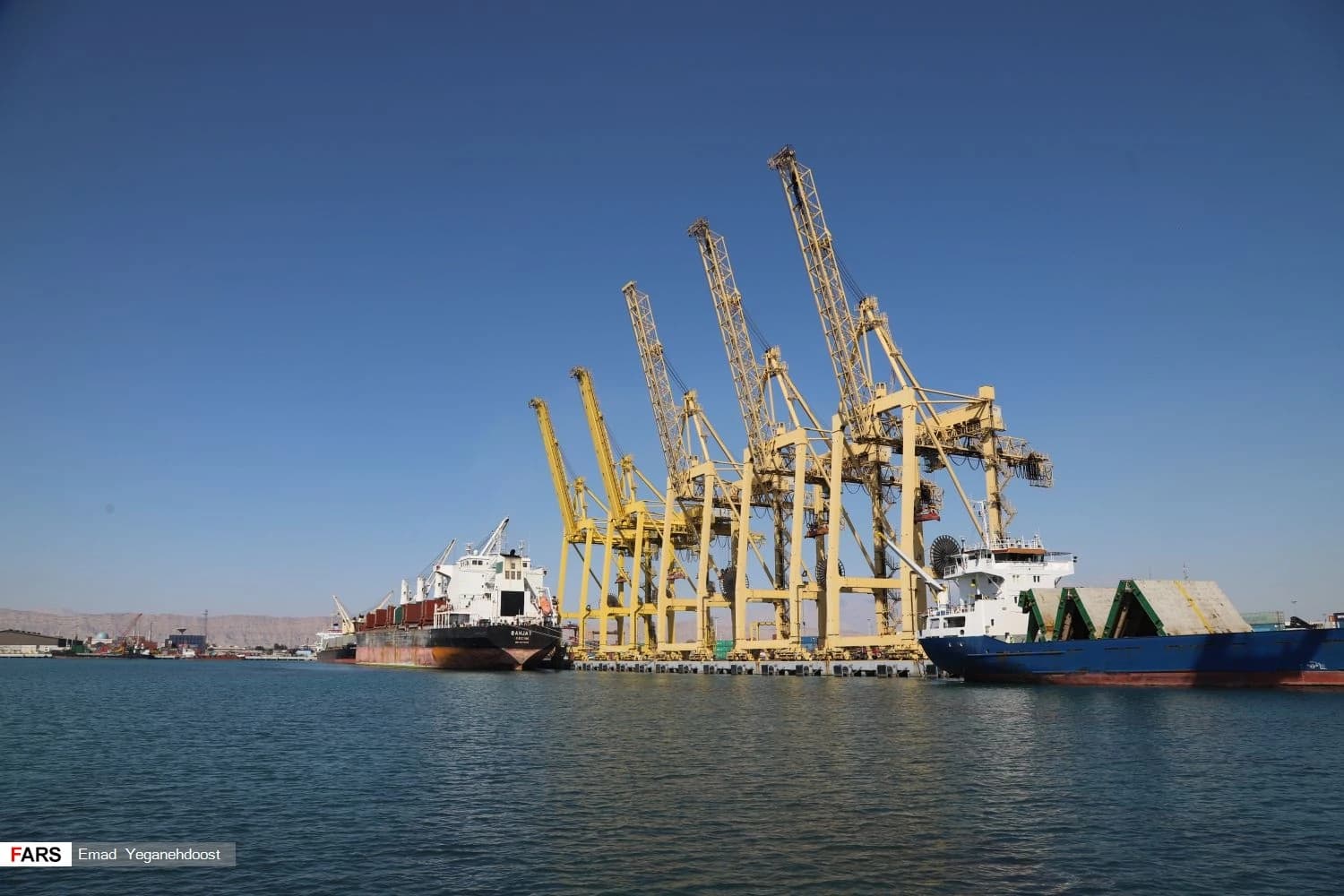
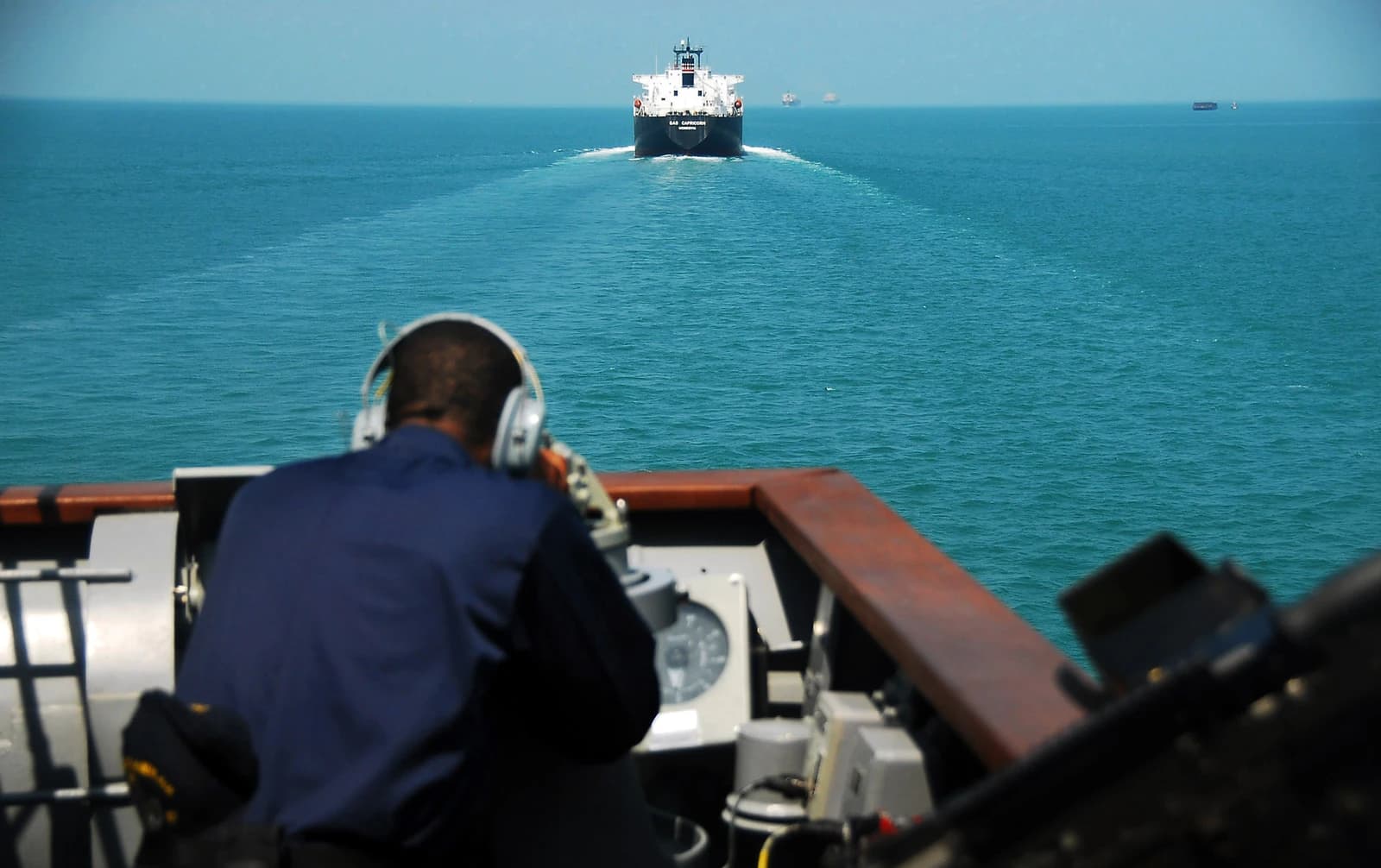
Iran has exempted ships from India, China, Iraq and Qatar from transit restrictions in the Strait of Hormuz, a move that lowers near-term disruption risk in one of the world’s most important energy and trade chokepoints.
Iran Exempts India, China, Iraq, Qatar Ships in Hormuz
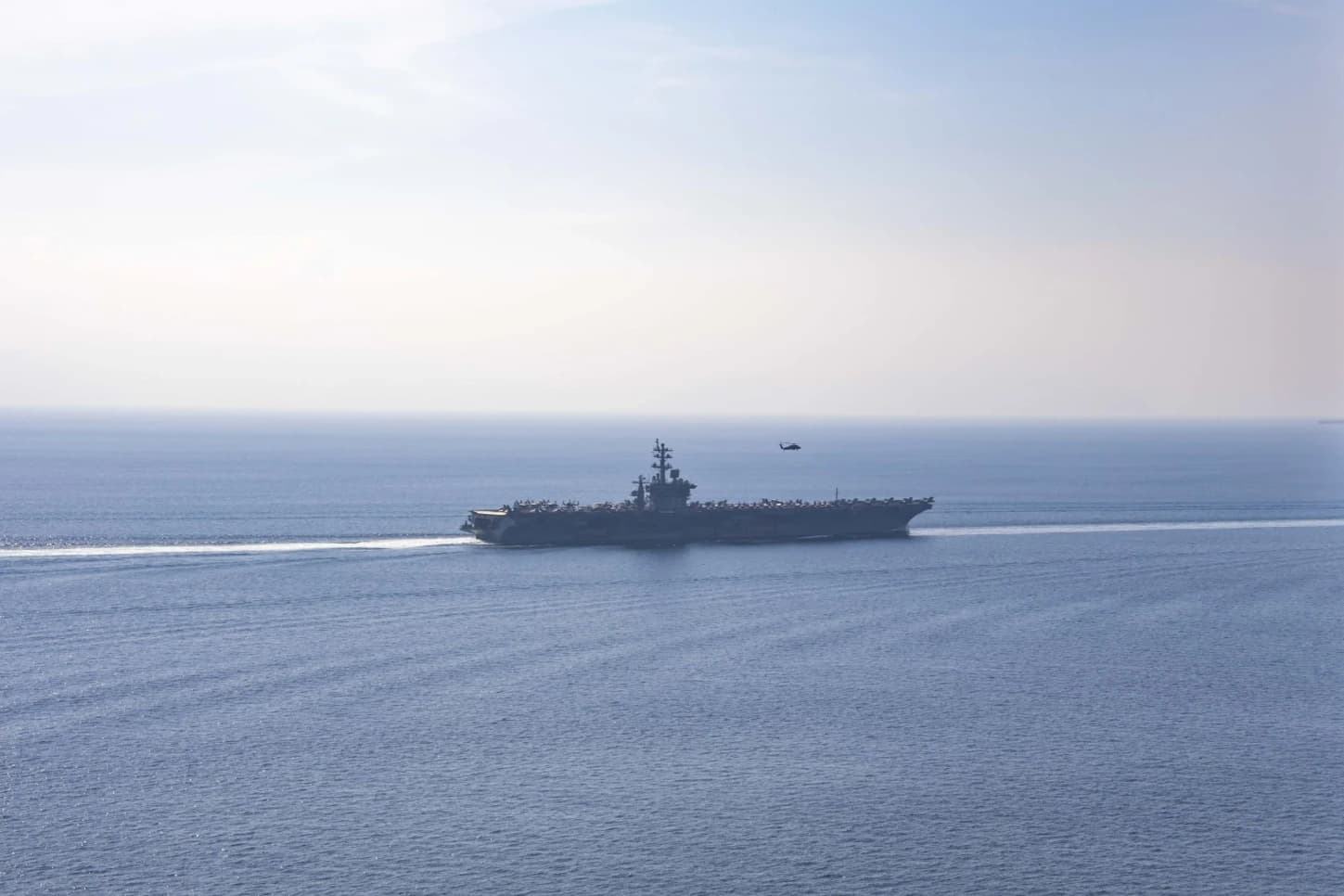
The decision matters because any limits on passage through Hormuz can quickly ripple through oil prices, freight rates, insurance costs and supply chains across Asia and Europe. By carving out exemptions for the region’s biggest Asian buyers of Middle Eastern energy, Tehran is signaling that it wants to preserve commercial flows even as it uses the strait as a geopolitical lever.
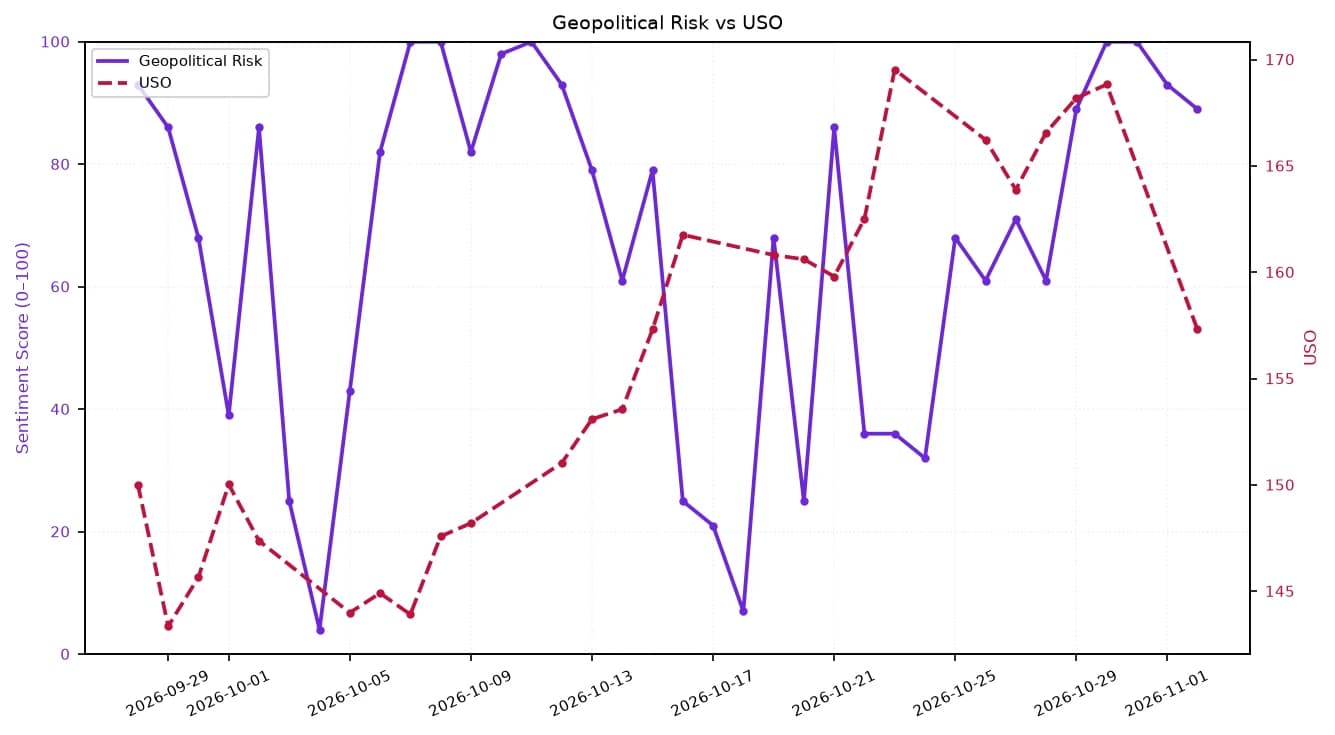
Sentiment Indicators
Oil WTI
A senior Iranian parliamentary security official said vessels from the four countries would “pass freely,” adding that U.S. forces were not intercepting them either. He said the arrangement reflected shared interests, including India’s need to keep medicine imports moving and China’s political importance to Tehran.
For investors, the immediate implication is a reduction in tail risk rather than a removal of it. The Strait of Hormuz still carries a significant share of globally traded crude and refined products, so even partial restrictions can lift crude benchmarks, widen tanker earnings and push up marine insurance. The exemptions suggest a more selective Iranian approach, one that tries to pressure adversaries without choking off revenue from key partners.
Oil WTI
That distinction matters for shipping names and energy markets. Carriers with exposure to Middle East routes, including container and tanker operators, tend to see a sharp re-pricing whenever Hormuz security deteriorates. When the threat recedes, the premium embedded in freight and insurance rates can unwind just as quickly, hurting the earnings outlook for operators that benefit from conflict-driven dislocation.
The news also fits a broader pattern of risk management around the strait. India has repeatedly pressed for freedom of navigation there, while China has an incentive to keep Gulf energy shipments steady. Iran’s willingness to exempt those countries underscores how its maritime policy is shaped not just by security concerns but by the need to preserve trade and political leverage with major customers.
The market response will depend on whether the exemptions are seen as durable or merely tactical. If regional tensions rise again, investors will quickly refocus on the vulnerability of tanker flows, energy supplies and shipping insurance. For now, the policy shift points to less disruption in the world’s most sensitive shipping lane, even if the underlying geopolitical risk remains firmly in place.
| Entity | Gains | Losses |
|---|---|---|
| India and China | ▲freer transit access | ▼less leverage from disruption |
| Iran | ▲keeps trade ties intact | ▼weaker coercive pressure |
| Tanker and shipping operators | ▲lower immediate conflict risk | ▼lower risk premium in freight |
| Oil market bears | ▲reduced supply shock risk | ▼less upside from strait tension |