Iran ordered 90 missile launch systems from Russia for delivery in 2024-2025, according to a Financial Times report that underscores how deeply Tehran is leaning on Moscow to rebuild and expand its strike capability despite Western sanctions and rising regional risk.
Iran orders 90 missile launch systems from Russia
The reported order matters because it points to a more industrialized military partnership between two sanctioned states that are both under pressure from the West and increasingly aligned on security. If confirmed, the contract would suggest Iran is not just buying individual weapons or components, but seeking to scale up launch capacity in a way that could improve the readiness, dispersal and survivability of its missile forces.
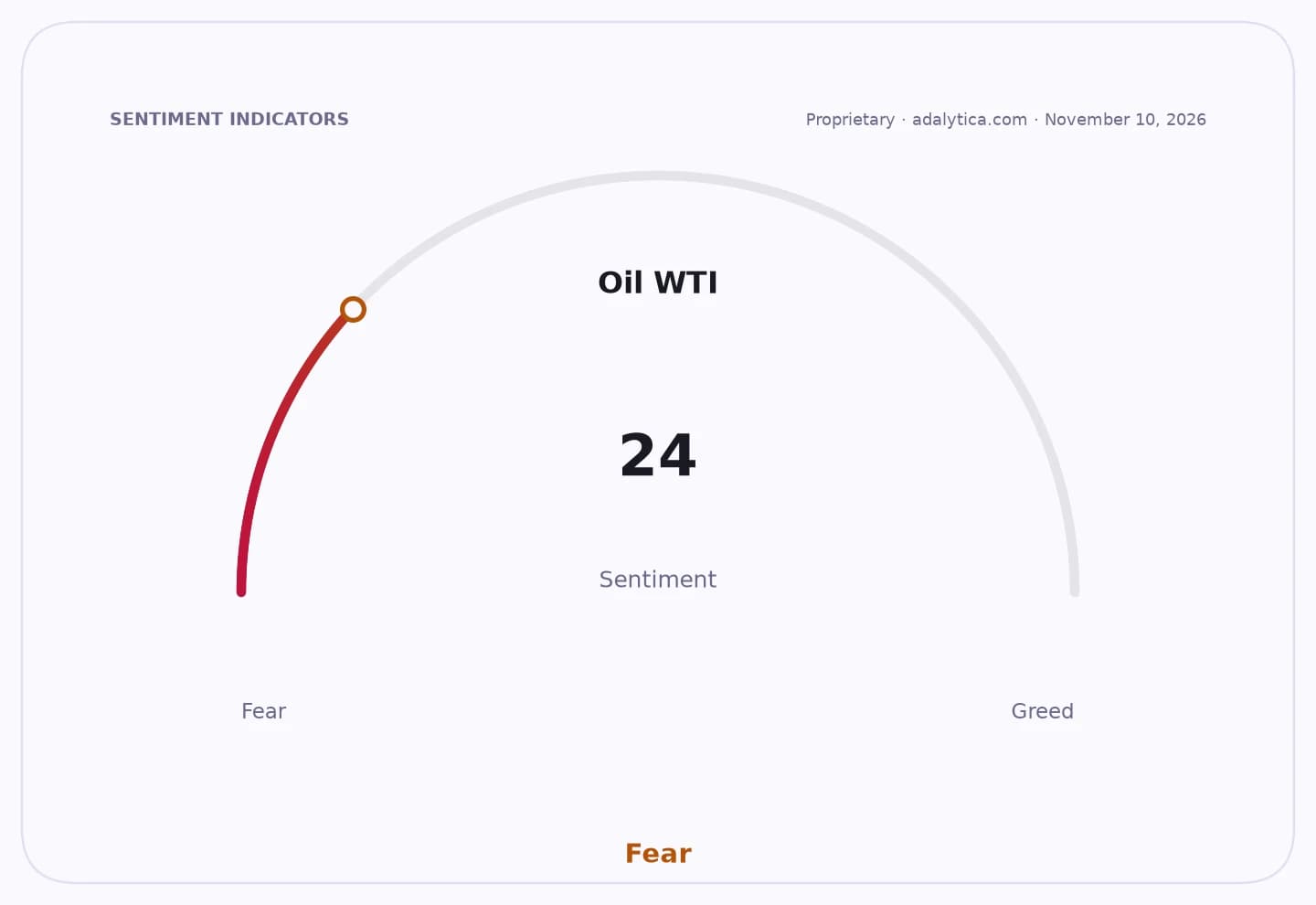
Sentiment Indicators
Geopolitical Risk
FT said a production schedule attached to a letter from Vympel to KB Mashinostroyeniya referenced a buyer identified as “K-10,” the code Russia uses for Iran, and listed 90 “APU-L” systems for that customer. The document also reportedly showed China ordering 192 “APU-305” systems. A separate note from Vympel urged faster delivery of APU-L and APU-305 components, warning delays could imperil nine contracts.
The key economic issue is that the flow of military hardware between Russia, Iran and China is becoming part of the broader sanctions-evasion and war-economy ecosystem. For Moscow, such orders can help sustain defense manufacturers and preserve production lines under wartime strain. For Tehran, they offer a route to replenish capabilities that are difficult to source from open markets because of embargoes and export controls.
For investors, the immediate market impact is not in the weapon itself but in the higher geopolitical premium it adds to energy, defense and risk assets. Any sign that Iran is expanding missile-launch infrastructure raises the probability of retaliation dynamics in the Middle East, which can feed into crude volatility, insurance costs and shipping risk through key routes. That helps explain why oil-sensitive proxies and defense shares remain highly reactive to any escalation narrative.
The market backdrop is mixed but cautionary. USO, which tracks oil exposure, has pulled back sharply from recent highs and its latest reading shows the fund trading above its 200-day moving average but below its 50-day average, with RSI in oversold territory. XLE has also eased after a strong run, suggesting investors have not yet priced in a sustained energy shock. By contrast, Lockheed Martin has held up far better, reflecting how defense contractors can benefit when geopolitical tensions increase procurement and replenishment expectations.
Russia’s role is central to the story. The reported order reinforces that the Kremlin is not only fighting its own war economy but also acting as a supplier of systems that could strengthen another adversary of the West. That complicates US efforts to isolate both countries and raises the risk that sanctions pressure will push them into even tighter military-industrial cooperation.
The bear case is that the underlying documents do not prove delivery, and the order may still be incomplete or delayed. The bull case for defense suppliers is that the larger pattern of rearmament, cross-border procurement and alliance-building is not a one-off, but part of a durable shift that should keep demand for missiles, launch systems and related components elevated.
For investors, the main takeaway is that the Iran-Russia defense relationship is no longer just a diplomatic headline. It is a supply-chain story with consequences for oil, shipping, sanctions risk and defense spending, and it remains a live catalyst for market volatility if regional tensions intensify further.
| Entity | Gains | Losses |
|---|---|---|
| Iran | ▲More launch capacity | ▼Higher sanctions scrutiny |
| Russia’s defense industry | ▲Order flow and revenue | ▼Deeper exposure to sanctions |
| Defense contractors | ▲Higher rearmament demand | ▼Less if tensions de-escalate |
| Oil importers | ▲None | ▼Higher crude and freight risk |