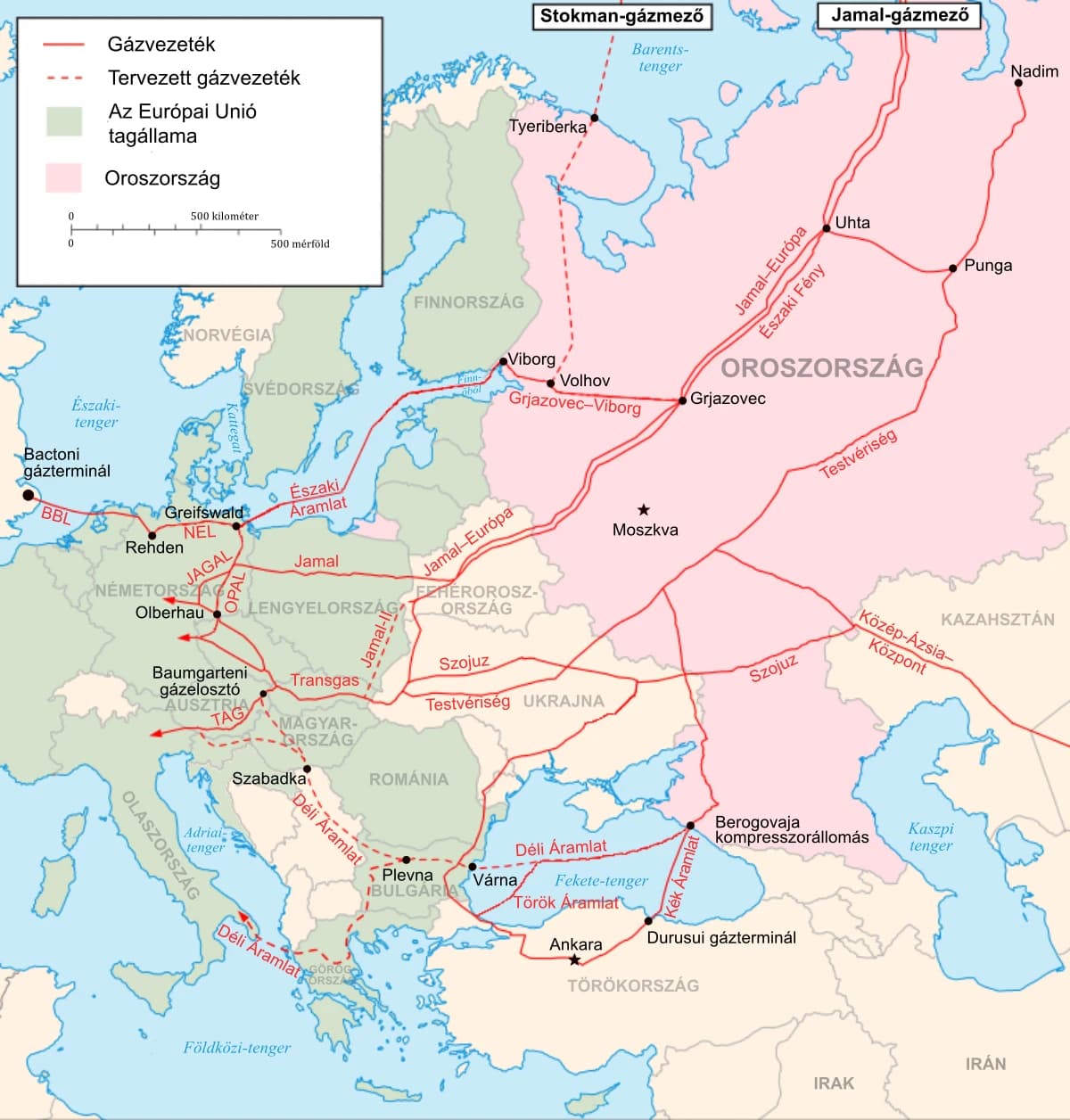
The United States and Russia are discussing a deal to build a gas terminal in Alaska in exchange for sanctions relief on Russia’s Arctic LNG-2 project, a potential energy reset that could reshape Arctic gas flows and test how far Washington is willing to trade geopolitical leverage for supply security.
U.S.-Russia Alaska LNG Terminal Sanctions Talks
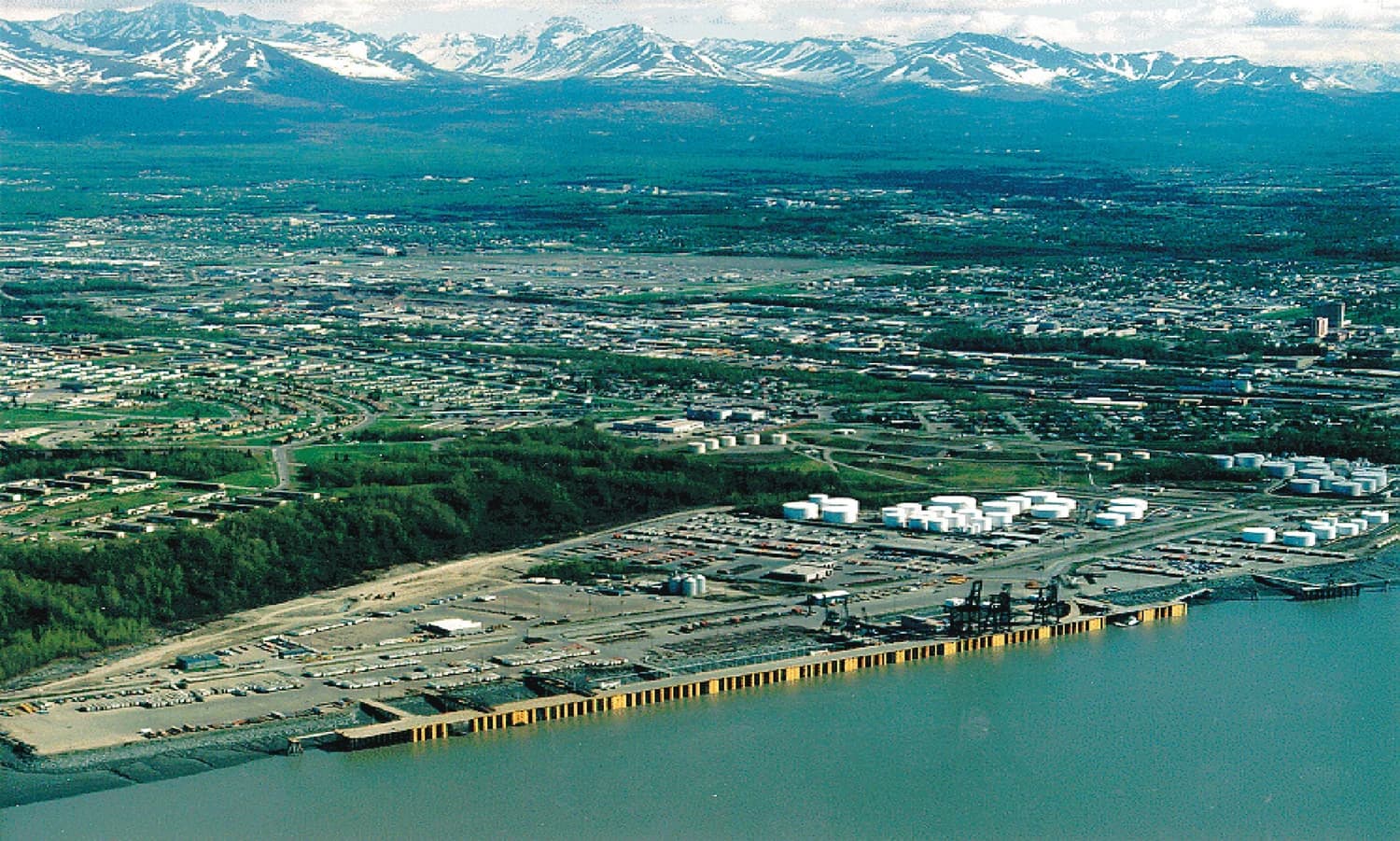
The reported talks matter because they would tie one of the biggest sanctions questions in Russian energy directly to U.S. infrastructure, with the overall project put at about $25 billion. If advanced, the plan could reopen a path for capital, equipment and offtake links into a sector that has been heavily constrained since Moscow’s invasion of Ukraine.
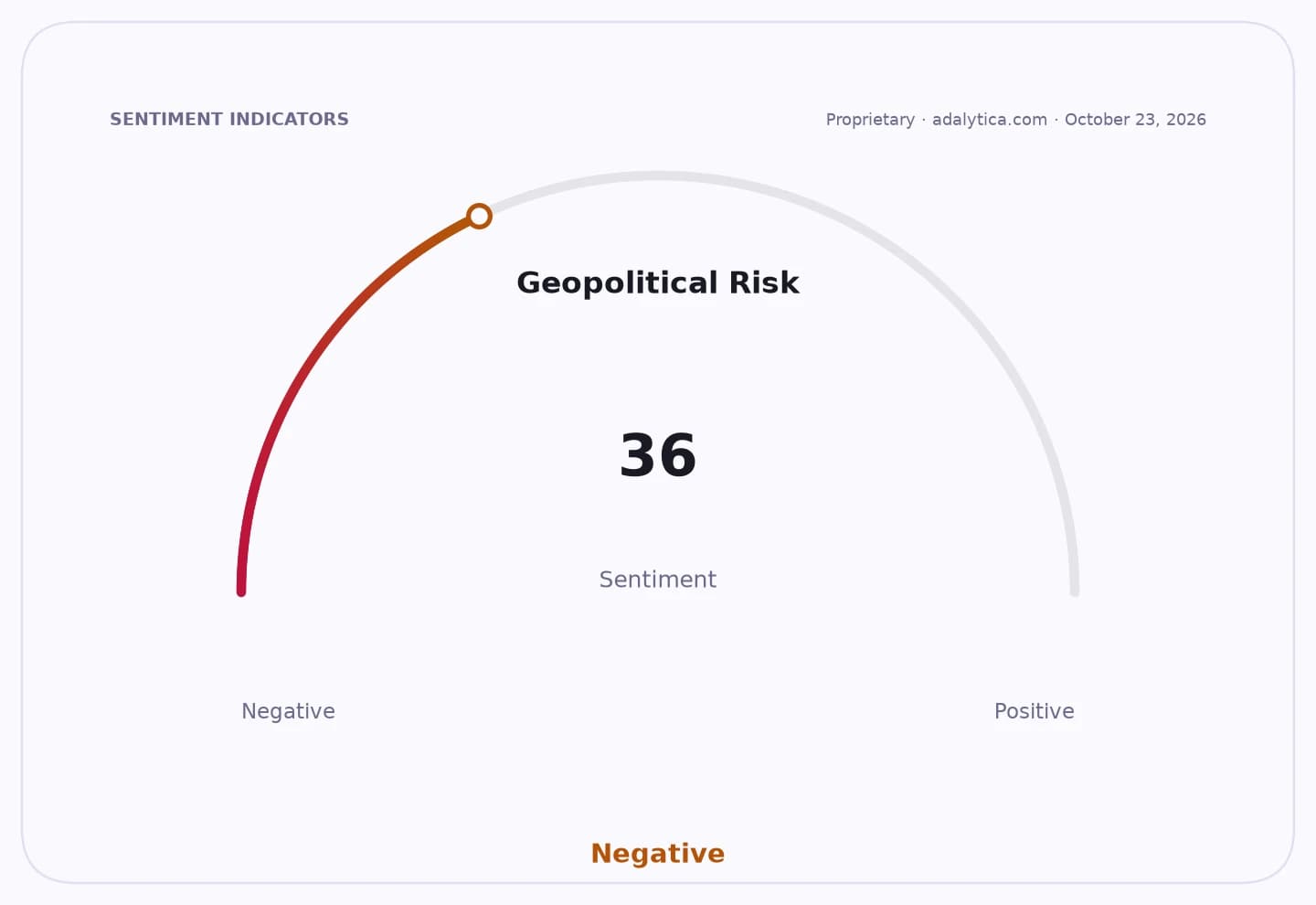
Sentiment Indicators
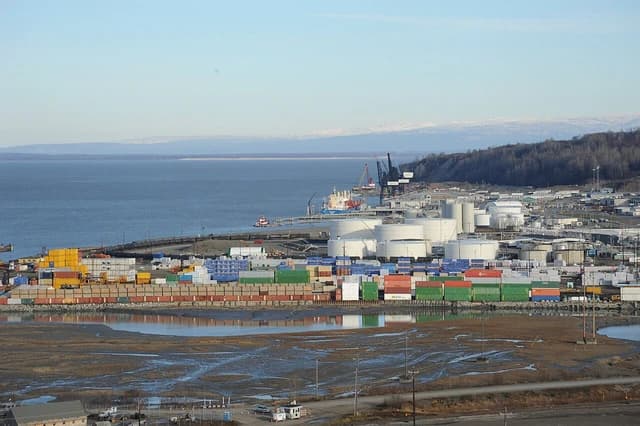
Financial Times, citing people involved with Polar Train LNG, said money was already being put into the Alaska terminal before it received final U.S. approval. The report also said former Polar Train chief executive Joel Riddle claimed investor Gentry Beach, who is linked to Donald Trump’s family, was involved — an assertion Polar LNG denies, calling Riddle a disgruntled former employee.
For investors, the story reaches beyond one terminal. It points to a possible thaw in U.S.-Russia energy ties that could alter pricing expectations for LNG, shipping and Arctic development, while also changing the outlook for sanctions-sensitive producers and contractors across the gas value chain. Any deal would likely face political scrutiny in Washington, but even the prospect of one can move assumptions around project timing, financing and export capacity.
Oil WTI
The backdrop is a firmer oil market and a renewed focus on energy security. Brent-linked crude has been trading above $100 a barrel in recent sessions, while major oil names including Exxon Mobil and ConocoPhillips have outperformed, reflecting investor appetite for upstream exposure as geopolitical risk stays elevated. A broader easing in Russia-related sanctions would also be watched by traders in gas and LNG names, where supply expectations can shift fast on policy headlines.
For now, the key question is whether warmer U.S.-Russia relations can translate into a formal energy compromise, or whether the Alaska terminal remains a speculative bargaining chip in wider geopolitical talks.
| Entity | Gains | Losses |
|---|---|---|
| Alaska terminal backers | ▲Project financing prospects | ▼Policy uncertainty |
| Russia’s Arctic LNG-2 | ▲Sanctions relief odds | ▼Isolation from Western capital |
| U.S. gas producers | ▲Potential infrastructure buildout | ▼Possible price competition |
| Sanctions hardliners | ▲— | ▼Leverage over Moscow |