President Donald Trump’s warning that the U.S. may at some point need to deliver a “crushing blow” to Iran sharpened the market’s focus on a conflict that could quickly spill from rhetoric into oil prices, credit spreads and defense demand.
Trump Iran Warning Lifts Oil and Energy Stocks

The threat matters economically because the Middle East remains the world’s most important marginal source of crude supply, and any escalation around Iran risks disrupting shipping routes, lifting energy costs and complicating the inflation outlook just as investors are watching interest-rate expectations and growth. Oil has already been trading near levels that reflect elevated geopolitical risk, and a fresh round of strikes or retaliation would raise the probability of a more persistent supply shock.
Sentiment Indicators
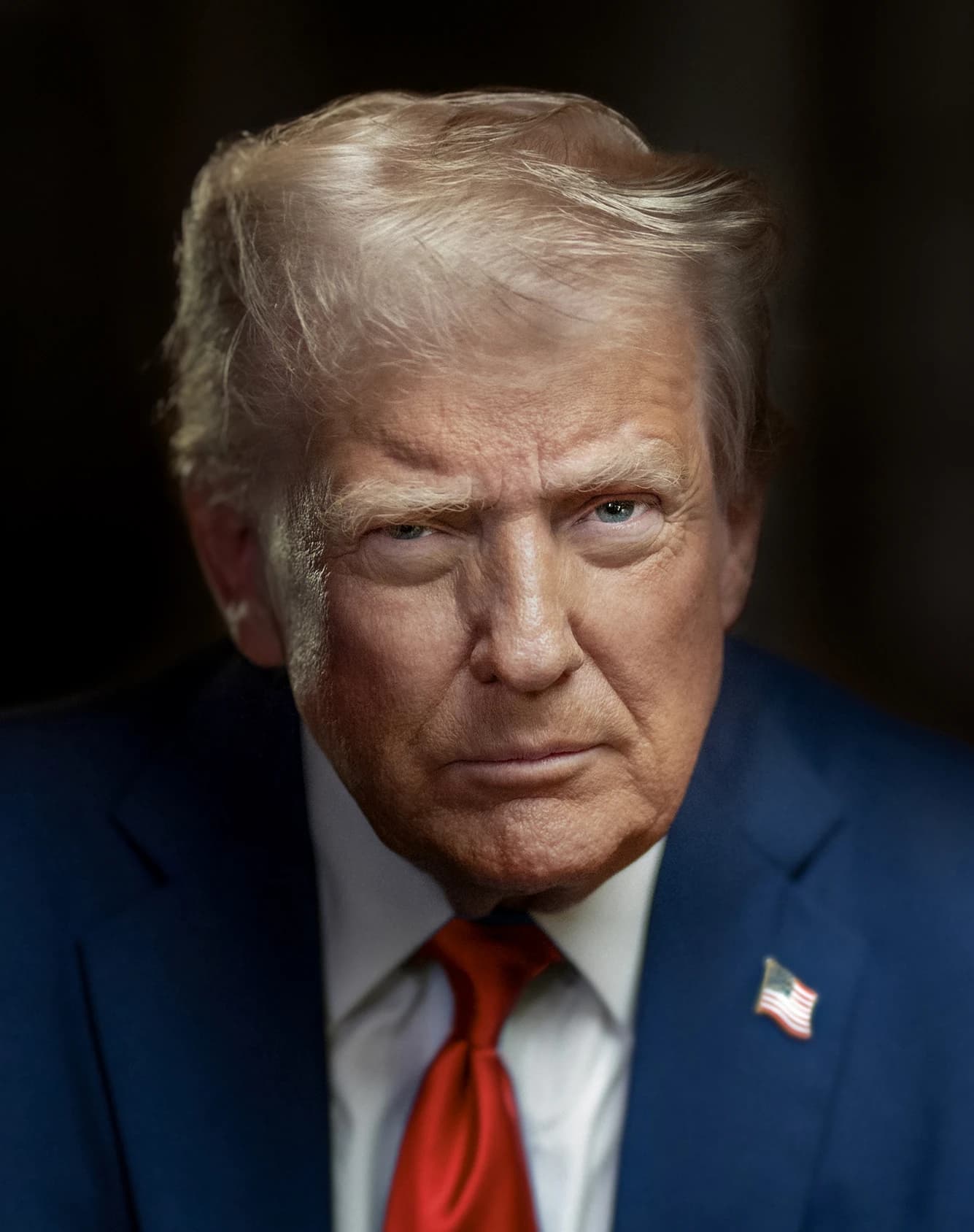
Trump made the remarks at a campaign-style rally in Iowa, saying he had held back because he wanted to “be nice” and save lives, but added that “at some point, we’ll have to give them a crushing blow.” The comments came amid signs that U.S. Central Command has been weighing additional strike options and as Washington and Tehran continue to exchange warnings over the risk of direct confrontation.
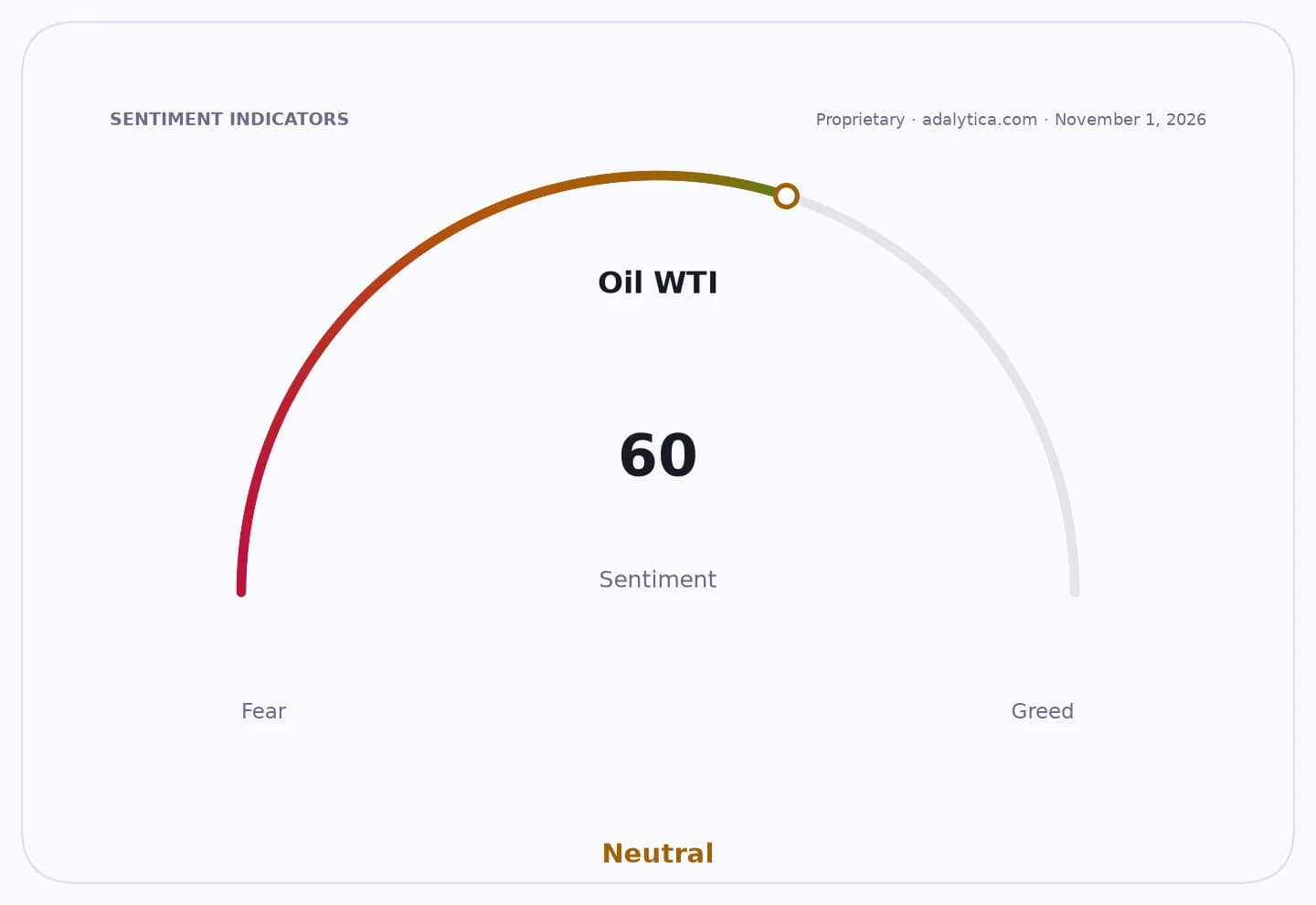
Markets are already pricing some of that tension. USO, the oil ETF, closed at $168.83 on Oct. 30 after a sharp run higher, with its 50-day moving average at $150.09 and its relative strength index at 77, a reading that typically suggests the fund is overbought but also that traders are still leaning into the energy trade. XLE, the energy sector ETF, rose to $70.02, while the oil-services fund OIH advanced to $411.57, both extending gains as investors positioned for higher crude and stronger upstream earnings if supply risks intensify.
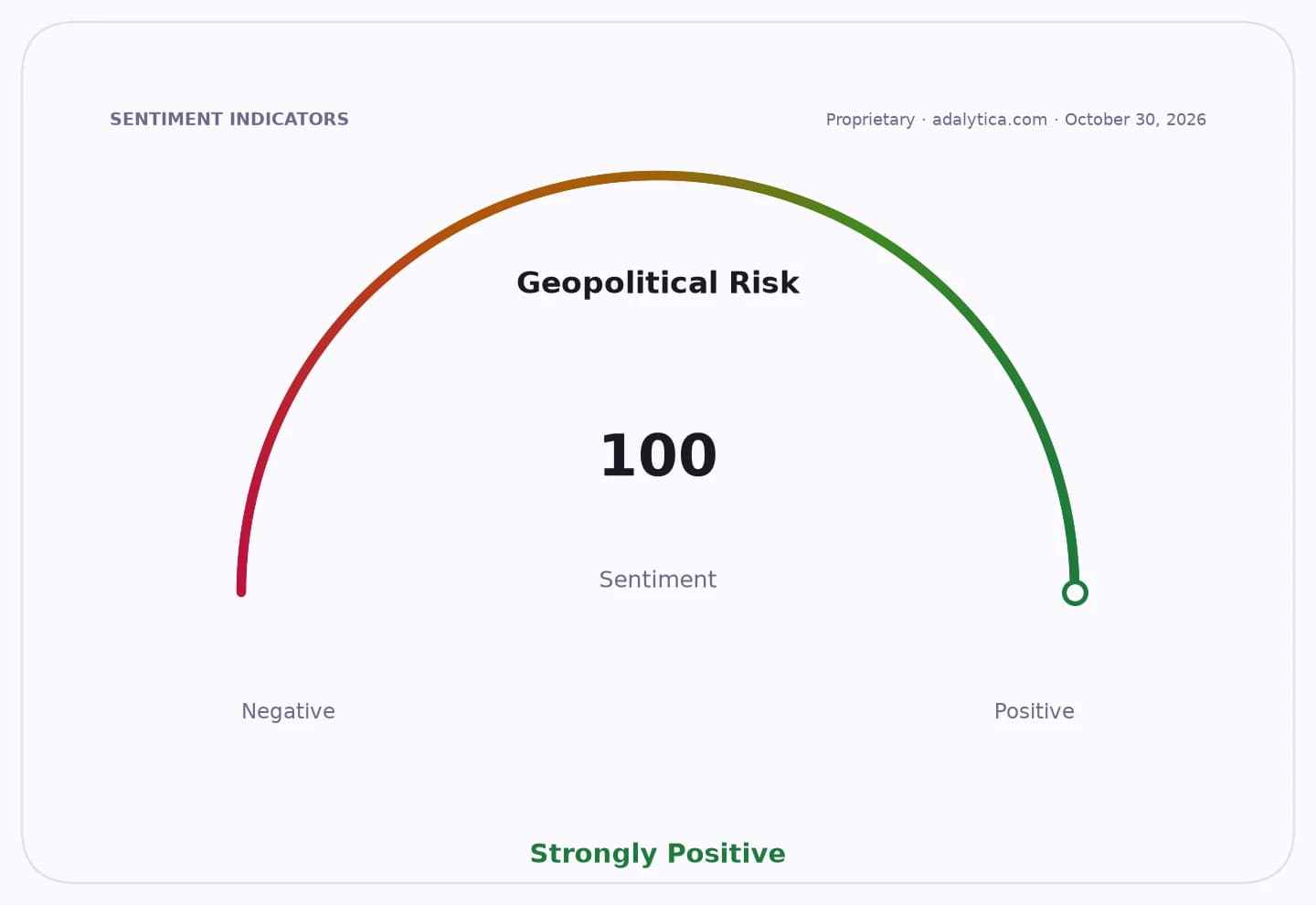
Geopolitical Risk vs USOadalytica.com
Explore this data interactively — full history, time series and cross-market comparisons.
That setup leaves energy producers in a stronger position than refiners, airlines and other fuel consumers, which face margin pressure if crude spikes faster than they can pass on costs. A move higher in oil would also feed into Treasury market concerns about inflation, especially with the 10-year yield already near 5%, and could keep the Federal Reserve under pressure to hold rates higher for longer.
The broader market backdrop is mixed. Credit stress remains contained for now, with high-yield spread gauges still well below crisis levels, but Adalytica’s Global Stability Sentiment shows “Extreme Greed” at 93 even as awareness sits in “Extreme Fear” territory, a sign that investors may be underpricing the tail risk of a sudden geopolitical shock. The U.S. dollar signal, meanwhile, has weakened sharply, underscoring how sensitive the currency and rates complex can be when traders move toward or away from safe havens.
For investors, the key question is whether Trump’s warning remains election-season brinkmanship or becomes the prelude to actual military action. If it stays rhetorical, oil’s recent rally may cool and energy equities could give back part of their gains. If Washington and Tehran move closer to direct conflict, crude, defense stocks and safe-haven assets would likely outperform, while risk assets tied to transport, consumer spending and industrial demand would face a tougher backdrop.
| Entity | Gains | Losses |
|---|---|---|
| Energy producers | ▲Higher crude prices | ▼Demand destruction if conflict deepens |
| Fuel consumers | ▲Lower input costs if tensions ease | ▼Margin pressure from pricier oil |
| Defense contractors | ▲Rising security budgets | ▼Diplomatic de-escalation |
| Oil importers | ▲Stable supply if no strikes | ▼Inflation shock from supply disruption |