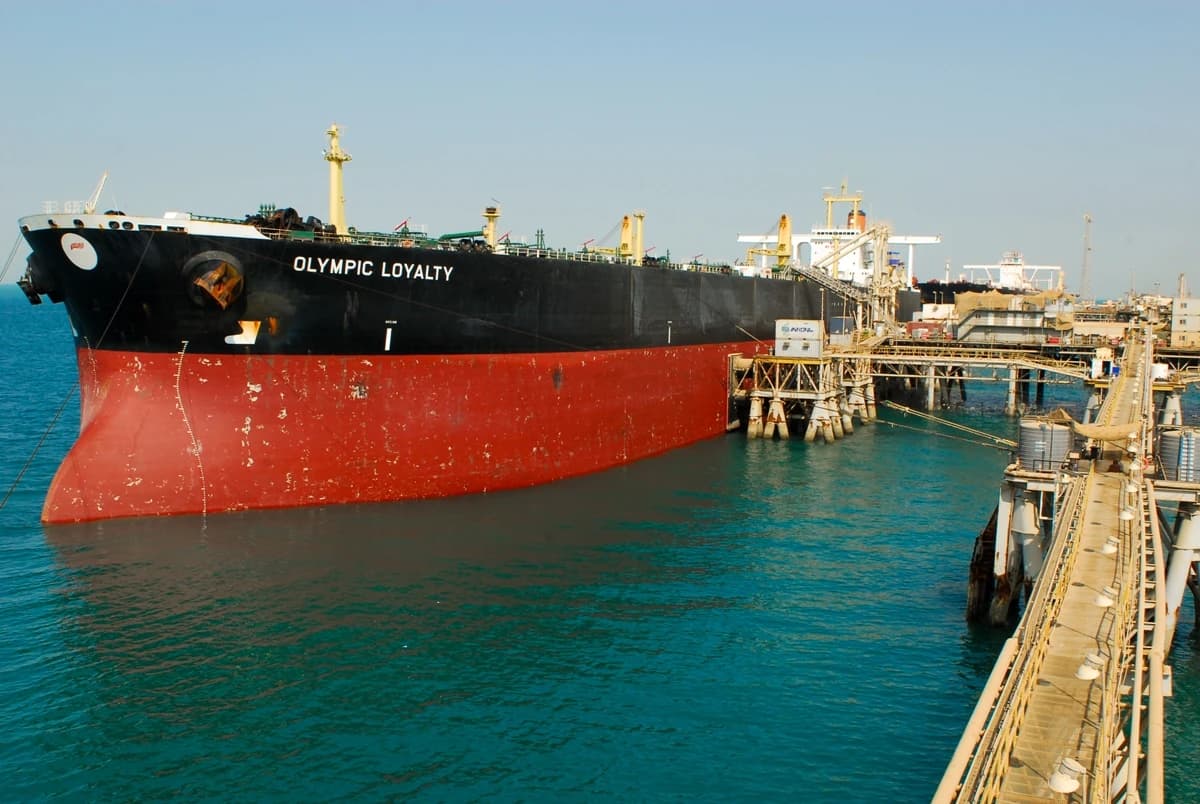
Oil prices are riding a fifth straight weekly advance, and that matters because the market is once again pricing in a real risk to global supply rather than just a temporary headline spike. Brent settled above $116 a barrel, its highest close in nearly six months, after new worries about disruptions from the Middle East added to an already tight energy backdrop.
Oil prices rise on Middle East supply risks
Brent crude rose $3.55, or 3.14%, to $116.72 a barrel, its best settlement since late April, while U.S. West Texas Intermediate climbed $3.80, or 3.8%, to $103.27. For the week, Brent gained more than 6% and WTI rose 2.3%, extending a rally that is starting to look less like a short squeeze and more like a market with very little spare capacity to absorb shocks.
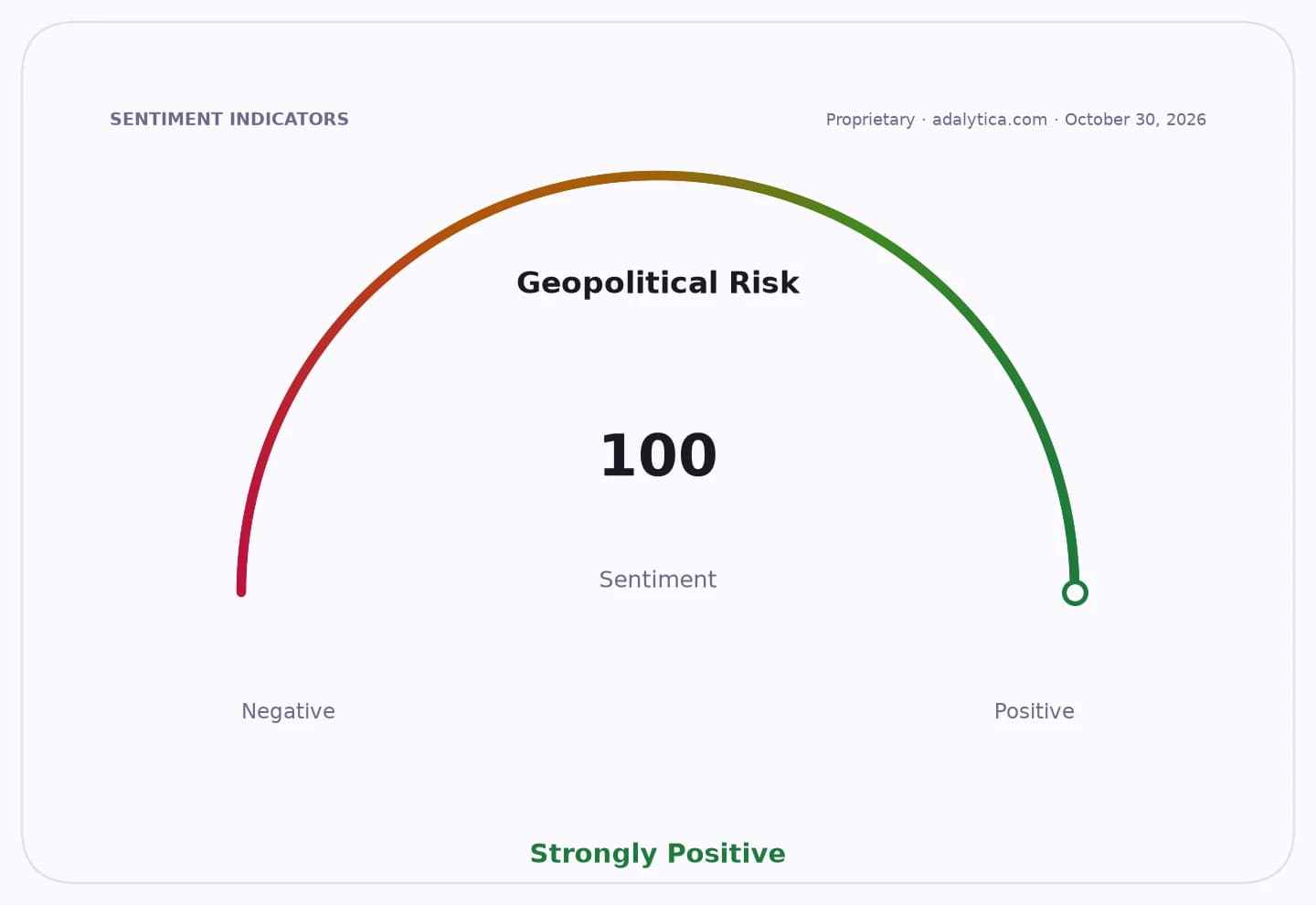
Sentiment Indicators
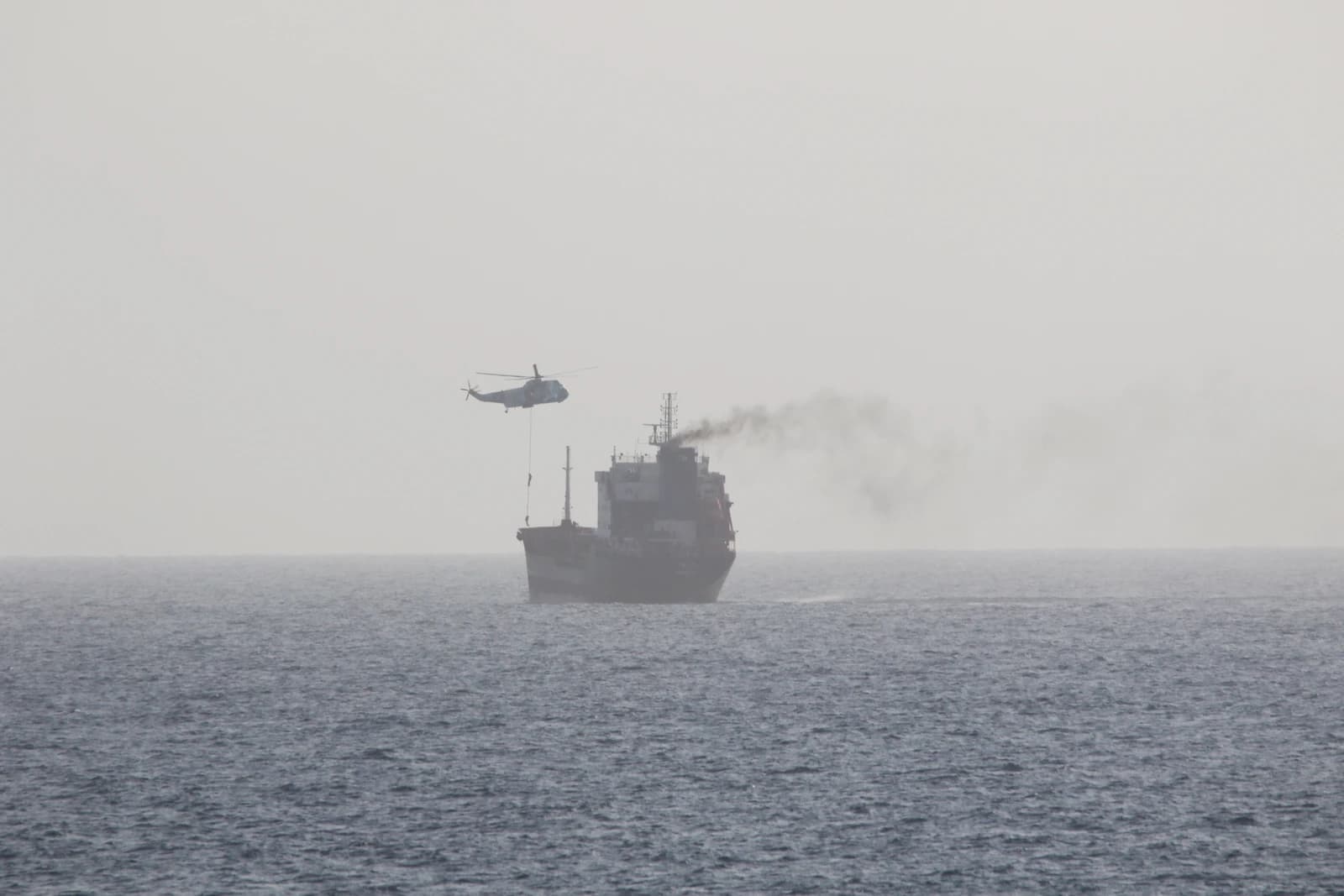
The immediate catalyst was renewed concern over supply interruptions across the Middle East, including reports of a tanker damage off the UAE coast and a separate oil leak from another vessel. Traders are also watching attacks on ships in and around the Strait of Hormuz, the most important chokepoint for global oil flows. When the market starts worrying about tankers, pipelines and ports all at once, the price response is usually fast and brutal — because even the threat of lost barrels can force refiners, shippers and consumers to scramble for replacement supply.
That is why this move matters economically. Higher crude prices feed straight into gasoline, diesel and shipping costs, and those effects ripple through inflation, corporate margins and central bank policy. The energy shock is also arriving at a bad time for consumers already dealing with elevated living costs. For investors, the implications are just as clear: energy producers and select oil-service names tend to benefit from sustained price strength, while airlines, chemical makers, transport companies and broad market indexes face pressure if fuel costs stay high for long enough.
There are a few other signals that this isn’t just a one-day burst of fear. U.S. crude inventories are no longer the only cushion being tapped: Washington authorized an emergency swap from the Strategic Petroleum Reserve, Germany moved to sell products from its own reserves, and Libya reported a pipeline shutdown that reduced output. In other words, policymakers are already reaching for emergency tools, which is usually what happens when the market senses it has run out of easy fixes.
The technical picture also reflects strength. Brent finished above its 50-day and 200-day moving averages, and its relative strength index remained elevated, a sign the rally is extended but still being supported by strong momentum. U.S.-listed oil exposure such as USO has also pushed sharply higher, underscoring how quickly capital has moved back into the trade as geopolitics worsens.
For long-term investors, the lesson is not to chase every headline, but to remember that energy is one of the clearest examples of how geopolitics can overwhelm supply-and-demand models in the short run. If the Middle East situation remains unstable, oil companies with strong balance sheets, disciplined capital returns and low-cost production could continue to outperform. If tensions ease, prices can retreat just as quickly. Either way, this is a reminder that energy exposure still belongs in a diversified portfolio, especially for investors who think in years rather than weeks.
| Entity | Gains | Losses |
|---|---|---|
| Oil producers | ▲Higher realized prices | ▼Greater political scrutiny |
| Consumers | ▲— | ▼Higher fuel and transport costs |
| Refiners and airlines | ▲— | ▼Margin pressure from dearer crude |
| Energy investors | ▲Cash flow momentum | ▼Volatility if tensions ease |