The future of South Africa’s coal dependence is being tested in court as communities in one of the country’s biggest coal belts live with the health and environmental costs of keeping the lights on.
South Africa Coal Capacity Challenge Goes to Court
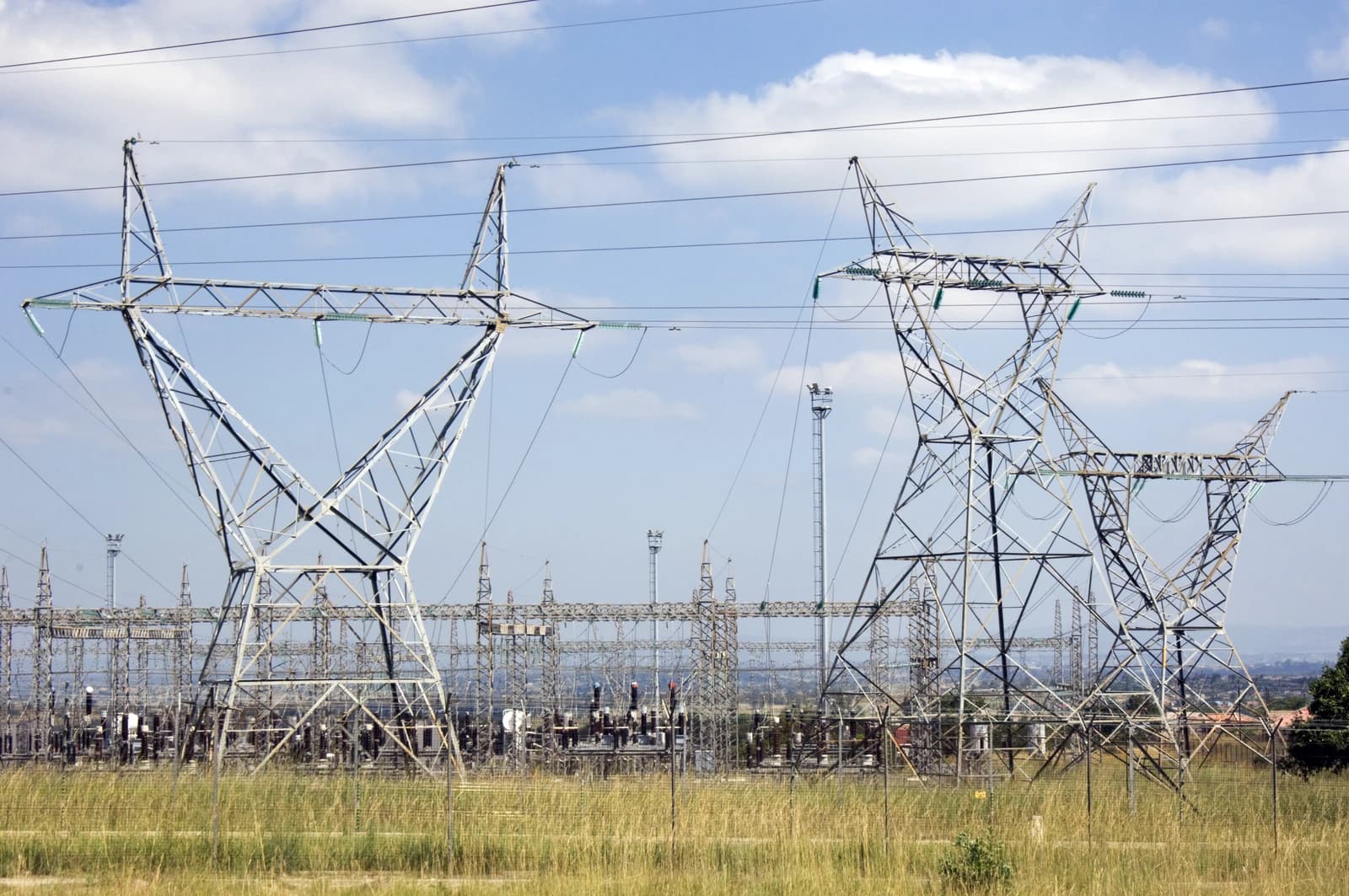
A legal challenge over 1,500 megawatts of planned new coal-fired capacity has become more than a dispute about power generation. It has turned into a referendum on how much pollution, illness and environmental damage South Africa is willing to tolerate in exchange for energy security, jobs and industrial output. That trade-off matters because coal still supplied 83% of the country’s electricity in 2024, while renewables accounted for just 9%, leaving the grid heavily exposed to the fate of an aging and controversial fuel.
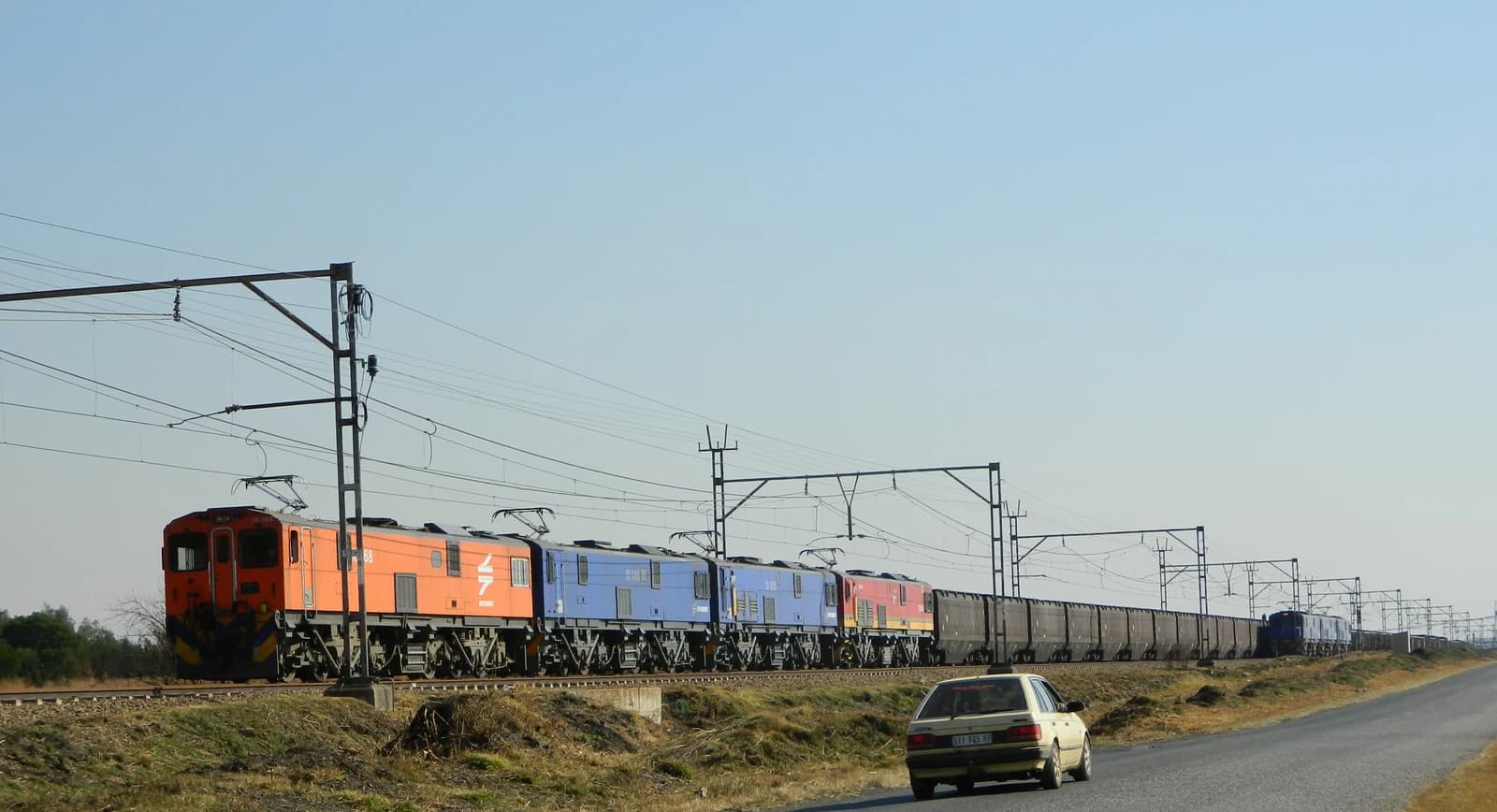
The case reached the Supreme Court of Appeal after a lower court in 2024 ruled that approvals for the additional coal capacity were unlawful and invalid. The government is arguing that the new plants are needed to protect supply and economic stability, a case strengthened by recent progress at Eskom: South Africa went 467 days without planned blackouts by the end of August, and the utility said it had restored 6,100 megawatts of capacity while unplanned outages fell almost 40% from a year earlier.
That improvement has given coal defenders political cover. In a system where load shedding has been one of the biggest constraints on growth, any argument framed around reliable baseload power carries weight with policymakers, industrial users and investors who have lived through years of utility failure. But it also sharpens the question of whether South Africa is solving a near-term power problem by locking in a longer-term health and climate burden.
Nowhere is that more visible than eMalahleni, a coal town where mines and power stations sit close to homes and schools. Families there describe the cost in asthma, dust, dirty laundry and persistent irritation from the air. For residents such as Princess Mathebula and her mother Mbali, coal is not an abstract component of the national energy mix but a daily source of respiratory strain. Local doctors say the illnesses are multifactorial, but argue that continued investment in solar, wind and other alternatives would reduce the burden on communities already living beside mines and thermal plants.
Environmental activists, including the Vukani Environmental Movement, say the proposed capacity expansion ignores the health impact on children and other vulnerable residents. They are not calling for all coal operations to shut immediately, but rather opposing new coal-fired generation that would deepen the country’s dependence on a fuel already responsible for most of its electricity.
Industry, however, is pushing the other way. Liberty Coal says coal remains central to employment and regional economic activity, pointing to more than 160 mines in the Witbank area and about 3 billion rand invested over the past two years. The company has been hiring and refurbishing equipment after acquiring Optimum Coal out of business rescue in 2024, underscoring how coal still anchors local incomes even as the national transition debate accelerates.
For investors, the story is less about a binary win for coal or renewables than about transition risk. South Africa’s grid still relies overwhelmingly on coal, so any abrupt policy shift would threaten supply stability and existing mining-linked cash flows. But the legal and social pressure around new coal builds raises the bar for future investment, financing and permitting, especially for projects that would extend the life of the sector rather than simply maintain existing output.
That makes the appeal outcome important beyond one 1,500-megawatt proposal. A ruling against the government would strengthen the hand of environmental challengers and likely make new coal development harder to justify politically and financially. A ruling in favor of the state would buy time for coal producers and power planners, but it would not remove the underlying pressure from courts, communities and investors to accelerate cleaner alternatives.
In eMalahleni, the debate is already settled in human terms: coal supports jobs, but it also fills the air. The broader question for South Africa is whether the country can preserve energy reliability without leaving the same communities to absorb the cost of the transition.
| Entity | Gains | Losses |
|---|---|---|
| Eskom / government | ▲Near-term grid stability | ▼Transition credibility |
| Coal miners / Liberty Coal | ▲Jobs, output, investment returns | ▼Regulatory and legal risk |
| eMalahleni residents | ▲Potential future cleaner air if transition accelerates | ▼Health burden from pollution |
| Renewable developers | ▲Stronger policy case if coal expansion is blocked | ▼Slower progress if coal wins court support |