Africa’s liquefied natural gas exports are poised to surge over the next decade, with Sub-Saharan shipments projected to rise 175% by 2034 as global buyers look beyond the Middle East for new supply. The scale of the increase matters because it could redraw LNG trade flows, lift export revenues across key producers and intensify competition for capital in one of the world’s most promising but highest-risk gas frontiers.
Africa LNG exports seen rising 175% by 2034
A report cited by OilPrice.com, based on Fitch projections, says Sub-Saharan LNG exports may climb to 98 billion cubic metres a year from 35.7 billion cubic metres in 2024. The jump is being driven by major projects in Mozambique, Nigeria, Senegal and Mauritania, along with new offshore discoveries, floating LNG developments and infrastructure buildout.
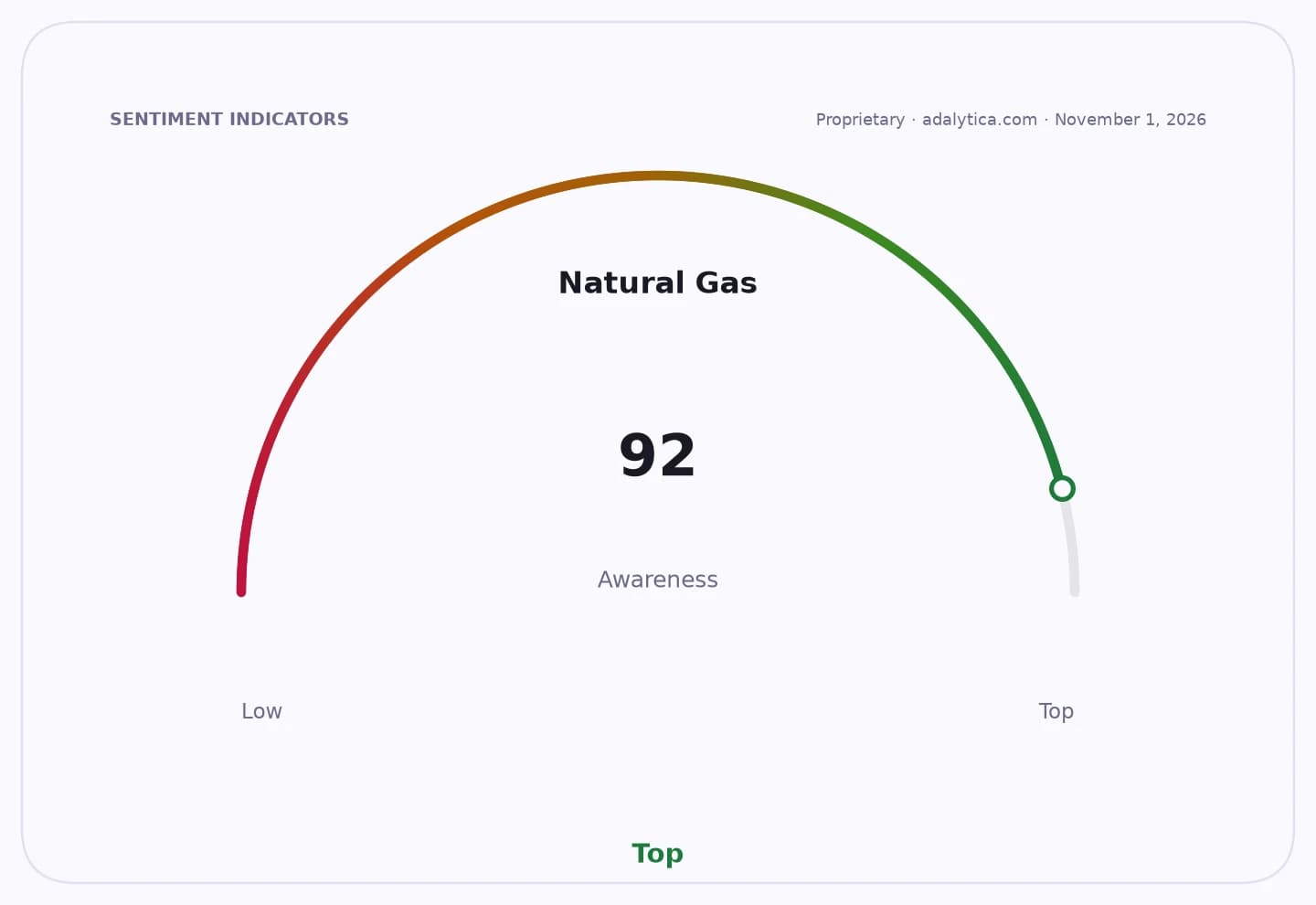
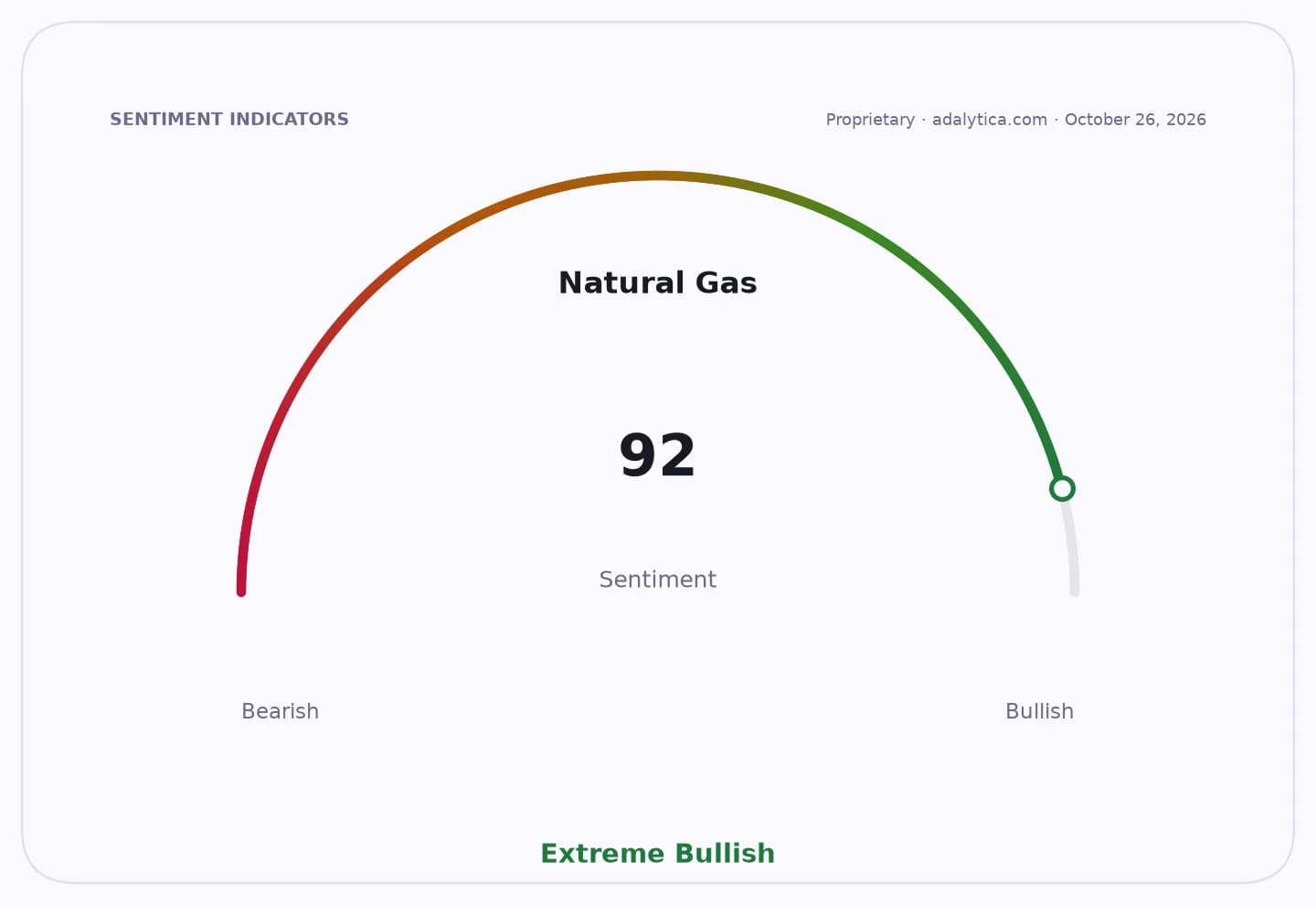
Sentiment Indicators
Nigeria stands out as the biggest near-term beneficiary. The country is already Africa’s best-established LNG exporter, and the government’s Decade of Gas policy is aimed at turning its large reserves into industrial feedstock, domestic power and export earnings. Nigeria LNG’s Train 7 expansion is expected to raise capacity from 22 million tonnes to 30 million tonnes a year, while the state oil company and upstream partners have signed long-term gas supply deals to support feedstock.
Mozambique is another critical piece of the supply story. TotalEnergies’ Mozambique LNG project and Eni’s Coral North floating LNG development could make the country one of the region’s largest exporters once fully online, adding to a pipeline of projects that investors have long watched for execution risk as much as upside.
Senegal and Mauritania have already entered the market through the Greater Tortue Ahmeyim project, which shipped its first cargo in April 2025. Its first phase has capacity of about 2.5 million tonnes a year, with more output due in later phases. The report also points to opportunities in Tanzania, Angola, Congo and Gabon, underlining that the export buildout is broader than a few flagship projects.
For investors, the story is less about near-term commodity price swings than about long-duration capital allocation. Africa’s gas expansion could generate export receipts, jobs and infrastructure spending, while strengthening regional balance sheets in countries such as Nigeria that need new revenue sources. The African Energy Chamber estimates upstream investment in Africa could average about $40 billion a year through 2030, a figure that signals the size of the financing opportunity.
The path from projection to production remains the key risk. Security, regulation, financing and project timing will determine whether Africa can capture the export boom or remain a marginal supplier. If the buildout holds, the continent could become a more important LNG swing source just as global demand for flexible gas supply remains elevated.
| Entity | Gains | Losses |
|---|---|---|
| Nigeria LNG | ▲Higher capacity, more exports | ▼Project execution risk |
| Mozambique gas projects | ▲Future LNG revenues | ▼Security and timing delays |
| Global LNG buyers | ▲More diversified supply | ▼Dependence on new project delivery |
| Middle East exporters | ▲ | ▼Share of incremental demand |