Algeria’s gas market is under strain as rising local consumption and planned maintenance at liquefaction plants cut the volumes available for export, threatening one of the state’s most important sources of foreign currency.
Algeria Gas Exports Fall as Domestic Demand Rises
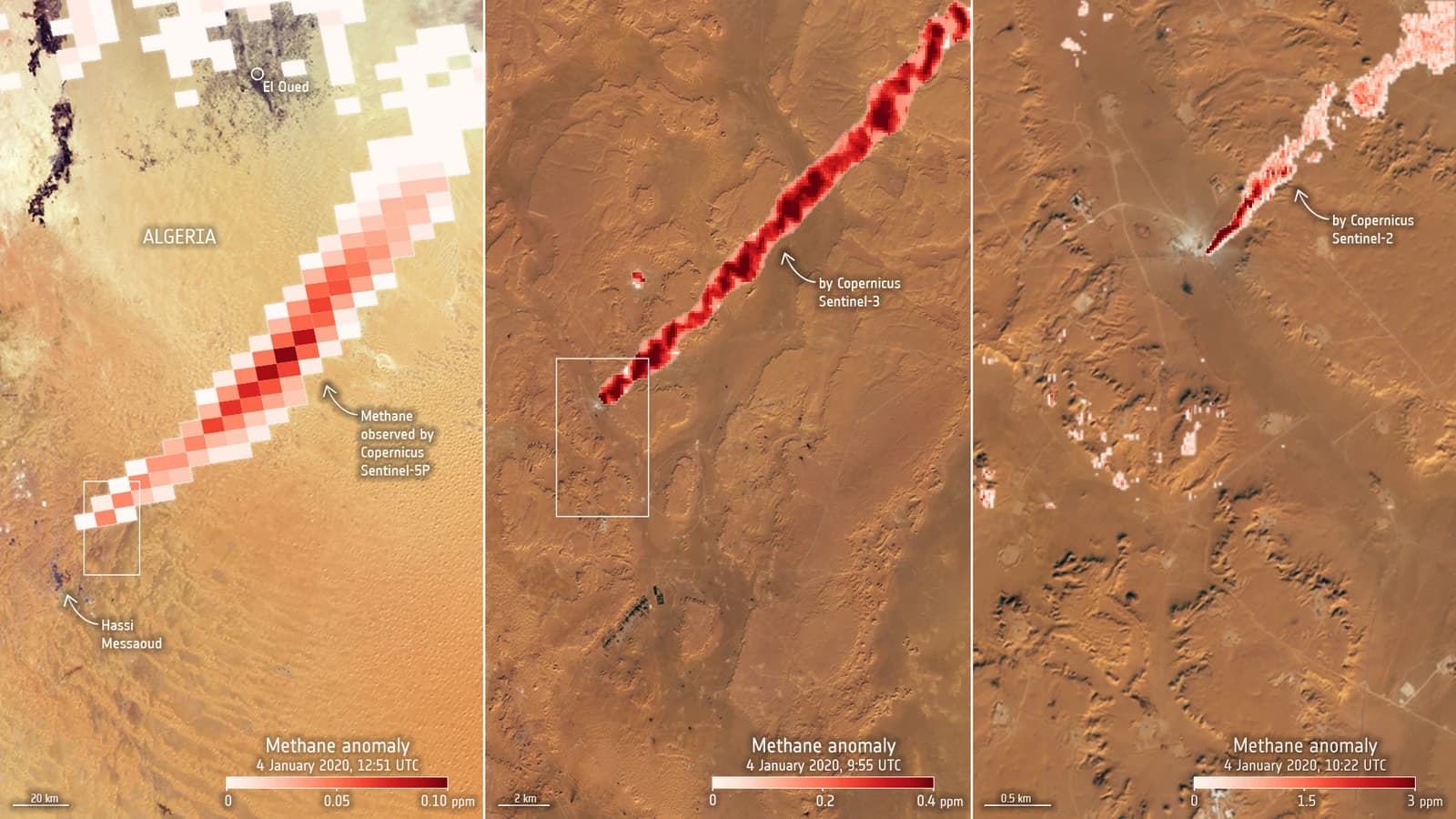
State energy group Sonatrach said domestic gas demand rose 7.8% in 2025, or 4.5 billion cubic meters, while gas sent to liquefaction plants fell 16% to 16.4 billion cubic meters from 19.5 billion a year earlier. That shift helped pull overall gas exports down to 46.2 billion cubic meters from 49.3 billion in 2024, even as Algeria’s primary hydrocarbons output edged higher.
Sentiment Indicators
The decline matters because Algeria still depends heavily on hydrocarbons to finance the budget and support external accounts. Less gas available for liquefaction reduces LNG shipments to Europe at a time when the continent is still seeking supply diversification, while more gas diverted to power stations underscores how fast domestic energy needs are consuming output that would otherwise be sold abroad.
Sonatrach’s annual report shows the pressure is not coming from a single operational problem but from a structural squeeze. Hotter-than-usual summer temperatures lifted electricity demand and drove a record 21,828 megawatts of power consumption on Aug. 19, according to the company’s cited industry data. Much of Algeria’s power generation still runs on gas-fired turbines, so higher cooling demand translates directly into more gas burned at home.
Maintenance also weighed on production at the Skikda and Arzew liquefaction complexes, while equipment replacement and upgrades temporarily disrupted output. An energy analyst quoted in local media said the LNG drop was temporary and that production should rebound in the final quarter, but the broader message is that Algeria is having to choose increasingly between domestic electricity demand and export earnings.
That trade-off is hitting Sonatrach’s financial results. The company said export revenue fell 11% to about $40 billion in 2025 from $45 billion a year earlier, while net profit dropped 26% to 603 billion dinars, or about $5 billion. The decline reflected both weaker oil and gas prices and lower export volumes, with management also citing a larger share of hydrocarbons being diverted to the home market.
For investors, the story is less about a single weak quarter than about Algeria’s capacity to defend its export role. Primary hydrocarbons output rose slightly to 193.7 million tonnes of oil equivalent, and total marketed volumes increased 1.4%, suggesting the upstream system remains intact. But unless domestic demand growth slows or new supply is brought on stream, more of that output will be absorbed internally, limiting Algeria’s ability to capitalize on any recovery in global gas prices.
That leaves the government’s renewable-power plan as a strategic variable, not a side issue. Algeria wants 15,000 megawatts of renewable capacity by 2035, mainly solar, partly to ease pressure on gas use in electricity generation. If that rollout accelerates, it could free up more gas for export and stabilize Sonatrach’s hard-currency earnings. If it slips, the domestic market will keep taking priority, and LNG exports will remain the balancing item.
| Entity | Gains | Losses |
|---|---|---|
| Algerian households and utilities | ▲More gas for power supply | ▼Less exportable gas |
| Sonatrach | ▲Higher domestic sales volumes | ▼Lower export revenue and profit |
| European LNG buyers | ▲Potential future supply if output recovers | ▼Near-term Algerian LNG availability |
| Algerian state finances | ▲Stable local energy supply | ▼Hard-currency earnings pressure |