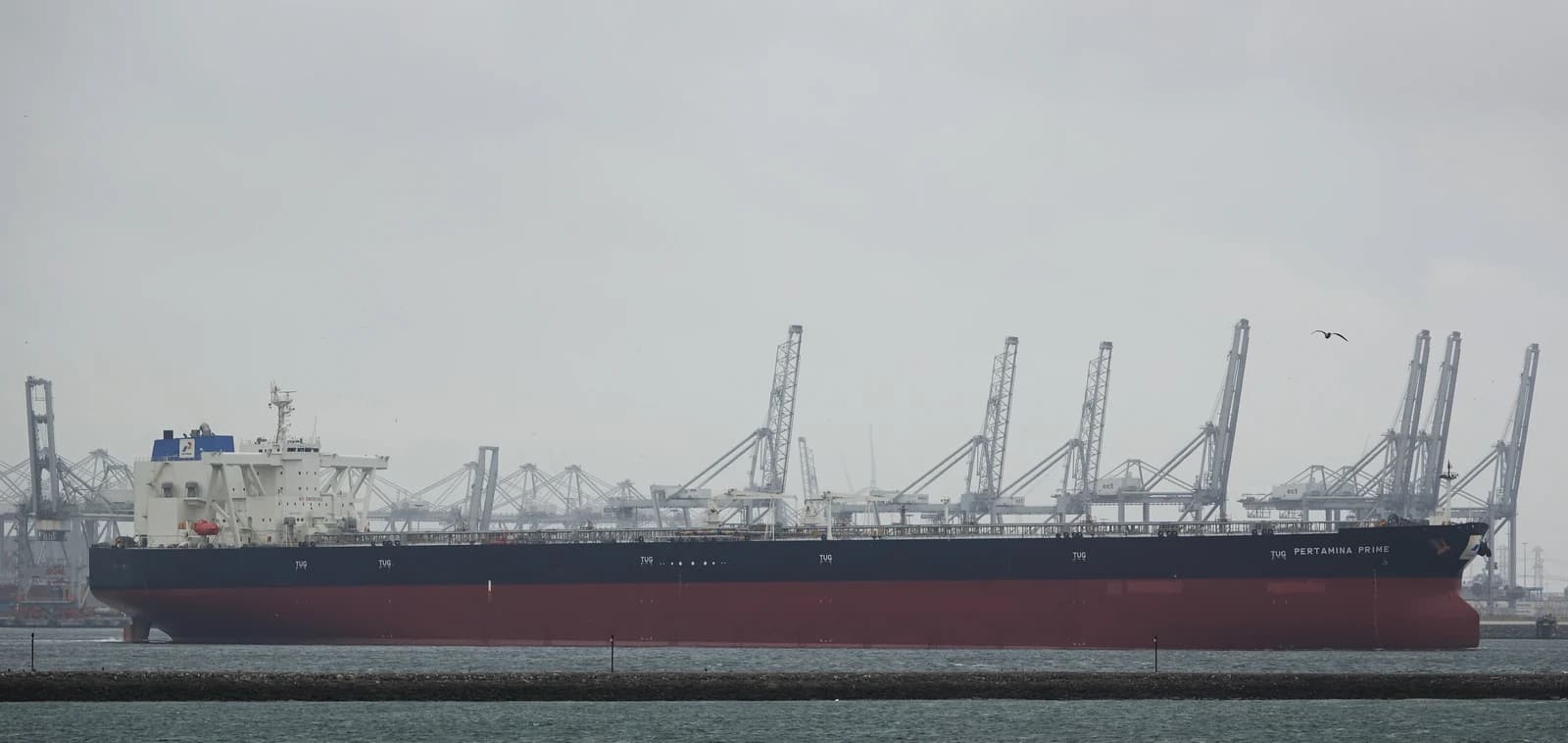
Pertamina has agreed to buy interests in three oil and gas fields in Algeria’s Berkine Basin, a move that deepens Indonesia’s state energy group’s international upstream footprint at a time when oil supply security and reserve access are once again central to the sector.
Pertamina agrees to buy Algeria oil field stakes
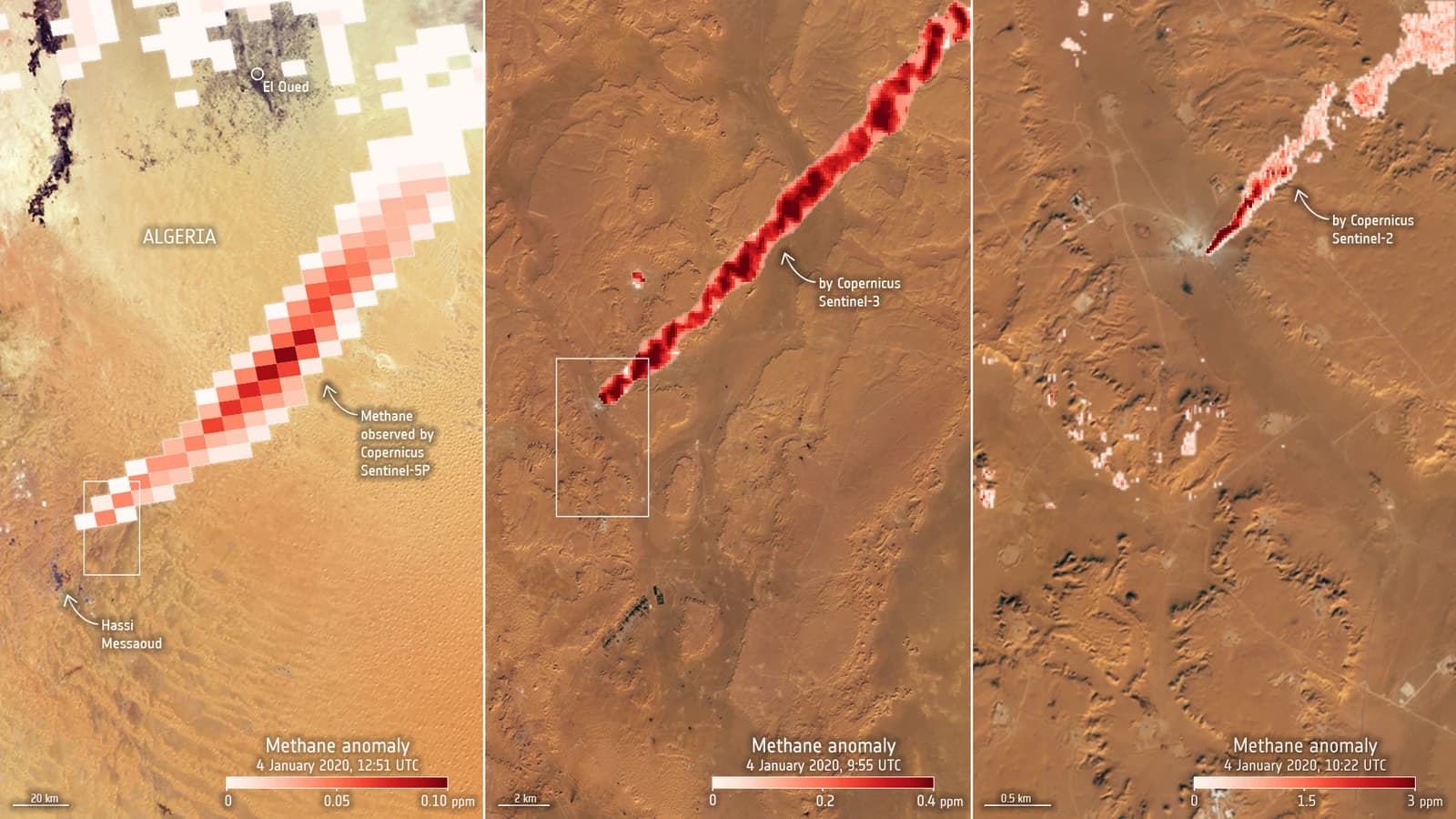
The deal, struck through Pertamina Algeria EP with Moeve units Cepsa Algérie and Cepsa (Rhourde El Rouni), covers the onshore Rhourde el Khrouf, Bir el Msana and Ourhoud fields. The transaction still needs approval from Algerian authorities, but it underscores how national oil companies are using overseas acquisitions to secure production, diversify reserves and support domestic energy supply over the longer term.
For Pertamina, the economic logic is straightforward: buying producing or near-producing assets abroad can be faster and less risky than exploring at home, and it can create a direct stream of crude and gas exposure outside Indonesia. That matters for a country that remains sensitive to import dependence and energy costs. Pertamina said the purchase is intended to strengthen its global upstream portfolio and help raise oil and gas supply for Indonesia.
The acquisition also signals continued appetite among state-backed producers for assets in established basins, where infrastructure already exists and incremental capital can translate into production gains more quickly than frontier exploration. The Berkine Basin, one of Algeria’s key hydrocarbon regions, offers that kind of operating backdrop. Pertamina’s local arm has been in Algeria since 2012, giving it an existing platform and a relationship with Sonatrach that could ease integration if the deal closes.
Investors will read the move as a capital-allocation test as much as a strategic statement. Overseas upstream expansion can bolster reserves and cash flow resilience, but it also carries execution, political and commodity-price risks. If the fields deliver stable output and acceptable returns, the transaction supports Pertamina’s case as a more geographically diversified producer. If not, it could add complexity without materially changing group economics.
The timing comes as oil markets stay highly sensitive to geopolitical disruption, including renewed attacks on tankers near the Strait of Hormuz, while producers and traders continue to prize secure barrels and operational optionality. In that context, Pertamina’s acquisition is part of a broader industry pattern: national energy companies are looking beyond their home markets to lock in future supply, even as they face scrutiny over capital discipline and the quality of overseas growth.
For investors, the key questions now are whether the Algerian assets close on favorable terms, how much incremental production they can deliver, and whether Pertamina can translate the deal into durable upstream earnings rather than headline expansion alone.
| Entity | Gains | Losses |
|---|---|---|
| Pertamina | ▲Higher overseas reserves | ▼More execution risk |
| Indonesia | ▲Potential supply support | ▼Still exposed to imports |
| Moeve units | ▲Asset divestment proceeds | ▼Loss of field interests |
| Algeria/Sonatrach | ▲Continued investment | ▼Less direct control over stake structure |