Egypt is trying to turn its geography and energy assets into an economic advantage at a time when global gas markets remain tight and Europe’s storage cushion is at its weakest level in more than a decade.
Egypt Energy Hub Plan and Cyprus Gas Exports
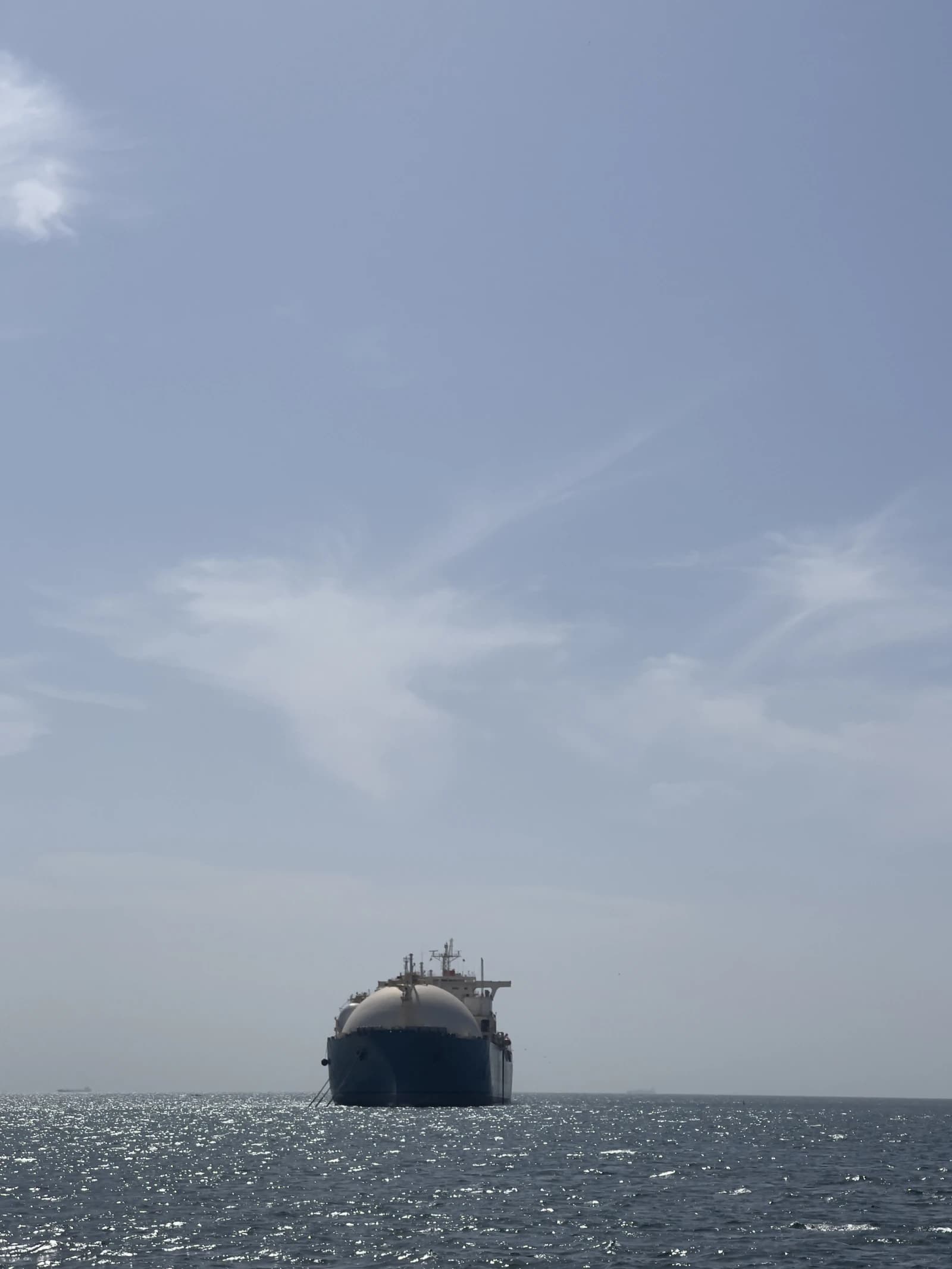
Petroleum Minister Karim Badawi said Egypt’s location linking three continents, together with its pipelines, refineries, petrochemical plants, liquefied natural gas terminals and floating regasification units, qualifies it to become a regional center for gas and energy trading. The pitch matters because it points to a more durable role for Egypt in the Eastern Mediterranean gas map: not just as a consumer or producer, but as a transit, processing and re-export platform that can help secure supply for local industry and overseas buyers.
Sentiment Indicators
The strategic logic is straightforward. Global gas demand is rising, supply is still vulnerable to geopolitical disruption, and buyers increasingly want optionality. Egypt can offer that flexibility because it can receive gas from multiple sources, process it, liquefy it and redirect volumes depending on market conditions. That makes the country more relevant as Europe seeks additional non-Russian supply and as producers in the Eastern Mediterranean look for a route to market.
Badawi highlighted cooperation with Cyprus and international partners including Eni, TotalEnergies, Chevron and Shell to use Egyptian infrastructure for Cypriot gas. He pointed to the Cronos project as an example of regional integration, using the Zohr field and the Damietta LNG plant to move Cypriot gas into global markets while leaving room for domestic supply. For investors, that is significant because midstream and processing assets become more valuable when they sit at the center of a trade corridor rather than on the fringe of a local market.
The minister also framed the opportunity as partly financial. Egypt says arrears owed to foreign energy partners have fallen from about $6 billion in June 2024 to zero by June 2026, a development that should improve confidence among international oil companies and support a resumption of exploration spending. That matters because the hub ambition depends on more than infrastructure: Egypt needs fresh upstream investment to keep gas volumes flowing through its system and to avoid a repeat of recent supply pressures.
There are signs that investors are still prepared to back the story. Badawi cited the Dennis gas discovery, jointly developed by Eni and BP, with estimated resources of around 2 trillion cubic feet and first production targeted for 2028. He also pointed to ongoing work in the Nargis area with Chevron and Eni. Those projects are important because a trading hub without new molecules is only a logistics concept; sustained upstream development is what turns it into a revenue-generating platform.
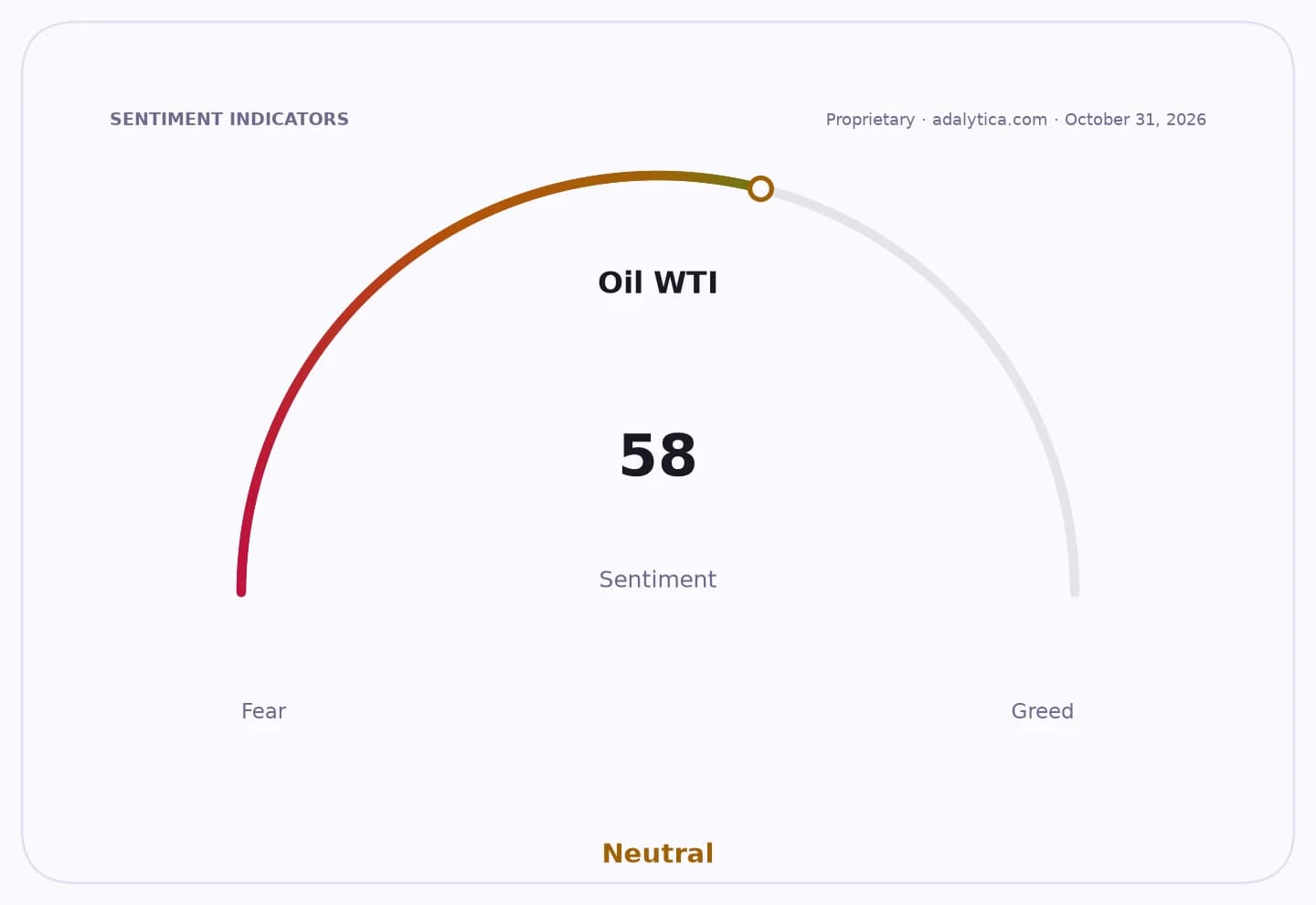
For energy markets, the broader message is that Egypt is positioning itself as part of the answer to a more fragmented gas world. Europe’s inventory levels have fallen to the lowest since 2013, while regional restrictions and cold-weather risk keep price volatility elevated. Adalytica’s USO trade signals showed neutral sentiment but still elevated fear, underscoring how quickly gas and oil markets can swing on supply concerns. In that environment, assets that can aggregate, process and reroute gas across borders carry a strategic premium.
The upside case for Egypt is that it becomes the Eastern Mediterranean’s commercial conduit, extracting fees, investment and geopolitical leverage from its geography. The bear case is that the hub story stalls if exploration disappoints, regional politics worsen or infrastructure is underused. For now, the combination of cleared arrears, new exploration targets and cross-border LNG ambitions gives the plan more credibility than in previous cycles.
Investors will watch whether Cairo can convert diplomatic outreach and idle capacity into binding long-term flows, particularly from Cyprus, and whether international operators translate renewed confidence into faster drilling and development spending. If they do, Egypt’s energy system could become more than a domestic supply fix: it could emerge as one of the few genuinely flexible nodes in a tightening regional gas market.
| Entity | Gains | Losses |
|---|---|---|
| Egypt | ▲Transit fees, investment inflows | ▼Local supply pressure if projects stall |
| Cyprus gas producers | ▲Access to LNG/export route | ▼Dependence on Egyptian infrastructure |
| Eni, TotalEnergies, Chevron, Shell | ▲Better project economics | ▼Higher execution and regional risk |
| Europe and LNG buyers | ▲More supply optionality | ▼Less leverage if hub capacity tightens |