Egypt is moving to clamp down on illegal gasoline sales just as consumers face a widening gap between official distribution and what is available on the street. That matters because fuel is a basic input for transport, food delivery and inflation, and black-market pricing is usually a sign that shortages, leakage or weak enforcement are eating into the efficiency of the system.
Egypt clamps down on illegal gasoline sales
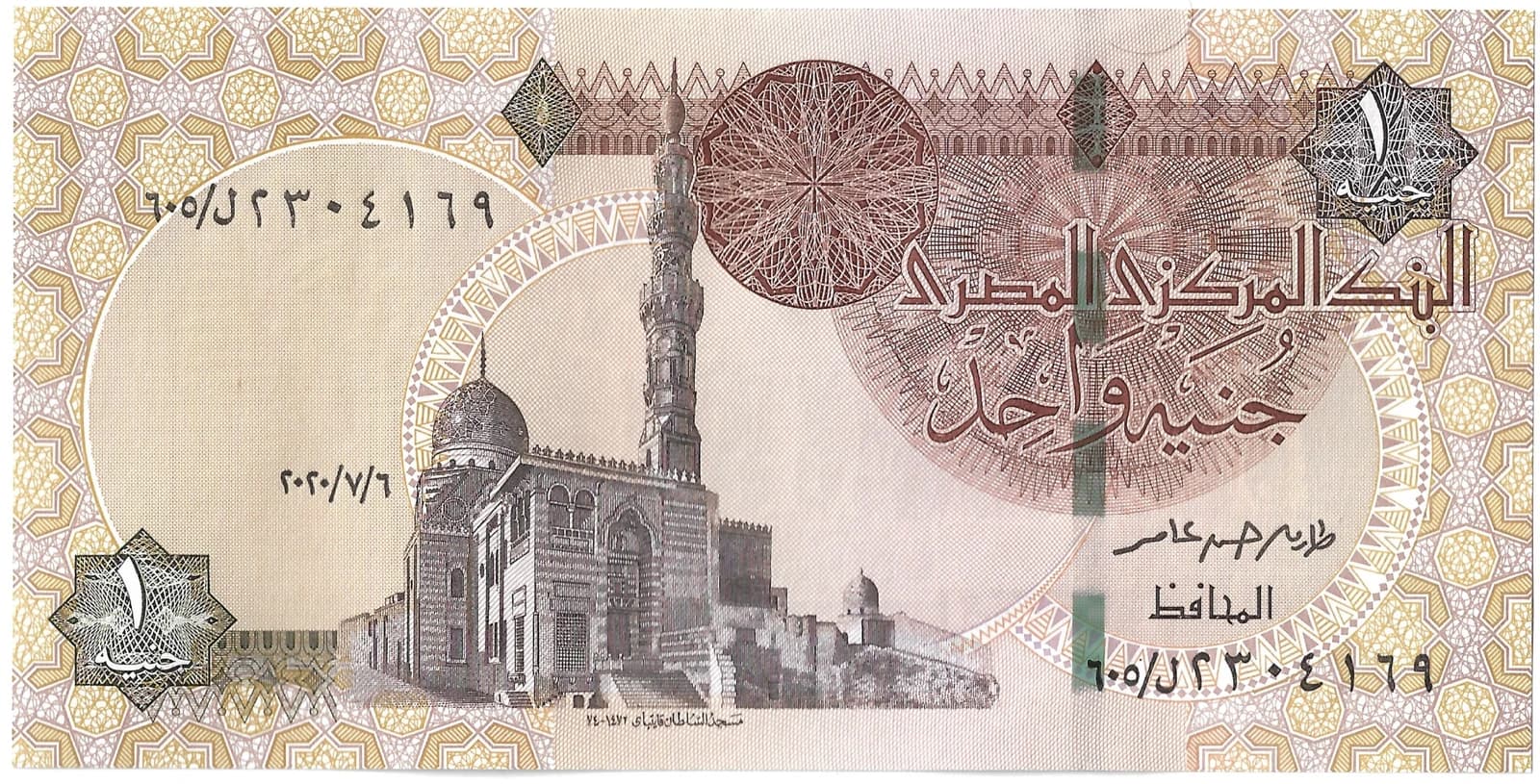
Ahmed Moussa said some sellers are moving gasoline on the black market for as much as 28 Egyptian pounds a litre, a level that underscores how valuable subsidized or diverted fuel can become when official supply is distorted. The remarks came as the petroleum ministry unveiled a new electronic monitoring system aimed at tightening oversight of fuel distribution, improving traceability and curbing smuggling and diversion.
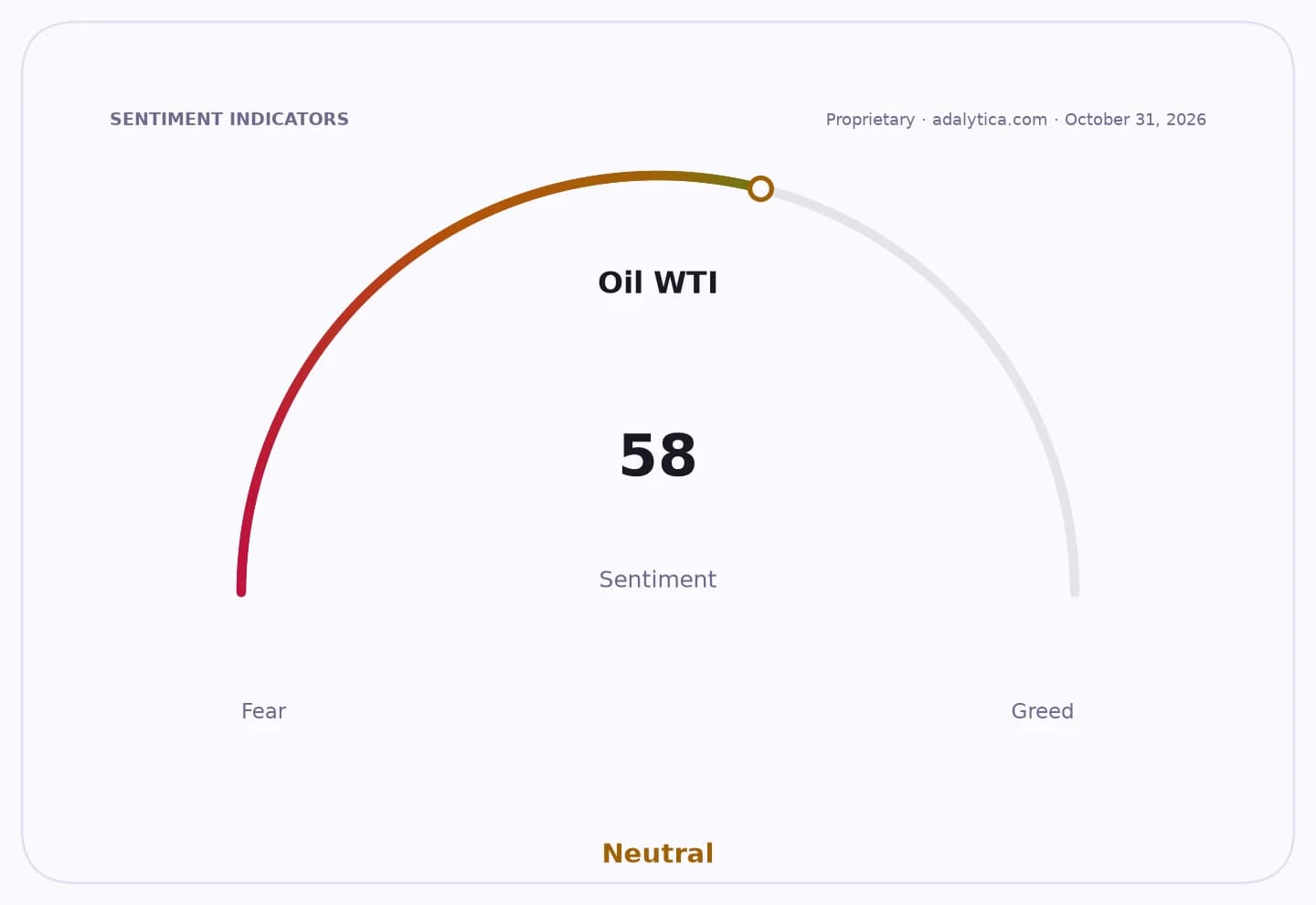
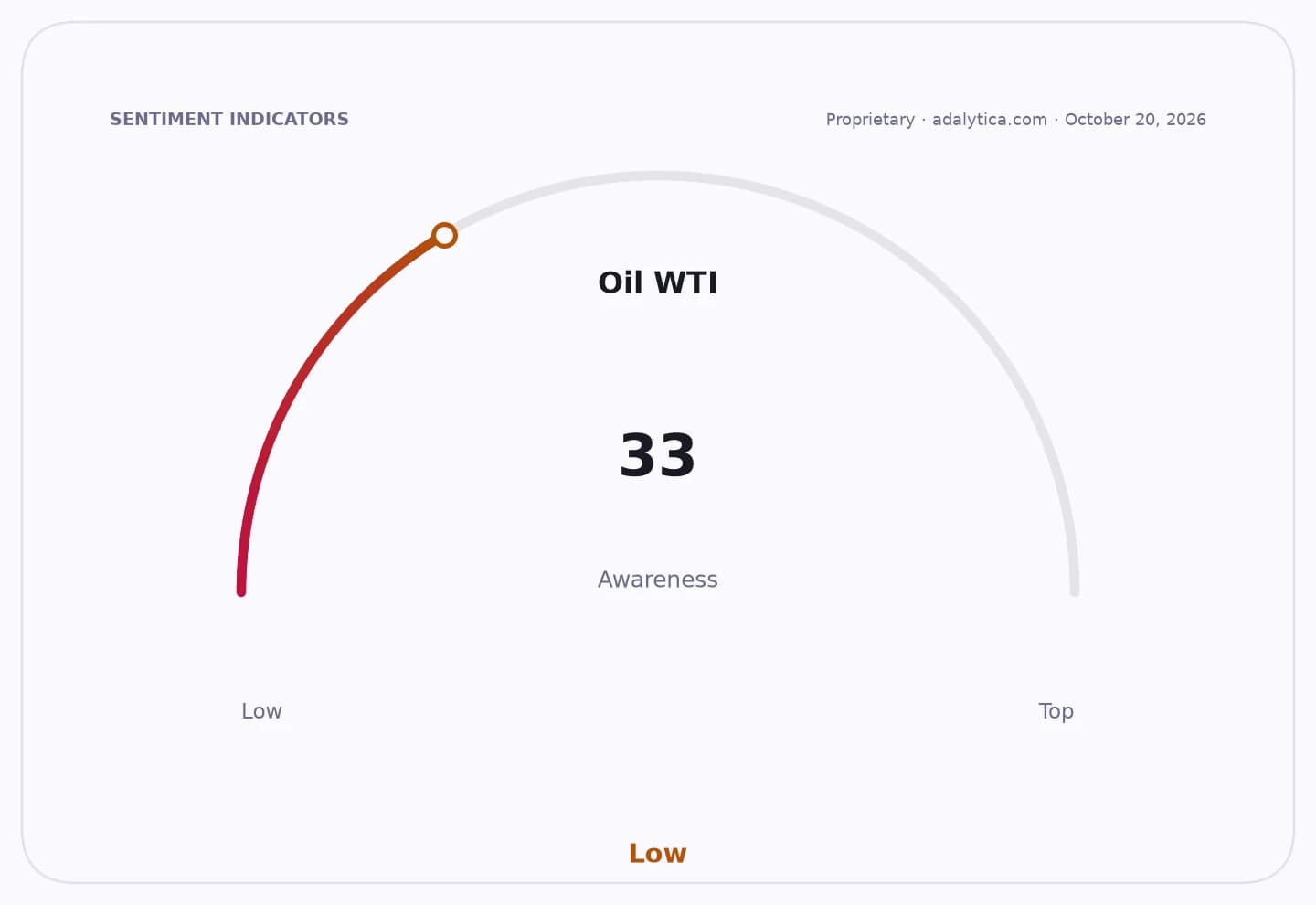
Sentiment Indicators
For policymakers, the economic problem is bigger than one price quote. When fuel is rerouted away from the regulated channel, the state loses control over volumes and pricing, while legitimate buyers can be forced to pay more or wait longer. That can feed into higher logistics costs, keep pressure on consumer prices and make it harder for the government to direct fuel to the businesses and households that actually need it.
The timing also matters. Egypt is trying to strengthen governance in the petroleum sector through digital tracking and closer coordination with the interior and communications ministries. That suggests officials see the issue not as isolated fraud but as a distribution problem that requires data, enforcement and better monitoring across the supply chain. If the system works, it should reduce leakage and improve confidence that fuel subsidies and state-managed supplies are reaching the right users.
Investors should care because fuel integrity is tied to broader economic stability. A system that leaks gasoline into the black market can worsen inflation dynamics, raise import and subsidy burdens, and add strain to sectors that depend on reliable energy access. In an environment where global oil prices remain volatile, even modest domestic inefficiencies can magnify costs for the state and for consumers.
For long-term investors, the real story is that Egypt is trying to modernize a critical piece of its energy infrastructure. That will not solve shortages overnight, but better digital oversight can be a durable step toward lower leakage, better pricing discipline and a more investable operating environment. This is the kind of structural reform worth watching over the next several years.
| Entity | Gains | Losses |
|---|---|---|
| Egyptian state | ▲Better control over fuel flows | ▼Higher enforcement burden |
| Legitimate consumers | ▲More reliable access | ▼Less room for diversion |
| Black-market sellers | ▲— | ▼Tighter scrutiny and lower margins |
| Fuel distributors | ▲Cleaner system credibility | ▼More compliance costs |