Egypt’s central bank has pushed interest rates higher by 100 basis points, a move that should lift treasury bill returns and help shore up the pound, but it also makes the country’s recovery more expensive and more complicated for borrowers, consumers and equity investors.
Egypt Central Bank Raises Rates 100 bps
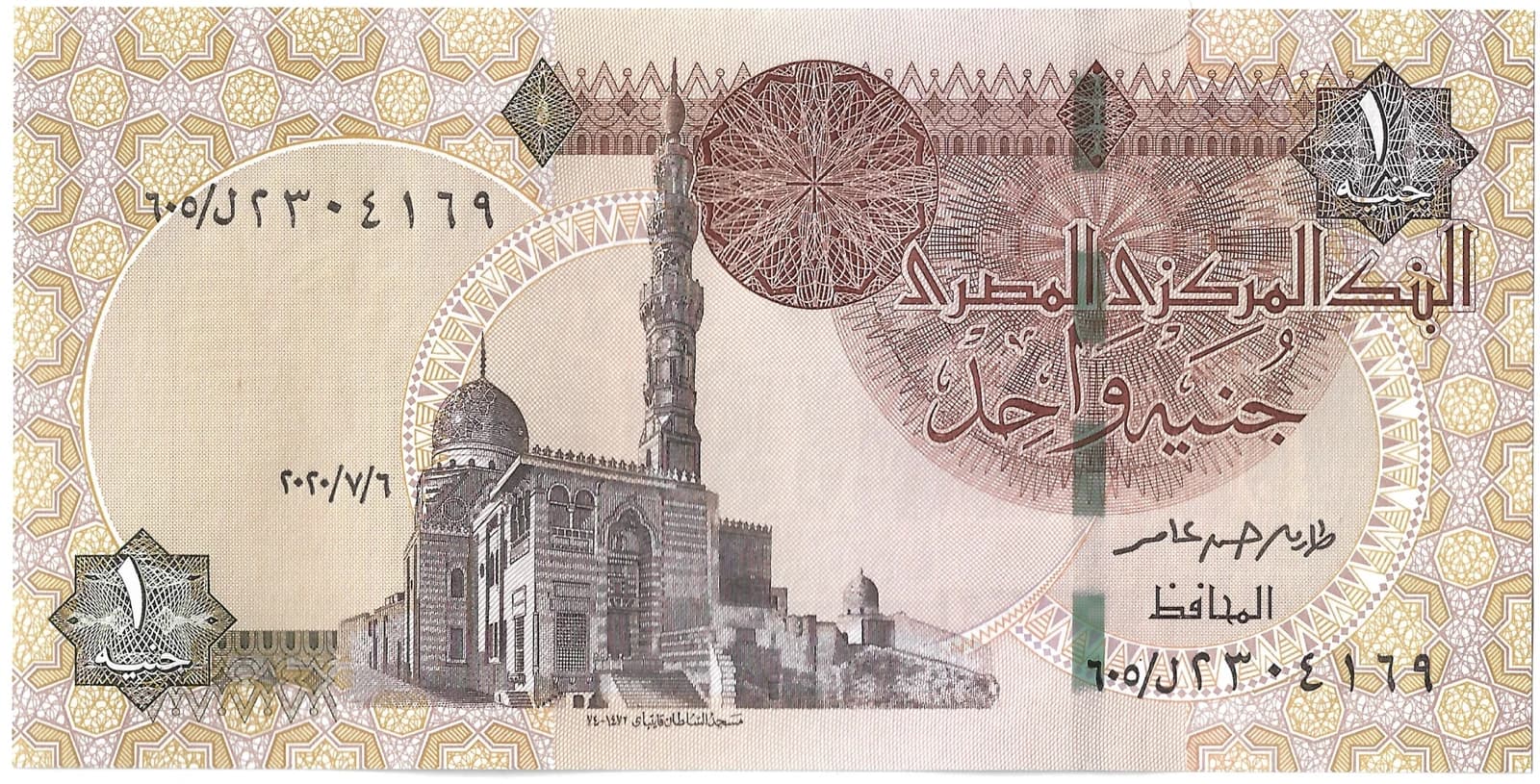
That is the real market story here: Egypt is choosing tighter money to defend financial stability in a volatile inflation and currency backdrop. Higher policy rates usually feed directly into short-term government borrowing costs, which is why treasury bill yields tend to rise after a hike. For investors, that can be a blessing and a warning at the same time — local debt becomes more attractive, but growth-sensitive assets face more pressure.
Sentiment Indicators
The central bank’s decision comes as officials continue to wrestle with currency swings and persistent price pressure. Egypt has spent recent years trying to balance the need for foreign capital, a steadier exchange rate and enough domestic demand to keep the economy moving. A rate increase is one of the few tools available when policymakers want to signal discipline quickly.
For fixed-income investors, the immediate appeal is obvious. Higher bill yields improve the income available on short-duration Egyptian debt and can help draw in carry-seeking capital. But the tradeoff is that the government, banks and businesses may all face a higher cost of funding. That can crimp lending, slow private investment and make debt refinancing more painful, especially for companies already operating on thin margins.
The currency angle matters just as much. Egypt has been under pressure to reassure markets that it can maintain adequate reserves and avoid a disorderly move in the pound. Raising rates can support the currency by making local assets more compelling and by showing the central bank is willing to absorb some growth pain to restore confidence.
The equity market has already been reminding investors how sensitive Egypt is to that balance. The iShares MSCI Egypt ETF, EIS, was down to $113.20 on Nov. 2 from $124.34 a week earlier, and the shares were trading below both their 50-day and 200-day moving averages. Egypt-focused equities often struggle when borrowing costs rise faster than earnings can keep up, because higher rates tend to squeeze consumer demand and corporate margins before any currency benefit shows up in profits.
The longer-term question is whether this is a short-lived defensive move or the start of a deeper stabilization cycle. If the rate hike helps cool inflation expectations and steady the pound, Egyptian assets could eventually benefit from lower risk premiums and better capital inflows. If not, the country risks paying more for money without getting the growth boost investors want.
For now, the message is straightforward: Egypt is trying to buy macro stability with higher rates, and that is exactly the kind of policy shift that matters most to investors in the months ahead. It is worth watching for further moves, but long-term investors should focus on whether the tighter stance actually improves currency credibility and real returns.
| Entity | Gains | Losses |
|---|---|---|
| Treasury bill buyers | ▲Higher yields | ▼Price volatility |
| Egyptian pound | ▲Near-term support | ▼Growth pressure |
| Banks and borrowers | ▲None | ▼Higher funding costs |
| EIS holders | ▲Possible future stabilization | ▼Lower equity valuations |