Egypt’s central bank is setting out its most ambitious currency liberalization goal yet: making the pound legally convertible outside the country within five years, a move that would mark a major step toward restoring confidence in the currency and easing long-running distortions in the foreign-exchange market.
Egypt Central Bank Targets Pound Convertibility Abroad
That target matters because full convertibility is not just a technical reform. It would let residents and foreign investors hold, exchange and settle in pounds abroad, reducing frictions that have long complicated trade, capital flows and portfolio allocation into Egypt. For a market that has repeatedly been forced to rely on administrative controls, a parallel market and periodic devaluations, the signal is that policymakers want to move from crisis management to a more durable foreign-exchange regime.
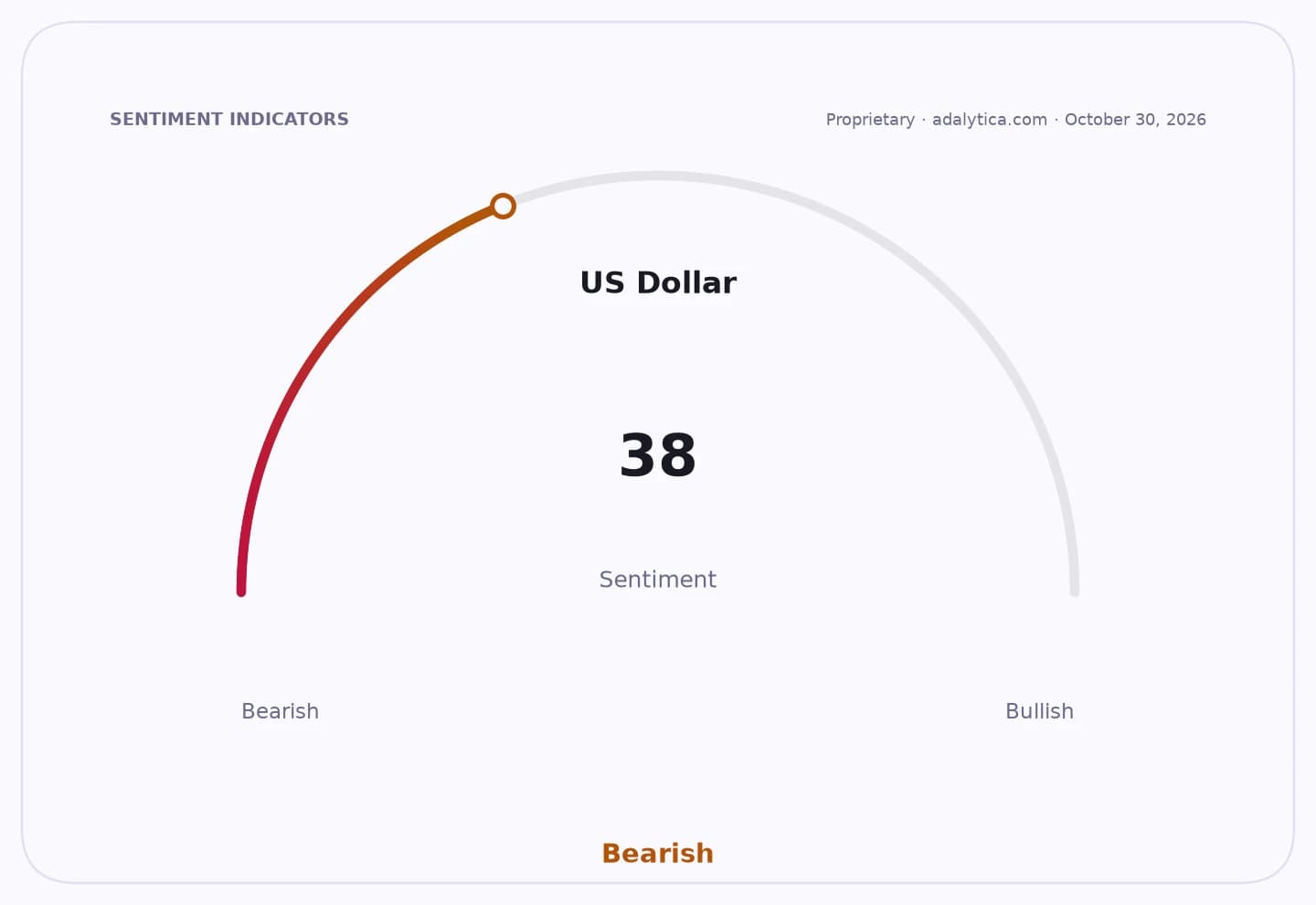
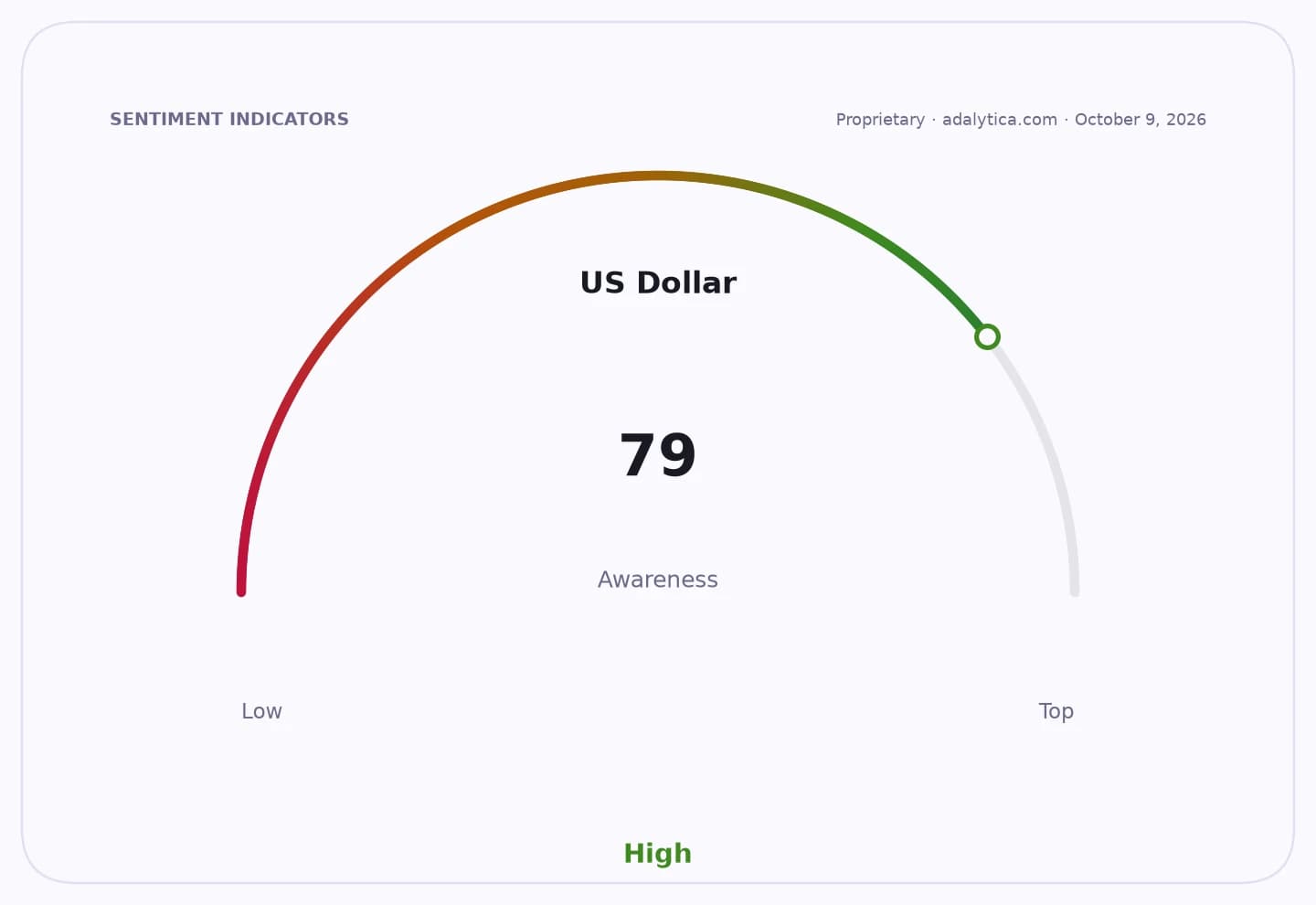
Sentiment Indicators
Central Bank Governor Hassan Abdallah linked the convertibility ambition to a broader effort to entrench a flexible exchange rate and preserve reserve adequacy. He said Egypt’s foreign-exchange reserves stand at $57.3 billion and that coverage of the state’s one-year external obligations has risen to 102%, from 70% or 80% previously, which he described as “very safe.” He also said the country has reached the upper end of the global benchmark for import coverage, typically three to six months.
Abdallah’s comments reflect a clear policy narrative: build buffers first, then deepen currency flexibility. He said the central bank’s priorities are price stability, inflation, interest rates and exchange-rate flexibility, adding that a fixed rate does not suit Egypt and that the main objective is to unify the exchange rate rather than defend any particular level. In his view, a flexible pound is the first line of defense against shocks, unlike the earlier attempt to hold the rate steady during the first phase of the Russia-Ukraine war, which he said contributed to the emergence of a parallel market.
The economic significance is twofold. First, a freely usable pound abroad would improve the plumbing of trade and investment if it is backed by enough reserves and credible macro policy. Second, it would likely reduce the premium and uncertainty that come with multiple exchange rates, helping firms price imports, plan cash flow and repatriate profits more predictably. That could lower transaction costs for exporters and importers alike, while also making Egypt more investable for global funds that have been wary of trapped capital and FX convertibility risk.
For investors, the message is that Egypt is trying to move the story away from repeated currency squeezes and toward a more rules-based regime. That does not make the path easy. Abdallah was explicit that this is a “not easy” journey, and the five-year horizon underscores that convertibility will depend on sustained reserve accumulation, a narrower inflation differential with trading partners and continued tolerance for two-way currency moves. If any of those falter, the reform could stall or be delayed.
Market reaction is likely to hinge less on the headline promise than on whether policymakers can keep the pound flexible without reigniting inflation or forcing renewed restrictions. The comparison with other countries is instructive: a legal, externally convertible currency usually comes only after a long period of stabilization, stronger external accounts and more predictable policy. Egypt is signaling it wants to graduate to that stage, but investors will want proof in reserve quality, exchange-rate discipline and the absence of a new parallel market.
For now, the central bank is trying to persuade markets that the priority is not a stronger pound in itself, but a credible framework in which the currency can move without panic. If that effort holds, the payoff could be lower FX risk premiums, stronger capital inflows and a gradual normalization of Egypt’s financial system. If it fails, convertibility will remain an aspiration rather than a market reality.
| Entity | Gains | Losses |
|---|---|---|
| Egyptian central bank | ▲Policy credibility | ▼Near-term flexibility |
| Importers and exporters | ▲Fewer FX distortions | ▼None if reform succeeds |
| Foreign investors | ▲Lower convertibility risk | ▼Those betting on controls |
| Parallel FX market | ▲None | ▼Reduced relevance |