The Egyptian government is moving to rein in spending without choking off factories, utilities and services, a sign Cairo is trying to build fiscal room just as regional tensions threaten energy costs and supply chains.
Egypt plans spending cuts while protecting industry
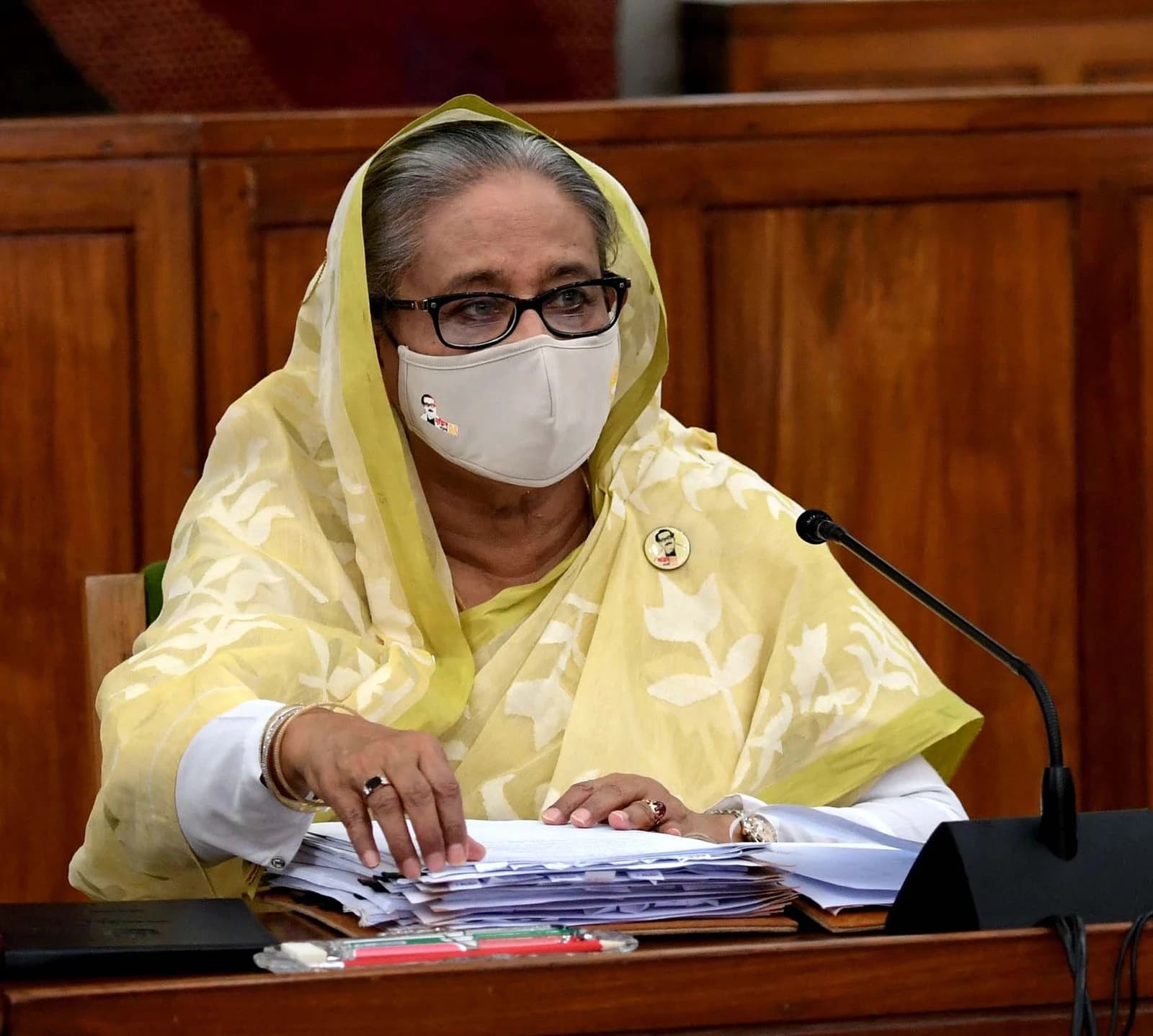
Government spokesman Mohamed El-Homsany said the proposed rationalization measures will not touch the needs of production, manufacturing or the service sector, and that fuel, electricity and other energy inputs will keep flowing to those industries. That matters because Egypt’s economy still runs on a delicate balance of state support, imported energy and industrial output; a broad-based squeeze on power or fuel would quickly feed into slower growth, higher prices and weaker investor confidence.
Sentiment Indicators
The cabinet’s message is that this is not a blanket austerity drive, but a targeted attempt to trim discretionary consumption by the state — including fuel, electricity and advertising outlays — while preserving the core productive base. In practical terms, the government is trying to protect the supply side of the economy even as it searches for budgetary breathing room to absorb any shocks from the region.
Prime Minister Mostafa Madbouly’s emergency committee meeting, attended by the central bank governor, the finance minister, the electricity minister, the petroleum minister and other top officials, underlines how closely the government is linking fiscal policy, energy security and macro stability. Officials also said the state is increasing inventories of essential goods, another signal that policymakers are preparing for a potentially more volatile external backdrop.
For investors, the key point is that Egypt is prioritizing continuity in industrial and service-sector activity over symbolic cuts that could hit growth. That should be supportive for banks, utilities, industrial names and consumer-facing businesses that depend on reliable power and fuel supply. It also suggests the government is trying to avoid another round of policy whiplash that would spook foreign capital and strain already fragile confidence.
The market is likely to read this as a defensive but constructive move: tighter state spending, but not at the expense of the businesses that generate jobs, tax revenue and foreign exchange. If Cairo can preserve production while trimming waste, it improves the odds of keeping growth on track and avoiding a sharper inflation impulse from energy shortages. The real test will be execution, because in a stressed fiscal environment, promises to protect industry are only credible if the fuel and power keep coming.
| Entity | Gains | Losses |
|---|---|---|
| Egyptian manufacturers | ▲Stable energy supply | ▼Risk of fiscal tightening elsewhere |
| Utilities and fuel suppliers | ▲Continued demand | ▼Pressure for state efficiency |
| Government budget | ▲More fiscal room | ▼Higher scrutiny on nonessential spending |
| Consumers and exporters | ▲Better supply continuity | ▼Less room for broad subsidies |