European natural gas prices slipped below €90 a megawatt hour as markets priced in a lower risk of immediate escalation with Iran, easing some of the geopolitical premium that had pushed the benchmark to its highest level since late 2022.
European gas falls below 90 on Iran risk easing
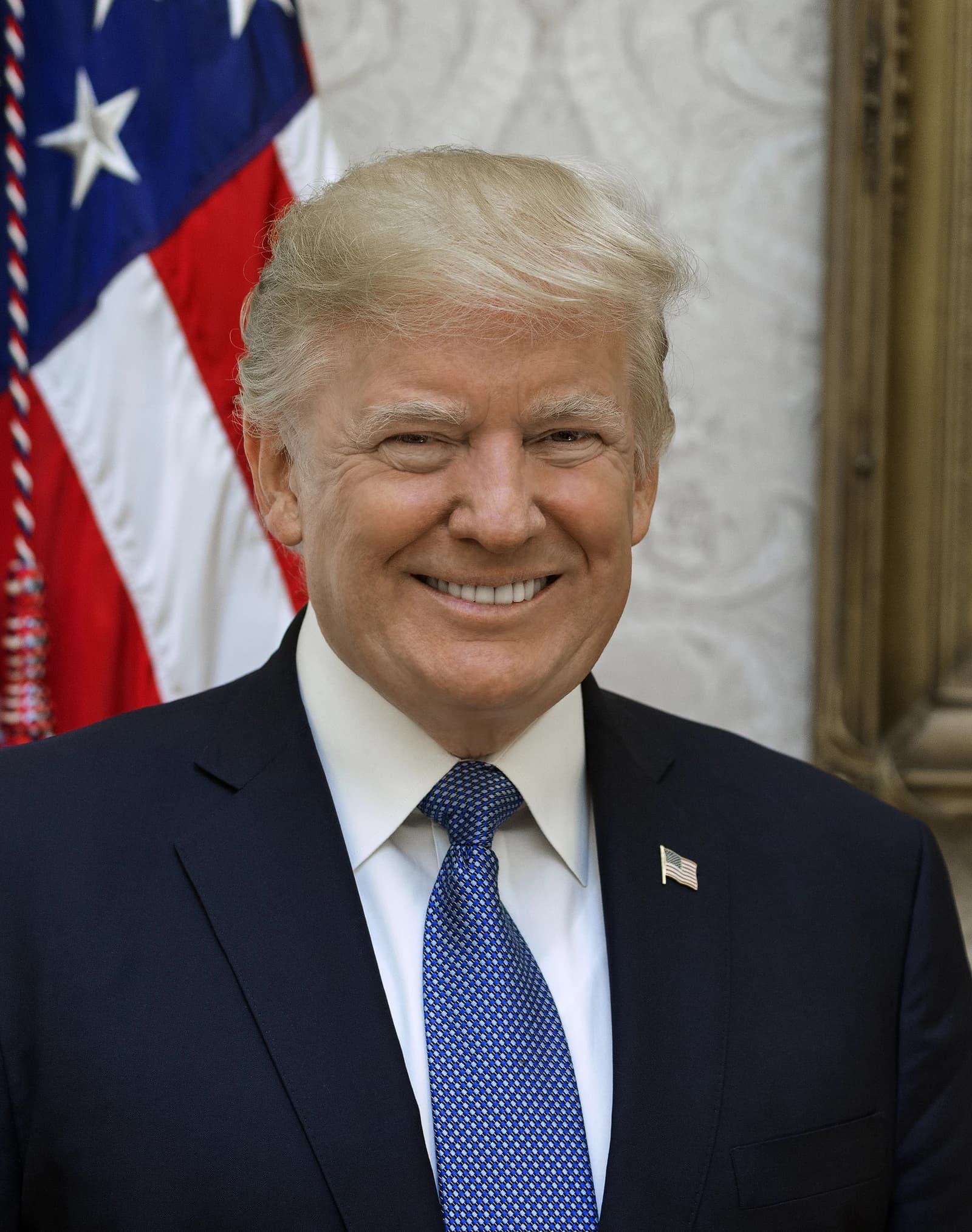
Dutch TTF front-month gas, Europe’s benchmark, fell 3.7% to €88.19/MWh in afternoon trading Wednesday, after earlier gains faded as investors waited for President Donald Trump’s next move after Democrats won control of Congress. The result is widely seen as increasing political scrutiny on U.S. foreign policy, but the new Congress does not convene until January, leaving the administration room to continue its current approach toward Iran in the near term.
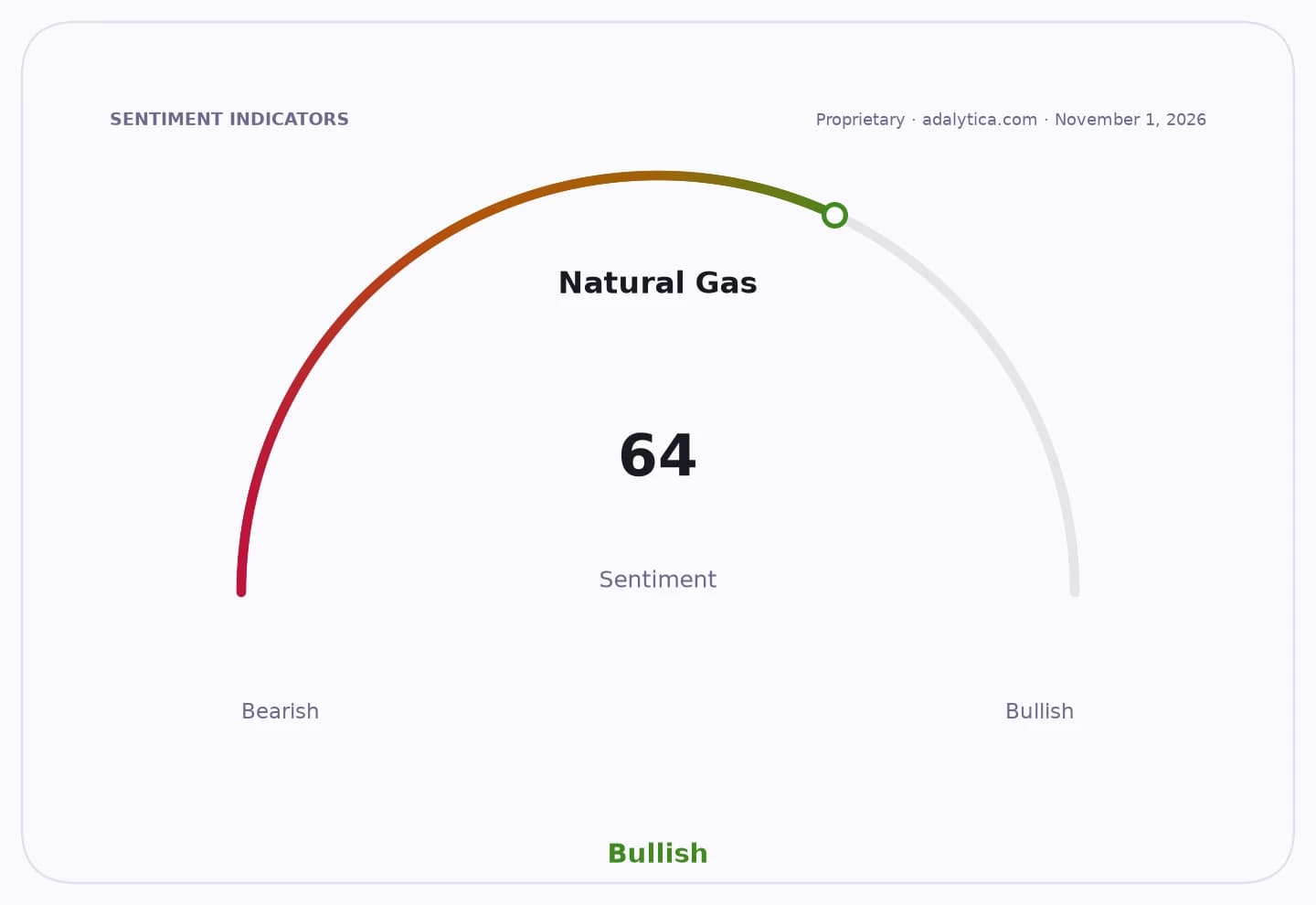
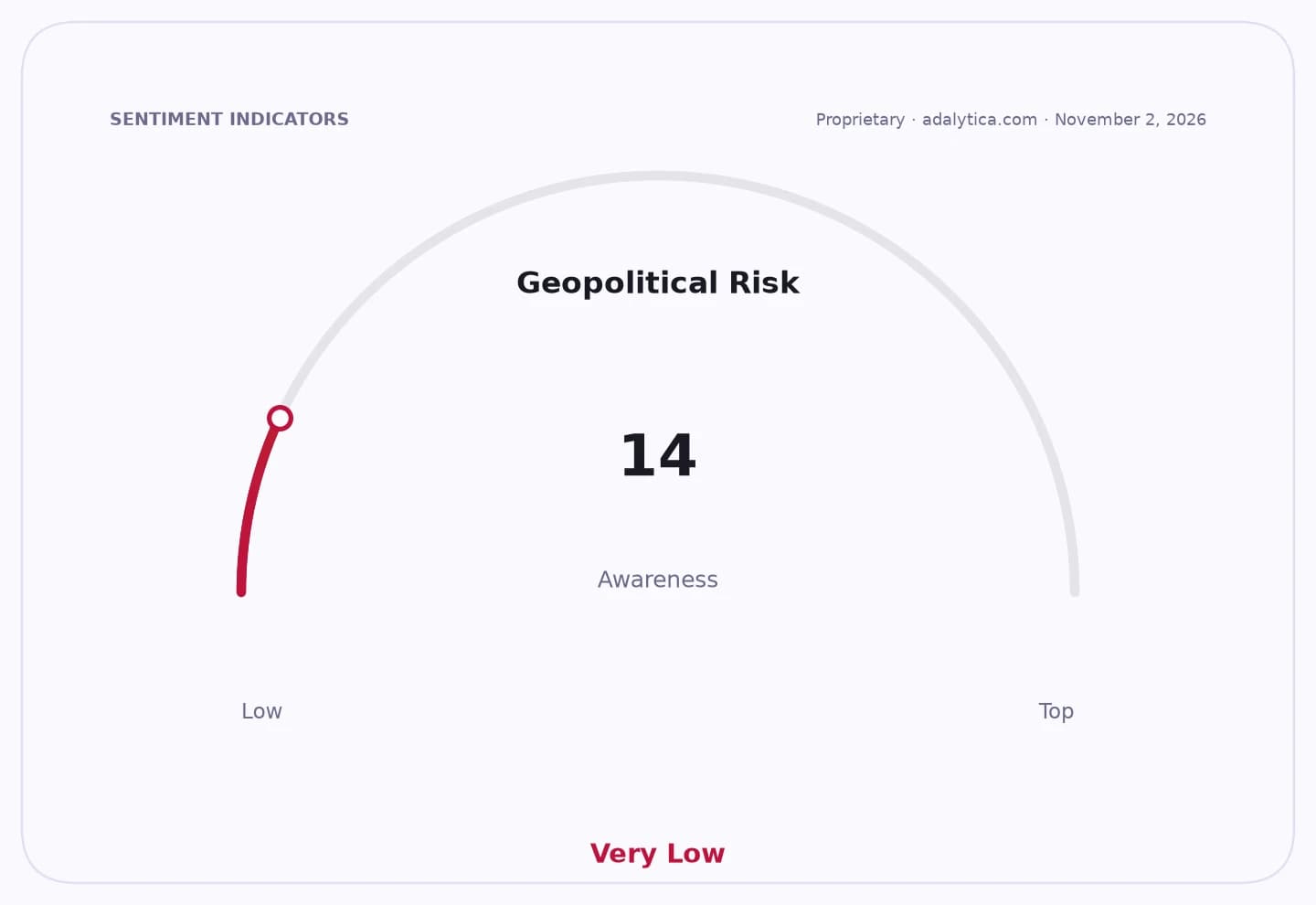
Sentiment Indicators
Geopolitical Risk
For gas traders, the key question is whether Washington returns to diplomacy or resumes strikes on Tehran. Analysts warn that renewed attacks could quickly send prices back above €100/MWh, especially given the fragility of Europe’s winter supply balance and the potential for further disruption in the Strait of Hormuz, through which about 20% of global LNG flows have passed.
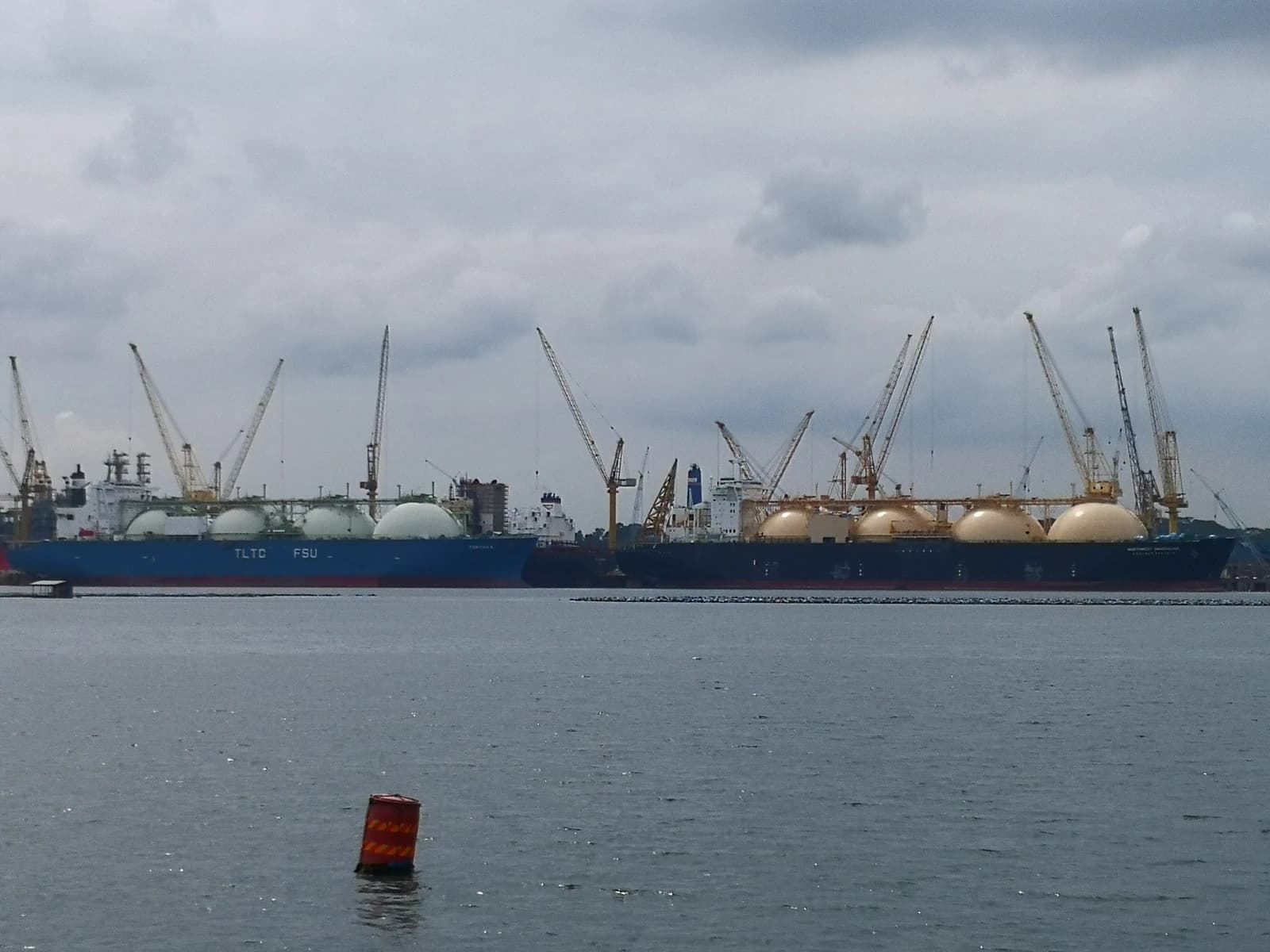
That risk has dominated trading for weeks. European gas briefly topped €100/MWh last week, its highest since late December 2022, before retreating as signs emerged that Qatar’s LNG exports are recovering and global shipments are holding near prewar levels. Kepler data show Qatar shipped 2.3 million tons of LNG in October, up from 1.6 million tons in September, while global LNG exports reached 98% of prewar averages during the month, helped by more U.S. and Russian cargoes.
Geopolitical Risk
Even with that relief, Europe remains vulnerable. LNG imports into the region were still only 84% of prewar average levels in October, EU gas storage stood at 74.6% full, and Germany missed its own 70% storage target as colder weather hits northwest Europe. Any cold snap combined with weak wind power generation would increase reliance on gas-fired plants and tighten competition with Asia for available cargoes.
The market backdrop underscores why investors are watching geopolitics as closely as weather. European utilities and industrial users still face higher input costs than before the energy shock, while LNG exporters and shipping-linked names could benefit from any renewed scramble for supply. For now, the relief trade is winning, but the next headline out of Washington or the Middle East could quickly reverse it.
| Entity | Gains | Losses |
|---|---|---|
| European gas buyers | ▲Lower spot prices | ▼Less urgency to hedge |
| LNG exporters | ▲Stable export demand | ▼Softer near-term pricing |
| European utilities | ▲Easier winter procurement | ▼Still exposed to volatility |
| Iran risk premium longs | ▲Pullback in prices | ▼Geopolitical upside fades |