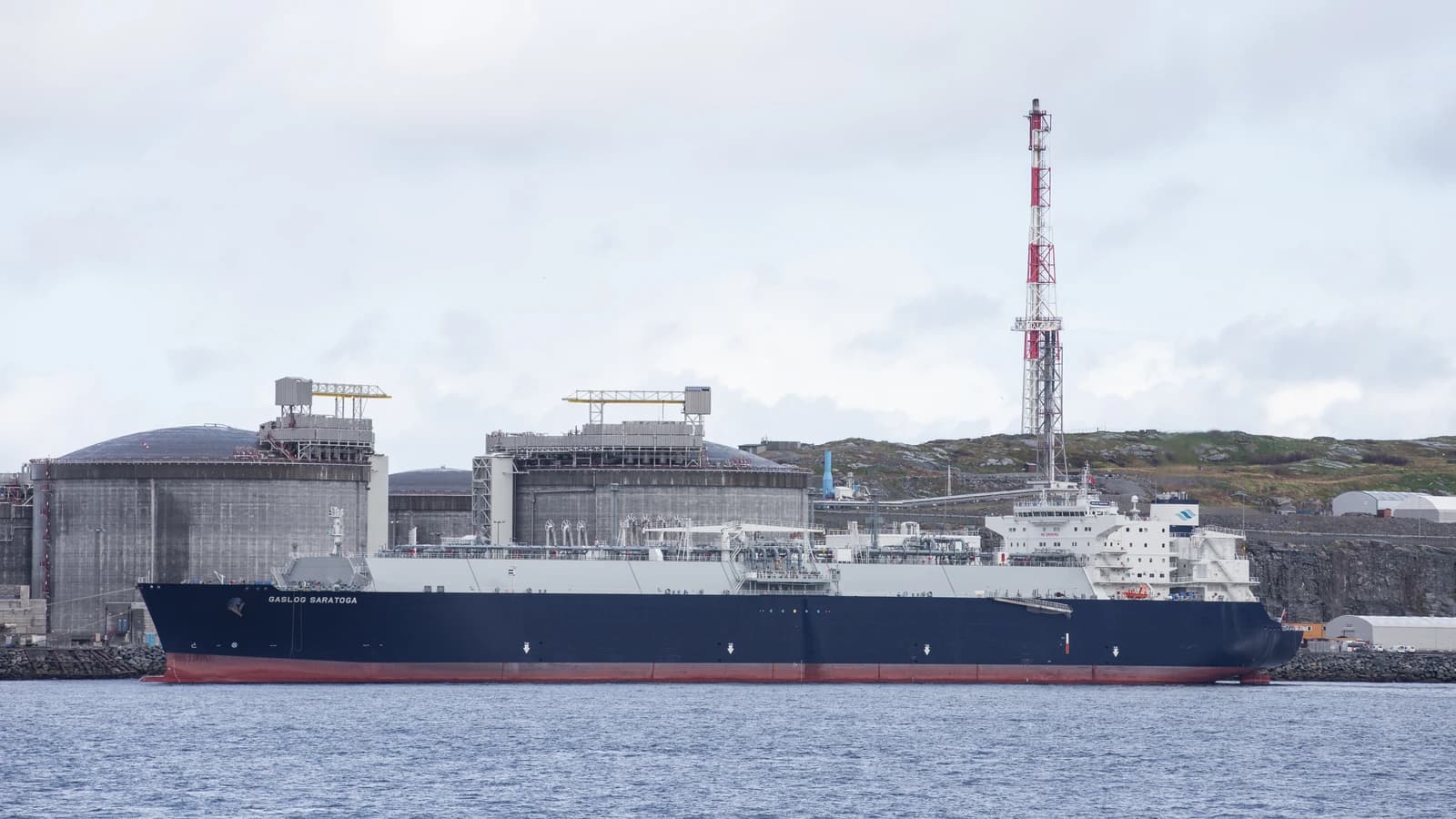
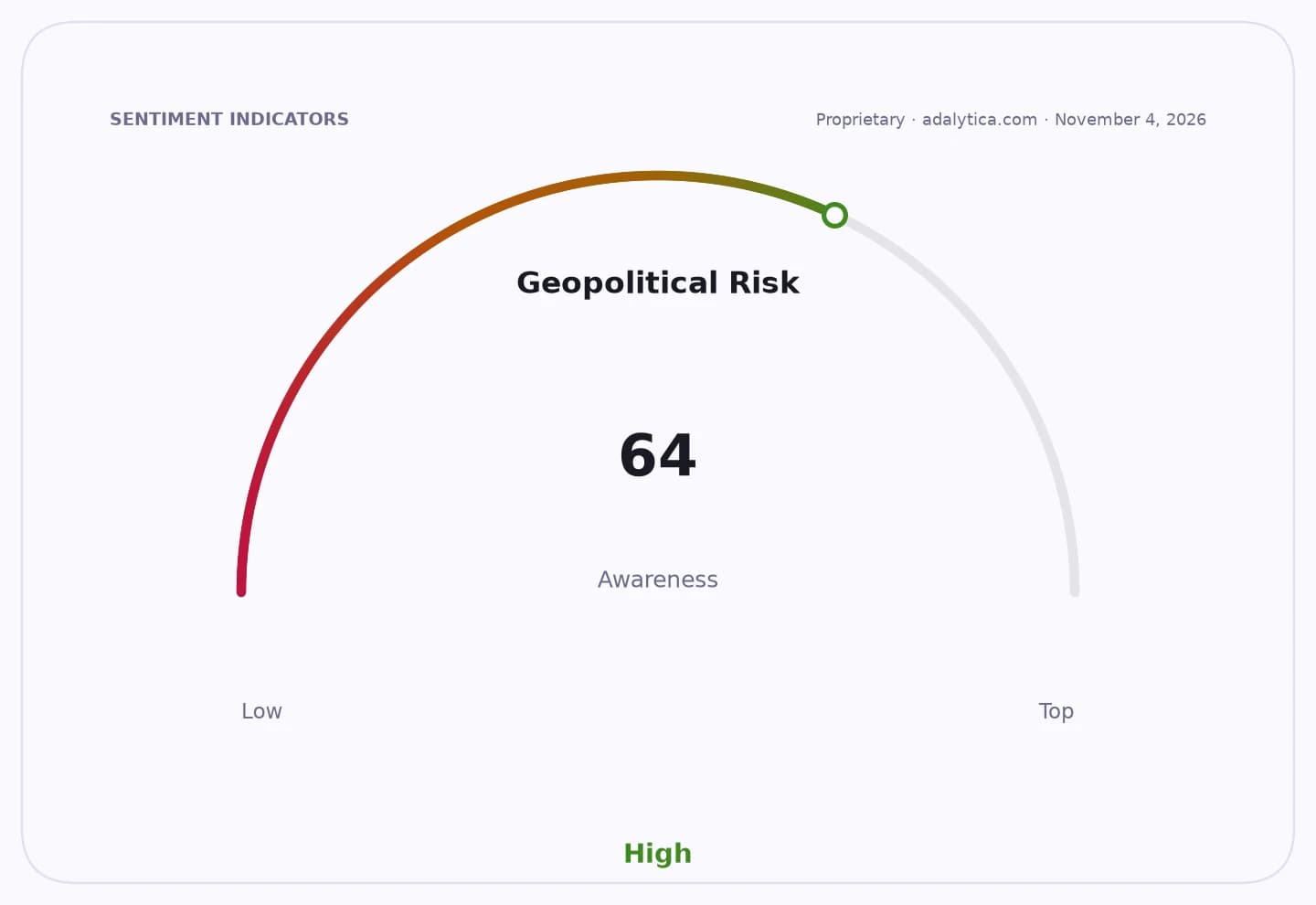
QatarEnergy is widening its supply network by locking in US gas, a move that matters because it reduces the state producer’s reliance on shipping through the Persian Gulf at a time when LNG buyers are increasingly sensitive to transit risk.
QatarEnergy signs US gas deals to cut transit risk
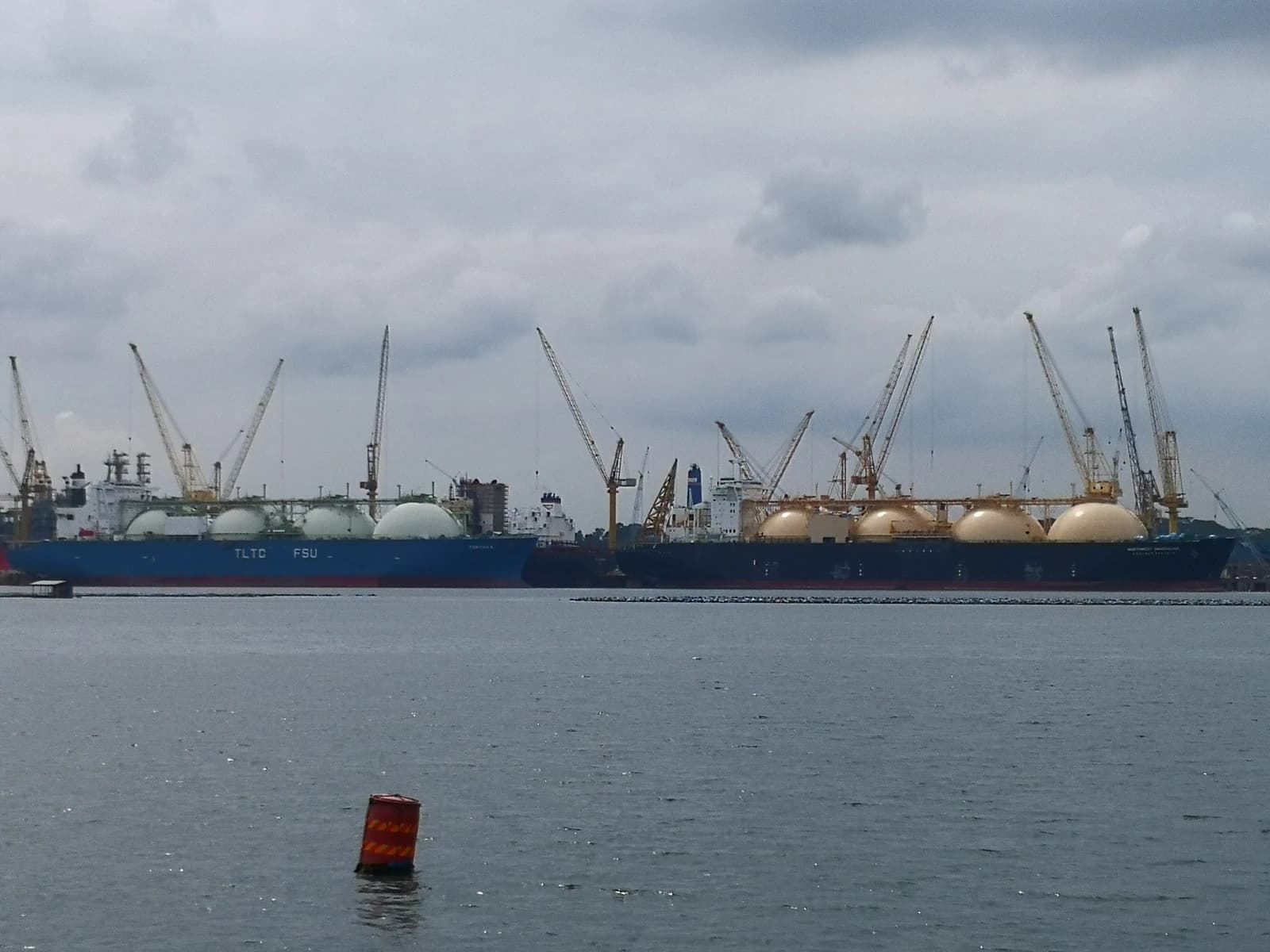
The new contracts underscore a broader shift in the global LNG trade: importers want more flexible supply sources, and producers are moving to spread volumes across multiple basins rather than depend too heavily on one choke point. That matters economically because any disruption around the Strait of Hormuz can quickly tighten seaborne gas availability and lift costs for Europe and Asia, where utilities and industrial buyers are competing for cargoes.
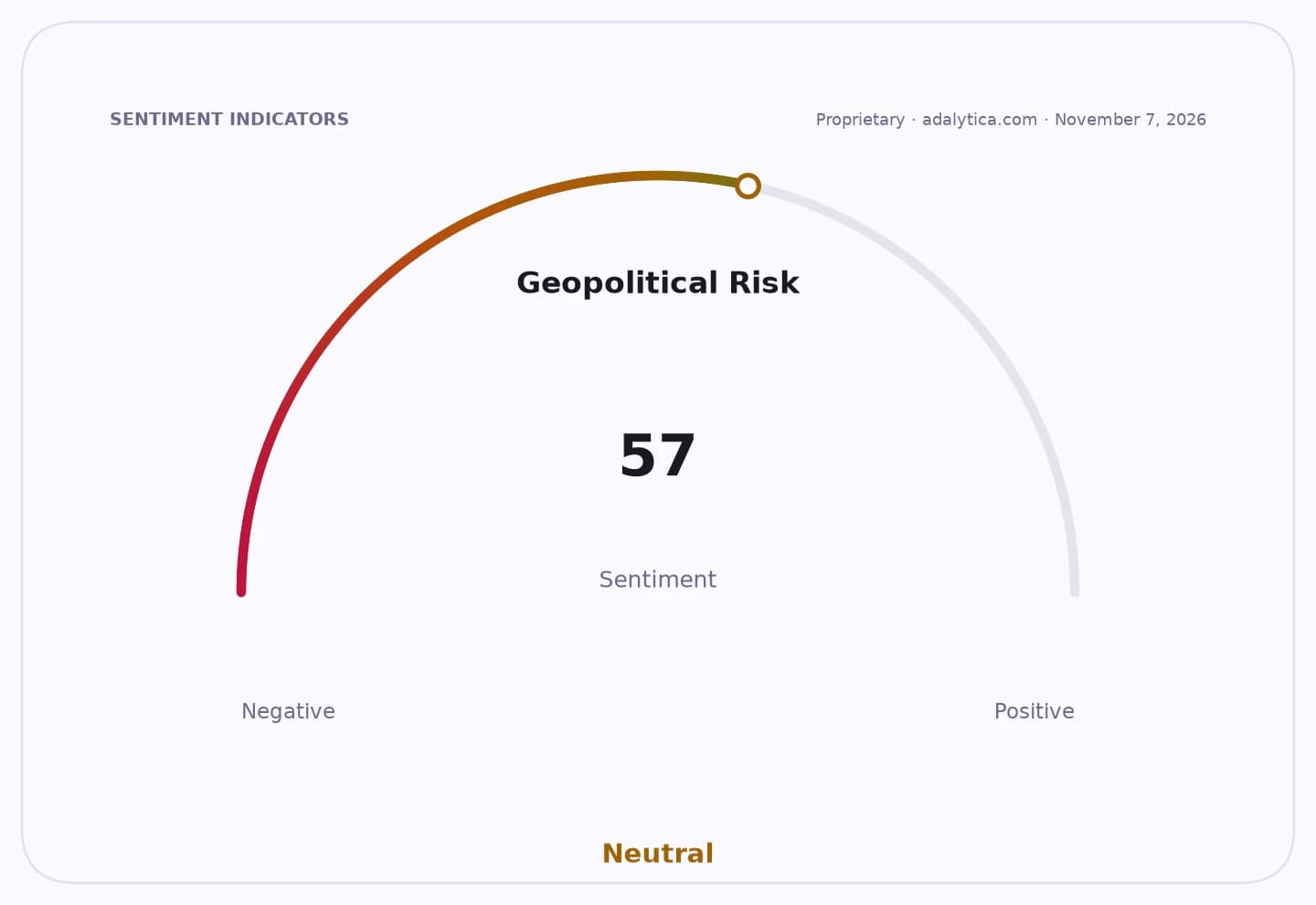
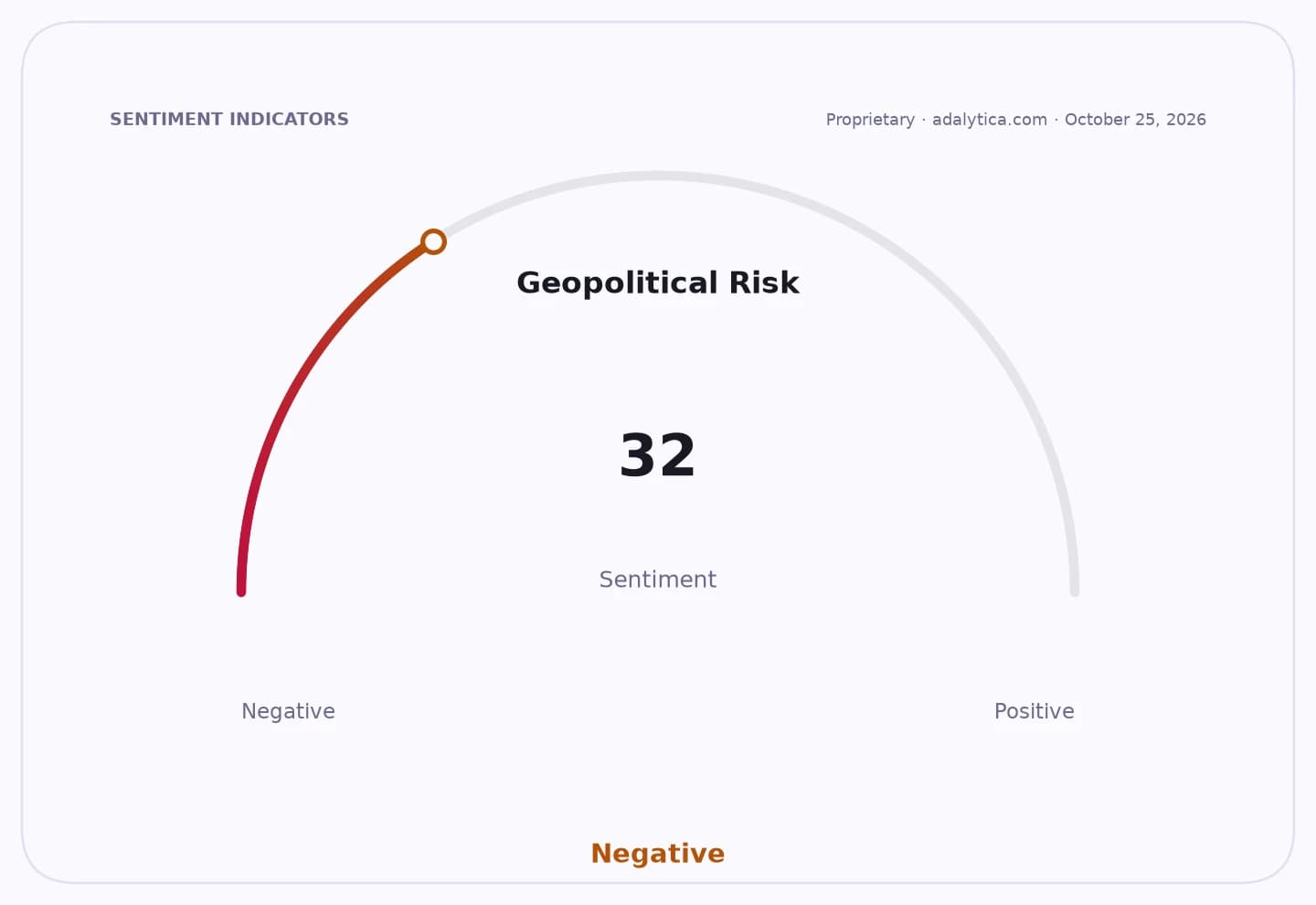
Sentiment Indicators
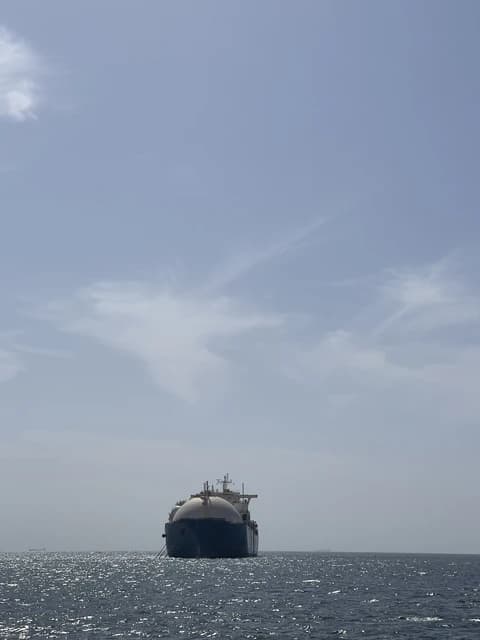
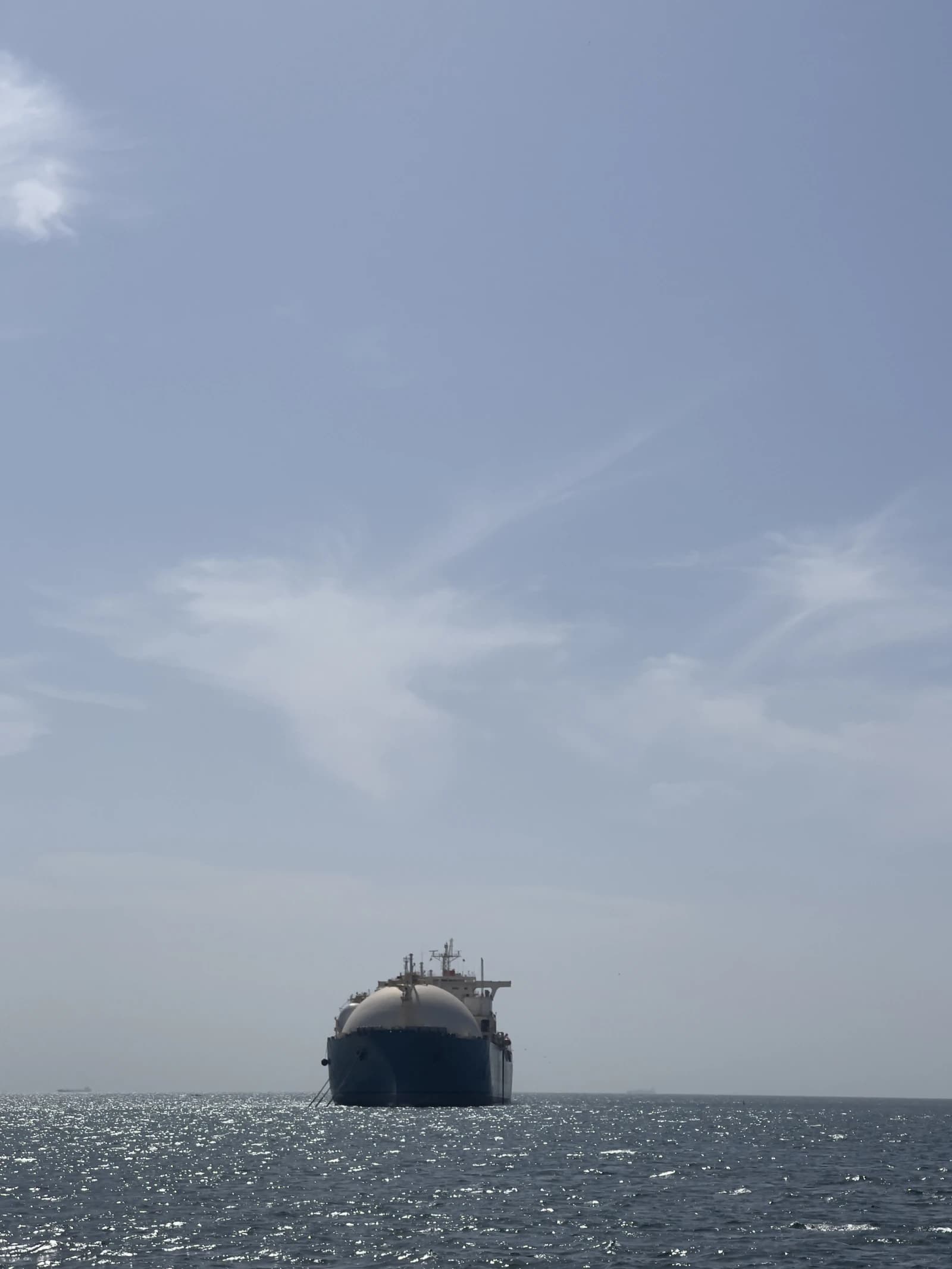
QatarEnergy said it signed three purchase agreements at the end of October for up to 7 million tonnes a year, signaling that even one of the world’s biggest LNG exporters is hedging its own logistics exposure. The company’s push comes after heightened concern over Middle East shipping routes, including an attack on a Pakistan-bound LNG tanker in the Strait of Hormuz, which added to fears that prolonged instability could ripple through global gas flows.
For investors, the message is that LNG pricing and supply security are becoming as important as volumes. Producers with diversified export portfolios and access to multiple liquefaction regions may command a strategic premium, while buyers with heavy exposure to Gulf cargoes face more volatility in delivered costs and contract timing.
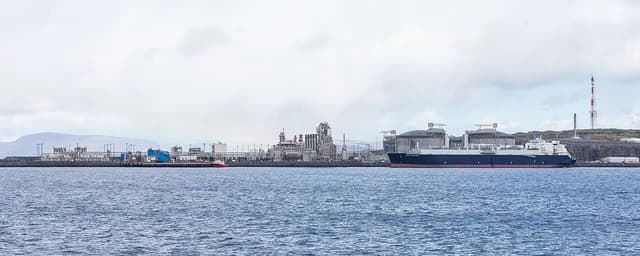
The market reaction has already reflected that tension. UNG, the U.S. natural gas ETF, has fallen to 9.35, far below its 50-day moving average of 10.32 and 200-day average of 11.13, while its RSI reading of 22.9 points to deeply oversold conditions. LNG-related equities have also cooled from recent highs, with Cheniere Energy at 277.95 after touching 330.32 on Oct. 30, and the XOP exploration and production ETF down to 173.77 from 203.76 late last month.
Adalytica’s natural gas trade snapshot shows sentiment at 18, labeled “Fear,” with awareness at 52, suggesting traders remain wary even as the physical market keeps adjusting to new supply routes and geopolitical risk. The shift also helps explain why companies such as Monumental Energy continue to rely on project execution and development milestones rather than a stable spot market backdrop.
The next test is whether the Middle East shipping risk eases or worsens and whether more LNG buyers follow QatarEnergy’s lead in chasing supply diversification. That will shape near-term contract pricing, freight demand and the relative appeal of exporters with assets in the US, Australia and the Gulf.
| Entity | Gains | Losses |
|---|---|---|
| QatarEnergy | ▲Diversified supply network | ▼Reliance on Gulf shipping |
| US LNG producers | ▲More long-term demand | ▼Gulf-linked exporters |
| LNG buyers in Europe/Asia | ▲Better supply optionality | ▼Exposure to transit disruptions |
| Short-term LNG sellers | ▲Potential price support | ▼Volatility from route risk |