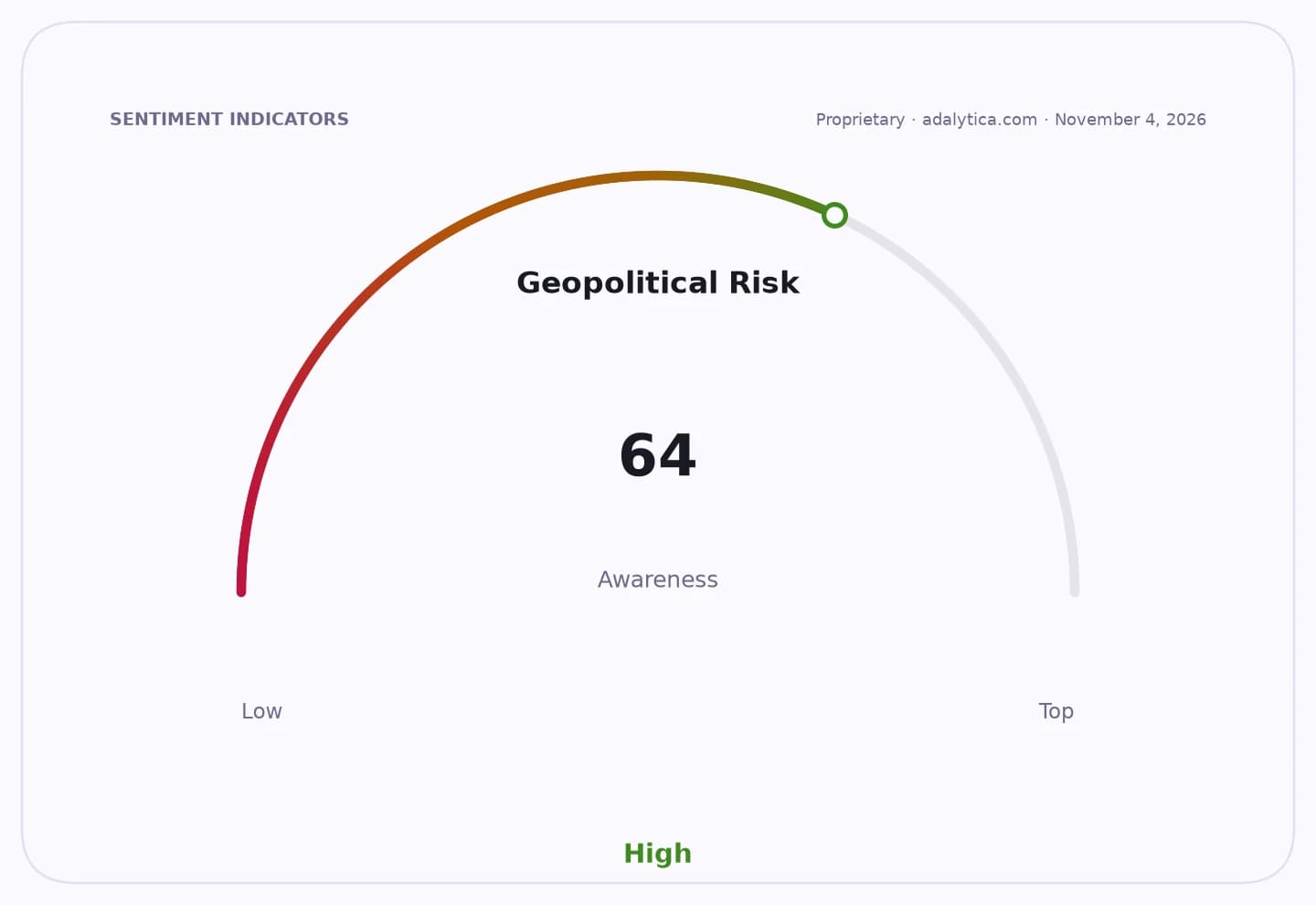
China’s call for Middle East peace talks and safe passage through key waterways is drawing fresh attention because the diplomatic push is now colliding with physical disruption in one of the world’s most important energy chokepoints.
China Middle East peace talks and Hormuz risk
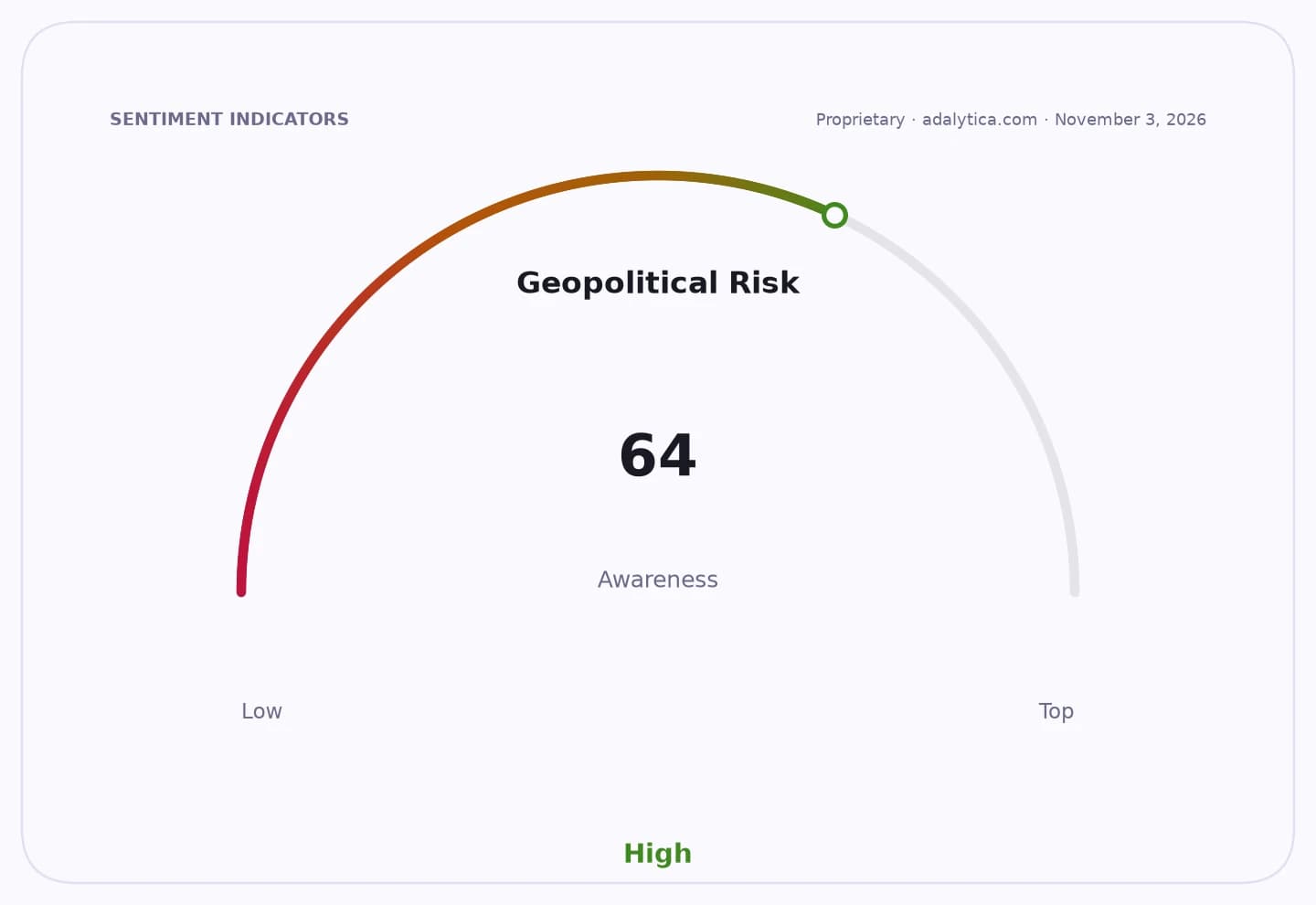
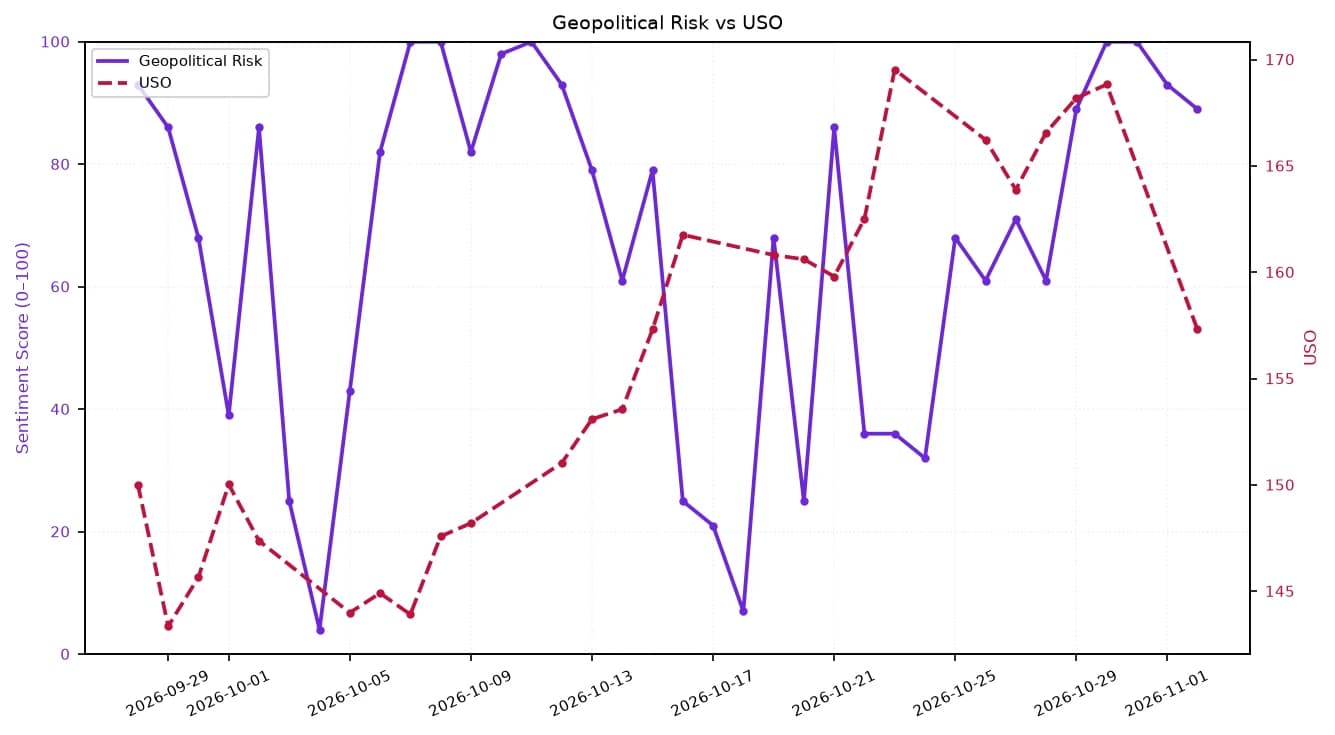
Geopolitical Risk
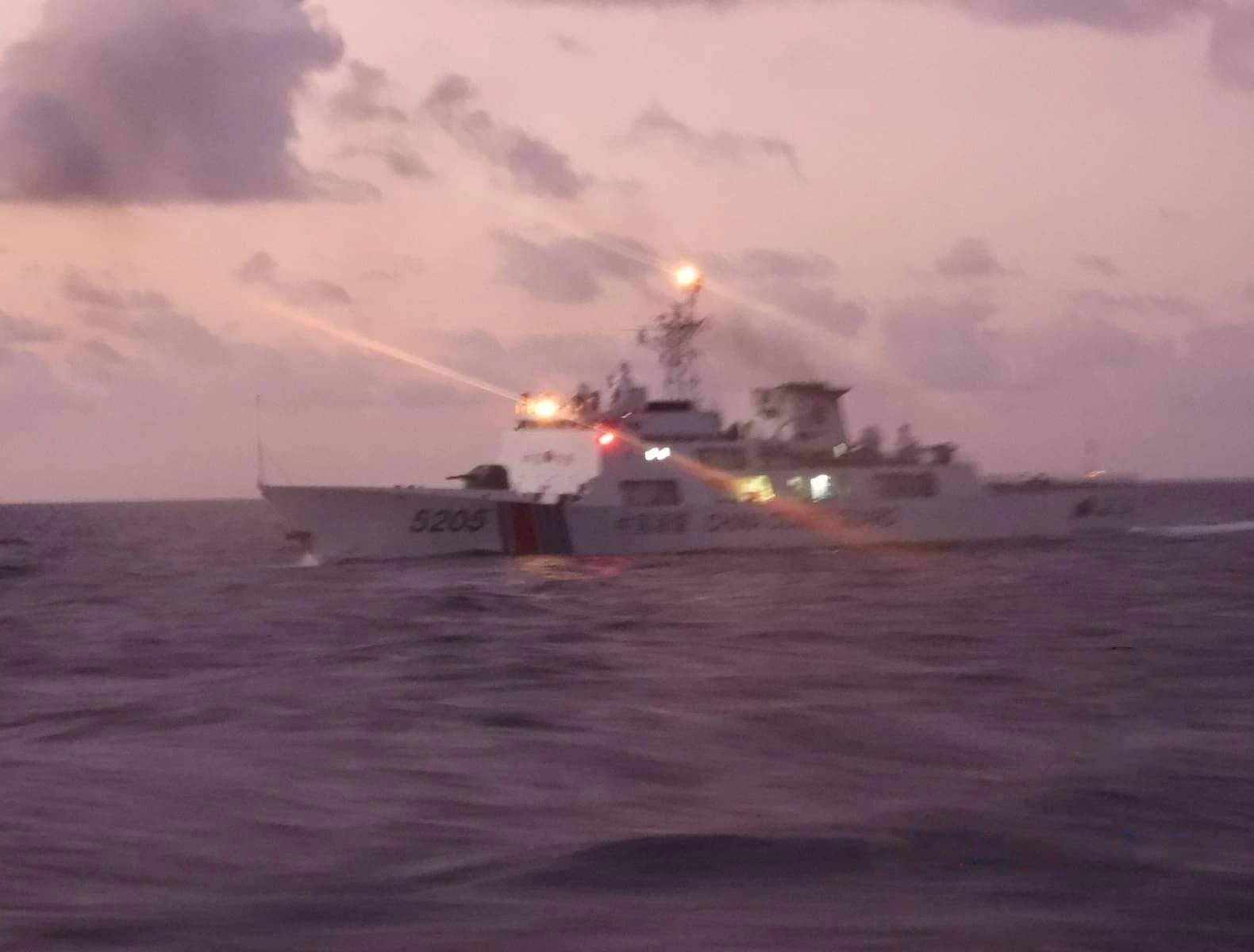
The immediate economic issue is not rhetoric but risk to barrels, cargoes and shipping insurance through the Strait of Hormuz, where the IRGC said two crude tankers caught fire after striking sea mines, while Gulf states condemned an attack on a Qatari liquefied natural gas carrier. The prospect of wider disruption matters because the strait carries a large share of seaborne oil and a substantial portion of global LNG trade, making even short-lived incidents capable of jolting freight rates, raising war-risk premiums and tightening prompt energy supply.
Sentiment Indicators
Oil WTI
Oil markets were already signaling how sensitive traders remain to any escalation in the region. WTI crude has recently traded above $95 a barrel, with its 50-day moving average near $95 and the 200-day average around $87, while Brent has held above $102, reflecting a market that is still pricing geopolitical fragility rather than comfortable spare capacity. The conventional RSI readings on both contracts have eased from overbought extremes but remain consistent with a market that can reprice sharply on headlines. Shipping-linked BDRY has also stayed elevated versus earlier in the year, underscoring that tanker economics are being pulled by geopolitical risk as much as by demand fundamentals.
For investors, the stakes are broader than crude prices. Higher oil and LNG transport costs can lift inflation expectations, complicate central-bank easing cycles and support energy equities even as they threaten margins for refiners, airlines, chemicals and import-dependent consumers. A prolonged standoff would likely favor tanker owners, insurers and upstream producers, while pressuring industrial users and economies more exposed to imported fuel. It could also strengthen the dollar’s safe-haven bid and keep the 10-year Treasury yield elevated if energy-driven inflation proves sticky.
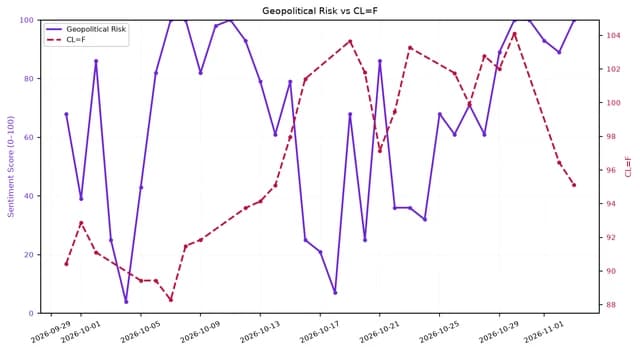
The narrative connecting the facts is that diplomacy and market pricing are now moving in opposite directions: Beijing is pushing for de-escalation and secure sea lanes, but the region’s physical risk premium is rising as attacks intensify around a passage that global trade cannot easily bypass.
For now, the key question is whether indirect talks can reduce the threat of further maritime incidents before markets begin to treat the disruption as more than a temporary shock. If the violence around the strait broadens, the cost will be paid first in freight, then in energy prices, and finally across inflation-sensitive assets worldwide.
| Entity | Gains | Losses |
|---|---|---|
| Oil producers | ▲Higher realized prices | ▼Price volatility |
| Tanker owners | ▲Firmer freight rates | ▼Security risk |
| Energy importers | ▲Safer sea lanes | ▼Higher fuel costs |
| Central banks | ▲Lower crisis spillover | ▼Sticky inflation pressure |