Adnoc’s new five-year liquefied natural gas supply agreement with TotalEnergies is another sign that long-term gas contracts are back in favor as Europe heads into winter with thin storage and buyers scramble to lock in supply.
Adnoc and TotalEnergies Sign Five-Year LNG Deal
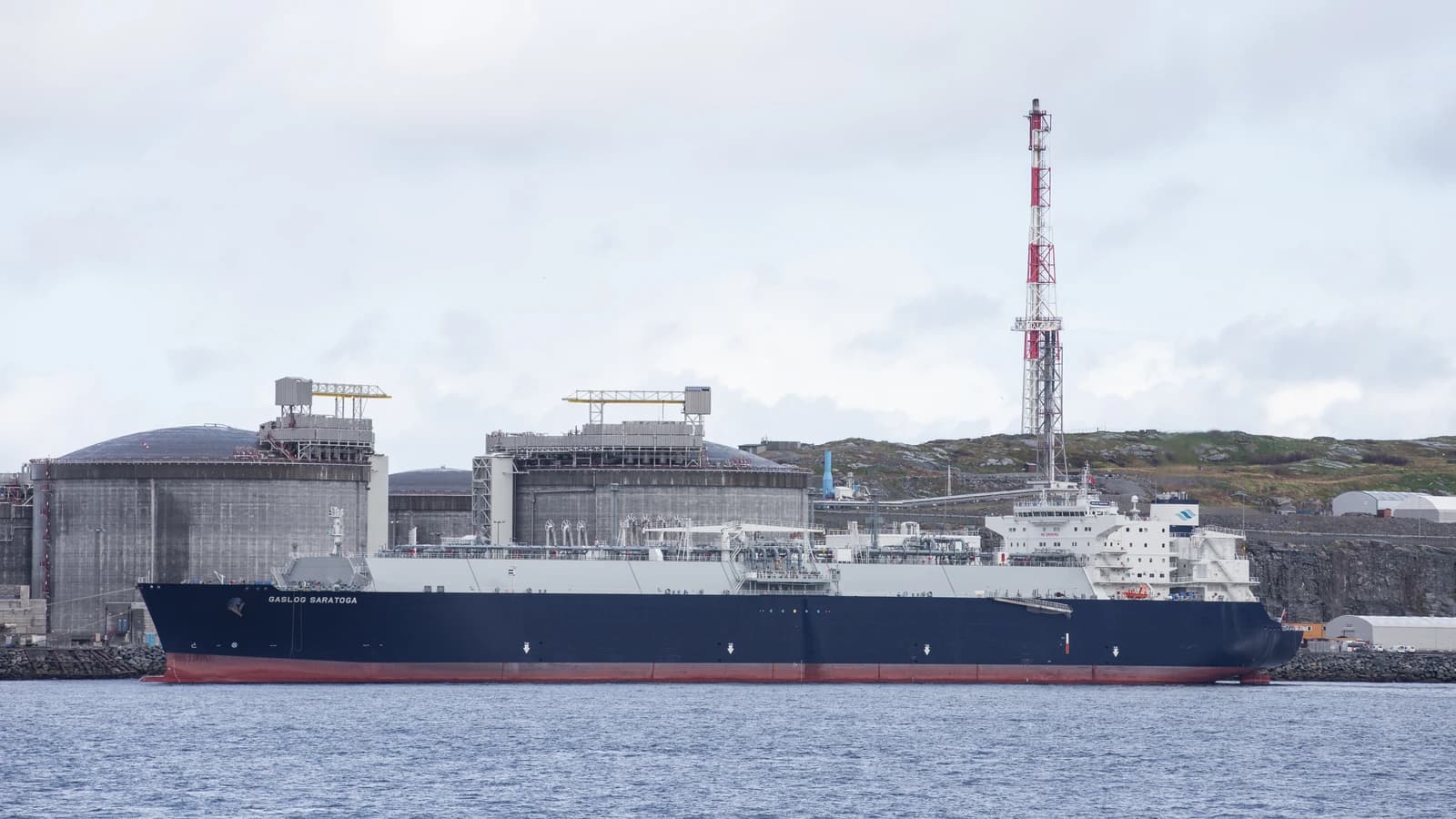
The Emirati state energy company said it will deliver up to 1.6 million tonnes of LNG under the deal, with first cargoes expected this year. For TotalEnergies, the agreement adds another layer of security to its gas portfolio at a time when European inventories are sitting below the EU’s preferred threshold and the International Energy Agency has warned the region is entering winter with its lowest natural gas reserves since 2013.
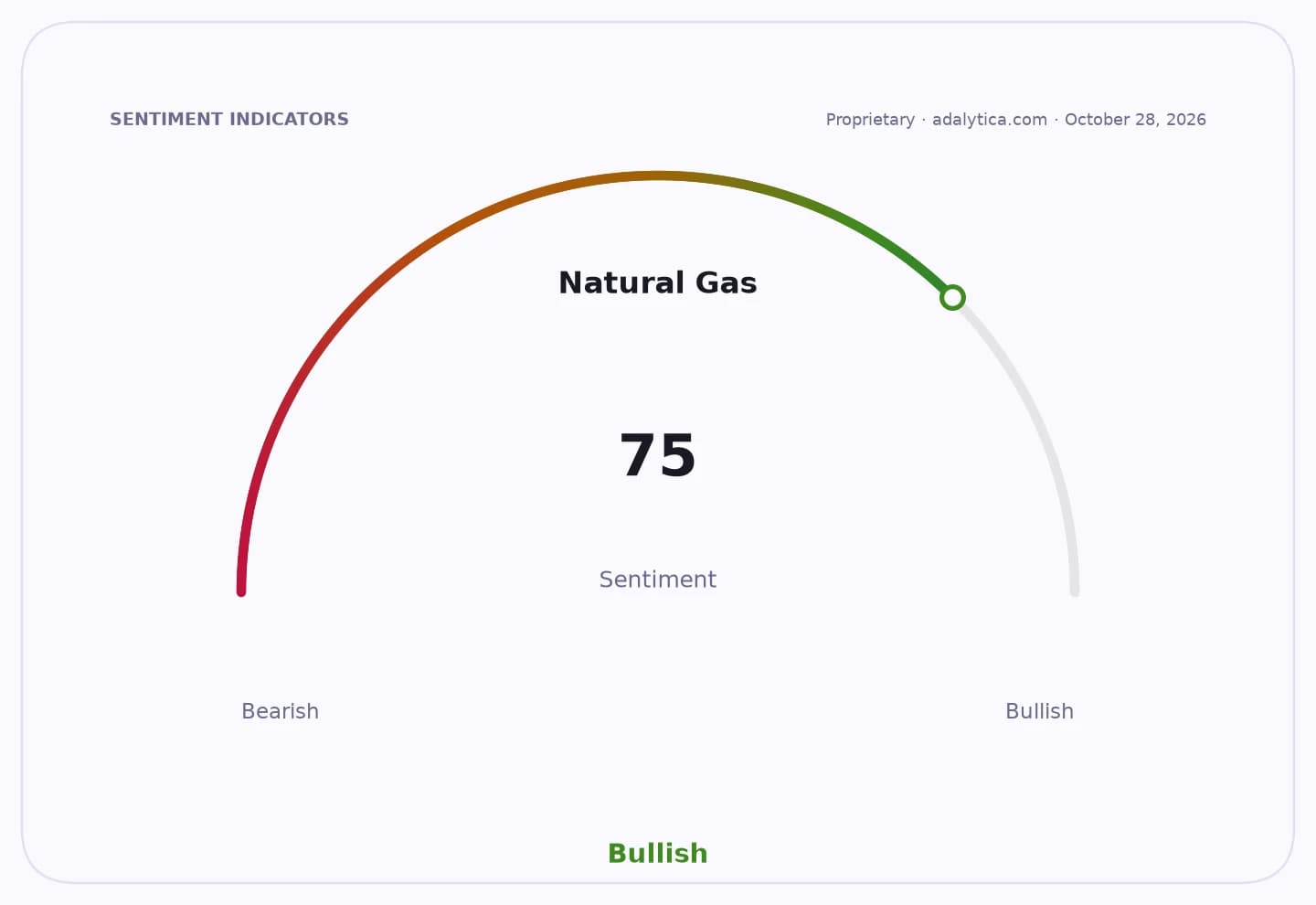
Sentiment Indicators
Geopolitical Risk
That matters because LNG is no longer just a swing fuel for power generation. It has become a strategic commodity, and the companies that can secure volumes now are the ones best positioned to serve customers when spot markets tighten. Europe’s storage tanks were 75% full at the end of October, below the 80% minimum target set by the European Union, which raises the risk that colder weather or supply disruptions could force utilities and industrial users back into the market at higher prices.
For Adnoc, the deal reinforces Abu Dhabi’s push to become a bigger player in global gas. The company has been moving quickly to sign multi-year contracts that help underpin investment in liquefaction capacity while giving it firmer visibility on future cash flows. That is exactly the kind of setup long-term investors like: stable demand, visible volumes and a role in a market where supply discipline is becoming more valuable.
For TotalEnergies, the agreement is equally important. The French major has spent years positioning itself as one of Europe’s most important gas suppliers, and the latest contract helps it hedge against the kind of winter volatility that can punish utilities, squeeze industrial margins and unsettle European governments. In a tighter LNG market, contractual supply is a competitive advantage.
The broader message for investors is that the LNG market remains structurally undersupplied relative to demand growth. Adnoc has already announced other supply deals, including one with Thailand, underscoring how producers are using long-term contracts to capture a market where Europe and Asia are competing for the same cargoes. Adalytica’s natural gas trade signals remain neutral, but the underlying story is clear: buyers are still willing to pay for security.
That does not mean LNG prices will only go higher from here, but it does suggest the market will stay constructive for exporters with spare capacity and disciplined capital spending. For shareholders, that favors the big integrated energy names and LNG-linked infrastructure over pure commodity speculation. The winners are the producers with locked-in offtake; the losers are the buyers left chasing spot cargoes.
If you are investing for the next three to 10 years, this is the kind of development worth watching closely. Gas may not be the market’s flashiest theme, but in a world of tighter energy buffers and rising electricity demand, it is becoming one of the most investable.
| Entity | Gains | Losses |
|---|---|---|
| Adnoc | ▲Long-term sales visibility | ▼Less exposure to spot upside |
| TotalEnergies | ▲Supply security for Europe | ▼Higher procurement costs in tight markets |
| European gas buyers | ▲Contracted winter supply | ▼Less leverage in spot market |
| Spot LNG sellers | ▲Higher pricing power | ▼Volatile demand from contract buyers |