Europe’s ability to rebuild gas stocks for the 2027-2028 winter is increasingly constrained not by a lack of storage capacity, but by the availability of supply to fill it, the European network of gas transmission operators said.
Europe Gas Storage Refill Faces LNG Supply Limits
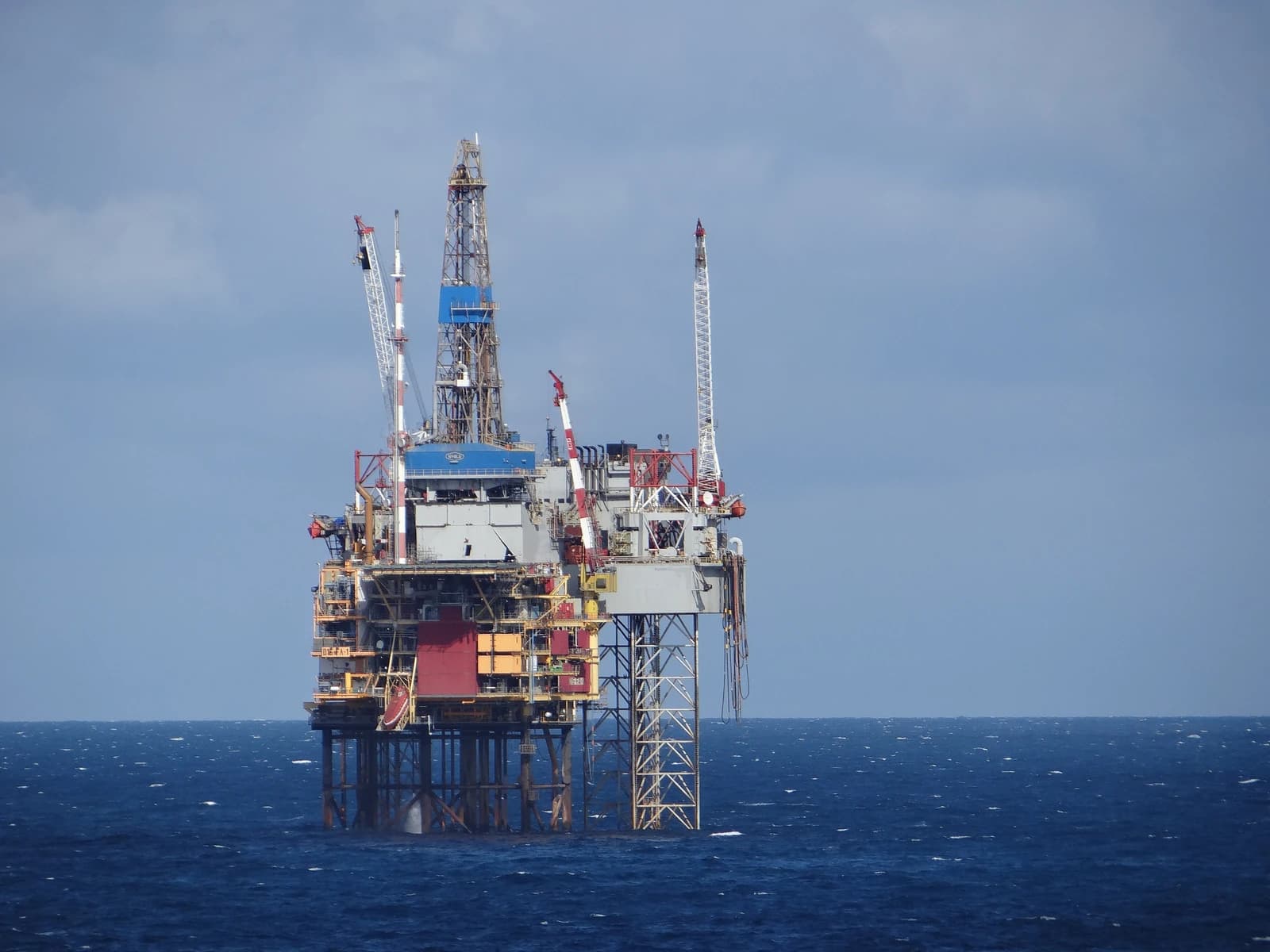
That matters because Europe enters the coming heating season with inventories already weakened by a difficult refill campaign and a still-tight LNG market, leaving the region more exposed to late-winter cold snaps and reducing the flexibility of its gas system. ENTSOG said refill prospects for next summer will depend on securing enough gas throughout the injection season and on whether infrastructure can physically push volumes into storage fast enough.
Sentiment Indicators
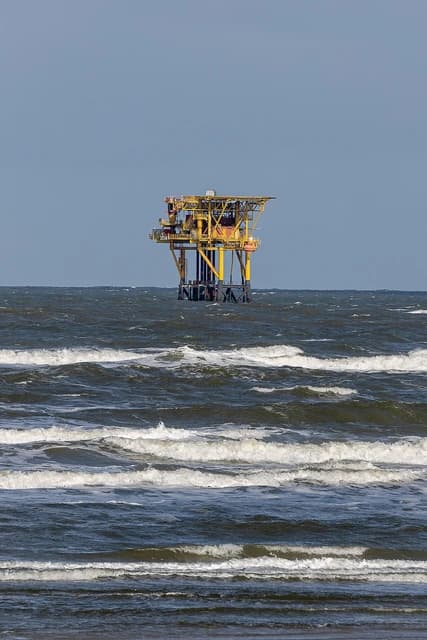
The group said storage ended the refill season at 72% on Oct. 1, after what it called a tough summer campaign. It also warned that if LNG availability remains limited, stocks could fall well below 30% by the end of winter, a level that would amplify the impact of a cold spell and make the next refill cycle harder still. In practical terms, storage is doing less of the heavy lifting than in previous winters: facilities covered about 26% of EU gas demand in winter 2025-2026, down from roughly 30% the year before.
The economic significance is straightforward. Europe’s gas market is still balanced on a knife-edge between imported LNG, storage withdrawals and demand destruction. If supply remains tight, the bloc may need to rely more heavily on price-sensitive demand cuts rather than physical security of supply, with implications for industrial output, electricity prices and household heating costs. ENTSOG’s stress tests suggest that in a scenario combining severe cold and 20% lower LNG availability than the optimal supply case, Europe could face unmet demand or demand reduction equivalent to about 12% of total winter consumption, or 437 terawatt hours, roughly 40 billion cubic meters.
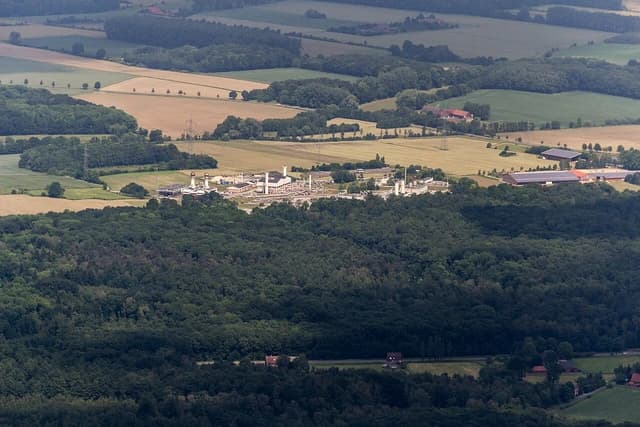
That is not a base-case forecast, and ENTSOG was careful to stress that its seasonal report is a scenario analysis anchored to conditions on Oct. 1, not a live shortage call. Even so, the exercise points to a structural vulnerability: Europe can now import more LNG than in the past, with winter regasification capacity around 145 billion cubic meters, but the system still depends on global LNG flows arriving on time and at sufficient volume. If those cargoes are diverted elsewhere or if Asian demand strengthens, Europe’s buffers narrow quickly.
The pressure is likely to be uneven across the bloc. ENTSOG said landlocked countries in central, eastern and southeastern Europe face greater challenges in securing LNG because of infrastructure constraints. That matters for investors because regional tightness tends to show up first in basis differentials, transport bottlenecks and greater volatility in European gas benchmarks, even when the bloc as a whole looks broadly supplied. It also raises the odds of policy intervention if governments move to protect storage, curb demand or coordinate emergency releases.
The market backdrop already reflects a more cautious tone in energy. U.S. benchmark gas has traded with elevated volatility, while LNG-linked equities have stayed sensitive to winter demand expectations and Atlantic Basin cargo economics. Technical readings on the U.S.-listed natural gas ETF UNG show the fund still well below both its 50-day and 200-day moving averages after a sharp pullback from late-October highs, suggesting traders have not fully priced in a sustained Europe-led supply scare. For LNG exporters and infrastructure owners, however, a structurally tighter European market can support utilization and pricing power if cargoes stay scarce.
The bull case is that Europe has more regasification capacity, more supplier diversity and more policy tools than it had at the start of the energy crisis, making a full-blown shortage less likely than in 2022. The bear case is that storage no longer offers the same cushion if winter is severe and LNG remains constrained, forcing Europe to pay up for marginal supply and increasing the risk of another year in which refill problems roll directly into the next heating season.
For investors, the key point is that Europe’s gas system is moving from a question of storage size to one of refill physics and global supply competition. That favors LNG exporters, pipeline-linked firms and infrastructure operators, while keeping European industrial users, utilities and import-dependent economies exposed to winter price spikes and policy responses.
| Entity | Gains | Losses |
|---|---|---|
| LNG exporters | ▲Higher demand for cargoes | ▼Weaker bargaining power if supply loosens |
| European utilities/importers | ▲More flexibility from regasification capacity | ▼Higher procurement costs |
| Industrial gas users | ▲Potentially more policy support | ▼Risk of demand curbs and price spikes |
| European households | ▲Better security than 2022 crisis | ▼Higher heating bills if winter turns cold |