Germany is heading into winter with gas storage still well below target, reviving the prospect of another energy shock for Europe’s biggest economy just as cold weather and higher global gas prices threaten to tighten supply further.
Germany Gas Storage Below Winter Target
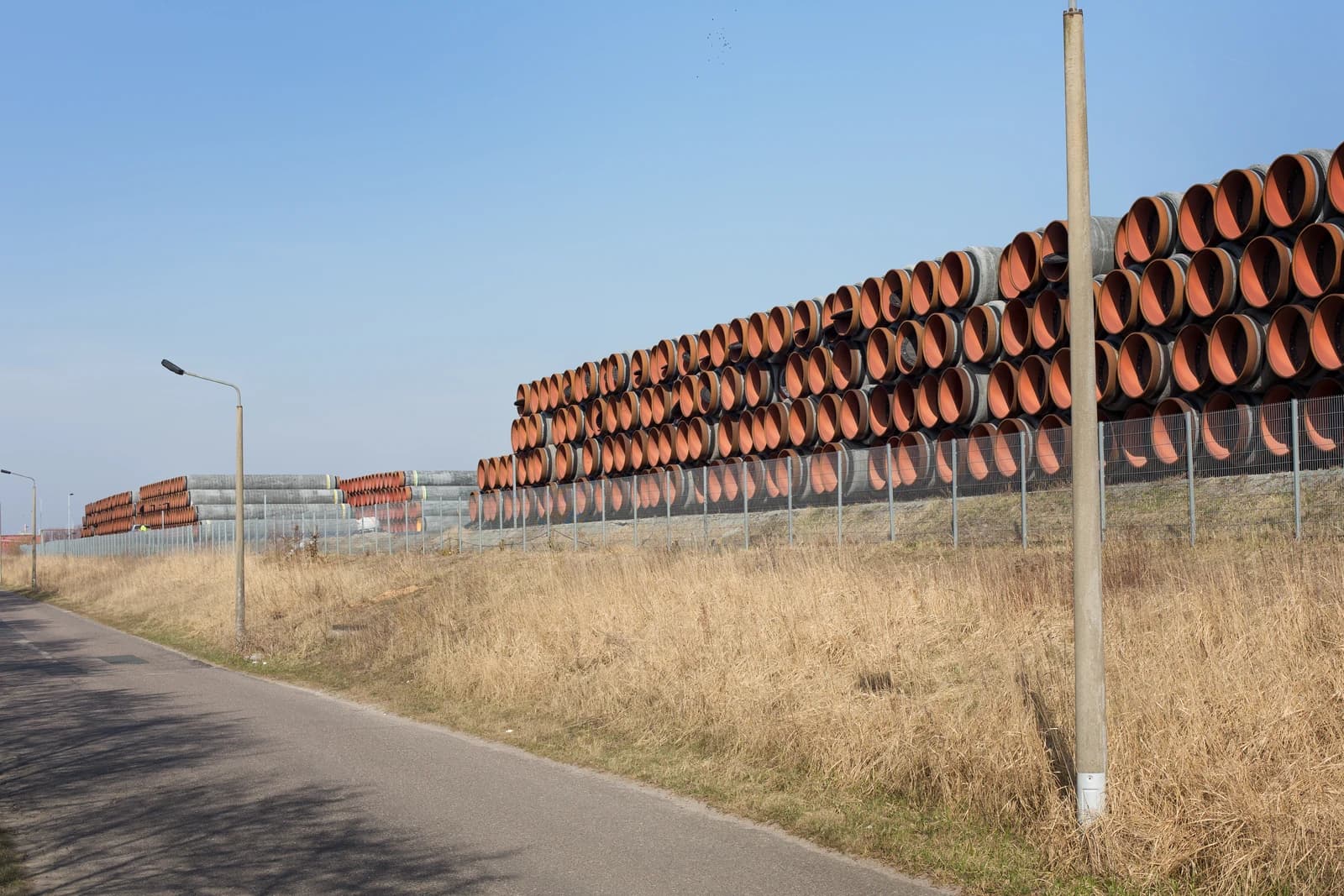
Storage in Germany was 61.17% full, short of the government’s 70% goal for Nov. 1 and below the roughly 75% average across the European Union, according to Gas Infrastructure Europe. That gap matters because Germany is the region’s largest industrial gas consumer and the anchor of Europe’s manufacturing chain; if storage runs low during a cold spell, the pressure falls quickly on power prices, factory costs and household heating bills.
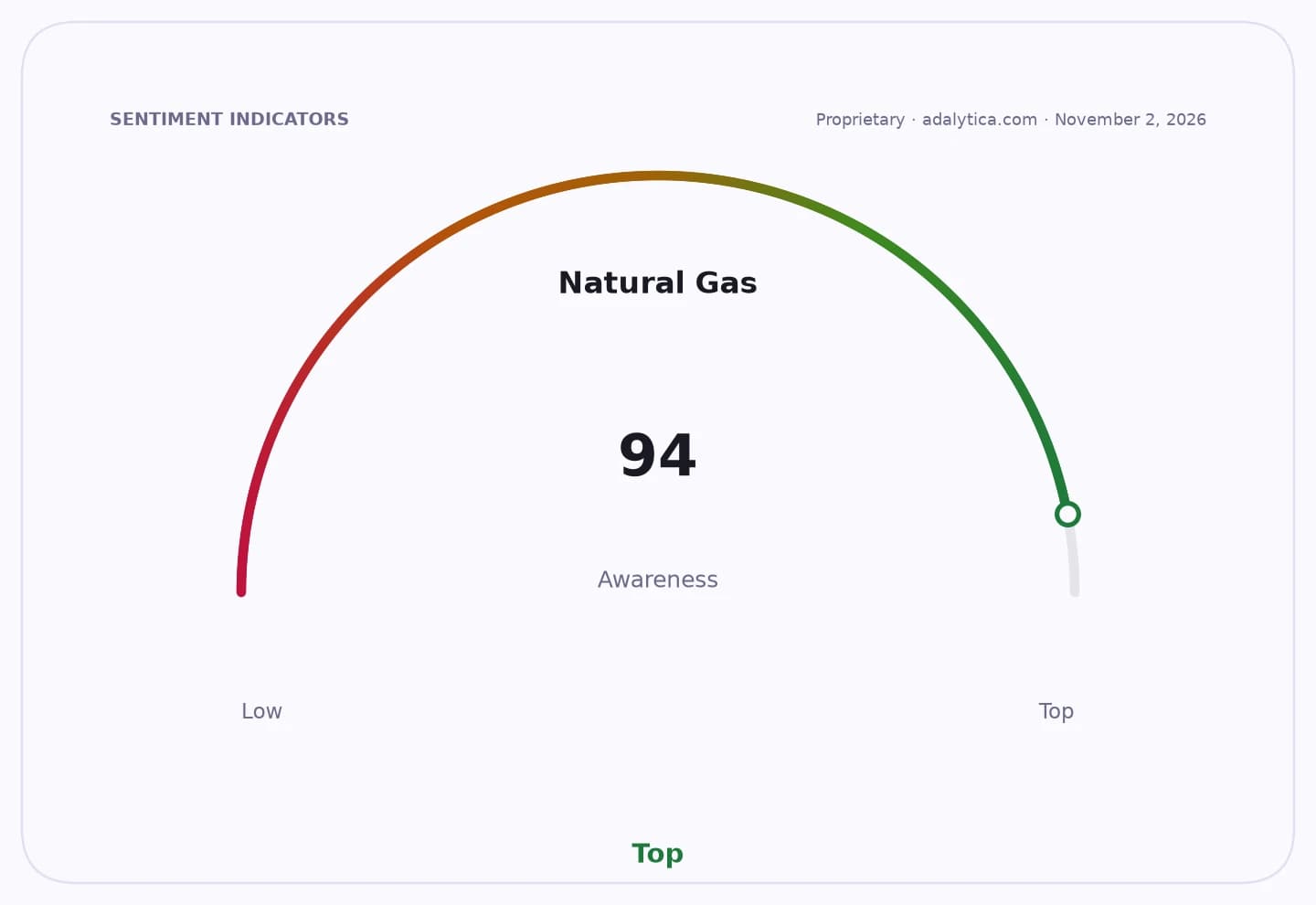
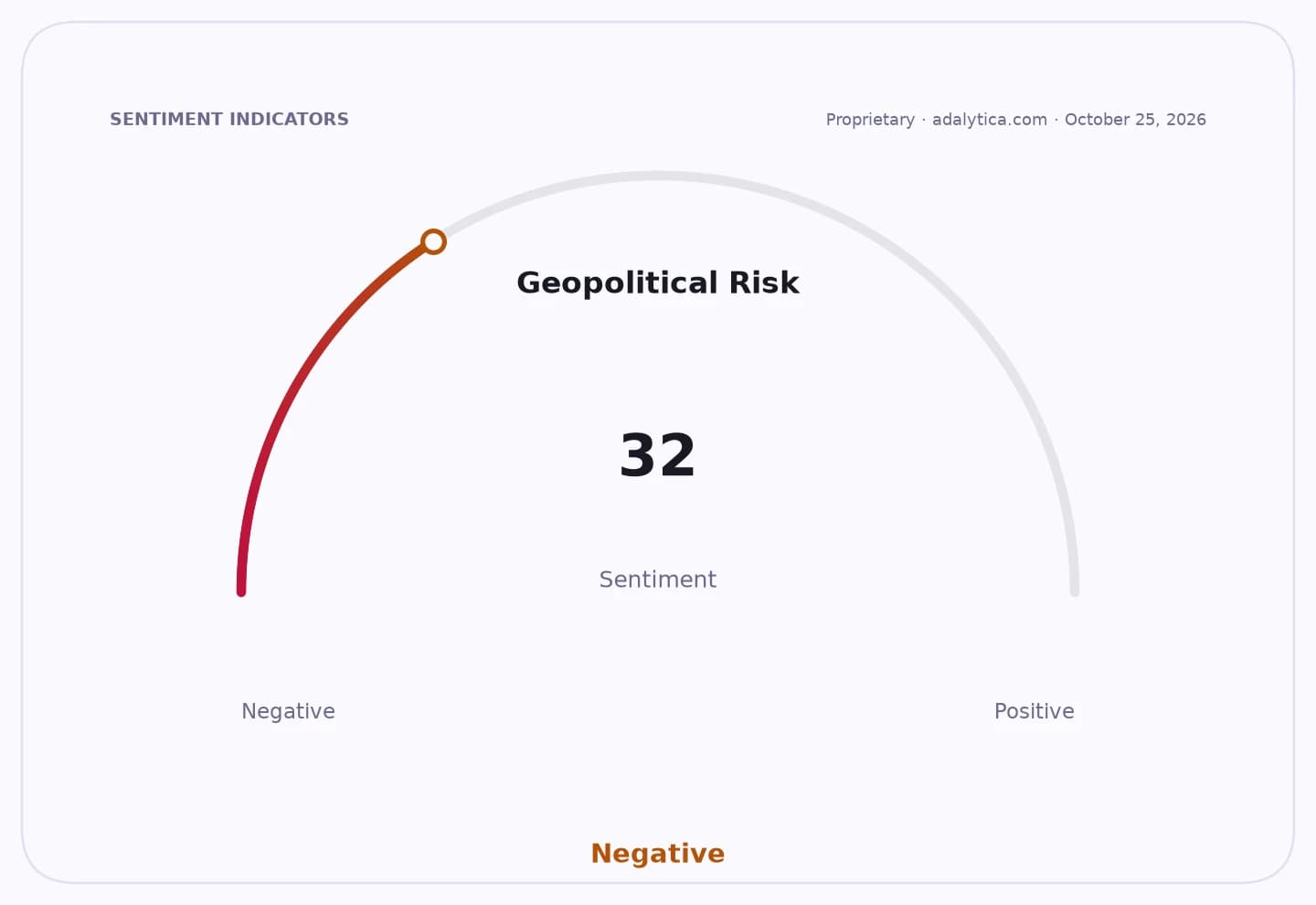
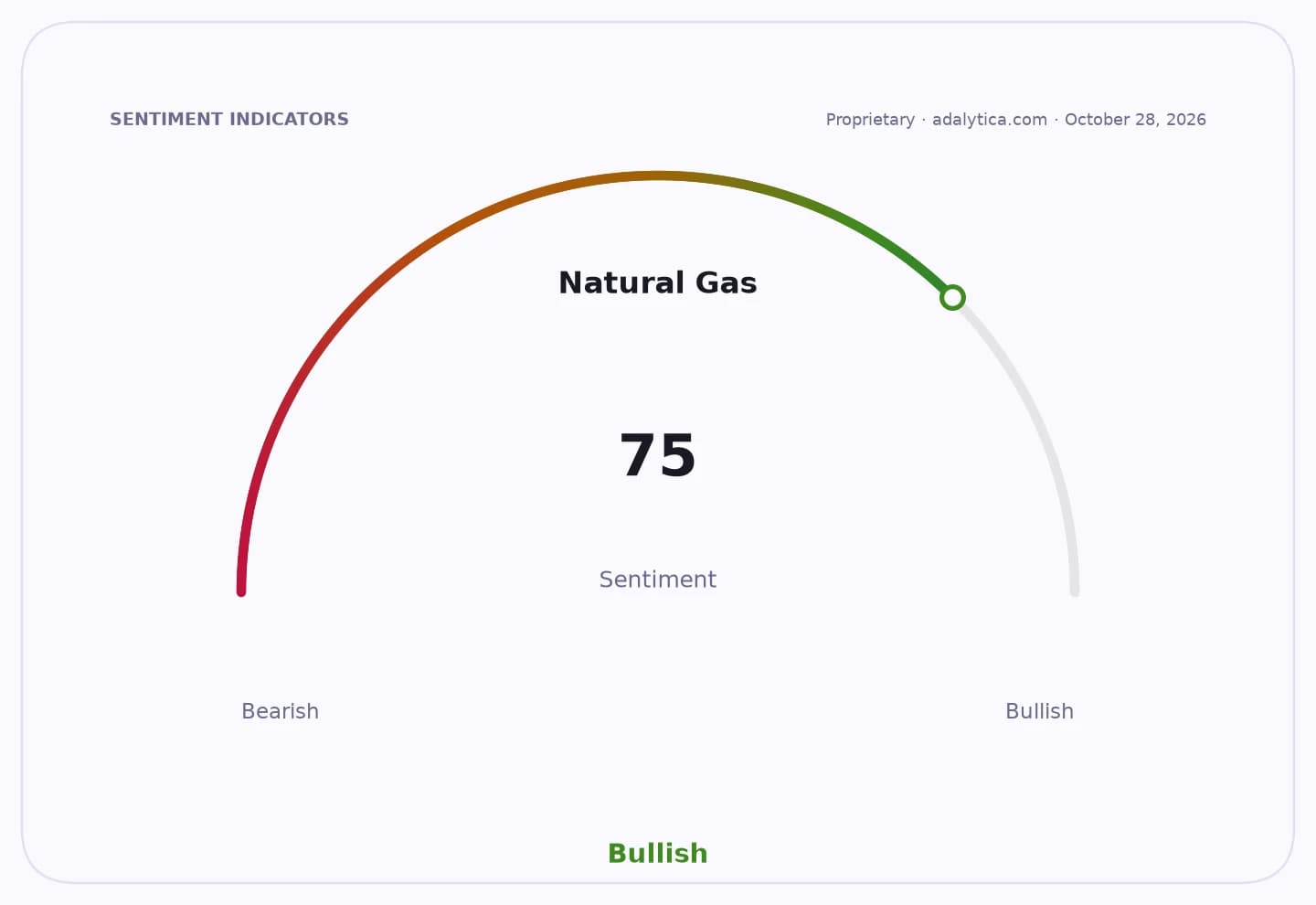
Sentiment Indicators
Natural Gas
The timing is unfavorable. Forecasts point to temperatures in Berlin, Frankfurt and Munich running 2 to 4 degrees Celsius below normal, with parts of southern and eastern Germany potentially dropping below freezing. At the same time, forecasters warn of Dunkelflaute conditions — periods of high pressure, low wind and heavy cloud cover that cut output from wind and solar just when heating demand rises. That combination increases the chance that gas-fired generation will be needed more heavily, while storage is still incomplete.
Markets are already pricing in that strain. European natural gas prices have reportedly tripled since the start of the year and last week touched 100 euros per megawatt hour for the first time since 2022, after the war in Iran heightened fears of disruption to global energy trade. For Germany, the risk is not only a repeat of the 2022 crisis that followed Russia’s invasion of Ukraine, but a more expensive scramble for liquefied natural gas cargoes in a tighter global market.
Natural Gas
That scramble could force Europe to bid against Asian buyers, especially China and Japan, for flexible US LNG cargoes. In economic terms, that raises the probability of persistently elevated input costs for energy-intensive industries, from chemicals to metals, and increases inflation pressure at a time when policymakers are still trying to secure a softer landing for growth. For investors, the consequence is broader than utility stocks: high gas prices can weigh on European equities, support energy traders and LNG-linked names, and keep volatility elevated across power, industrial and shipping markets.
Germany’s failure to refill storage despite state-backed buying through SEFE suggests the market is working against government planning. The bullish case is that mild weather or stronger LNG arrivals could ease the squeeze. The bear case is that colder temperatures arrive early, renewable output disappoints and spot cargoes stay expensive, leaving Europe exposed to a winter price spike.
For now, the central message for investors is that Europe’s energy system remains vulnerable to weather and geopolitics, and Germany remains the region’s most important pressure point. What happens over the next few weeks will determine whether this becomes a managed winter or another continent-wide energy scare.
| Entity | Gains | Losses |
|---|---|---|
| LNG exporters | ▲Higher cargo demand | ▼Less pricing power if winter is mild |
| European gas sellers | ▲Elevated spot prices | ▼Inventory strain and volatility |
| German industry | ▲— | ▼Higher fuel and power costs |
| Households in Germany/EU | ▲— | ▼Larger heating bills |