Germany’s low Rhine water is forcing three coal-fired power plants to curb generation, a fresh reminder that Europe’s most important inland shipping route can quickly turn into a supply bottleneck for power markets and industry.
Germany Rhine Low Water Cuts Coal Plant Output

The immediate issue is not a shortage of coal in the broader market, but the inability to move enough fuel upriver at economically viable scale as the river shrinks. That makes the episode economically important because it tightens an already fragile German energy balance at a time when dispatchable generation still matters for grid stability, especially during periods of weak wind or high demand. It also raises the cost of keeping older thermal assets available, because operators must either pay up for alternative logistics or run plants below capacity.
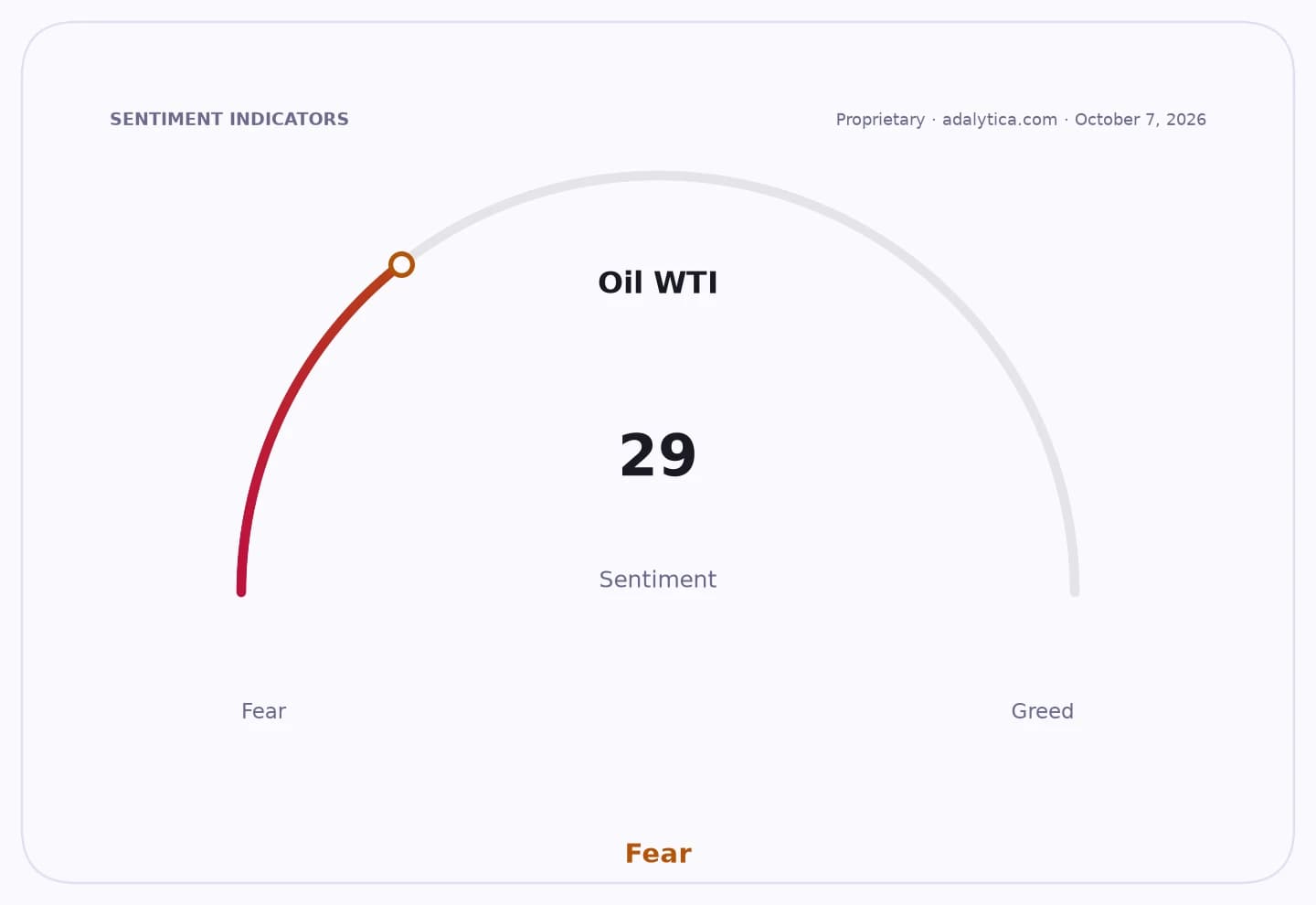
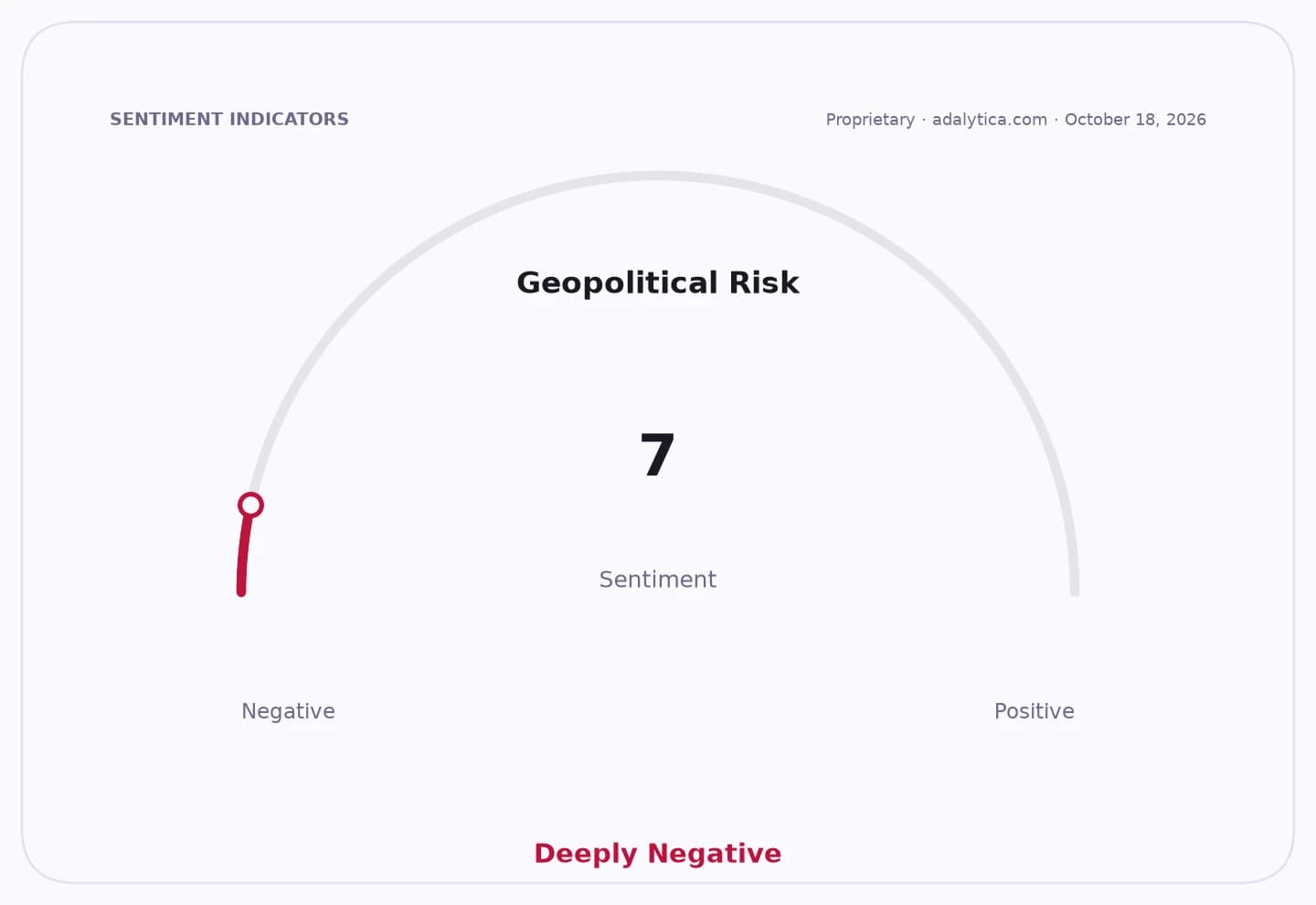
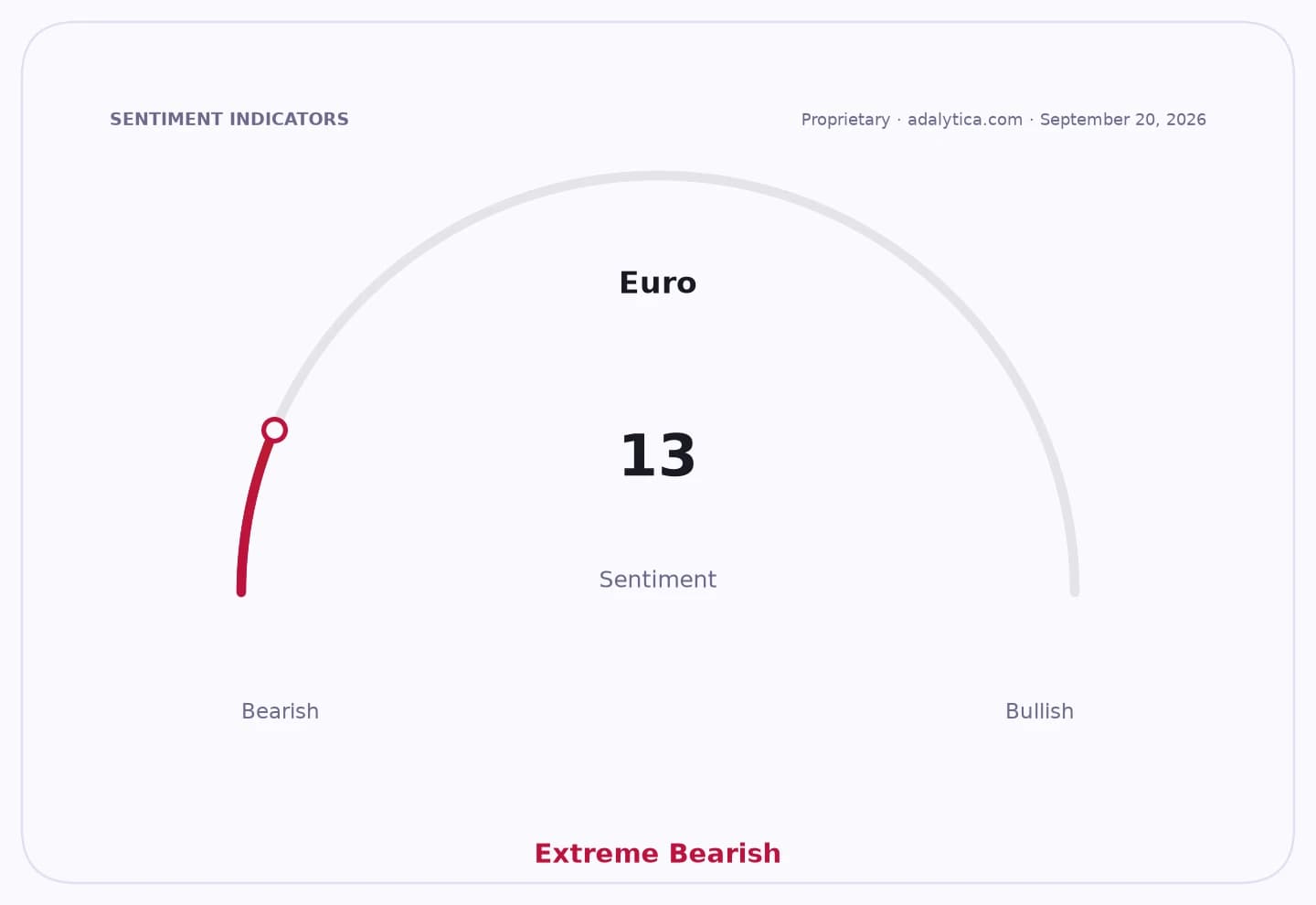
Sentiment IndicatorsⓘProprietary · adalytica.com · October 12, 2026
This is a snapshot — live sentiment, awareness and momentum for 130+ markets update continuously in the dashboard.Open AlphaPulse
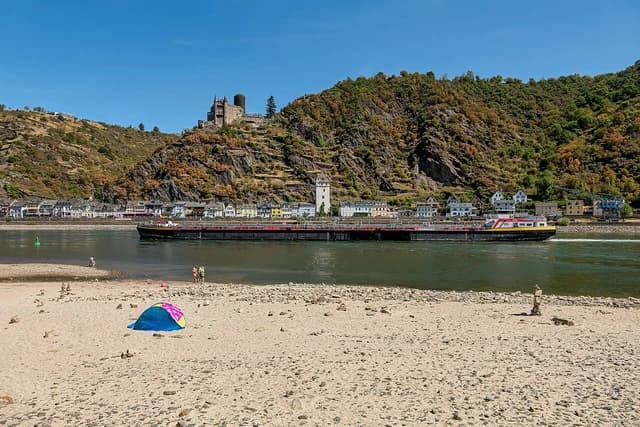
Bloomberg reported that Steag Walsum 10 near Duisburg will cap output through the end of November, Grosskraftwerk Mannheim warned coal scarcity will weigh on operations until year-end, and Datteln 4 near Dortmund also flagged possible lower generation. The trigger is the Rhine falling to very low levels after drought conditions, disrupting barge transport that normally carries bulk fuels and industrial inputs through the country’s manufacturing heartland. When water levels drop this far, cargoes have to be split across more vessels or shifted to costlier transport modes, which tends to squeeze margins and slow deliveries.
For investors, the story cuts across utilities, shippers and German industry. Coal generators such as RWE and other operators with exposure to inland logistics face higher fuel procurement and transport costs, while companies reliant on steady power supply could see more volatility in wholesale electricity prices if available baseload generation tightens further. The market backdrop matters: technical readings in RWE and EnBW show the shares have already been trading with elevated volatility, underscoring how sensitive the sector remains to fuel and operating disruptions. By contrast, rail and road freight providers may benefit if cargoes are rerouted, though the capacity to absorb bulk coal volumes is limited.
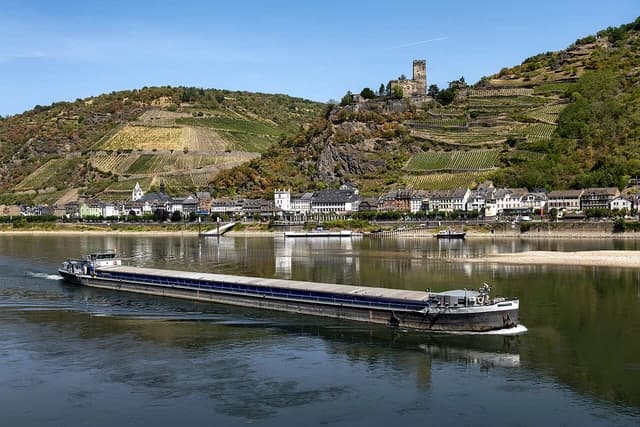
The broader narrative is that Germany’s energy system is still being shaped by physical constraints, not just policy and pricing. Even as the country leans into renewables and grid modernization, drought-driven Rhine bottlenecks can expose the remaining dependence on thermal back-up and the logistics needed to sustain it. If dry conditions persist, the risk is not only lower output from individual plants but wider pressure on industrial activity, power prices and confidence in Germany’s ability to keep energy-intensive sectors supplied through the winter.
| Entity | Gains | Losses |
|---|---|---|
| Coal plant operators | ▲Preserve fuel stock | ▼Lower generation |
| Barging-dependent shippers | ▲None | ▼Lost river traffic |
| Power-intensive industry | ▲None | ▼Higher electricity risk |
| Alternative logistics firms | ▲More rerouting demand | ▼Limited bulk capacity |