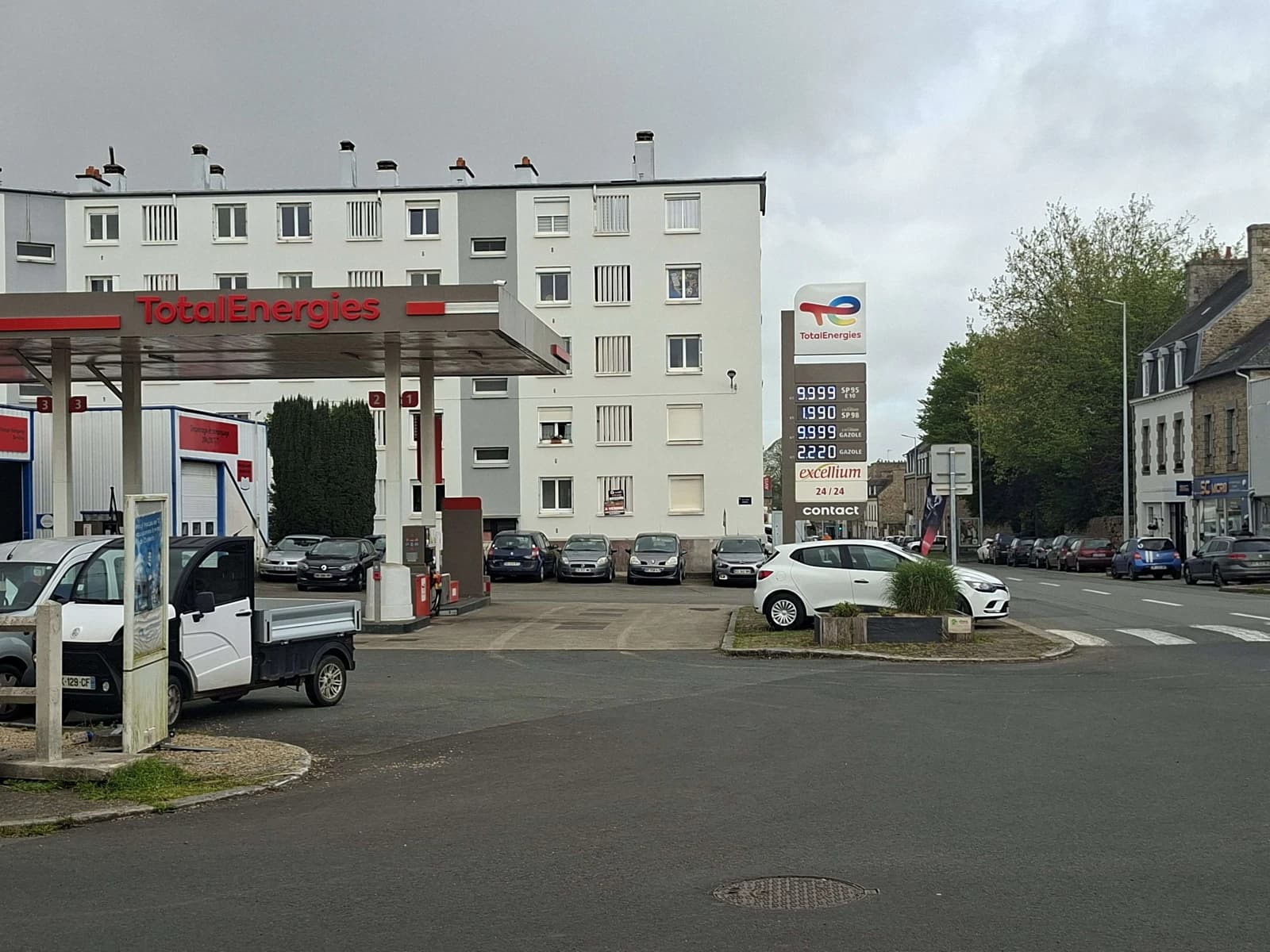
Gas stations in western and southwestern Germany have temporarily run out of fuel after a sharp jump in demand collided with constrained deliveries, exposing how quickly local shortages can emerge even without a nationwide fuel crisis.
Germany fuel shortages hit western stations after tax cut
The squeeze matters because it hits Europe’s largest economy at a time when fuel prices, logistics costs and consumer spending are already under pressure. Germany’s latest temporary tax cut on gasoline and diesel, which took effect on Oct. 1 and trims prices by about 17 cents a liter, appears to have triggered an unusually strong rush to the pumps just as supply chains were running lean.
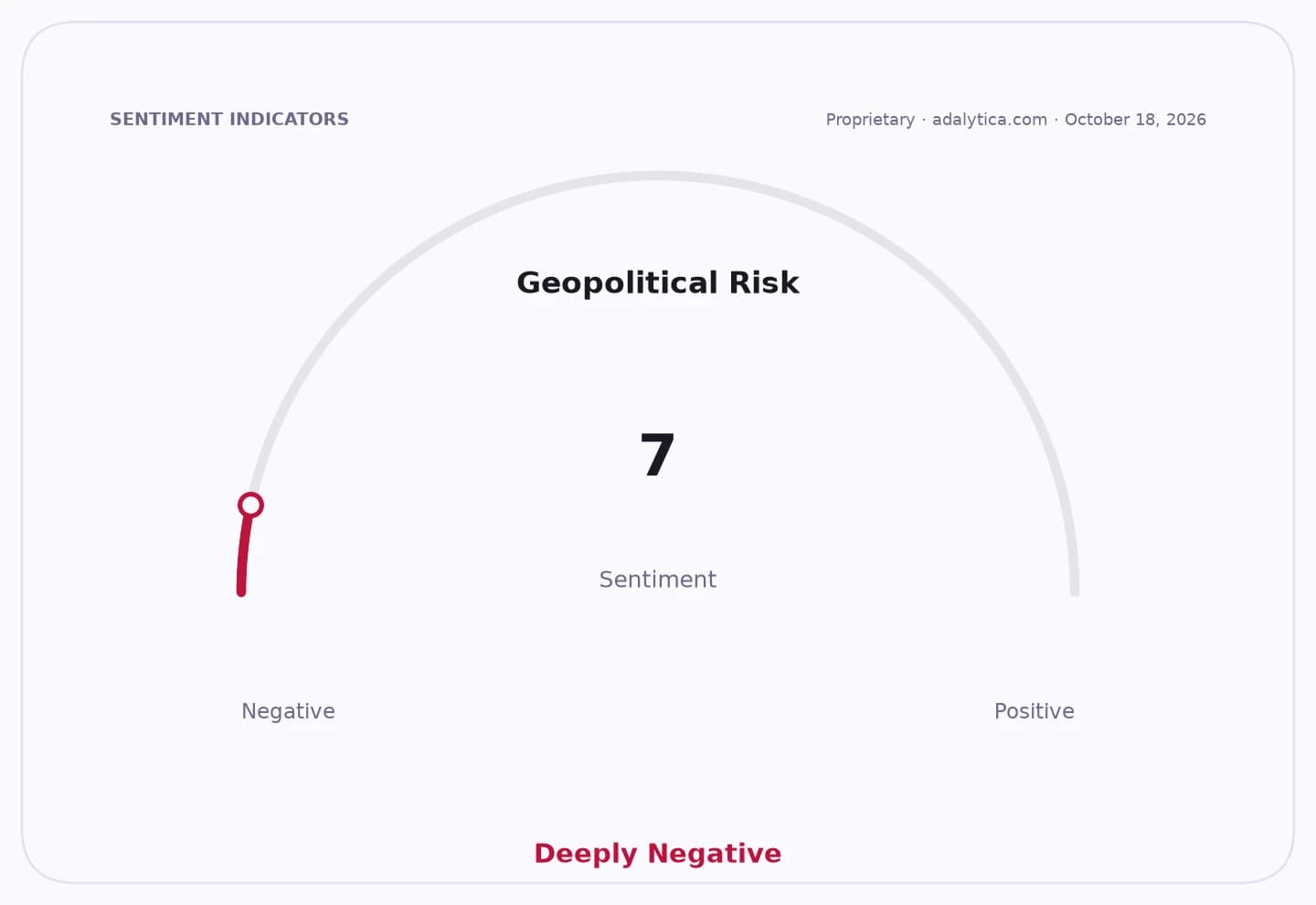
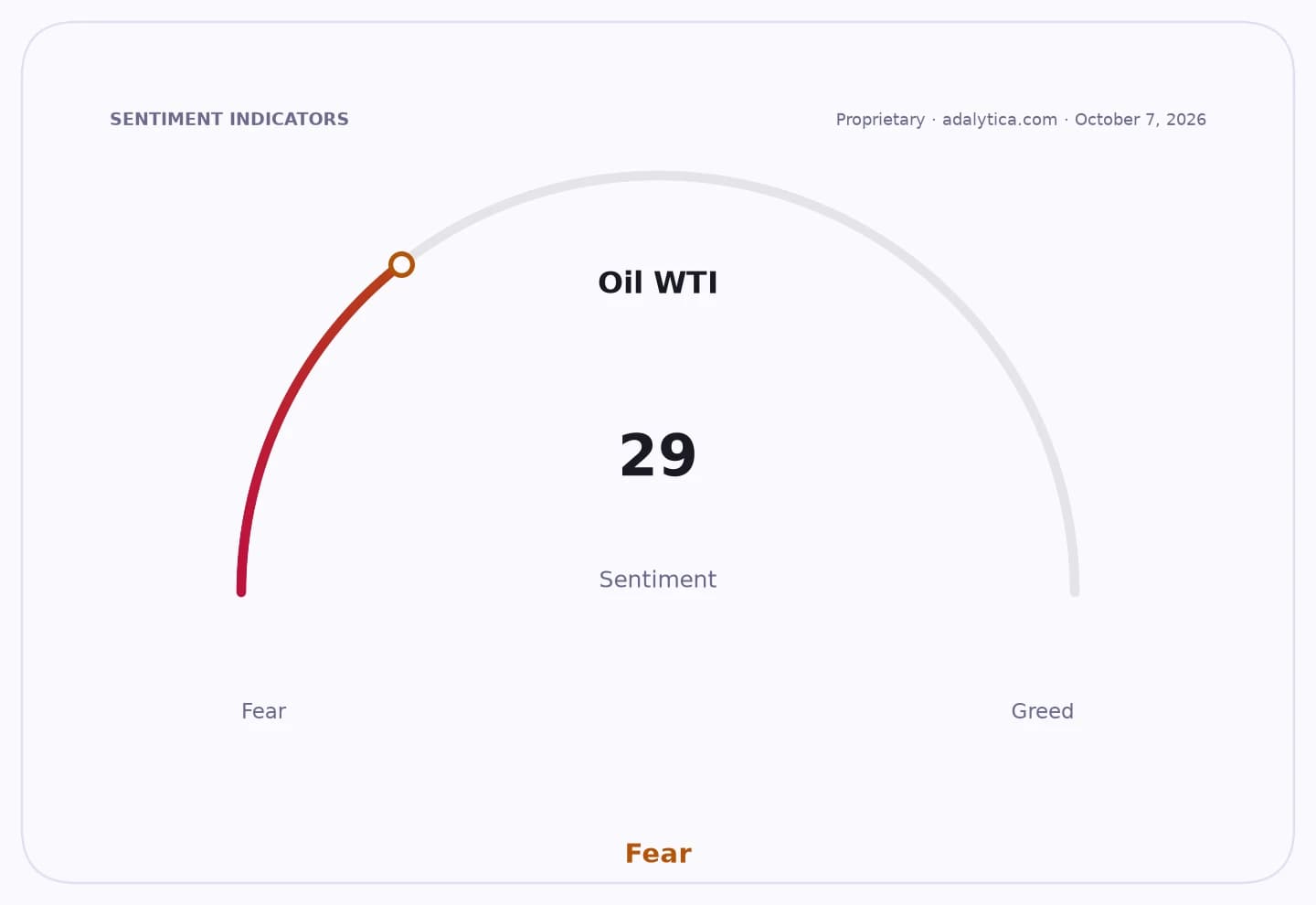
Sentiment IndicatorsⓘProprietary · adalytica.com · October 7, 2026
This is a snapshot — live sentiment, awareness and momentum for 130+ markets update continuously in the dashboard.Open AlphaPulse
Industry groups said stations in Cologne, Bonn, Koblenz, Mannheim, Heidelberg, Freiburg, Frankfurt and Aschaffenburg were among those affected. The shortages were temporary, and the sector said there is no overall fuel shortage in Germany.
Still, the problem is economically meaningful because it shows how fragile inland fuel distribution has become. Low water on the Rhine is limiting cargo volumes on river barges, making it harder to move gasoline, diesel, heating oil and jet fuel. Rail and tanker trucks are being used as alternatives, but they raise transport and logistics costs, which can feed back into retail prices and refinery margins.
For investors, the episode highlights the sensitivity of downstream fuel markets to weather-driven transport bottlenecks and government pricing measures. It can also support refiners and fuel distributors when regional tightness lifts margins, though the benefit can be offset if demand spikes prove temporary or if higher distribution costs weigh on volume.
The broader backdrop is one of stressed fuel markets across Europe, with authorities weighing emergency measures and reserve releases to ease localized diesel shortages. For now, the immediate risk is not a national supply shock but a series of regional disruptions if the Rhine stays low and consumers keep front-loading purchases.
| Entity | Gains | Losses |
|---|---|---|
| German drivers | ▲Lower pump prices | ▼Short-term station shortages |
| Fuel retailers | ▲Higher near-term traffic | ▼Empty tanks, logistics strain |
| Refiners/distributors | ▲Tighter regional margins | ▼Higher transport costs |
| Consumers/economy | ▲Some tax relief | ▼Supply friction and delays |