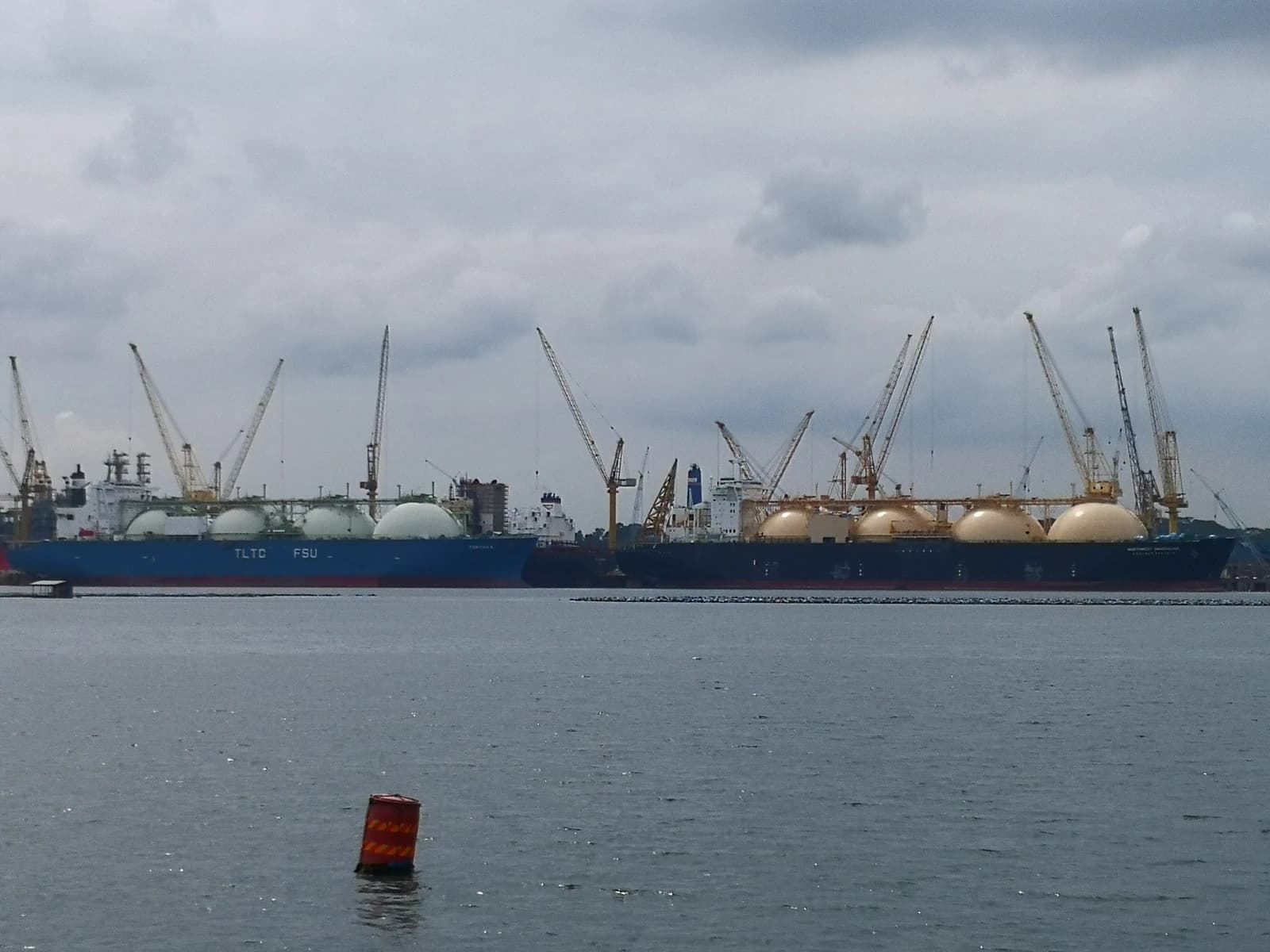
QatarEnergy is remaking itself into a global LNG trader as war risk in the Middle East makes its own export route through the Strait of Hormuz less dependable.
QatarEnergy Buys U.S. LNG to Reduce Hormuz Risk
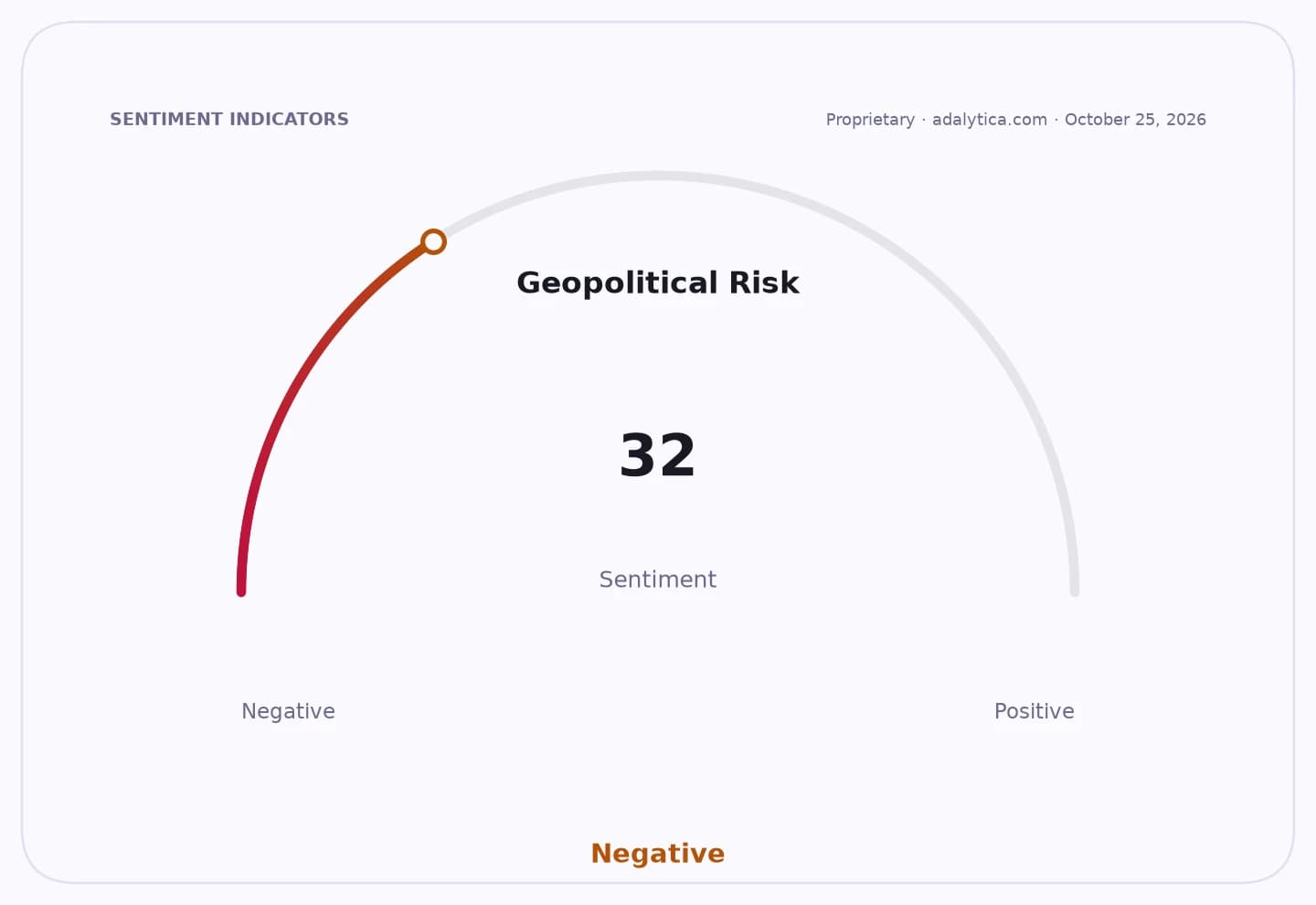
Geopolitical Risk
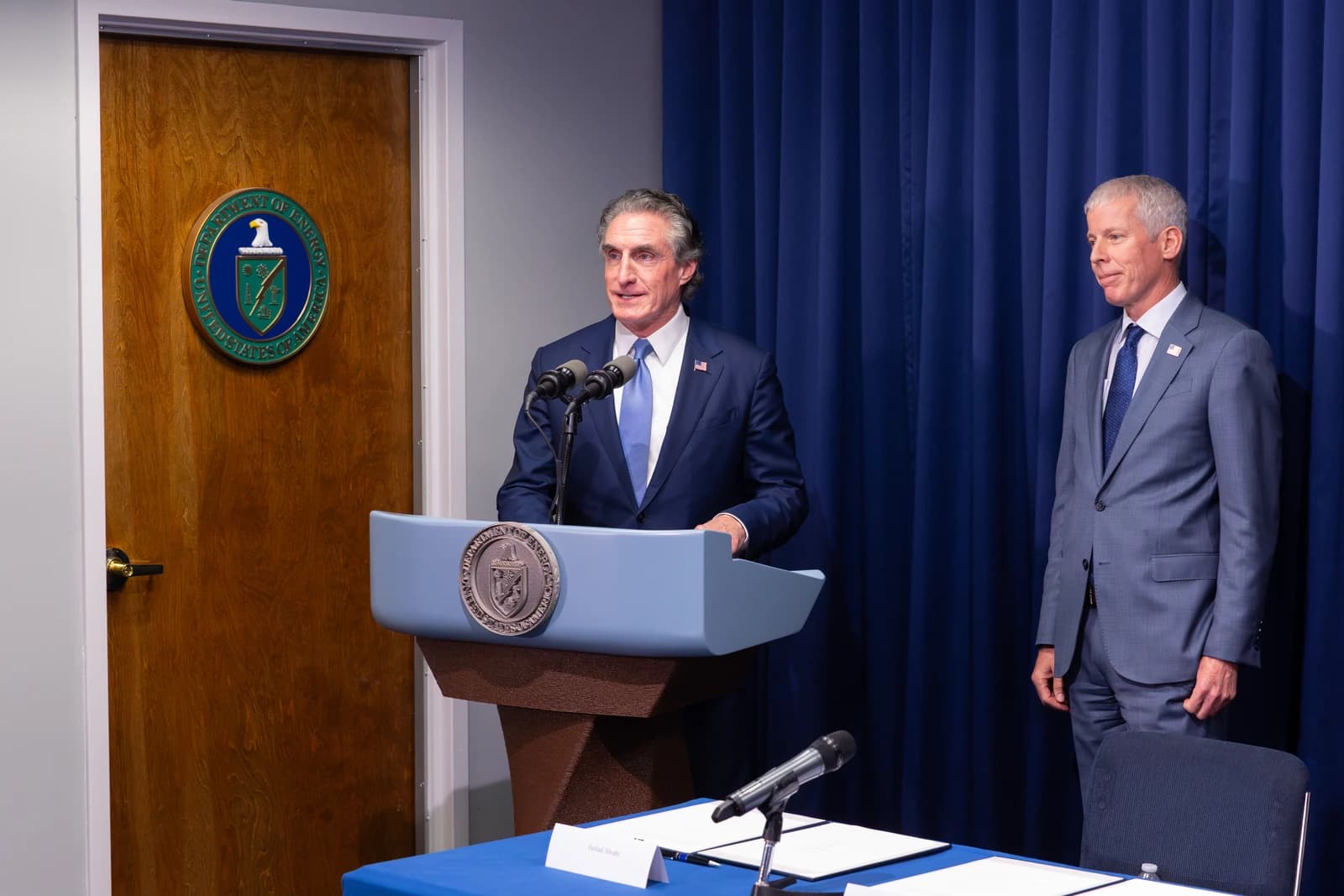
The state-controlled company is set to control 23.7 million tons a year of U.S. LNG by 2033, according to Wood Mackenzie, after locking in 7 million tons of new long-term supply deals with Cheniere Energy and Woodside Energy and adding volumes from its stake in Golden Pass LNG. For Doha, the shift is less about needing more gas than about preserving revenue if shipping through Hormuz is disrupted again. For the market, it is a sign that geopolitics is increasingly shaping who owns LNG molecules, not just who produces them.
Sentiment Indicators
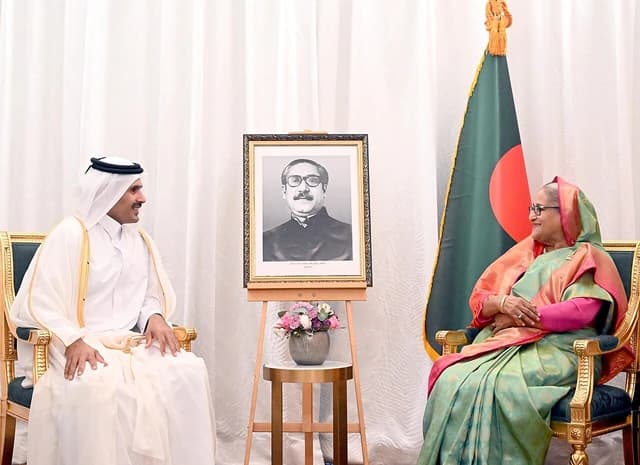
The strategy matters because Qatar sits at the center of a supply route that cannot easily be rerouted. LNG cargoes from Ras Laffan have to pass through Hormuz, and after attacks on shipping and energy sites in the region, QatarEnergy’s exports reportedly fell to less than a third of normal levels. The company has also extended force majeure until the end of 2026, underscoring how quickly a military flare-up can turn a top-tier exporter into a constrained supplier. Even after security improves, repairs to two damaged liquefaction trains at Ras Laffan are expected to take about three years, leaving Qatar with a prolonged capacity loss of roughly 12.8 million tons a year, or 17% of its prewar export capacity.
Buying LNG from the United States gives QatarEnergy a way to keep serving customers in Asia, Europe and elsewhere even if its own production is boxed in by geography. Chief executive Saad al-Kaabi has argued the point plainly: in a Hormuz closure scenario, prices would likely spike and the company could still earn money from its international portfolio. That changes the economics of QatarEnergy from a mostly upstream exporter into a hybrid producer-trader that can monetise market dislocation.
Geopolitical Risk vs LNGadalytica.com
Explore this data interactively — full history, time series and cross-market comparisons.
Geopolitical Risk
For investors, the implications are broad. Cheniere and Woodside gain long-dated offtake and more predictable cash flow. U.S. LNG infrastructure gains another anchor buyer at a time when the United States is already the world’s largest LNG exporter. ExxonMobil, as a 30% partner in Golden Pass, stands to benefit indirectly from the same logic. On the other side, buyers that rely on Qatari cargoes still face a more fragile supply chain, even if the molecules are increasingly sourced from the U.S. rather than the Gulf.
The move also has a macro market dimension. Europe, now structurally more reliant on LNG after cutting dependence on Russian pipeline gas, benefits from any additional flexibility in cargo origination. But this is not new supply in a global sense; it is a re-routing of commercial control. The bull case is that QatarEnergy is building resilience and protecting market share. The bear case is that the plan cannot fully replace lost Qatari output quickly, and a prolonged Hormuz shock would still tighten LNG balances and lift prices.
The bigger narrative is that the Gulf’s premier gas exporter is responding to a security problem by buying into the U.S. export system that once made it a rival. That marks a new phase in LNG trade: less about fixed national supply chains, more about multinational portfolios designed to survive war, sanctions risk and chokepoint disruptions.
| Entity | Gains | Losses |
|---|---|---|
| QatarEnergy | ▲Supply resilience; trading revenue | ▼Reliance on Hormuz exports |
| Cheniere/Woodside | ▲Long-term offtake; revenue visibility | ▼Less spot upside |
| U.S. LNG exporters | ▲Bigger customer base | ▼More competition for cargo control |
| Asian/European buyers | ▲More diversified supply routes | ▼Still exposed to higher prices if Hormuz is hit |