The United States has approved a permit for an $8.2 billion deep-sea LNG port off Texas, a project that could strengthen America’s grip on global gas exports and deepen Europe’s reliance on U.S. cargoes.
U.S. Approves ST LNG Port Off Texas
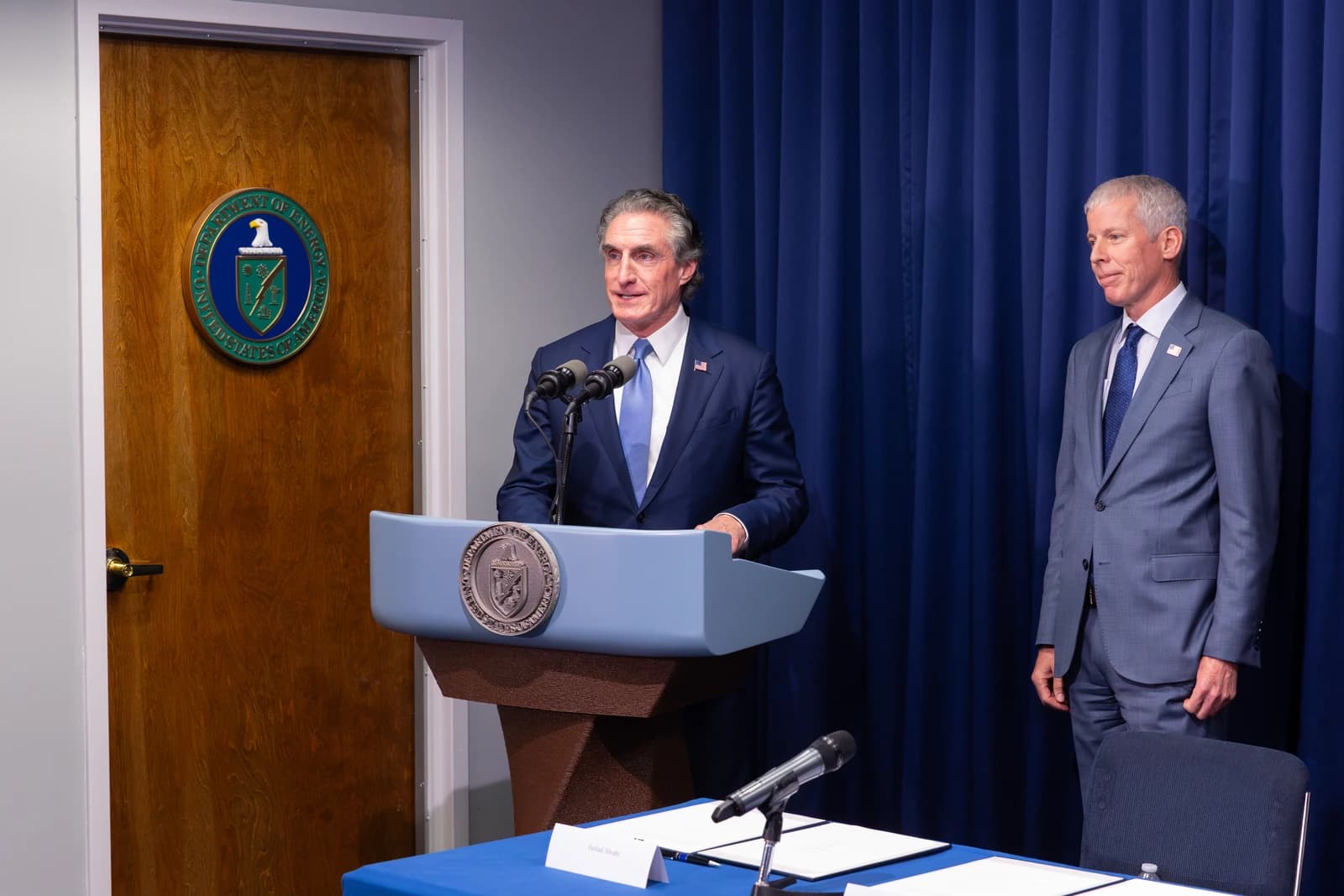
The Maritime Administration’s approval of the ST LNG project, disclosed by U.S. Transportation Secretary Sean Duffy, moves the proposal for a port about 16.7 kilometers off Matagorda, Texas, closer to construction after a lengthy permitting process. The facility is planned with four liquefaction units capable of processing 2.1 million tons a year each, or 8.4 million tons in total, though it is not expected to start operating before 2029.
Sentiment Indicators
For Washington, the port fits a broader push to expand energy infrastructure and speed up approvals for fossil-fuel projects. The Trump administration has signaled it will ease permitting where it can accelerate domestic energy buildout, and Texas and Louisiana are emerging as the center of that effort. The Energy Information Administration says U.S. LNG export capacity could double by 2029 as a wave of projects comes online along the Gulf Coast.
That buildout matters because U.S. LNG has become critical to global supply, especially in Europe. The United States already exports more than 100 million tons of LNG a year and is the world’s largest LNG exporter, while Europe took about 60 million tons from the U.S. in 2025. Germany is particularly exposed: LNG accounts for about 10% of its gas imports, and more than 95% of that LNG comes from the United States.
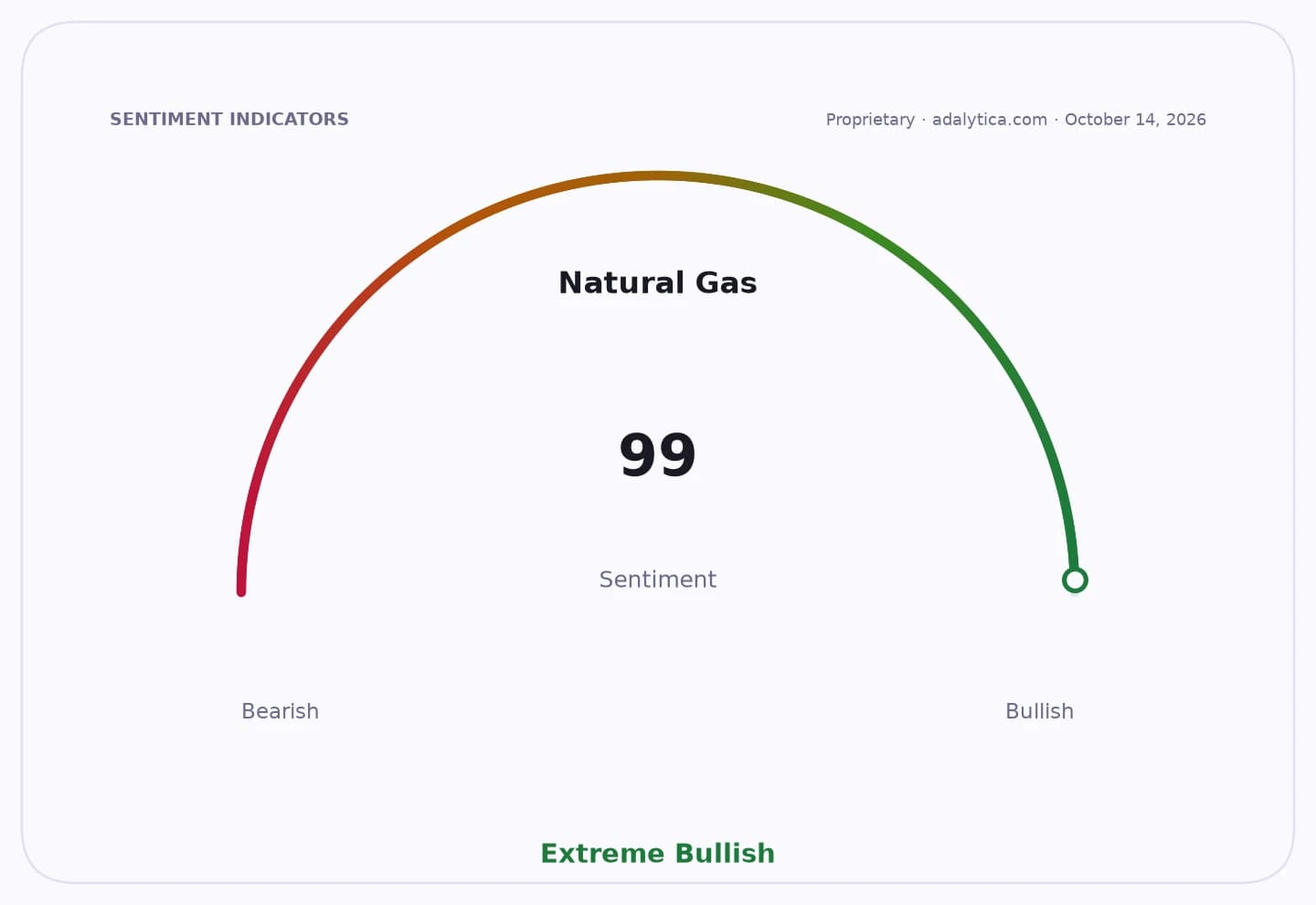
Natural Gas — 30-day sentimentadalytica.com
Explore this data interactively — full history, time series and cross-market comparisons.
For investors, the permit is a fresh sign that the U.S. export machine is still expanding even after years of congestion and regulatory delay. That supports the long-term case for LNG developers, pipeline operators and export-linked midstream assets, while reinforcing the view that U.S. gas pricing power will remain tied to global demand rather than purely domestic supply conditions.
Shares of Cheniere Energy, the largest U.S. LNG exporter, were trading at $312.46 on Nov. 3, above its 50-day average of $283.44 and 200-day average of $256.92, with an RSI of 68.4, suggesting the stock remains technically strong. Kinder Morgan and Williams Companies, both heavily exposed to Gulf Coast gas infrastructure, also have benefited from the export buildout as more feedgas, storage and marine-linked capacity is needed to move molecules to the coast.
The bigger narrative is that LNG is increasingly being treated as strategic infrastructure rather than a niche commodity trade. With construction for ST LNG still not expected to begin until 2027, investors will be watching how quickly permits, financing and contract coverage move as the Gulf Coast export race intensifies and winter demand keeps Europe dependent on U.S. supply.
| Entity | Gains | Losses |
|---|---|---|
| U.S. LNG exporters | ▲More export capacity | ▼Tighter global competition |
| Europe/Germany | ▲More supply security | ▼Higher reliance on U.S. cargoes |
| Cheniere, midstream peers | ▲Higher throughput demand | ▼Execution and capex risk |
| Asian spot buyers | ▲Additional LNG supply options | ▼Potentially firmer prices |