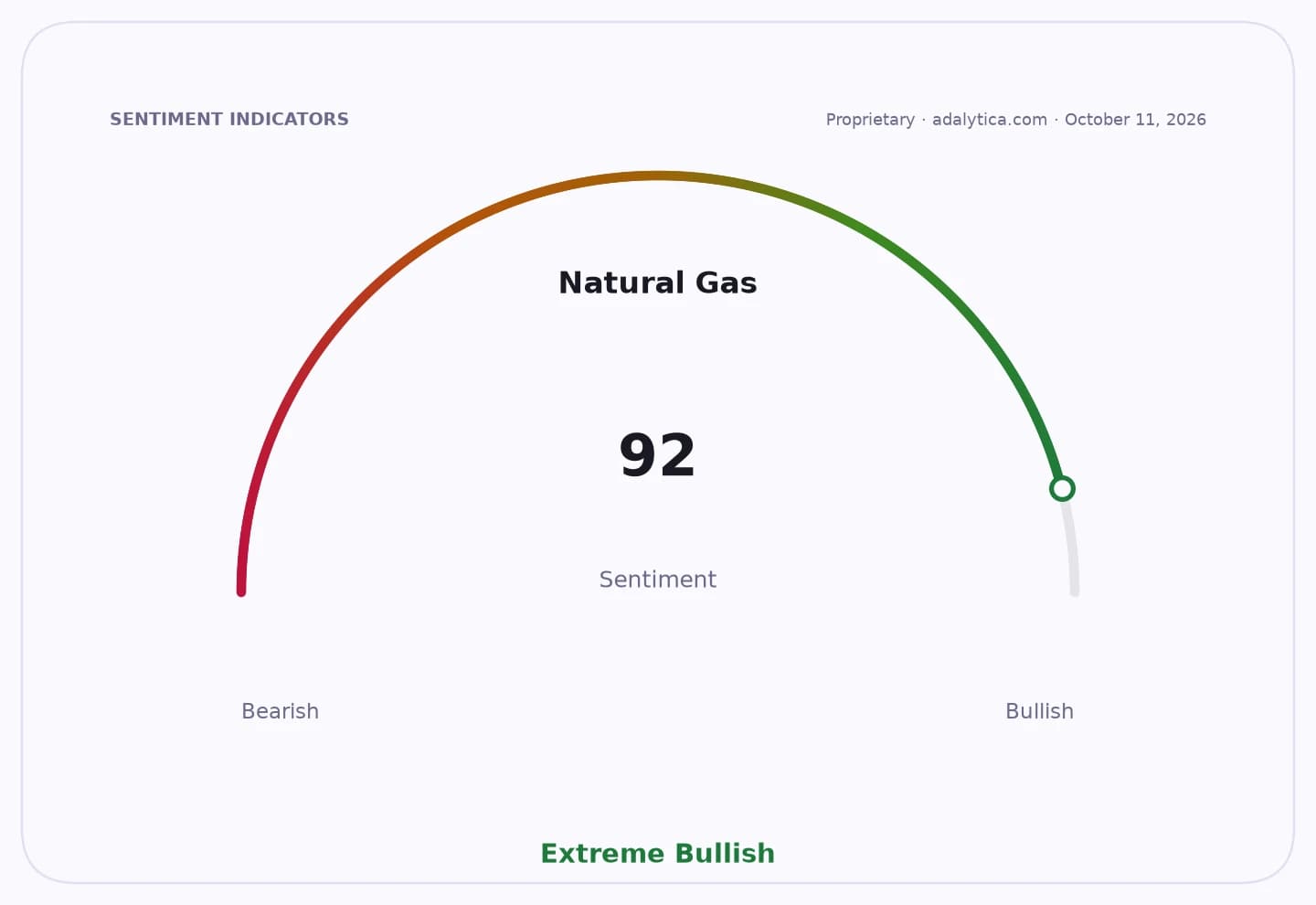
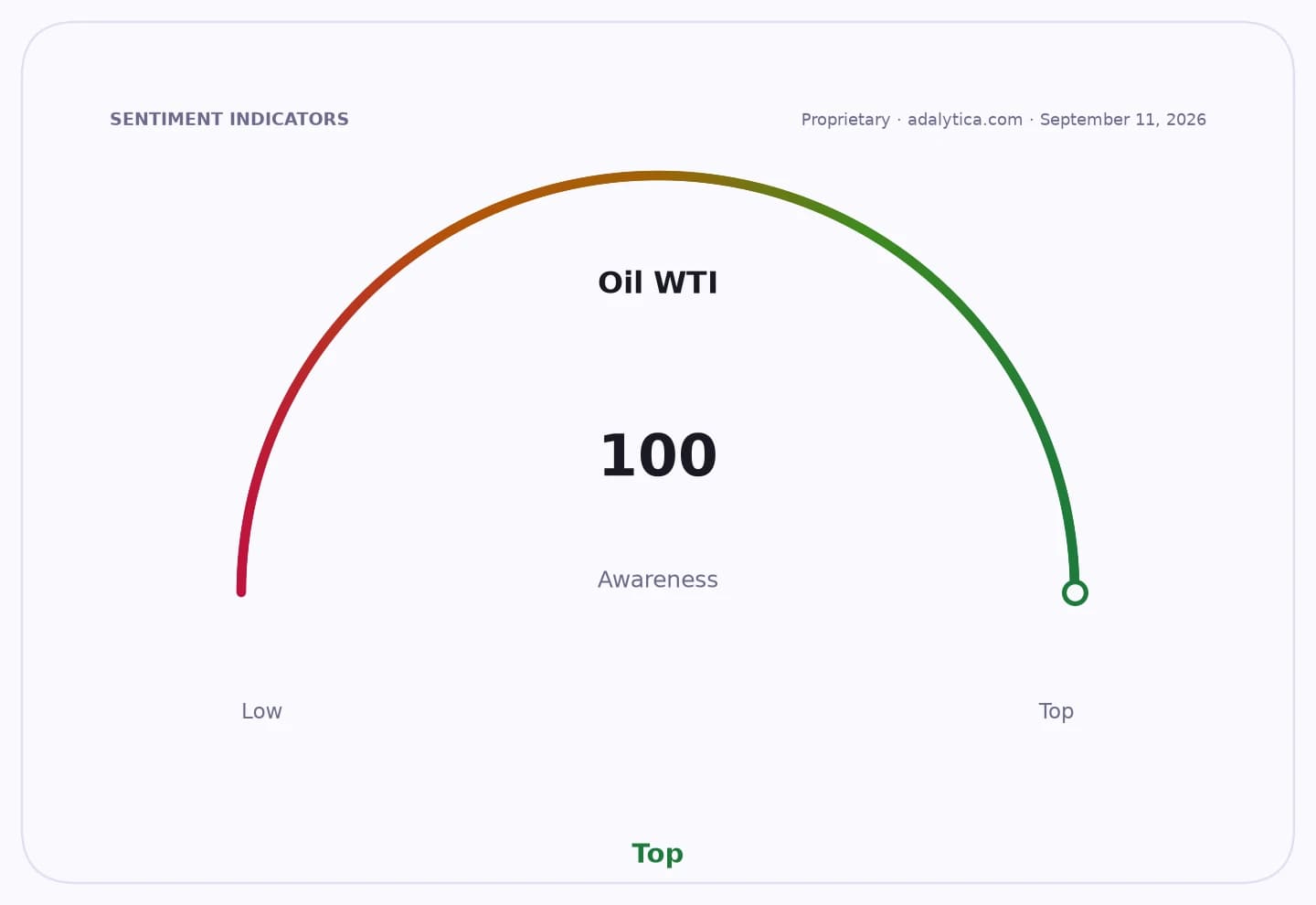
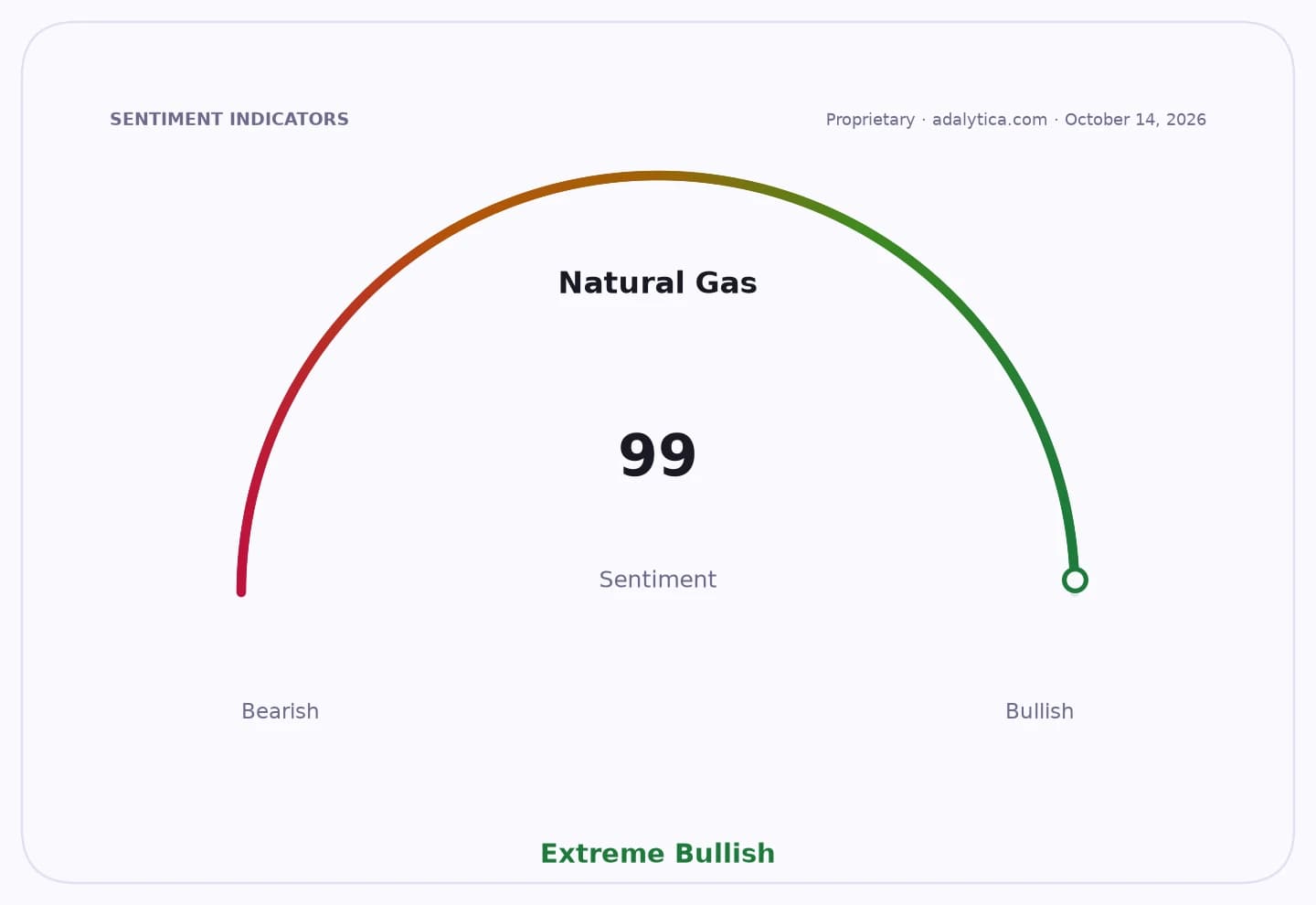
Freedom LNG has asked the U.S. government for permission to send as much as 0.940 billion cubic feet of natural gas a day to Mexico, where it would be liquefied and re-exported as LNG to markets that still want reliable supply. For investors, that matters because it points to another multibillion-dollar outlet for U.S. gas and another long-life demand stream for the producers, pipeline operators and LNG contractors tied to the export chain.
Freedom LNG Seeks U.S. Gas Export Approval to Mexico
The proposed BRAVO LNG project in Matamoros is built around a simple but powerful idea: use existing North American pipeline links to move cheap U.S. gas south, turn it into LNG on Mexico’s Gulf Coast and ship it onward to Europe, the Caribbean and South America. If Freedom LNG wins long-term authorization and eventually clears the permitting hurdles in Mexico, it could lock in a 20-year export window starting at first shipments, with pre-commercial testing targeted for December 2030 and full operations in July 2031.
That timing matters. The global LNG market is still being shaped by tight winter supply, high prices and buyers’ continued need to diversify away from single-source risk. A new export corridor from the Permian, Eagle Ford and Haynesville basins into Mexico would not instantly flood the market, but it would deepen the industry’s long-run capacity to move gas to where pricing is strongest. In practical terms, that supports U.S. upstream volumes, reinforces the case for cross-border pipeline infrastructure and adds another reason North America remains one of the world’s most important energy export platforms.
The project also highlights how LNG has become a capital-intensive, policy-heavy business where permitting is nearly as important as geology. Freedom LNG’s filing says the project will need approvals from Mexican agencies including ASEA, CRE and SENER, along with marine and water permits. That makes execution risk real. Investors should not confuse an application with a final investment decision. Still, the fact that the company is pursuing a cross-border model rather than an all-new U.S. Gulf Coast build suggests developers continue to look for cheaper, faster paths to market.
For energy investors, the bigger takeaway is that global gas trade is still expanding through private infrastructure rather than through headline-grabbing megadeals alone. U.S. gas producers stand to benefit from another demand sink. Midstream operators tied to the Sur de Texas-Tuxpan system could see more throughput. LNG shipping and engineering firms may also find fresh work if the project advances. And for shareholders in established LNG names, the more important message is that the competitive moat around liquefaction, transport and long-term contracting remains intact.
Freedom LNG is still years away from first cargoes, and that leaves plenty of room for regulatory, financing and construction setbacks. But the strategic logic is hard to miss: North American gas remains cheap, global LNG demand remains durable and developers are still finding ways to connect the two. For long-term investors, that keeps the LNG theme squarely on the watchlist.
| Entity | Gains | Losses |
|---|---|---|
| U.S. gas producers | ▲New export demand | ▼Less pricing pressure |
| Mexico project developers | ▲Cross-border growth opportunity | ▼Permitting burden |
| LNG infrastructure firms | ▲Construction and service contracts | ▼Execution risk |
| Global LNG buyers | ▲More supply options | ▼Existing suppliers face competition |