Gulf stocks were mixed on Monday as investors weighed fresh Iran-Qatar talks in Doha that could help lower the odds of a wider regional conflict and protect one of the world’s most important energy chokepoints.
Gulf stocks mixed as Iran-Qatar talks continue
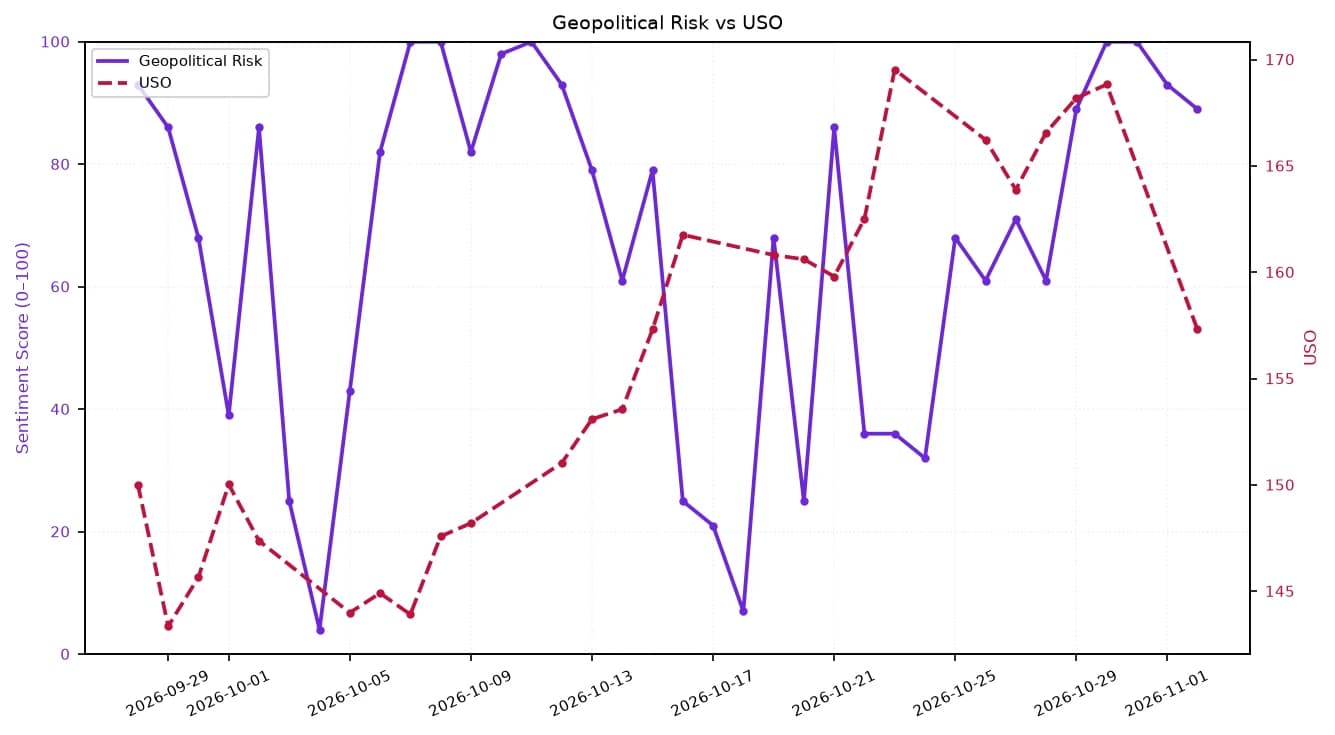
That matters because the Gulf’s equity markets are trading less on local earnings than on geopolitics this week. A credible diplomatic path would reduce the risk premium on banks, property developers and utilities across the region, while any breakdown could quickly lift energy prices, pressure transport and insurance costs, and send money into haven assets.
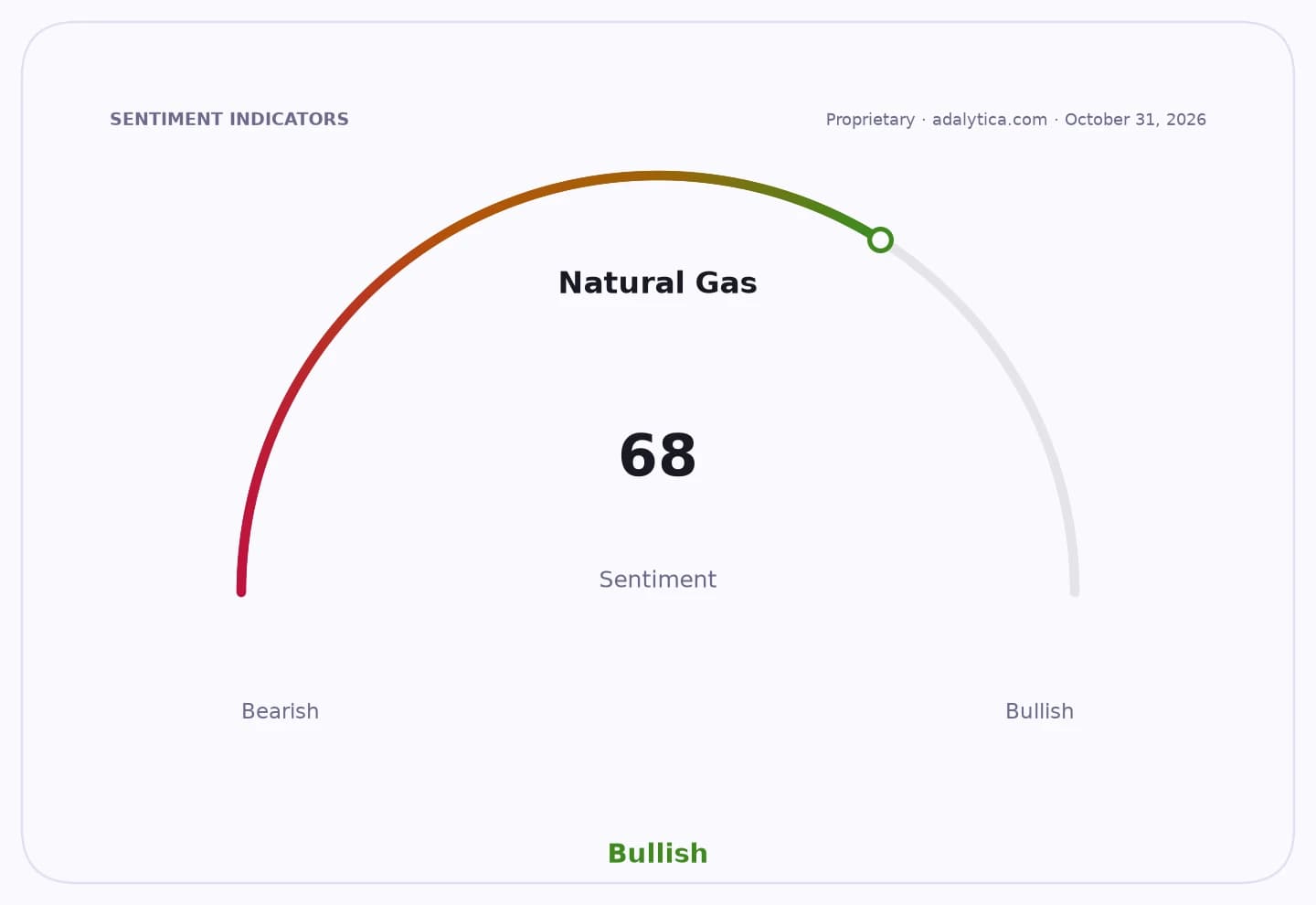
Sentiment Indicators
Saudi Arabia’s benchmark rose 0.6%, with real estate, industrial and utility shares leading gains. Dar Al Arkan Real Estate Development climbed 3%, while Saudi National Bank, the kingdom’s biggest lender by assets, advanced 1%. Qatar stood out with a 2.2% jump in its benchmark, as all constituents traded higher. Qatar National Bank gained 2% and Industries Qatar surged 7.7%, helped by sentiment around QatarEnergy’s efforts to lock in long-term LNG supply from the US and other producers in case exports through the Strait of Hormuz are disrupted.
That strategic hedge is the key investment story here. QatarEnergy is trying to make its cash flows more resilient before any supply shock hits, and that is exactly the kind of move long-term investors should watch in a region where political risk can change the economics of an entire industry overnight. If tension remains contained, companies with domestic exposure and strong balance sheets could continue to outperform. If it does not, the first winners are likely to be commodity producers and select defensives, while insurers, lenders and consumer-facing names could face a tougher road.
The mixed tone across the Gulf also shows how quickly investors are balancing geopolitics against fundamentals. Abu Dhabi slipped 0.1%, dragged lower by Aldar Properties and Phoenix Group, while Dubai fell 0.3% as Mashreqbank and Salik weakened. That divergence suggests traders are still selective rather than rushing into a broad regional bet.
For investors with a multi-year horizon, the broader lesson is simple: in the Gulf, political de-escalation can be just as important as earnings growth. Progress in Doha could keep capital flowing into the region’s banks, real estate and energy names; failure would likely mean more volatility, higher risk premiums and another round of defensive positioning. For now, the talks are worth watching closely.
| Entity | Gains | Losses |
|---|---|---|
| Qatar stocks | ▲Lower conflict risk | ▼A failed mediation effort |
| Saudi equities | ▲Improved regional sentiment | ▼Renewed escalation |
| Energy producers | ▲Supply-security premium | ▼Disrupted export routes |
| Banks and property names | ▲Calmer markets | ▼Higher risk aversion |