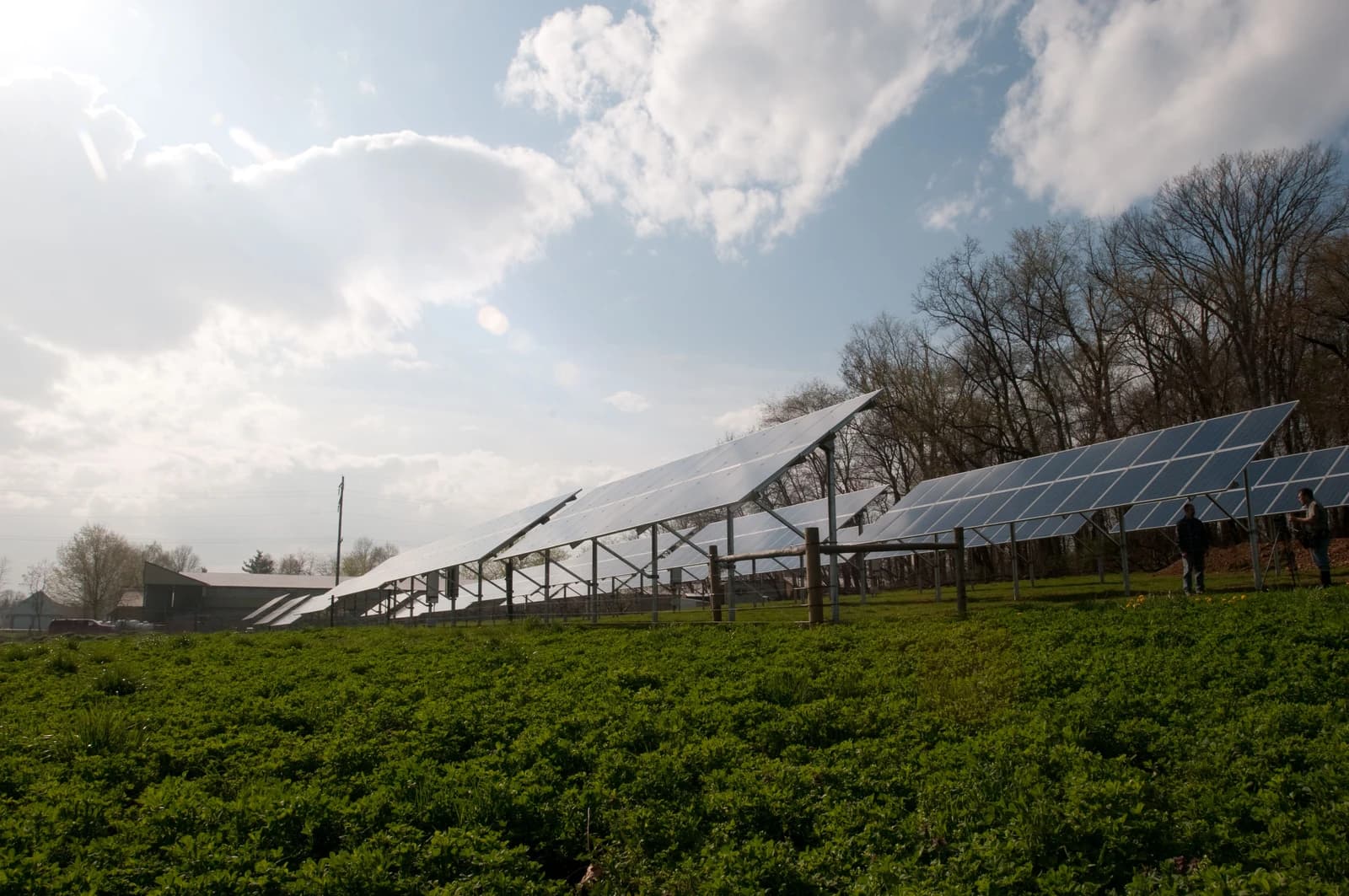
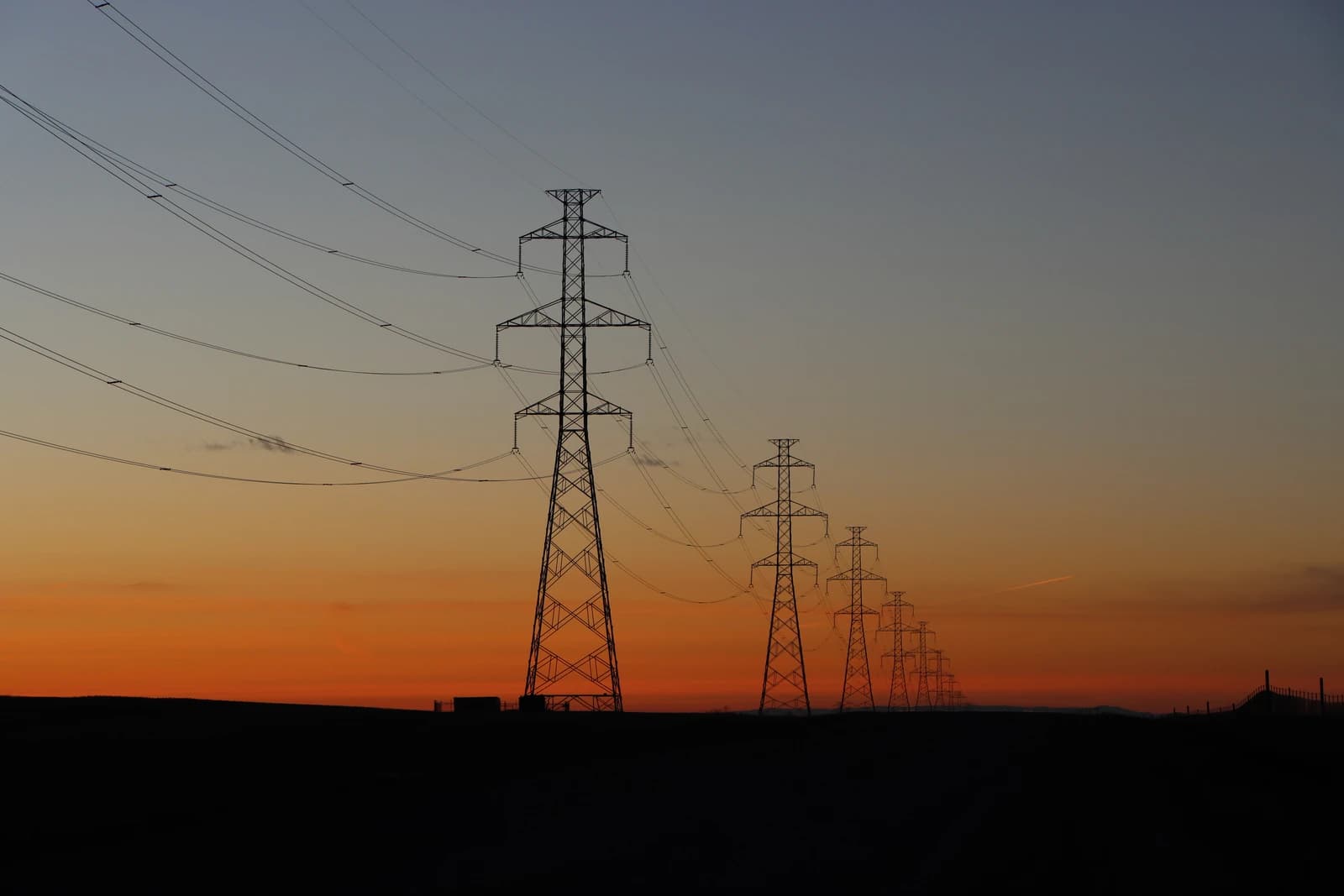
Sri Lanka will impose one-hour power cuts over three days after a nationwide grid failure exposed how fragile the island’s power system remains as solar generation rises.
Sri Lanka Power Cuts After Grid Failure
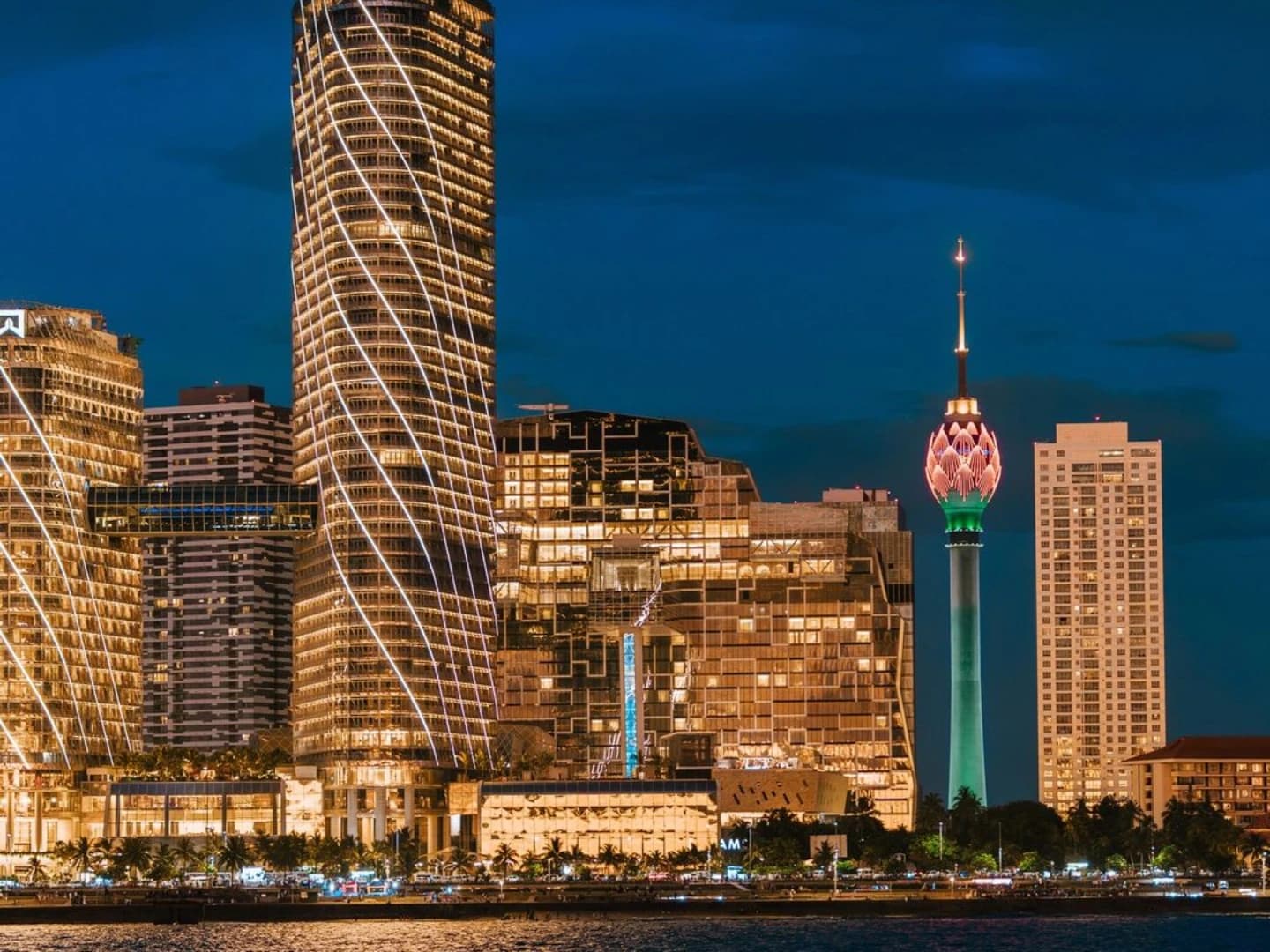
The Public Utilities Commission’s decision underscores a broader problem for the economy: the grid is struggling to balance variable renewable supply with demand, leaving households and businesses vulnerable to sudden outages and operational disruption. Coming just days after a six-hour blackout that the authorities said was likely triggered when solar output exceeded demand, the cuts point to a system that is still not equipped to absorb faster renewable penetration without risking instability.
That matters economically because electricity reliability sits at the core of industrial output, services activity and consumer confidence. For an import-dependent economy already under pressure from higher energy costs and tight fiscal conditions, repeated outages raise the risk of lost productivity and added expense for firms that must rely on backup generation, battery storage or curtailed operations. The government has said consumers will not bear the financial losses from the blackout, but that shifts the burden back onto utilities and the state at a time when public finances remain strained.
For investors, the immediate issue is not just one outage but what it says about execution risk in Sri Lanka’s energy transition. Renewable capacity is supposed to reduce fuel imports and long-term power costs, yet a grid that cannot smoothly manage intermittent supply can produce the opposite in the near term: higher system costs, greater volatility and more uncertainty for power consumers and project developers. That can affect sentiment toward utilities, infrastructure spending and any companies tied to manufacturing or data operations that depend on uninterrupted electricity.
The episode also puts pressure on policymakers to accelerate grid investment, storage deployment and better dispatch coordination if they want renewable growth to translate into economic resilience rather than recurring disruption. If the investigation confirms systemic faults rather than a one-off incident, the case for faster upgrades will strengthen. If not, the risk is that Sri Lanka’s power network remains exposed to more frequent outages just as the economy needs steadier electricity to support growth.
| Entity | Gains | Losses |
|---|---|---|
| Households | ▲Temporary relief from bill pass-through | ▼Disruption from rolling cuts |
| Utilities/state | ▲Opportunity to justify grid upgrades | ▼Higher repair and balancing costs |
| Renewable developers | ▲Long-term case for storage and grid investment | ▼Near-term scrutiny over integration risk |
| Businesses | ▲Little direct gain | ▼Lost output and backup power costs |