South Africa’s power utility Eskom has launched a cross-border standard offer programme to buy short-term electricity from neighboring utilities and independent power producers, a move aimed at quickly adding megawatts to a strained grid and reducing the risk of supply shortfalls.
Eskom launches cross-border electricity buying program
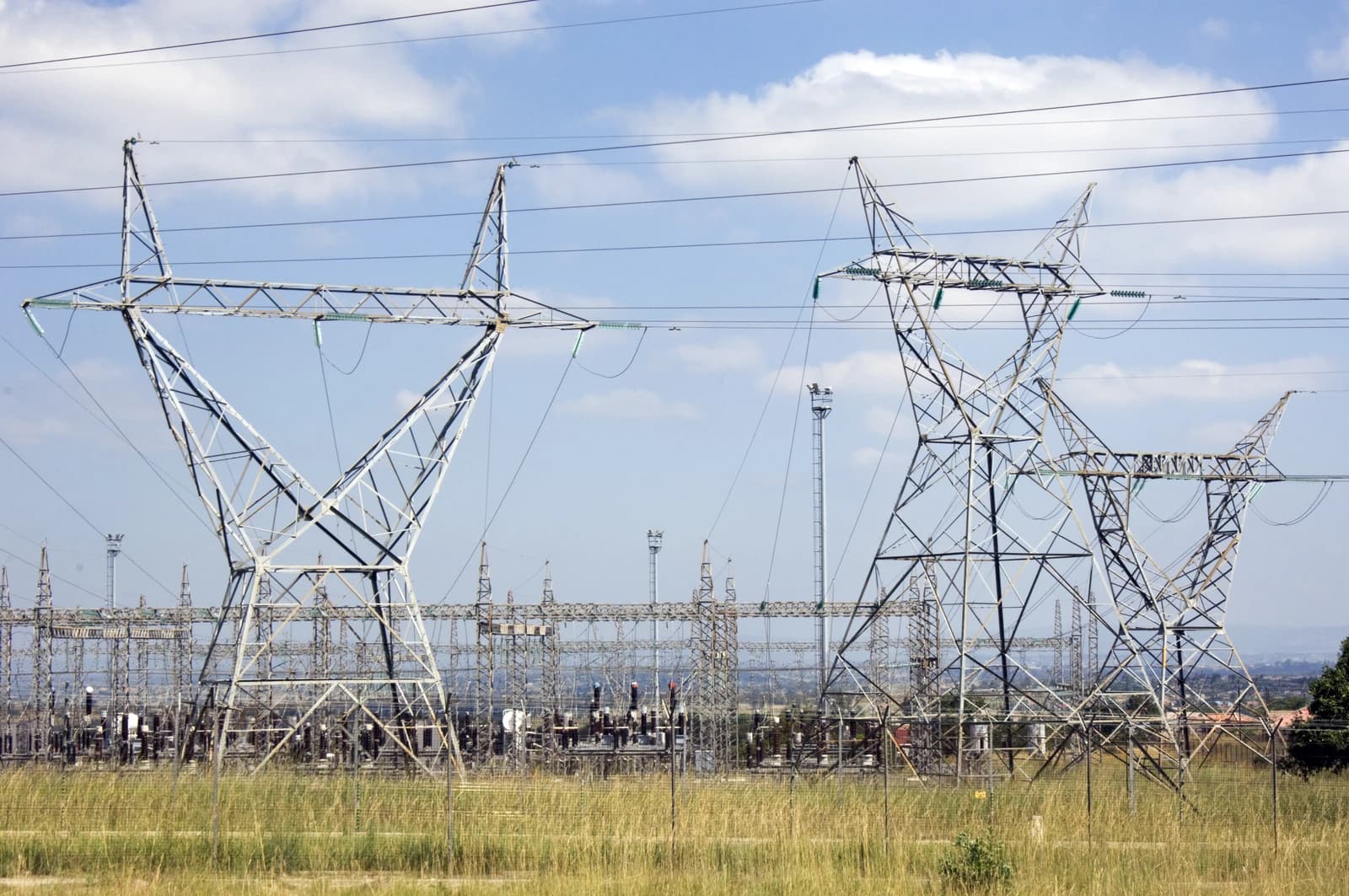
The programme matters because it gives Eskom a new procurement channel at a time when South Africa remains vulnerable to outages, costly emergency generation and industrial disruption whenever domestic supply tightens. By opening the market to cross-border sellers, the utility is trying to secure power faster than would be possible through large domestic buildouts, which take years.
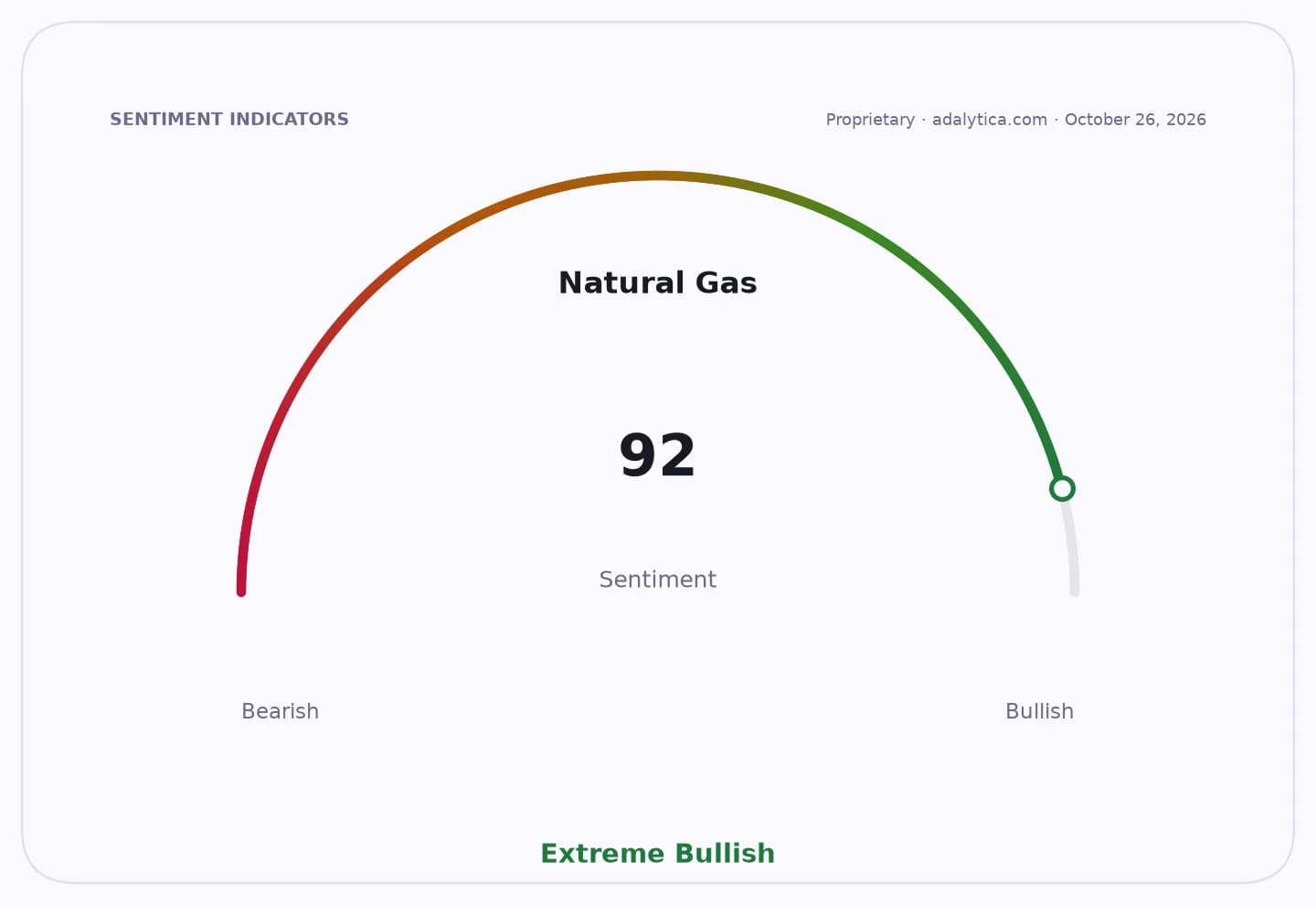
Sentiment Indicators
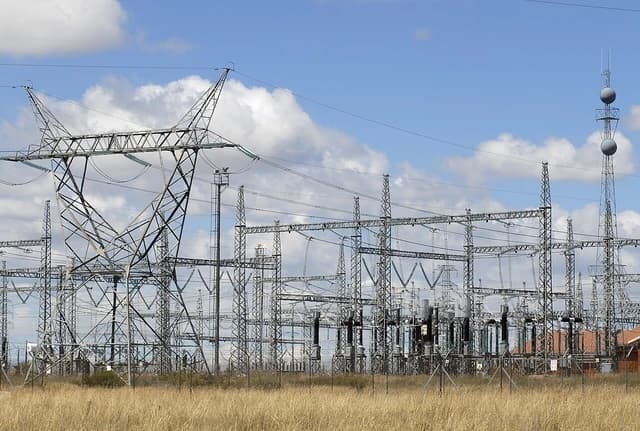
Eskom said the cross-border standard offer programme, or CBSOP, will cover short-term purchases from cross-border utilities and cross-border independent power producers. The utility did not disclose pricing or volumes, but the structure points to a flexible way of tapping regional capacity when local generation underperforms.
For investors, the development underscores the continuing strain on South Africa’s electricity system and the policy shift toward more regional and private participation in supply. Any improvement in grid reliability would support broader economic activity, from mining and manufacturing to consumer demand, while easing pressure on government and Eskom to rely on expensive stopgap measures.
The move also fits a wider regional trend as African power systems look beyond national borders to balance deficits, especially where coal shortages, low hydro output and aging infrastructure have left utilities unable to meet demand consistently. In South Africa, where load-shedding has repeatedly hit growth and sentiment, even incremental imported supply can have outsized economic value.
The key question now is how much power Eskom can source through the scheme, from which countries, and on what terms. Investors will watch for details on contracted megawatts, delivery timing and whether the programme becomes a recurring pillar of South Africa’s energy security strategy.
| Entity | Gains | Losses |
|---|---|---|
| Eskom | ▲More short-term supply options | ▼Higher procurement complexity |
| South African economy | ▲Lower outage risk | ▼Continued reliance on emergency power |
| Cross-border utilities and IPPs | ▲New sales channel | ▼Greater regulatory scrutiny |
| Domestic generators | ▲Potential backup demand | ▼Less monopoly pricing power |