India has cleared a plan for the Yadadri thermal power plant in Telangana to receive about 8 million tonnes of G9 coal a year from Coal India, a move that could finally ease a fuel bottleneck that has kept one of the state’s newest and largest power projects from running at full capacity.
India clears Coal India supply for Yadadri plant
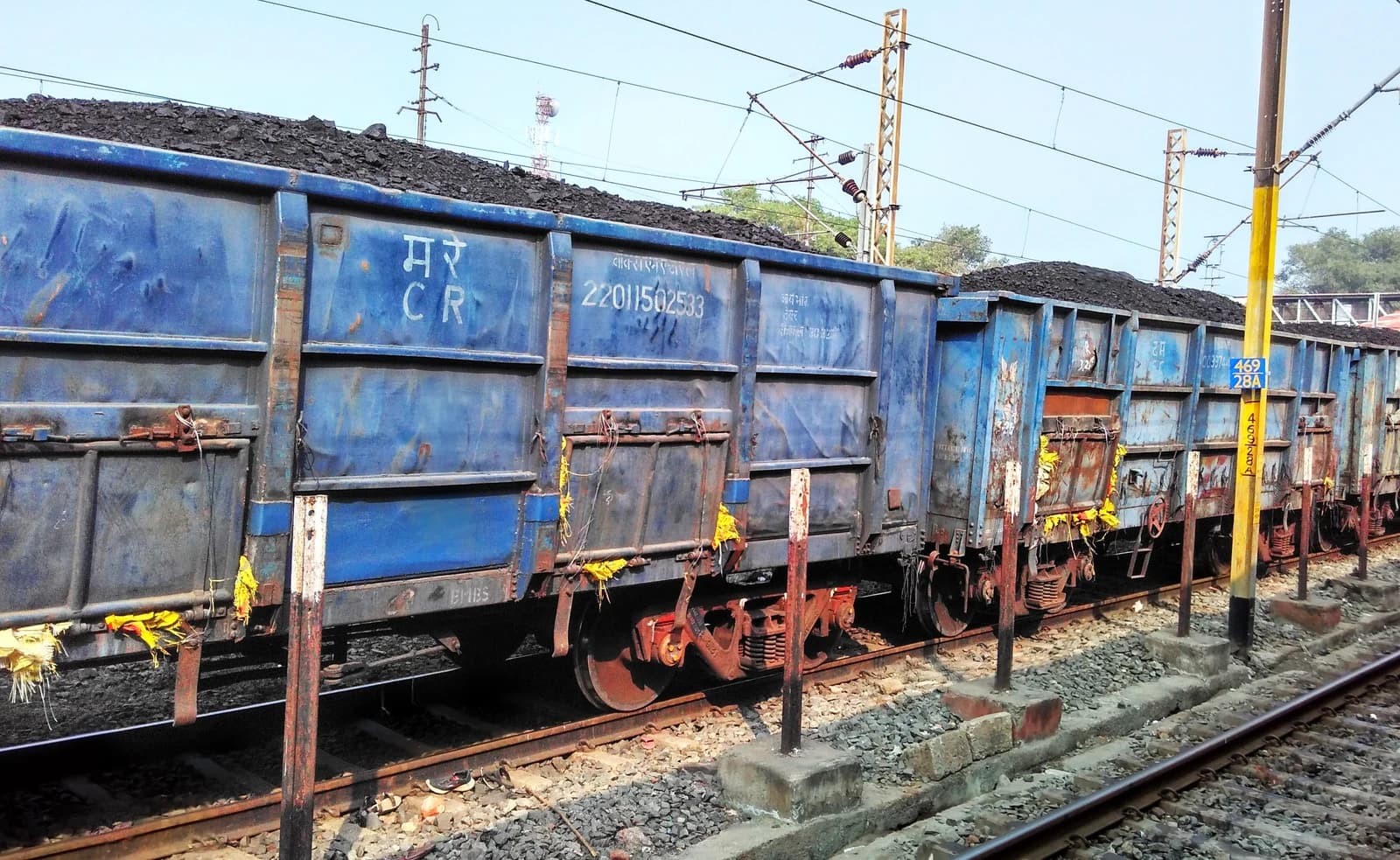
The approval matters because the 4,000-megawatt plant has been constrained from the start by shortages of higher-grade coal, forcing it to operate below potential and pressuring its load factor. For a state utility, that means less reliable baseload generation and a higher risk of expensive backup power purchases if units cannot be run at designed capacity.
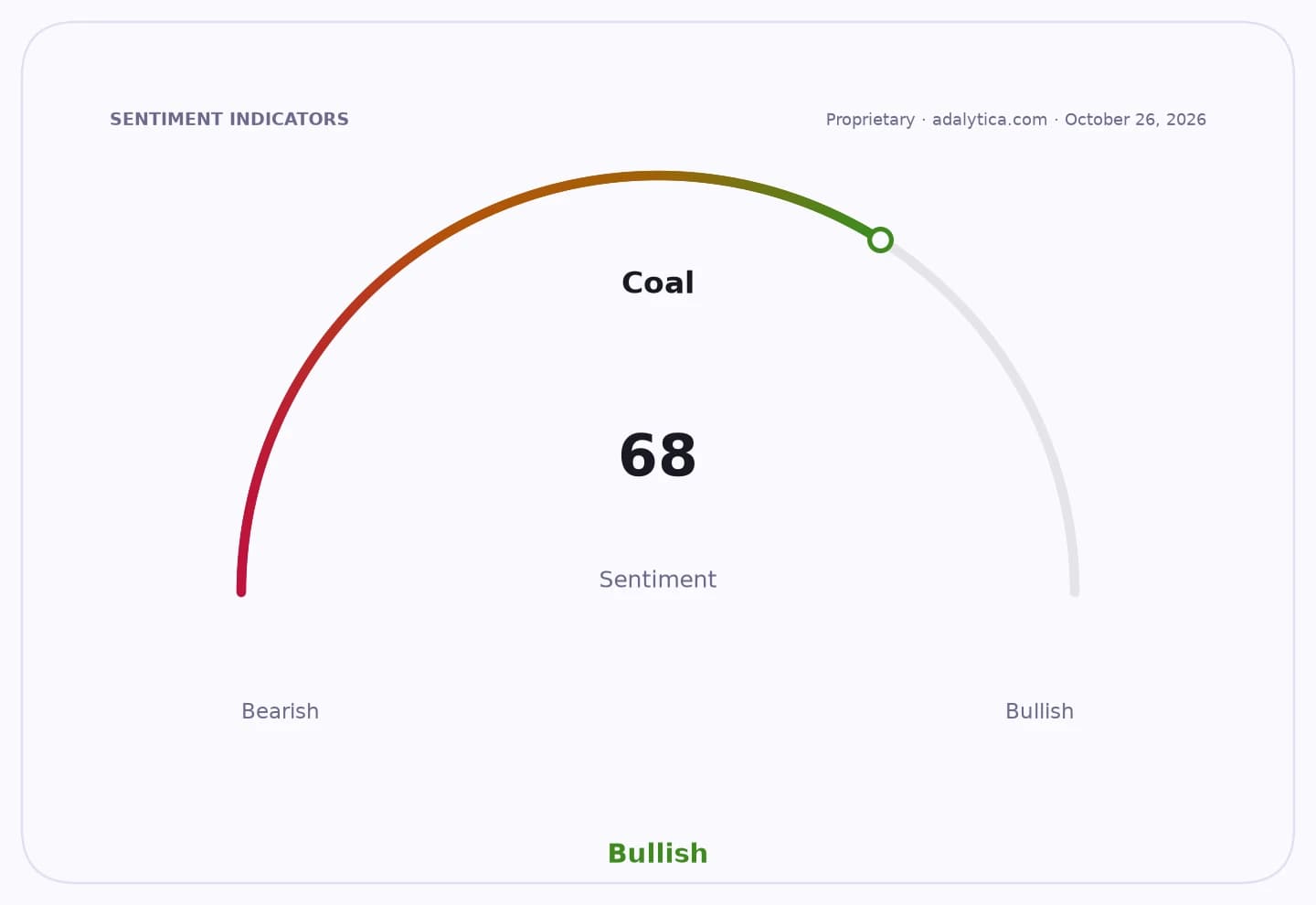
Sentiment Indicators
State utility officials are now heading to Kolkata to finalize an agreement, according to the report. Supplies are expected to come from the Mahanadi coalfield in Odisha once the contract is signed.
The development also underscores a broader strain in India’s power sector: domestic coal supply remains tight even as demand for dependable thermal generation persists. Singareni Collieries, which had been expected to provide 14 million tonnes of high-grade G9 coal annually under the original arrangement, has reportedly said it can supply only three units, pushing GENCO to seek Coal India as a fallback.
Coal
If the Coal India deal is implemented as planned, engineers say it should allow the plant to move closer to full output, improving the economics of the asset and reducing the risk of underutilized capacity. That would be positive for Telangana’s power system, which still relies heavily on thermal generation to cover peak demand and grid stability.
For investors, the story is less about a single fuel contract than about execution risk in India’s coal-and-power complex. Coal India stands to gain from incremental offtake, while the state utility gains supply security. The losers are the plants, suppliers and power buyers caught in the middle of a shortage that has already lowered output and squeezed efficiency. The key question now is whether the contract is signed quickly enough to translate regulatory approval into actual fuel flow.
| Entity | Gains | Losses |
|---|---|---|
| Coal India | ▲New 8-million-tonne sales outlet | ▼None directly |
| Telangana GENCO / Yadadri plant | ▲Better fuel security; higher utilization | ▼Less flexibility on supply |
| Singareni Collieries | ▲— | ▼Share of coal supply; pressure on output commitments |
| Telangana power consumers | ▲More stable baseload supply | ▼Higher risk if delays persist |