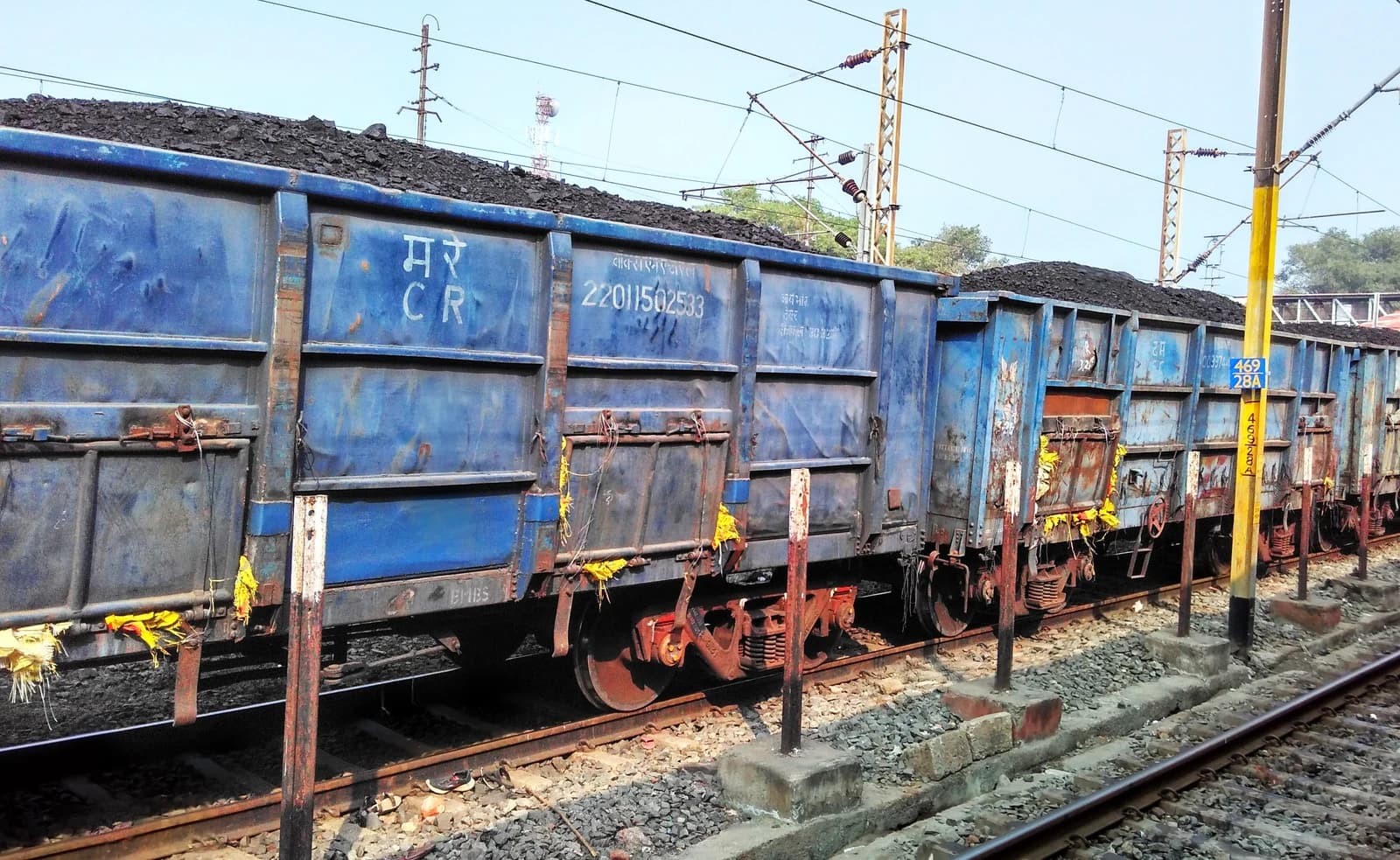
Telangana has handed Singareni Collieries employees a sizable festive boost, announcing a 596 crore rupee bonus for about 39,000 permanent workers and raising the salary scale of roughly 1,800 executives to match Coal India’s. For investors and policymakers, the bigger message is not the holiday cheer itself but what it says about how the state is using one of its most important public-sector miners: to support household incomes now while keeping labor peace in a strategic energy asset.
Singareni Collieries gets 596 crore rupee bonus

The timing matters. India’s coal sector still sits at the center of power generation, and Singareni is a critical supplier in Telangana’s energy chain. By lifting pay and distributing 34% of the company’s profits to workers again this year, the government is signaling that it wants employees aligned with output and stability rather than agitation. That can help preserve production at a time when electricity demand remains firm and coal continues to play a backup role in the broader energy mix.
Sentiment Indicators
The decision also spreads cash into the local economy right before Dussehra. A bonus of 596 crore rupees and a 5,500 rupee festive allowance for contract workers should flow quickly into spending on consumption, travel and seasonal purchases. That is why wage and bonus announcements in public-sector employers often matter beyond the company itself: they can lift near-term demand in the surrounding economy, even if the boost is temporary.
For Singareni workers, the package is straightforwardly positive. The salary revision for executives, effective from Sept. 25 and reflected in October pay, closes a long-running gap with Coal India and improves retention in a job market where skilled public-sector talent is scarce. For the Telangana government, which holds 51% of the company, the move is also a political signal: it is rewarding labor inside a state-owned enterprise that remains economically sensitive and politically visible.
The trade-off, of course, is that richer compensation raises the cost base. In a cyclical business like coal mining, investors would normally ask whether higher labor payouts could pinch margins if prices soften or output slows. But the company’s profit-sharing model suggests management and the state are comfortable prioritizing workforce stability over squeezing every rupee of earnings. That is often how public-sector miners operate: profitability matters, but social and political goals matter too.
For long-term investors, the lesson is broader than Singareni. In state-linked resource companies, labor policy can be as important as commodity prices. When governments choose to share profits, raise wage scales and protect contract workers, they are buying industrial peace and sustaining output — a sensible move if energy security is the priority. It is worth watching, though, whether similar generosity becomes harder to sustain if coal earnings weaken or if India’s push toward cleaner power changes the economics of the sector.
| Entity | Gains | Losses |
|---|---|---|
| Singareni workers | ▲Bonus and higher pay | ▼None near term |
| Telangana government | ▲Labor peace, political goodwill | ▼Higher wage bill |
| Singareni Collieries | ▲Workforce morale, retention | ▼Profit distribution burden |
| Coal India peers | ▲Benchmark pressure on pay | ▼Relative labor cost advantage |