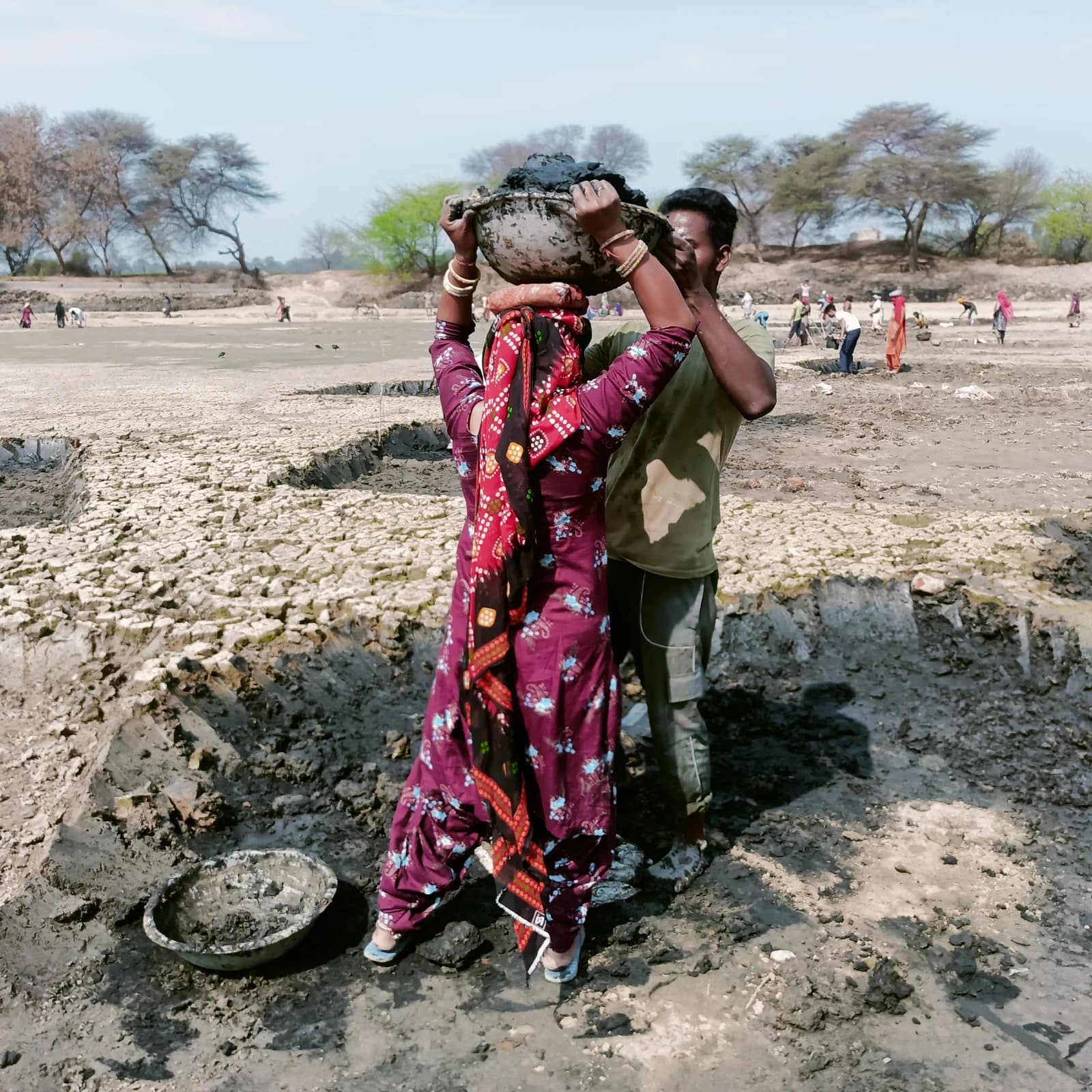
Telangana is trying to cushion the economic blow from an expected drought by launching a four-month employment scheme for daily wage workers, a move that could help protect rural incomes just as water stress threatens farms, livestock and household spending across the state.
Telangana launches drought relief work scheme
That matters because drought is never just a weather story. When reservoirs fall, pump sets dry up and drinking water gets scarce, the shock spreads quickly through the economy: crop output slows, labor demand weakens, electricity use spikes and the poorest households feel it first. Chief Minister A. Revanth Reddy said water storage had fallen below 20% of capacity in projects across the state, with some at dead storage levels, and that roughly half of Telangana’s 3 million pump sets had already dried up.
The state’s answer is a targeted labor program that will begin after Sankranti and run through May, covering four months when heat and water scarcity are expected to intensify. Telangana said it would supplement central government funds to finance the scheme, while also creating additional work under the employment guarantee program, restoring access to canals, ponds and field paths, and setting up village-level support for fodder and drinking water for cattle.
For investors, the immediate takeaway is that the drought risk is broadening from an agricultural issue into a public-policy and consumption story. Rural wages, farm procurement, electricity demand and state finances are all tied into the same weather shock. If rainfall disappoints, the burden shifts toward government support and away from private-sector activity in the countryside, which can weigh on sales of everything from farm inputs to consumer goods.
The government’s efforts to manage the crisis also hint at how disruptive the next few months could become. Reddy said electricity demand had already reached 20,000 megawatts, above the comparable season in undivided Andhra Pradesh, and urged households to conserve power. He also warned that drinking water would be more strained than irrigation water, a sign the state is preparing for a prolonged shortage rather than a brief dry spell.
That is why the employment scheme matters beyond Telangana. Droughts in India tend to ripple through food prices, rural demand and political pressure for relief. If the dry period lasts into midyear, it could tighten the policy response further and keep a spotlight on inflation-sensitive sectors, especially food and power.
For long-term investors, the story is a reminder that climate stress is becoming part of the operating environment for Indian states and the companies that serve them. Rural resilience, water infrastructure, solar power and agri-processing may all become more valuable as weather becomes less predictable. For now, Telangana’s move looks like a pragmatic bridge to protect workers through a harsh season — and a warning that the economic cost of drought may only just be starting. Worth watching.
| Entity | Gains | Losses |
|---|---|---|
| Daily wage workers | ▲Temporary income support | ▼Lost workdays from drought |
| Telangana government | ▲Short-term social relief | ▼Higher fiscal burden |
| Farmers and cattle owners | ▲Fodder and water access support | ▼Lower water availability |
| Rural consumers | ▲Better drinking-water focus | ▼Heat and power shortages |