Tamil Nadu has sanctioned an extra 25 days of state-funded wage employment for rural households under the VB-G RAM G scheme, deepening the fiscal commitment of a program now designed to guarantee up to 150 days of work a year for the most vulnerable families.
Tamil Nadu approves 25 more days under VB-G RAM G
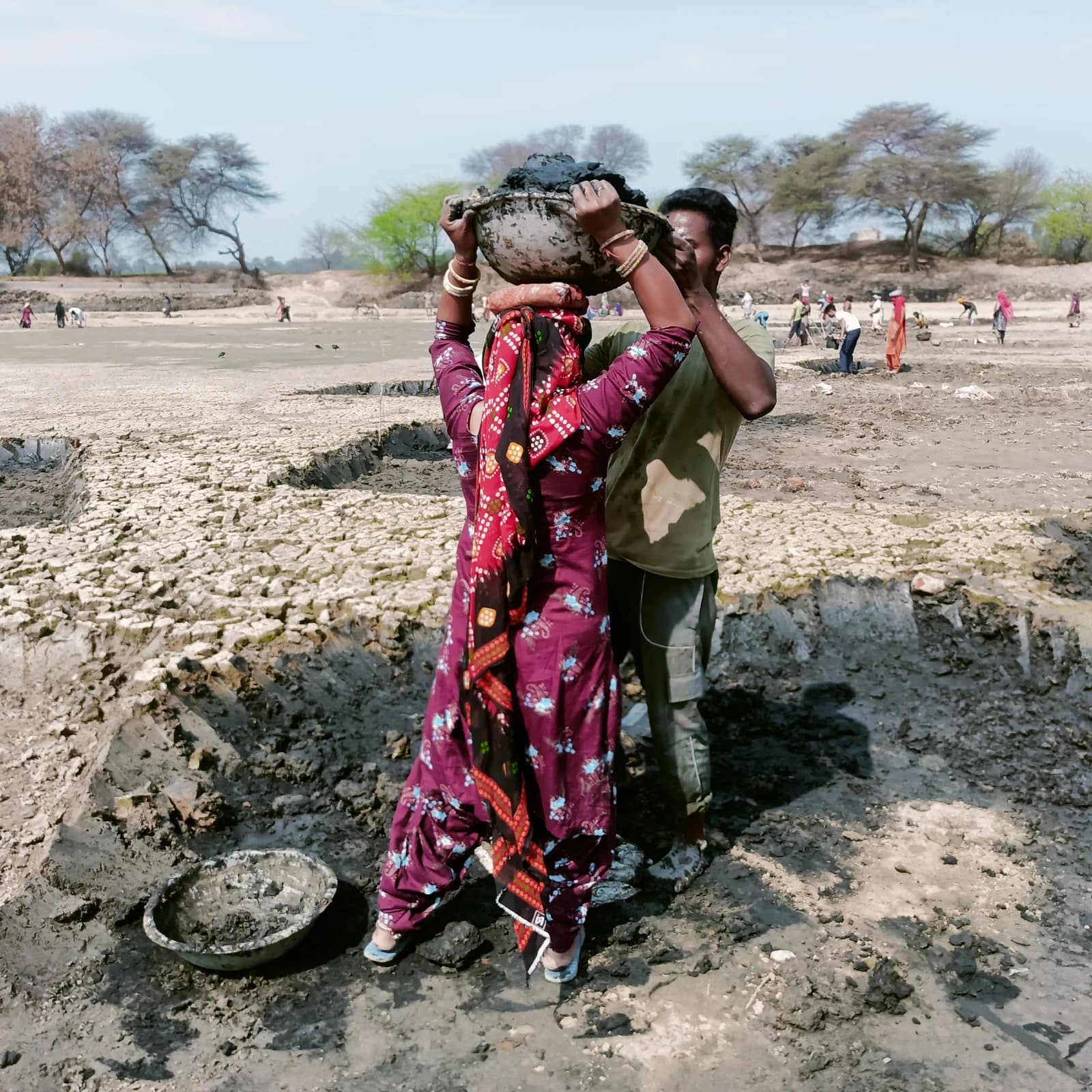
The move matters because rural wage support remains one of the quickest ways for governments to cushion consumption in India’s countryside, where farm incomes are uneven and informal jobs are scarce. By extending the entitlement beyond the 125 days promised under the central framework, the state is effectively creating a higher floor for household earnings in districts where cash income can swing sharply with the agricultural cycle.
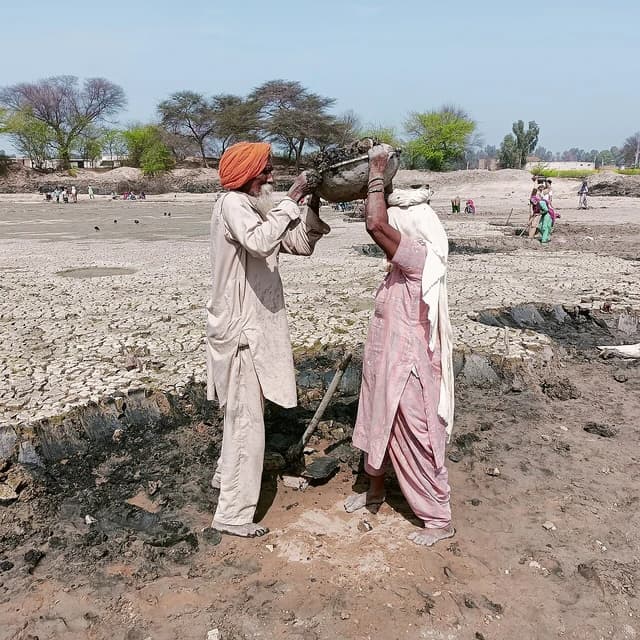
The additional support will be targeted first at women-headed households, single women, households with differently-abled members, Scheduled Castes, Scheduled Tribes and forest-dweller beneficiaries, according to the order. That targeting suggests the government is trying to use the programme not just as a welfare transfer, but as a buffer against rural distress among groups with the weakest labour market attachment.
Tamil Nadu has sanctioned Rs 100 crore from the revised budget estimate for 2026-27 to fund the extra person-days, under a new account head titled “VETRI 150.” The Rural Development and Panchayat Raj Department will administer the disbursement across all districts except Chennai. The financial sanction is modest in the context of a large state budget, but it signals that the programme is being embedded as a recurring policy tool rather than a one-off relief measure.
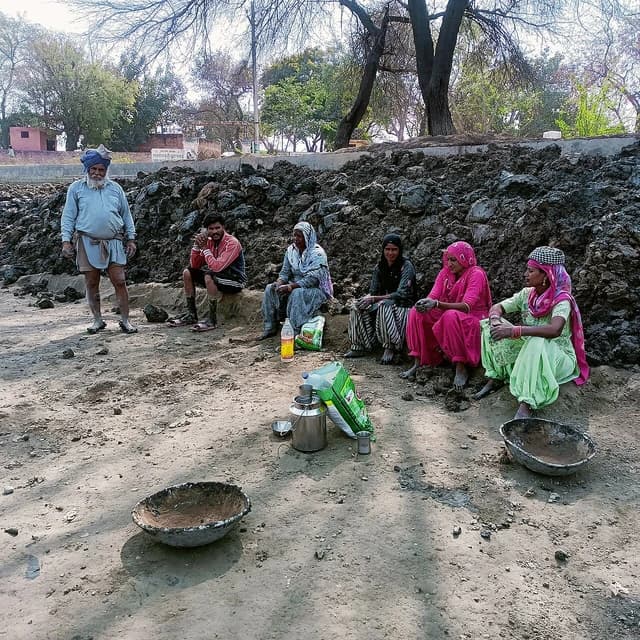
For investors, the significance is indirect but real. Higher guaranteed rural wages can support consumption in fast-moving consumer goods, two-wheelers and low-ticket retail, particularly in districts where employment under such schemes feeds immediate spending. It can also help stabilise demand in a weaker rural economy, though the trade-off is a larger public spending burden at a time when state finances across India remain under pressure from welfare commitments and capital spending needs.
The policy also highlights a broader political economy trend: states are increasingly willing to supplement central employment guarantees when they judge the labour market safety net to be too thin. That can help protect household incomes, but it also raises questions about long-term fiscal sustainability and whether such schemes can coexist with efforts to expand private-sector employment.
The key issue now is execution. If the additional days are delivered quickly and to the intended vulnerable households, the programme could provide a near-term boost to rural cash flows. If payments are delayed or allocations prove inadequate, the benefit to household demand and state credibility will be smaller than the policy headline suggests.
| Entity | Gains | Losses |
|---|---|---|
| Rural households in Tamil Nadu | ▲Higher guaranteed income | ▼Less need to borrow for daily expenses |
| Vulnerable workers targeted by the scheme | ▲Priority access to wage days | ▼Households outside priority groups |
| Consumer-facing companies | ▲Better rural spending support | ▼Slower demand if implementation lags |
| Tamil Nadu finances | ▲Political goodwill | ▼Higher recurring welfare burden |