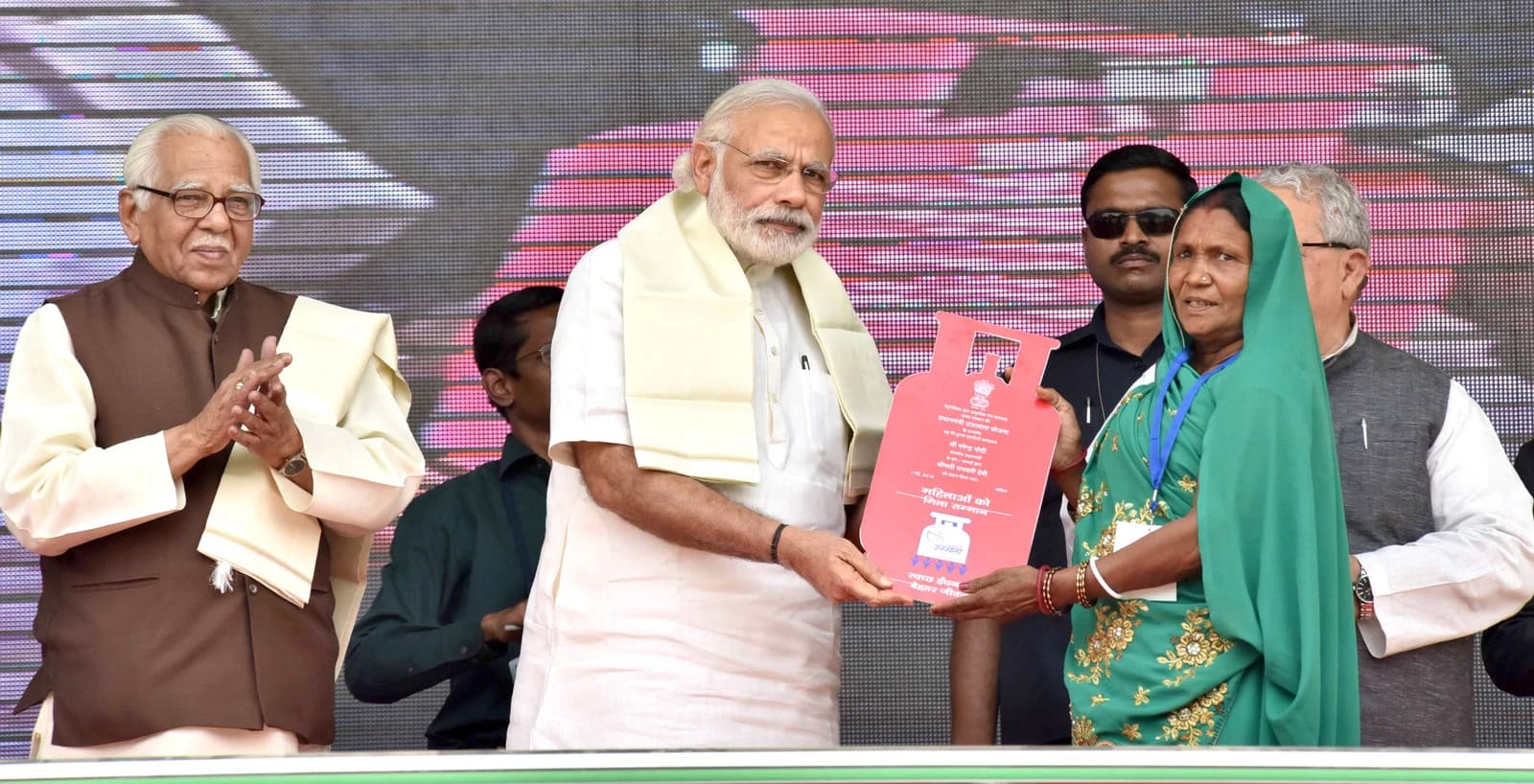
Punjab has raised dearness allowance by 8% for about 800,000 government employees and pensioners, a pre-festival move that lifts the rate to 50% and adds fresh pressure to the state’s wage bill at a time when public-sector pay demands are building.
Punjab raises dearness allowance for employees and pensioners
The increase, announced by Chief Minister Bhagwant Mann after meeting employee and pensioner groups in Chandigarh, will be rolled out in two equal 4% tranches, with the higher payout showing up in September salaries and payable from Oct. 1. For workers facing inflation and delayed consumption spending, the immediate effect is a meaningful boost in disposable income. For the state, it is a recurring fiscal commitment that could squeeze room for capital spending unless revenues or transfers improve.
The decision also has a broader labor-market and political logic. Governments often use DA hikes to preserve real wages when prices rise, but in Punjab the move comes alongside outstanding demands over the old pension scheme, assured career progression and restored allowances. That means the DA increase may ease near-term friction without closing the larger gap between employee expectations and state finances.
Mann also said the government will move to post women employees within 40 km of home, a policy aimed at improving work-life balance and potentially widening participation and retention in the public workforce. While the measure is politically popular and administratively supportive for women staff, it can complicate postings and staffing flexibility, especially in departments with thin benches or rural coverage needs.
For investors and creditors, the key issue is not the DA hike itself but the direction of Punjab’s expenditure mix. Higher employee compensation can support household demand in the short run, yet it may also limit fiscal maneuverability if the state must simultaneously fund welfare, subsidies and infrastructure. The government’s claim that it has made around 70,000 hires through a transparent process reinforces a jobs-and-governance narrative, but it also underlines that Punjab’s payroll obligations are likely to stay elevated.
The next test is whether the state can absorb the increase without widening financial stress or triggering further wage and pension demands. If inflation remains sticky, more DA revisions could follow, keeping public payroll costs in focus across Indian states.
| Entity | Gains | Losses |
|---|---|---|
| Punjab government employees and pensioners | ▲Higher take-home pay | ▼— |
| Punjab government | ▲Political goodwill | ▼Higher payroll burden |
| Women employees | ▲Closer postings | ▼Less posting flexibility for departments |
| State finances | ▲— | ▼Tighter room for capex and welfare spend |