India is preparing to give a permanent job offer to Agniveers before their four-year term ends, a major shift in the military’s exit plan that could reduce uncertainty for more than 19,000 recruits in the first batch due to leave service in January 2027.
India plans earlier job offers for Agniveers

The move matters because it changes the economics of the Agnipath recruitment model, which was designed to keep only 25% of each cohort in the armed forces while releasing the rest after four years. By identifying the retained candidates before discharge, the government is trying to turn a staggered employment pipeline into a more predictable staffing system for the military, paramilitary forces and other public-sector employers.
According to defense ministry sources, merit lists for the 25% who will stay on in the Army will be drawn up through an internal examination process before the term ends, rather than after all Agniveers exit and are later reabsorbed. That should make the transition smoother for both the services and the recruits, while giving commanders a clearer picture of long-term manpower planning.
The remaining 75% are expected to be routed into paramilitary and police jobs through a special Home Ministry portal, with the government seeking to secure placement before their service formally concludes. Officials say seats have already been reserved across armed forces and government departments, reducing the risk that trained personnel leave with no immediate employment.
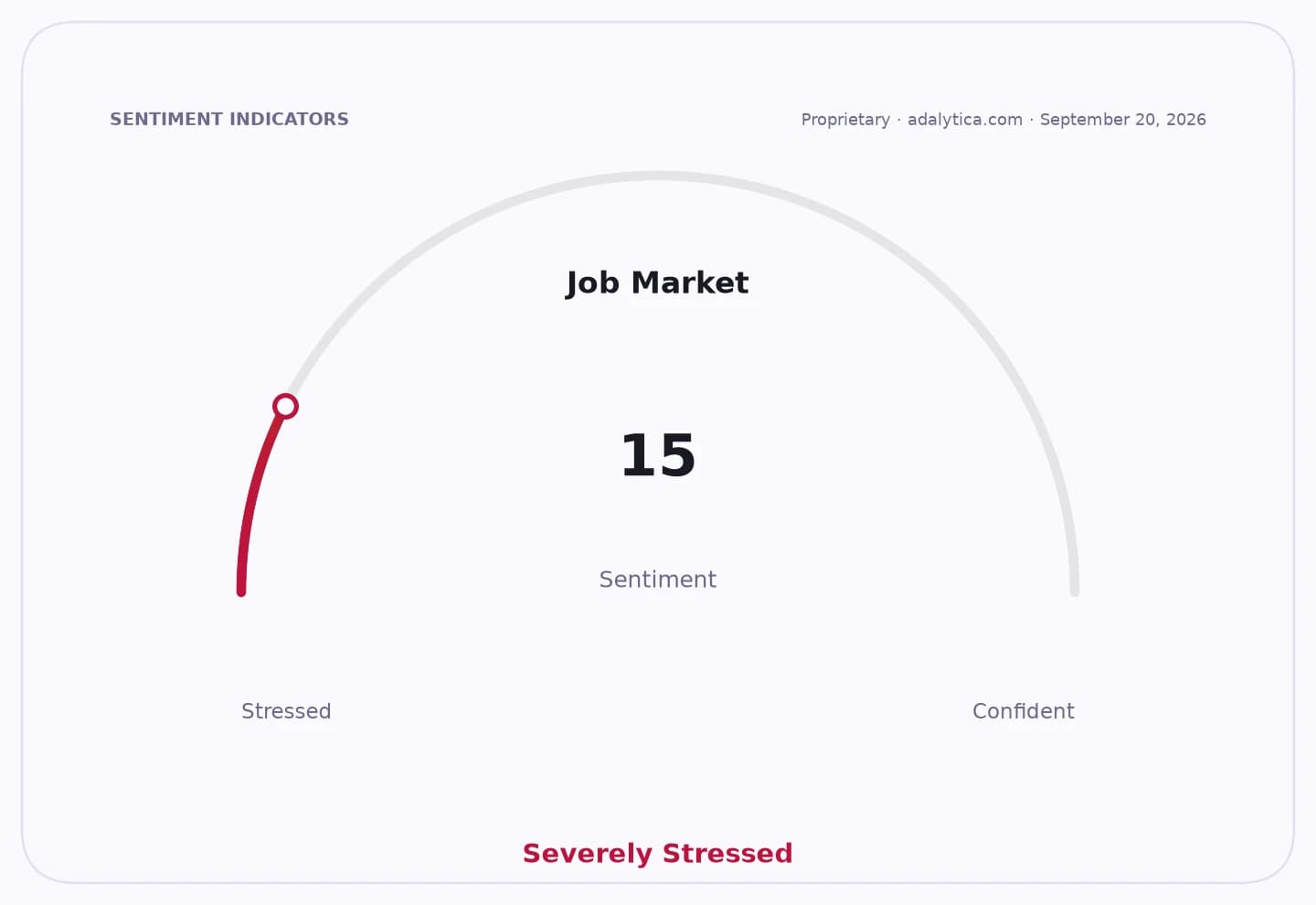
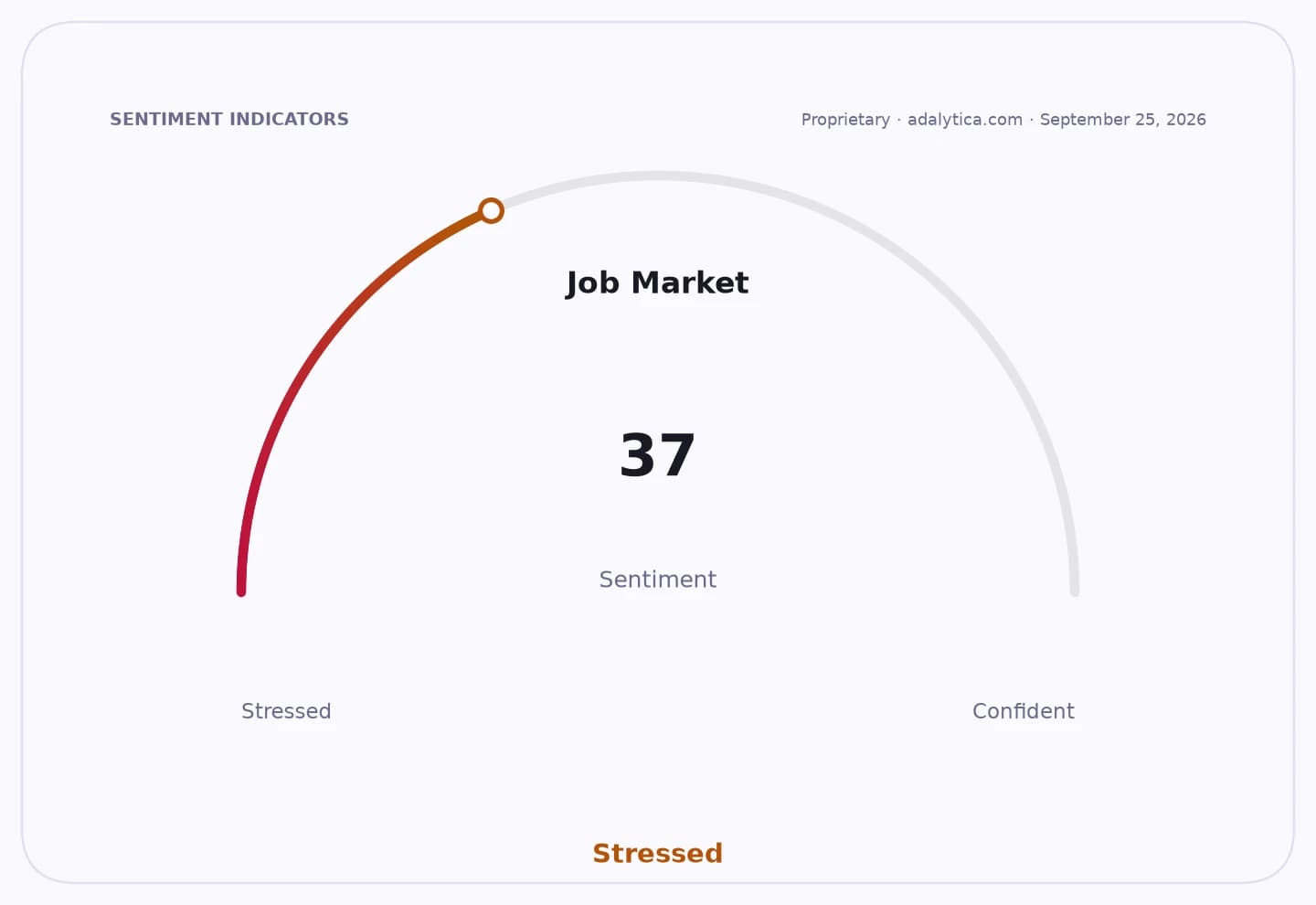
For investors and policymakers, the significance is broader than defense hiring. The plan points to a more active state role in labor absorption at a time when job security remains a sensitive political issue and public-sector recruitment continues to matter for household income, consumption and social stability.
The policy also creates a clearer pipeline into other government employers. Former Agniveers are set to receive 50% reservation in positions such as constable and rifleman roles in BSF, CRPF, CISF, ITBP and Assam Rifles, along with exemptions from written tests and some physical screening. Indian Railways has also reserved 5% of level-2 and above posts and 10% of level-1 posts for former Agniveers.
The first cohort will be the test case. If the government delivers appointment letters before discharge in 2027, it will bolster confidence in the Agnipath framework and ease criticism that the scheme creates a large pool of short-term military labor with uncertain civilian prospects.
| Entity | Gains | Losses |
|---|---|---|
| Agniveers | ▲Earlier permanent job visibility | ▼Less uncertainty at discharge |
| Indian armed forces | ▲Smoother manpower planning | ▼Less flexibility in end-of-term exits |
| Paramilitary forces/Police | ▲Trained recruit pipeline | ▼More administrative allocation burden |
| Private job seekers | ▲Little direct benefit | ▼More competition for public-sector posts |