India Post has approved a productivity-linked bonus worth 60 days’ emoluments for eligible employees in 2025-26, a year-end cash boost that matters because it directly lifts household income for a large public workforce while reinforcing the government’s habit of using bonuses to support morale and spending.
India Post approves 60-day bonus for employees

For investors, the immediate significance is less about the postal department itself than about what this kind of payout does to consumption. Extra cash in the hands of government employees and contract workers tends to flow quickly into retail spending, payments, travel and other everyday purchases, especially around the festive season. That can be a modest but real tailwind for the broader economy at a time when wage growth and job-market confidence remain uneven.
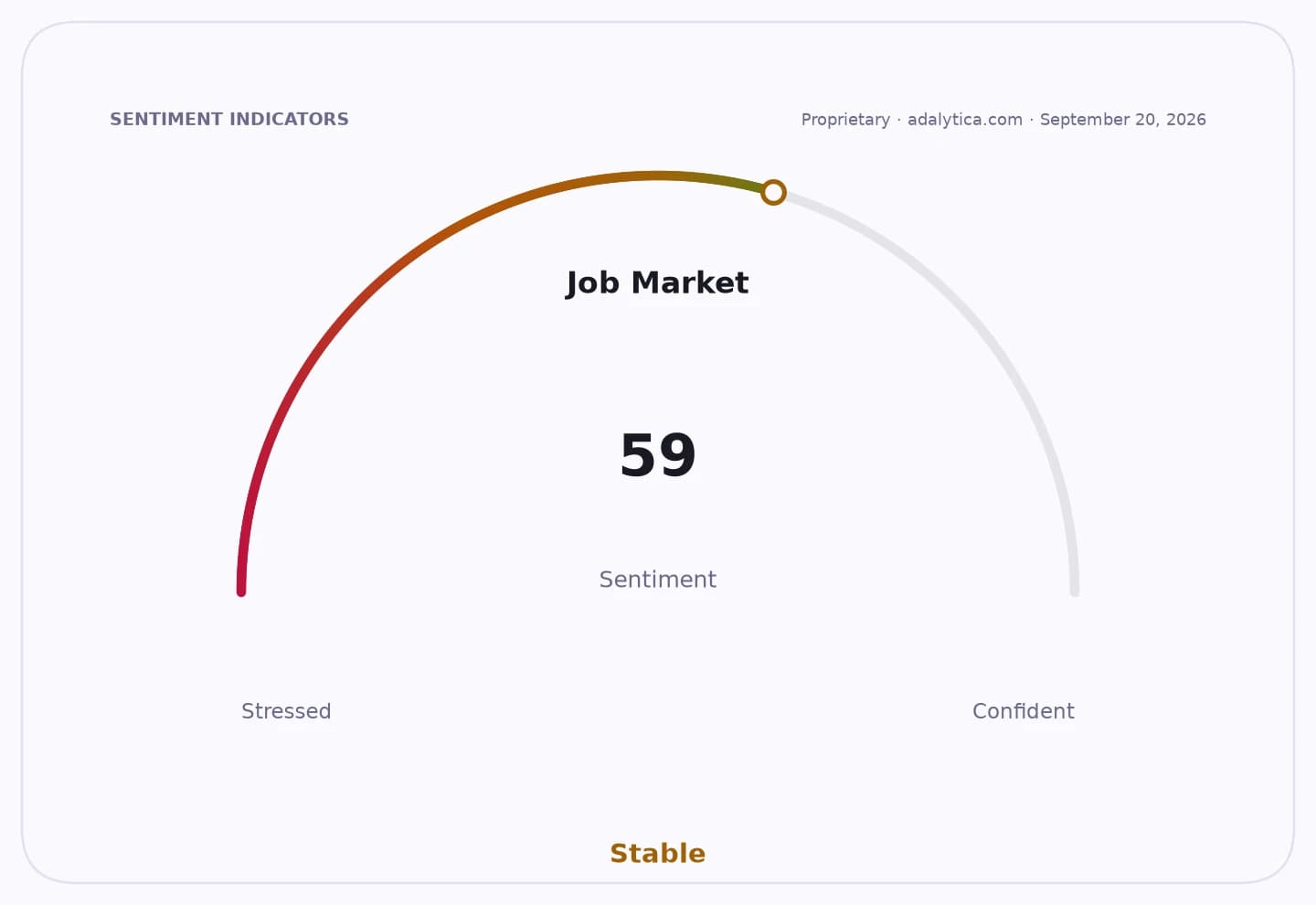
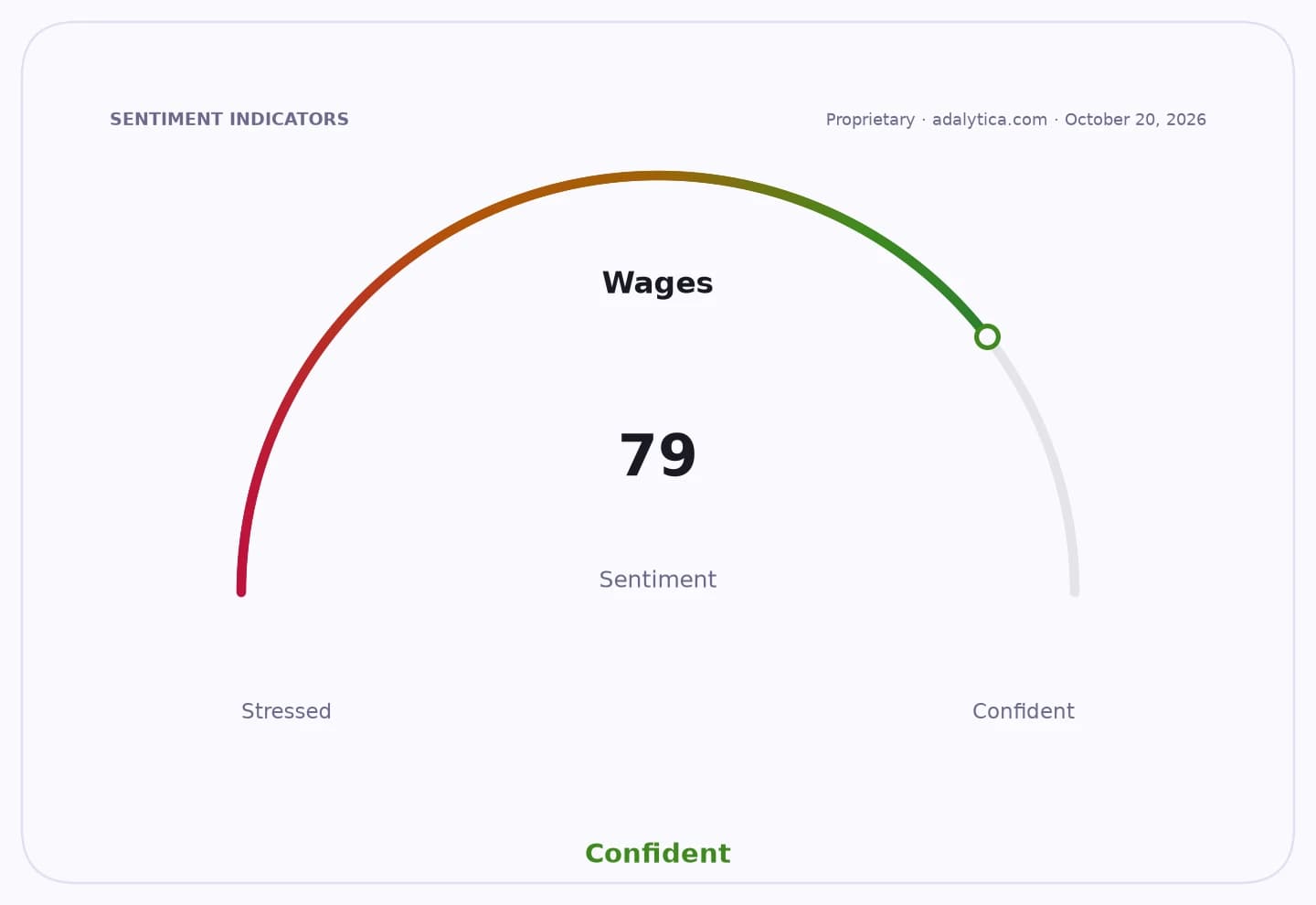
Sentiment IndicatorsⓘProprietary · adalytica.com · October 21, 2026
This is a snapshot — live sentiment, awareness and momentum for 130+ markets update continuously in the dashboard.Open AlphaPulse
The order, dated Oct. 16, covers multiple categories of postal workers. Regular departmental employees in Multi-Tasking Staff, Group C and non-gazetted Group B roles are eligible for the productivity-linked bonus. Regularly engaged Gramin Dak Sevaks will receive an ex-gratia bonus, while eligible full-time casual labourers and temporary-status casual labourers may get an ad hoc bonus if they meet service thresholds.
The headline figure is 60 days’ emoluments, but the payout is not a flat amount. For regular employees, the calculation is based on average monthly emoluments, subject to a ceiling of ₹7,000, and includes items such as basic pay, dearness allowance and certain allowances. For Gramin Dak Sevaks, the formula uses average monthly TRCA, also capped at ₹7,000 where applicable. Casual workers face stricter qualifying rules, including minimum days worked over three consecutive years.
That matters because the bonus is both a welfare measure and a signal of how the state manages labor incentives. In practical terms, it gives lower-paid public employees some inflation protection and supports spending power at the bottom end of the income ladder, where the propensity to spend is highest. For investors in consumer staples, retail, transport and financial services, those are the kinds of cash-flow inflections that can nudge demand at the margin.
It also fits a broader pattern of government support for frontline public workers. Recent decisions in other state-linked sectors have shown that authorities are willing to lean on bonuses and ex-gratia payouts to reward productivity and preserve labor stability. That tends to be positive for near-term consumption, though it also reminds investors that public-sector wage decisions can ripple through fiscal planning and budget discipline.
The key takeaway for long-term investors is simple: when a large employer like India Post adds cash to worker wallets, the benefits usually show up first in everyday spending rather than in market headlines. It is not a game-changing macro event, but it is a timely reminder that steady income support can help underpin consumption in India’s domestic economy. Worth watching, especially for consumer-facing businesses and diversified investors focused on household demand.
| Entity | Gains | Losses |
|---|---|---|
| India Post employees | ▲Extra cash income | ▼No major downside |
| Casual labourers and GDS workers | ▲Bonus eligibility | ▼Tight service conditions |
| Consumer companies | ▲Higher festive spending | ▼Limited immediate risk |
| Government budget | ▲Better worker morale | ▼Higher wage expense |